New to Ukiyo-e? Start here

Famous Ukiyo-e Artistas: Our Top 39

If you remember one Ukiyo-e artista, make it Katsushika Hokusai (1760–1849), the name behind The Great Wave off Kanagawa, 1830 e Fuji, Montanhas em Tempo Claro (Fúji Vermelho). After that come Hiroshige, Kitagawa Utamaro, Yoshitoshi e Torii Kiyonaga. Our 39 picks go from Hishikawa Moronobu (born 1618) to Goyō Hashiguchi (born 1880), from 2 countries.

How we picked them. We list the artists our catalogue links to Ukiyo-e, from the most famous down. Artists born after 1955 that we cannot yet check on Wikidata are left out. The Wikipedia number shows in how many of our 32 languages Wikipedia writes about them.

  1. The Great Wave off Kanagawa, 1830 de Katsushika Hokusai1Katsushika Hokusai
  2. Early Department from a Daimyo de Hiroshige2Hiroshige
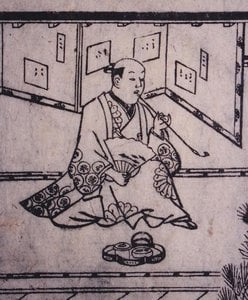
  3. Courtesan or Kneeling Lady with Fan from the series Seasonal Poems Composed by Famous Women de Kitagawa Utamaro3Kitagawa Utamaro

Quick facts

Ukiyo-e in a nutshell

  • 39Artistas
  • 1618–1880Anos de nascimento
  • 2Países de origem
  • 0Mulheres
  • 1Artistas vivos
  • 5.896Obras em nosso catálogo
Cidades com mais nascimentos
Edo (8), Tóquio (6), Tokyo (6), Osaka (2)
Museus que detêm as principais obras
Metropolitan Museum of Art (12), Keio University Library (10), Bujalance Collection (10), Cleveland Museum of Art (3)

Meet them one by one

The 39 famous Ukiyo-e artistas, from most famous down

1of 39

Katsushika Hokusai

From Tóquio On Wikipedia in 32 of 32 languages

Katsushika Hokusai

Aos seis anos, o menino já faz seus primeiros esboços, impulsionado por uma fome artística que seu pai, Nakajima Ise, reconhece, mas não consegue direcionar plenamente. Aos doze anos, ele entra no estúdio de Katsukawa Shunshō, aprendendo a precisão exigente da xilogravura ukiyo-e. Por volta de 1831, surge a série Trinta e seis vistas do Monte Fuji, alterando fundamentalmente o escopo da gravura japonesa.

Works to know · Their 100 best-known works

2of 39

Hiroshige

Japonesa From Edo *Ukiyo-e* On Wikipedia in 30 of 32 languages

Hiroshige

The series The Fifty-three Stations of the Tōkaidō (1833–1834), perhaps his most celebrated achievement, exemplifies this approach. This monumental work documented the journey along the Tōkaidō road, the main route connecting Edo and Kyoto, not as a straightforward travelogue but as a series of evocative vignettes—a sudden rain shower at Shono, a distant view of Mount Fuji from Kanaya, the bustling activity at Odawara.

Learned from Utagawa Toyohiro #26

Works to know · Their 100 best-known works

3of 39

Kitagawa Utamaro

Japonês From Kawagoe *Ukiyo-e* On Wikipedia in 27 of 32 languages

Kitagawa Utamaro

Acredita-se que ele tenha nascido como Kitagawa Ichitarō por volta de 1753, embora seu local de nascimento permaneça incerto, com várias localidades sugeridas, incluindo Quioto, Osaka, Yoshiwara (Edo) e Kawagoe. Em 1782, Utamaro uniu forças com o editor Tsutaya Jūzaburō, marcando um momento crucial em sua carreira.

Works to know · Their 100 best-known works

4of 39

Yoshitoshi

Japonês From Edo Ukiyo-e On Wikipedia in 15 of 32 languages

Yoshitoshi

Nascido Owariya Yonejiro em 30 de abril de 1839, o homem que viria a ser conhecido como Tsukioka Yoshitoshi entrou em um mundo em constante mutação. Criado no distrito de Shimbashi, na antiga Edo — hoje conhecida como Tóquio —, sua trajetória foi marcada por uma transição de identidade, tendo também utilizado o nome Taiso Yoshitoshi.

Learned from Utagawa Kuniyoshi #6

Works to know · Their 100 best-known works

5of 39

Torii Kiyonaga

From Edo On Wikipedia in 16 of 32 languages

Torii Kiyonaga

Nascido como Sekiguchi Shinsuke em 1752, no coração pulsante de Edo (a atual Tóquio), Torii Kiyonaga emergiu como um dos mestres mais celebrados do ukiyo-e, as “imagens do mundo flutuante”. Filho de um livreiro, a vida de juventude de Kiyonaga proporcionou-lhe acesso às correntes culturais da sociedade de Edo, fomentando uma apreciação por seus vibrantes distritos de entretenimento e pelos gostos refinados de seu povo.

Works to know · Their 100 best-known works

6of 39

Utagawa Kuniyoshi

Japonesa From Tóquio Ukiyo-e On Wikipedia in 24 of 32 languages

Utagawa Kuniyoshi

Utagawa Kuniyoshi, nascido Yoshisaburō em 1º de janeiro de 1798, em Edo (atual Tóquio), é uma figura monumental no final da tradição ukiyo-e – as “imagens do mundo flutuante” que capturaram tão vívida a vida japonesa durante o período Edo.

Learned from Utagawa Toyokuni I #13 · Taught Utagawa Yoshitora #32, Yoshitoshi #4, Kawanabe Kyōsai #11

Works to know · Their 100 best-known works

7of 39

Hozumi Harunobu

Japonesa From Edo Ukiyo-e On Wikipedia in 21 of 32 languages

Hozumi Harunobu

Nascido por volta de 1725, sua história familiar foi marcada pelo deslocamento; tanto seu pai, Shigekazu, quanto seu avô, Shigemitsu, foram exilados de Edo para Kyoto. Ele bebeu dos estilos de Torii Kiyomitsu e Ishikawa Toyonobu, ao mesmo tempo em que absorvia elementos das escolas Kawamata e Kanō.

Works to know · Their 100 best-known works

8of 39

Hishikawa Moronobu

Japonesa From Hota Ukiyo-e On Wikipedia in 20 of 32 languages

Hishikawa Moronobu

Hishikawa Moronobu, nascido em Edo (a moderna Tóquio) em 1618, ergue-se como uma figura fundamental na história da arte japonesa. O período Edo (1603-1868) testemunhou um florescimento da cultura urbana, impulsionado pela prosperidade econômica e por uma relativa paz.

Works to know · Their 100 best-known works

9of 39

Kunisada Utagawa

Japanese From Edo Ukiyo-e On Wikipedia in 17 of 32 languages

Kunisada Utagawa

Utagawa Kunisada, nascido Sumida Shōgorō IX no vibrante distrito de Honjo, no Japão, ergue-se como, indiscutivelmente, o artista ukiyo-e mais celebrado do século XIX. Sua produção prolífica e um sucesso comercial sem precedentes consolidaram sua posição como um titã entre seus contemporâneos — Hiroshogia, Hokusai e Kuniyoshi — estabelecendo-o como o campeão incontestável da xilogravura colorida durante o período Edo.

Learned from Utagawa Toyokuni I #13

Works to know · Their 100 best-known works

10of 39

Chobunsai Eishi

Japonesa From Tóquio Ukiyo-e, Bijin-ga On Wikipedia in 11 of 32 languages

Chobunsai Eishi

Chobunsai Eishi (1756-1829), também conhecido como Hosoda Tokitomi, destaca-se como uma figura fundamental no vibrante mundo da arte japonesa do período Edo. Seus primeiros anos foram definidos pelo serviço na corte Tokugawa, um cargo que ele renunciou em 1789 para se dedicar inteiramente à sua paixão: capturar a beleza requintada das mulheres e as narrativas evocativas da literatura clássica.

Works to know · Their 100 best-known works

11of 39

Kawanabe Kyōsai

Japanese From Koga Ukiyo-e, Caricature, Manga pioneer On Wikipedia in 10 of 32 languages

Kawanabe Kyōsai

This early shock preceded a formal education under the masters of the Kanō school and Utagawa Kuniyoshi. During the political shifts from the Edo period to the Meiji era, he became a figure of both fascination and friction.

Learned from Utagawa Kuniyoshi #6

Works to know · Their 100 best-known works

12of 39

Keisai Eisen

Japanese From Edo Bunsei Era Ukiyo-e On Wikipedia in 15 of 32 languages

Keisai Eisen

In the vibrant, flickering light of 19th-century Edo, few artists captured the pulse of the "floating world" with as much evocative intensity as Keisai Eisen. This shift defined the aesthetic of the Bunsei era (1818–1830), a period often characterized by its decadent and psychologically complex atmosphere. In works such as his depictions of Fukaya Station or Ageo Station, he transformed mere topographical records into cinematic snapshots of life in motion.

Works to know · Their 100 best-known works

13of 39

Utagawa Toyokuni I

Japanese From Shiba Ukiyo-e On Wikipedia in 13 of 32 languages

Utagawa Toyokuni I

His father, Kurahashi Gorobei, was a skilled carver specializing in dolls and puppets – miniature representations often modeled after the celebrated performers of the kabuki stage.

Taught Utagawa Kunimasa #15, Utagawa Kuniyoshi #6, Utagawa Toyokuni II #35

Works to know · Their 100 best-known works

14of 39

Hiroshige I

Japanese From Tóquio Ukiyo-e

Hiroshige I

hiroshige i, utagawa & kiemon, tsuruya, um renomado artista japonês do estilo ukiyo-e, é amplamente reconhecido por suas paisagens magistrais, como as célebres obras as cinquenta e três estações da tōkaidō e as sessenta e nove estações da kiso kaidō. Nascido em 1797, ele é considerado um dos últimos grandes mestres da tradição ukiyo-e.

Works to know · Their 100 best-known works

15of 39

Utagawa Kunimasa

Japanese From Aizu Utagawa School

Utagawa Kunimasa

Kunimasa’s early life was marked by a dedication to craftsmanship and artistic training. His apprenticeship under Toyokuni wasn’t merely about technical skill; it instilled in him an understanding of the broader aesthetic goals of ukiyo-e—to capture fleeting moments of beauty and emotion with unparalleled precision.

Works to know · Their 100 best-known works

17of 39

Sharaku

Japan ukiyo-e On Wikipedia in 19 of 32 languages

Sharaku

Sharaku was a Japanese ukiyo-e print designer active between 1794 and 1795. His prolific output focused primarily on yakusha-e, which are portraits of kabuki actors. These works often emphasized the dynamism and energy of the subjects, frequently utilizing a realism that highlighted unflattering details such as wrinkles or large noses.

Works to know · Their 100 best-known works

18of 39

Utashige

Japanese Ukiyo-e

Utashige

Born Andō Tokutarō in 1797, within the bustling heart of Edo (modern Tokyo), Utagawa Hiroshige’s path to becoming Japan's last great ukiyo-e master was not one initially paved with artistic ambition. This shift was significantly influenced by Hokusai’s groundbreaking Thirty-six Views of Mount Fuji, a series that demonstrated the power of focusing on a single motif across multiple compositions.

Works to know · Their 100 best-known works

19of 39

Miyagawa Chōshun

Japanese From Miyagawa Ukiyo-e On Wikipedia in 9 of 32 languages

Miyagawa Chōshun

In the vibrant tapestry of Japan's Edo period, Miyagawa Chōshun emerged as a singular voice, a painter who captured the ephemeral beauty of the "floating world" with unparalleled grace. Furthermore, his connection to the pioneer of ukiyo-e, Hishikawa Moronobu, provided him with the foundational spirit of the genre.

Works to know · Their 100 best-known works

21of 39

Isoda Koryūsai

Japanese From Tokyo Ukiyo-e On Wikipedia in 10 of 32 languages

Isoda Koryūsai

In the vibrant, bustling heart of the Edo period, a golden age of Japanese creativity, few names resonate with as much elegance and prolific energy as Isoda Koryūsai. Born in 1735 in the burgeoning metropolis of Tokyo—then known as Edo—Koryūsai was a man shaped by the dualities of his era.

Works to know · Their 100 best-known works

22of 39

Ogata Gekko

Japanese From Tokyo Ukiyo-e, Nihonga On Wikipedia in 9 of 32 languages

Ogata Gekko

Ogata Gekko (1859-1920) stands as a pivotal figure in late 19th and early 20th century Japanese art, a master who defied convention and forged a uniquely captivating style. Born Nakagami Masanosuke in Edo (modern Tokyo), his journey from humble beginnings to international recognition is as compelling as the vibrant scenes he brought to life on woodblock prints.

Works to know · Their 100 best-known works

23of 39

Kobayashi Kiyochika

From Tóquio On Wikipedia in 10 of 32 languages

Kobayashi Kiyochika

Nascido em Tóquio em 1847, em meio aos dias de declínio do período Edo no Japão, Kobayashi Kiyochika emergiu como uma figura fundamental na transição artística da nação. Inicialmente alinhado ao Xogunato Tokugawa, ele navegou habilmente pelas turbulências políticas que seguiram a Restauração, encontrando, por fim, sua voz como o artista que documentaria o novo Japão.

Learned from Kawanabe Kyōsai #11

Works to know · Their 100 best-known works

24of 39

Adachi Ginko

Japanese Ukiyo-e

Adachi Ginko

In the vibrant, transformative era of the late Meiji period, few artists captured the shifting soul of Japan as vividly as Adachi Ginkō. Born in 1853, a time when the traditional structures of the Edo period were beginning to yield to the rapid modernization of the West, Ginkō emerged as a master of the Ukiyo-e tradition.

Works to know · Their 100 best-known works

25of 39

Toyohara Chikanobu

Japanese Shin-hanga

Toyohara Chikanobu

In the twilight of the Edo period and the dawn of a modernizing Japan, few artists captured the profound tension between tradition and transformation as masterfully as Toyohara Chikanobu. Born in 1838, an era of profound cultural shifts, Chikanobu—often recognized by his art name Yōshū Chikanobu —emerged as a monumental figure in the world of Japanese woodblock printing.

Works to know · Their 100 best-known works

26of 39

Utagawa Toyohiro

Japanese From Toyooka Ukiyo-e On Wikipedia in 8 of 32 languages

Utagawa Toyohiro

In the vibrant tapestry of the Edo period, few names resonate with the quiet elegance and technical mastery of Utagawa Toyohiro. Born as Okajima Tōjiro in Toyooka, Japan, this distinguished artist emerged as a pivotal figure within the renowned Utagawa school.

Works to know · Their 100 best-known works

27of 39

Mizuno Toshikata

Japanese From Tokyo Ukiyo-e, Kuchi-e

Mizuno Toshikata

Mizuno Toshikata (1866-1908) stands as a quietly significant figure within the vibrant tapestry of ukiyo-e art, a tradition that flourished in Japan from the 17th to the 19th centuries.

Works to know · Their 100 best-known works

28of 39

Ishikawa Toyonobu

Japanese From Tokyo Ukiyo-e (Lacquer Print Art) On Wikipedia in 7 of 32 languages

Ishikawa Toyonobu

Among them stands Nishimura Shigenobu, also known as Ishikawa Toyonobu (1711–1785), a figure whose work embodies both the elegance and subtle sensuality characteristic of early ukiyo-e. He is often considered to have been the same person as Nishimura Shigenobu, a contemporary artist and student of Nishimura Shigenaga. Toyonobu’s artistic education began under the tutelage of Nishimura Shigenaga, a pupil of the renowned Okumura Masanobu.

Works to know · Their 100 best-known works

29of 39

Kogyo Sakamaki

Japanese Noh Theatre Prints

Kogyo Sakamaki

Kōgyo Sakamaki, whose name translates to “Moonlit Harvest,” stands as one of Japan’s most revered printmakers of the Meiji era (1868–1912), a period marked by rapid modernization and cultural introspection.

Works to know · Their 100 best-known works

30of 39

Hokkei

From Tokyo On Wikipedia in 8 of 32 languages

Hokkei

Born in Edo (modern Tokyo) in 1780, Toyota Hokkei emerged as a significant, though often understated, figure within the vibrant world of ukiyo-e, the “pictures of the floating world.” Unlike some of his more flamboyant contemporaries, Hokkei cultivated a style characterized by serene beauty and meticulous detail.

Learned from Katsushika Hokusai #1

Works to know · Their 100 best-known works

31of 39

Sadatora

Japanese From Tokyo Ukiyo-e

Sadatora

In the vibrant, pulsing heart of Edo-period Japan, where the concept of ukiyo —the floating world—defined the very essence of existence, Utagawa Sadatora emerged as a master of capturing the ephemeral. Born around 1825 in the bustling metropolis of Tokyo, Sadatora was more than just a practitioner of woodblock printing; he was a poet of the atmospheric and the transient.

Works to know · Their 100 best-known works

32of 39

Utagawa Yoshitora

Utagawa Yoshitora

Born into a lineage of printmakers – though precise dates remain elusive – Yoshitora flourished during the late Edo and early Meiji periods (roughly 1830s to 1880s), a time of immense social and artistic upheaval in Japan.

Works to know · Their 100 best-known works

33of 39

Kunichika Toyohara

Japonês From Edo Ukiyo-e (Yakusha-e, Bijinga) On Wikipedia in 10 of 32 languages

Kunichika Toyohara

Toyohara Kunichika, um renomado mestre das xilogravuras japonesas, nasceu em 30 de junho de 1835. Reconhecido por seu talento excepcional desde muito jovem, ele tornou-se discípulo de Utagawa Kunisada, o principal gravador de Tóquio, aos treze anos de idade. A profunda compreensão de Kunichika sobre o drama Kabuki conduziu sua produção principal ao gênero yakusha-e, xilogravuras que capturavam a essência dos atores de Kabuki e cenas de peças populares.

Works to know · Their 100 best-known works

35of 39

Utagawa Toyokuni II

Japanese Ukiyo-e On Wikipedia in 4 of 32 languages

Utagawa Toyokuni II

Hiroshige Utagawa II (1797 – 1858), alongside his collaborator Toyokuni Utagawa IV, stands as a pivotal figure in the history of Japanese art and printmaking—specifically, ukiyo-e. Their partnership revolutionized the genre, elevating it from mere decorative illustration to a powerful medium for conveying emotion and capturing the essence of Edo period Japan (1603–1868).

Learned from Utagawa Toyokuni I #13

Works to know · Their 100 best-known works

36of 39

Utagawa Yoshitaki

Japanese From Osaka Ukiyo-e On Wikipedia in 4 of 32 languages

Utagawa Yoshitaki

Ichiyosai Yoshitaki (歌川 芳滝, April 13, 1841 – June 28, 1899), also known as Utagawa Yoshitaki, stands as a towering figure in the history of Japanese woodblock prints. Active primarily during the late Edo and early Meiji periods, he dedicated his life to capturing the dynamism and captivating presence of Kabuki actors —a pursuit that cemented his legacy as Osaka’s most prolific designer of yakusha-e (役者絵) for nearly four decades.

Works to know · Their 100 best-known works

37of 39

Utagawa Kunitsuna Ii, Ichiransai, Sadashige

Japanese Ukiyo-e

Utagawa Kunitsuna Ii, Ichiransai, Sadashige

Utagawa Kunitsuna Ii, a name that echoes through the annals of late Edo period ukiyo-e, remains a figure shrouded in intriguing mystery. Also known as Ichiransai Sadashige, his life is documented with frustrating sparseness, making him a compelling subject for art historians and enthusiasts alike.

Works to know · Their 100 best-known works

38of 39

Utagawa Yoshikazu

Japanese From Edo Ukiyo-e, Yokohama-e On Wikipedia in 3 of 32 languages

Utagawa Yoshikazu

Utagawa Yoshikazu, born in Tokyo during the late Edo period (approximately 1850-1870), stands as a pivotal figure in the vibrant world of Ukiyo-e art. While not as widely celebrated as some of his contemporaries like Hiroshige or Hokusai, Yoshikazu’s contribution is particularly significant for his extensive and insightful series documenting the arrival of Westerners and Western influences in Japan following the Treaty of Kanagawa with the United States in 1854.

Learned from Utagawa Kuniyoshi #6

Works to know · Their 100 best-known works

39of 39

Shunkōsai Hokushū

Japanese From Osaka Kamigata-e On Wikipedia in 3 of 32 languages

Shunkōsai Hokushū

Shunkōsai Hokuchō (春曙斎 北頂), born around 1802 in Osaka, Japan, stands as a fascinating figure within the vibrant tapestry of Edo-period art history. Though overshadowed by contemporaries like Hokusai and Hiroshige—whose flamboyant landscapes captivated audiences—Hokuchō carved out a distinctive niche as a producer of kabuki actor prints, establishing what is now known as the Osaka style (kamigata-e) and leaving an indelible mark on Japanese visual culture.

Learned from Katsushika Hokusai #1

Works to know · Their 100 best-known works

Pictures worth knowing

Famous Ukiyo-e works to recognise

  1. The Great Wave off Kanagawa, 1830 de Katsushika Hokusai

    The Great Wave off Kanagawa, 1830

    Katsushika Hokusai

    1834 · Grand Palais, Paris

  2. Early Department from a Daimyo de Hiroshige

    Early Department from a Daimyo

    Hiroshige

    Nakagawa-machi Bato Hiroshige Museum of Art, Nagasaki

  3. Courtesan or Kneeling Lady with Fan from the series Seasonal Poems Composed by Famous Women de Kitagawa Utamaro

    Courtesan or Kneeling Lady with Fan from the series Seasonal Poems Composed by Famous Women

    Kitagawa Utamaro

    1790 · Hill-Stead Museum, Farmington

  4. Tokugawa Iemitsu Recebendo Senhores em Audiência de Yoshitoshi

    Tokugawa Iemitsu Recebendo Senhores em Audiência

    Yoshitoshi

    1875 · Museu de Arte do Condado de Los Angeles

  5. Beauty in Summer Breeze de Torii Kiyonaga

    Beauty in Summer Breeze

    Torii Kiyonaga

    701 · Metropolitan Museum of Art, Nova York

  6. Musashi on the back of a whale de Utagawa Kuniyoshi

    Musashi on the back of a whale

    Utagawa Kuniyoshi

  7. The Courtesan Osen de Hozumi Harunobu

    The Courtesan Osen

    Hozumi Harunobu

  8. Spring Dance Scene de Hishikawa Moronobu

    Spring Dance Scene

    Hishikawa Moronobu

    1667 · Cleveland Museum of Art

When it happened

Ukiyo-e, step by step

  1. 1667
  2. 1776
  3. 1790
  4. 1800
  5. 1809
  6. 1825
  7. 1834
  8. 1857
  9. 1858
  10. 1870
  11. 1873
  12. 1875
  13. 1880
  14. 1888

Fun figures

The numbers behind the list

Just the names

List of 39 famous Ukiyo-e artistas to know

  1. 1Katsushika HokusaiKatsushika Hokusai1760–1849
  2. 2HiroshigeHiroshigeJaponesa · 1797–1858
  3. 3Kitagawa UtamaroKitagawa UtamaroJaponês · 1753–1806
  4. 4YoshitoshiYoshitoshiJaponês · 1839–1892
  5. 5Torii KiyonagaTorii Kiyonaga1752–1815
  6. 6Utagawa KuniyoshiUtagawa KuniyoshiJaponesa · 1798–1861
  7. 7Hozumi HarunobuHozumi HarunobuJaponesa · 1724–1770
  8. 8Hishikawa MoronobuHishikawa MoronobuJaponesa · 1618–1694
  9. 9Kunisada UtagawaKunisada UtagawaJapanese · 1786–1865
  10. 10Chobunsai EishiChobunsai EishiJaponesa · 1756–1829
  11. 11Kawanabe KyōsaiKawanabe KyōsaiJapanese · 1831–1889
  12. 12Keisai EisenKeisai EisenJapanese · 1790–1848
  13. 13Utagawa Toyokuni IUtagawa Toyokuni IJapanese · 1769–1825
  14. 14Hiroshige IHiroshige IJapanese · 1797–1858
  15. 15Utagawa KunimasaUtagawa KunimasaJapanese · 1773–1810
  16. 16Nishikawa SukenobuNishikawa SukenobuJapanese · 1671–1750
  17. 17SharakuSharakuJapan ·
  18. 18UtashigeUtashigeJapanese ·
  19. 19Miyagawa ChōshunMiyagawa ChōshunJapanese · 1683–1753
  20. 20Goyō HashiguchiGoyō HashiguchiDutch · 1880–1921
  21. 21Isoda KoryūsaiIsoda KoryūsaiJapanese · 1735–1790
  22. 22Ogata GekkoOgata GekkoJapanese · 1859–1920
  23. 23Kobayashi KiyochikaKobayashi Kiyochika1847–1915
  24. 24Adachi GinkoAdachi GinkoJapanese · nascido(a) em 1853
  25. 25Toyohara ChikanobuToyohara ChikanobuJapanese · 1838–1912
  26. 26Utagawa ToyohiroUtagawa ToyohiroJapanese · 1773–1828
  27. 27Mizuno ToshikataMizuno ToshikataJapanese · 1866–1908
  28. 28Ishikawa ToyonobuIshikawa ToyonobuJapanese · 1711–1785
  29. 29Kogyo SakamakiKogyo SakamakiJapanese · 1869–1927
  30. 30HokkeiHokkei1780–1850
  31. 31SadatoraSadatoraJapanese ·
  32. 32Utagawa YoshitoraUtagawa Yoshitora
  33. 33Kunichika ToyoharaKunichika ToyoharaJaponês · 1835–1900
  34. 34KunisadaKunisadaJaponês · 1823–1880
  35. 35Utagawa Toyokuni IIUtagawa Toyokuni IIJapanese · 1777–1835
  36. 36Utagawa YoshitakiUtagawa YoshitakiJapanese · 1841–1899
  37. 37Utagawa Kunitsuna Ii, Ichiransai, SadashigeUtagawa Kunitsuna Ii, Ichiransai, SadashigeJapanese ·
  38. 38Utagawa YoshikazuUtagawa YoshikazuJapanese ·
  39. 39Shunkōsai HokushūShunkōsai HokushūJapanese ·

Good questions

What people ask about Ukiyo-e

Read more

More stories on ArtsDot.com

Other styles

Famous artists of other styles

Other eras

Famous artists of other eras

Keep exploring

Where to go next