New to Gothic? Start here

34 Famous Gothic Artistas You Should Know

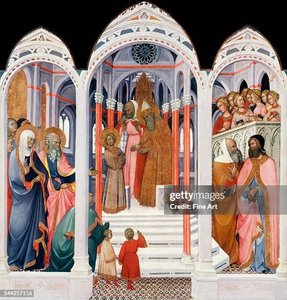
If you remember one Gothic artista, make it Duccio (1255–1319), the name behind Maestà (Madonna com Anjos e Santos) e MaestÓ (frente, painel central). After that come Simone Martini, Gentile Da Fabriano, Antonio Pisanello e Stefan Lochner. Our 34 picks go from Mestre Mateo (born 1161) to Jan Baegert (born 1465), from 8 countries.

How we picked them. We list the artists our catalogue links to Gothic, from the most famous down. Artists born after 1955 that we cannot yet check on Wikidata are left out. The Wikipedia number shows in how many of our 32 languages Wikipedia writes about them.

  1. Maestà (Madonna com Anjos e Santos), de Duccio1Duccio
  2. Cristo Encontrado no Templo, de Simone Martini2Simone Martini
  3. A Seated Scribe, de Gentile Da Fabriano3Gentile Da Fabriano

Quick facts

Gothic in a nutshell

  • 34Artistas
  • 1161–1465Anos de nascimento
  • 8Países de origem
  • 0Mulheres
  • 1.535Obras em nosso catálogo
Cidades com mais nascimentos
Florença (5), Siena (3), Fabriano (1), Pisa (1)

Meet them one by one

The 34 famous Gothic artistas, from most famous down

1of 34

Duccio

Italiano From Siena Escola Sienesa, Gótico do Trecento On Wikipedia in 31 of 32 languages

Duccio

Nascido em Siena, na Itália, por volta de 1255, Duccio Di Buoninsegna viveu uma existência profundamente entrelaçada com o pulsar religioso e cívico da Toscana. The Virgin and Child with Saints Dominic and Aurea (1312). Nascido em Siena, na Itália, por volta de 1255 ou 1256, Duccio Di Buoninsegna emergiu de uma linhagem que moldou sua própria identidade.

Works to know · Their 100 best-known works · Duccio reproductions

2of 34

Simone Martini

Italiano From Siena Gótico Internacional On Wikipedia in 28 of 32 languages

Simone Martini

Saint Louis of Toulouse Crowning His Brother Robert of Anjou, 1317. Em 1333, ele pintou a Anunciação com Santa Margarida e Santo Ansanus, uma obra que reside atualmente na Galleria degli Uffizi, em Florença. Em 1342, ele concluiu o Cristo Encontrado no Templo, uma pintura que pode ser encontrada na Walker Art Gallery, em Liverpool.

Taught Lippo Memmi #9

Works to know · Their 100 best-known works · Simone Martini reproductions

3of 34

Gentile Da Fabriano

Italiano From Fabriano Gótico Internacional On Wikipedia in 23 of 32 languages

Gentile Da Fabriano

Gentile da Fabriano, um nome sinônimo da graça opulenta do estilo Gótico Internacional, emergiu do cenário artístico da Itália do final do século XIV. Sabemos que sua mãe faleceu antes de 1380 e que seu pai, Niccolò di Giovanni Massi, buscou refúgio em um monastério por volta de 1385 – eventos que provavelmente moldaram os anos formativos do jovem Gentile.

Works to know · Their 100 best-known works · Gentile Da Fabriano reproductions

4of 34

Antonio Pisanello

Italiano From Pisa Gótico Italiano e Renascimento Inicial On Wikipedia in 28 of 32 languages

Antonio Pisanello

Nascido como Antonio di Puccio Pisano em Pisa, por volta de 1395, Pisanello emergiu como uma figura fundamental na transição do estilo Gótico Internacional para a florescente Renascença. Por volta de 1415-1420, iniciou-se um aprendizado crucial com Gentile da Fabriano, consolidando a trajetória artística de Pisanello.

Works to know · Their 100 best-known works · Antonio Pisanello reproductions

5of 34

Stefan Lochner

Alemã From Meersburg Gótico Tardio, Gótico Internacional On Wikipedia in 19 of 32 languages

Stefan Lochner

Nascido por volta de 1410 na pitoresca cidade de Meersburg, na Alemanha – um local imerso em lendas e aninhado entre as deslumbrantes águas do Lago de Constança – a vida de Stephan Lochner foi tragicamente interrompida em Colônia, por volta de 1451.

Works to know · Their 100 best-known works · Stefan Lochner reproductions

6of 34

Agnolo Gaddi

Italian From Florença Gothic, Early Renaissance On Wikipedia in 20 of 32 languages

Agnolo Gaddi

Agnolo Gaddi (c. 1350 – 1396) stands as a singular figure in the artistic panorama of Florence during the Trecento, embodying not merely talent but also an unbroken lineage rooted in the revolutionary vision of Giotto di Bondone.

Works to know · Their 100 best-known works · Agnolo Gaddi reproductions

7of 34

irmãos Limbourg

From Nijmegen On Wikipedia in 21 of 32 languages

irmãos Limbourg

No crepúsculo da Idade Média, um trio de irmãos da cidade holandesa de Nijmegen emergiu para redefinir as fronteiras da narrativa visual. Herman, Paul e Jean de Limbourg, conhecidos coletivamente como os Irmãos Limbourg, não eram meramente pintores, mas arquitetos de mundos em miniatura.

Works to know · Their 100 best-known works · irmãos Limbourg reproductions

8of 34

Paolo Veneziano

Italiano From Veneza Influência bizantina e arte gótica On Wikipedia in 15 of 32 languages

Paolo Veneziano

Paolo Veneziano (c. 1333 – 1358) ergue-se como uma figura monumental na história da arte veneziana, reconhecido universalmente como o pintor veneziano mais importante do século XIV. Nascido em uma linhagem artística no coração de Veneza — sendo seu pai um artista renomado — a breve, porém brilhante carreira de Veneziano coincidiu com um período transformador na pintura europeia.

Works to know · Their 100 best-known works · Paolo Veneziano reproductions

9of 34

Lippo Memmi

From Siena On Wikipedia in 17 of 32 languages

Lippo Memmi

Lippo Memmi, nascido por volta de 1291 no coração de Siena, Itália, destaca-se como uma figura crucial na transição das tradições bizantinas da pintura medieval para a elegância florescente do estilo Gótico Internacional. Talvez a mais celebrada delas seja a Anunciação com Santa Margarida e Santo Ansanus (1333), criada em colaboração com Simone Martini para a Galeria Uffizi.

Learned from Simone Martini #2

Works to know · Their 100 best-known works · Lippo Memmi reproductions

10of 34

Spinello Aretino

Italiano From Arezzo Elo entre a Escola de Giotto e a Escola de Siena On Wikipedia in 16 of 32 languages

Spinello Aretino

Nascido no seio de uma família de ourives florentinos, o seu verdadeiro nome era Spinello Di Luca Spinelli, mas tornou-se conhecido pela história pelo apelido "Aretino", significando a sua ligação a Arezzo. Nos seus primeiros anos, trabalhou nas movimentadas oficinas de Florença, contribuindo para obras monumentais, como os frescos na igreja de Carmine e Santa Maria Novella.

Works to know · Their 100 best-known works · Spinello Aretino reproductions

11of 34

Bernardo Daddi

From Florença On Wikipedia in 17 of 32 languages

Bernardo Daddi

Bernardo Daddi, nascido em Florença por volta de 1290 e falecido em 1348, ergue-se como uma figura fundamental na transição do final do período Gótico para o florescente Renascimento Italiano. Suas obras primordiais demonstram uma conexão clara com os seguidores de Giotto — mestres como o “Mestre de Santa Cecília” e outros pintores florentinos do primeiro quarto do século XIV — refletindo uma linhagem direta de influência artística.

Works to know · Their 100 best-known works · Bernardo Daddi reproductions

12of 34

Andrea Pisano

Italiano From Pontecorvo Gótico

Andrea Pisano

Andrea Pisano (c. 1290 – 1348 Orvieto) ergue-se como uma figura monumental na escultura do Renascimento italiano, embora o seu legado artístico esteja inextricavelmente ligado à era gótica precedente e profundamente moldado pela influência revolucionária de Giotto di Bondone.

Works to know · Their 100 best-known works · Andrea Pisano reproductions

13of 34

Mestre Mateo

Espanhola Escultura Românica

Mestre Mateo

Mestre Mateo, um escultor cujo nome permanece envolto em mistério apesar de sua contribuição monumental para a Catedral de Santiago de Compostela, destaca-se como uma das figuras mais reverenciadas da arte românica na Espanha. Nascido por volta de 1161 na Galiza, embora os detalhes precisos sobre sua vida sejam escassos, o legado de Mateo repousa principalmente em sua conquista inigualável: o Pórtico da Glória.

Works to know · Their 100 best-known works · Mestre Mateo reproductions

14of 34

Jean Malouel

From Nimega On Wikipedia in 16 of 32 languages

Jean Malouel

Jean Malouel, ou Jan Maelwael, como era conhecido em sua nativa Holanda, ocupa uma posição fascinante e crucial na transição da arte Gótica para o Renascimento. A carreira de Malouel deu sua primeira reviravolta significativa em 1396-97, quando se viu trabalhando em Paris, encarregado de pintar decorações armoriais para Isabel de Baviera, a Rainha da França.

Works to know · Their 100 best-known works · Jean Malouel reproductions

15of 34

Tilman Riemenschneider

Alemão From Heiligenstadt Gótico tardio/Renascimento

Tilman Riemenschneider

In 1483, he settled in Würzburg, a city that would become inextricably linked with his name, joining the Saint Luke's Guild and initially working as a painter’s assistant before establishing himself as an independent master craftsman. Works like the Franziskusaltar in Rothenburg ob der Tauber (circa 1490) and, most famously, the Holy Blood Altar in Creglingen (completed around 1503-1505), exemplify his unparalleled mastery of limewood carving.

Works to know · Their 100 best-known works · Tilman Riemenschneider reproductions

16of 34

Frade Francke

Dutch From Lower Rhine Gothic Renaissance On Wikipedia in 14 of 32 languages

Frade Francke

Johannes Francke, known as Frater Francke, stands as a pivotal figure in the burgeoning artistic landscape of 15th-century Germany – specifically within the vibrant Gothic tradition of Hamburg. Early Life and Training: Precise information regarding Francke's formative years is scarce.

Works to know · Their 100 best-known works · Frade Francke reproductions

17of 34

Claus Sluter

Holandês From Haarlem Realismo Norte

Claus Sluter

Claus Sluter (c. 1350-1406) posiciona-se como um dos escultores mais influentes de sua era, marcando uma conjuntura crucial entre as tradições artísticas góticas e renascentistas no norte da Europa. Primeiros Anos e Formação: Detalhes biográficos precisos permanecem esquivos, mas as evidências sugerem que Sluter recebeu treinamento nas oficinas das guildas de Haarlem, absorvendo as convenções estilísticas da escultura gótica prevalecente na época.

Works to know · Their 100 best-known works · Claus Sluter reproductions

18of 34

Jacopo di Cione

Italian From Florence Gothic On Wikipedia in 7 of 32 languages

Jacopo di Cione

Born in Florence sometime between 1320 and 1330, he emerged from a family deeply rooted in artistic tradition—his three elder brothers, Andrea di Cione (Orcagna), Nardo di Cione, and Matteo di Cione—were themselves accomplished painters, establishing a lineage of creative excellence.

Works to know · Their 100 best-known works · Jacopo di Cione reproductions

19of 34

Jaime Huguet

Catalan From Valls Late Gothic, Flemish influence On Wikipedia in 10 of 32 languages

Jaime Huguet

Between 1440 and 1445, his hand reached into the workshops of Zaragoza and Tarragona, where he encountered the influential Flemish style brought by Luis Dalmau. His ability to command both scale and detail is evident in his diverse body of work: The Archangel St Michael: A celestial sentinel rendered with heroic posture, framed by stylized foliage and a radiant, textured gold leaf that seems to emanate an inner light.

Works to know · Their 100 best-known works · Jaime Huguet reproductions

20of 34

Lucas Moser

German From Weil der Stadt Late Gothic Art On Wikipedia in 10 of 32 languages

Lucas Moser

Lukas Moser, a name perhaps unfamiliar to many outside the circles of art history, represents a pivotal figure in the transition from the International Gothic style to the burgeoning realism that would characterize early Renaissance painting.

Works to know · Their 100 best-known works · Lucas Moser reproductions

21of 34

Master Bertram

German From Minden International Gothic On Wikipedia in 13 of 32 languages

Master Bertram

Born in Minden, Germany, around 1345 and passing away in Hamburg circa 1415, Master Bertram remains a captivating figure within the history of European art. Often referred to as Meister Bertram or Master of Minden, he stands as a pivotal artist bridging the International Gothic style with the nascent trends of the early Renaissance in Northern Europe.

Works to know · Their 100 best-known works · Master Bertram reproductions

22of 34

Pere Serra

Spanish Gothic-Italian

Pere Serra

Pere Serra, also known as Jaume Serra, stands as a compelling figure in the transition from the International Gothic style to the burgeoning Renaissance aesthetic within Catalonia. Born around 1357 and passing away in 1406, his life coincided with a period of significant artistic and cultural change across Europe, yet he maintained a distinctly Catalan sensibility throughout his career.

Works to know · Their 100 best-known works · Pere Serra reproductions

23of 34

Paolo Di Giovanni Fei

Italiano From San Quirico d'Orcia Naturalismo, Proto-Renascimento On Wikipedia in 10 of 32 languages

Paolo Di Giovanni Fei

Pietro Lorenzetti, nascido por volta de 1280 e tragicamente falecido em 1348 durante a devastadora pandemia da Peste Negra, permanece uma figura fundamental na evolução da pintura italiana.

Works to know · Their 100 best-known works · Paolo Di Giovanni Fei reproductions

24of 34

Giovannino De' Grassi

Italian From Milan Gothic Illuminations

Giovannino De' Grassi

Giovannino de’ Grassi remains one of the most captivating enigmas of the late medieval period, a figure whose brushstrokes breathed life into the prestigious Visconti court of Milan. He operated in an era where the transition from the rigid structures of the Middle Ages to the burgeoning naturalism of the early Renaissance was beginning to stir, and de’ Grassim stood at the very heart of this aesthetic evolution.

Works to know · Their 100 best-known works · Giovannino De' Grassi reproductions

25of 34

Lluís Borrassà

Catalan From Girona International Gothic On Wikipedia in 8 of 32 languages

Lluís Borrassà

A pioneer who fundamentally reshaped the visual language of Catalonia, Borrassà emerged from the historic streets of Girona to become a master of the International Gothic style. The foundations of Borrassá’s mastery were laid in his youth, likely under the guidance of his father, Honorat Borrassà, a fellow painter.

Works to know · Their 100 best-known works · Lluís Borrassà reproductions

26of 34

Michele Giambono

Italian From Venice International Gothic On Wikipedia in 10 of 32 languages

Michele Giambono

In the heart of fifteenth-century Venice, a city defined by its shimmering lagoons and unparalleled maritime wealth, the artistry of Michele Giambono emerged as a luminous bridge between the medieval past and the dawning Renaissance. As a follower of luminaries such as Jacobello del Fiore and Gentile da Fabriano, Giambono inherited a fascination with delicate line work and the use of precious materials to evoke the celestial realm.

Works to know · Their 100 best-known works · Michele Giambono reproductions

27of 34

Giovanni dal Ponte

Italiano From Florença Gótico tardio/Renascença On Wikipedia in 7 of 32 languages

Giovanni dal Ponte

Giovanni dal Ponte (1385 – 1437) foi um pintor italiano, cuja vida e obra representam uma transição fascinante entre o estilo tardio gótico e os primeiros elementos do Renascimento. Seu próprio nome, “dal Ponte” – significando “do ponte” – já indicava suas raízes; ele derivava da localização de seu ateliê próximo à Piazza di Santo Stefano a Ponte, um centro comercial e artístico vibrante da cidade.

Works to know · Their 100 best-known works · Giovanni dal Ponte reproductions

28of 34

Teodórico De Praga

Tcheco From Itália Gótico On Wikipedia in 16 of 32 languages

Teodórico De Praga

Ativo aproximadamente entre 1360 e 1380, ele viveu um período em que a sua presença na corte da Boêmia era amplamente documentada. Serviu como o pintor favorito da corte de Carlos IV, o Imperador do Sacro Império Romano-Germânico. A mão do artista estava intimamente ligada à corte de Carlos IV, o Imperador do Sacro Império Romano-Germânico.

Works to know · Their 100 best-known works

29of 34

Niccolò Di Pietro Gerini

Italiano From Florença Gótico Tardio On Wikipedia in 6 of 32 languages

Niccolò Di Pietro Gerini

Nascido por volta de 1368 em Florença e falecido por volta de 1415, a carreira de Gerini desenrolou-se num cenário de fermento artístico, onde a tradição e a experimentação dançavam um equilíbrio delicado. Seu pai, Pietro Geri, era ele próprio membro da Guilda de São Lucas, sugerindo uma criação imersa na prática artística — um legado familiar que continuaria com o filho de Niccolò, Bindo, que também se tornou pintor.

Works to know · Their 100 best-known works · Niccolò Di Pietro Gerini reproductions

30of 34

Pacino Di Bonaguida

From Florença On Wikipedia in 4 of 32 languages

Pacino Di Bonaguida

Ativo principalmente em Florença entre aproximadamente 1303 e 1347, a vida de Pacino permanece envolta em mistério — um destino comum para muitos artistas de sua era. Ele aparece pela primeira vez nos registros em 1303, dissolvendo uma parceria com Tambo di Serraglio, sendo descrito na época como um ‘publicus artifex in arte pictorum’ – um artista público na arte da pintura.

Works to know · Their 100 best-known works · Pacino Di Bonaguida reproductions

31of 34

Master Of The Life Of The Virgin

German Late Gothic On Wikipedia in 11 of 32 languages

Master Of The Life Of The Virgin

The earliest evidence of his workshop dates back to around 1463, with the completion of a series of eight panels for the Ursulakirche (Ursuline Church) in Cologne. These scenes – including the Annunciation, Visitation, Nativity, Presentation in the Temple, Flight into Egypt, and various episodes from Mary’s childhood and later life – quickly established his reputation.

Works to know · Their 100 best-known works

32of 34

Jan Baegert

From Wesel Late Gothic On Wikipedia in 3 of 32 languages

Jan Baegert

By 1492, Jan Baegert was recognized as a master in Kalkar, a significant milestone that confirmed his ability to manage large-scale commissions independently. Following the death of his father in 1502, Jan Baegert took over the family business in Wesel.

See them at Tracing the physical remains of Jan Baegert’s output requires looking toward the Westphalian and Lower Rhine regions.

Works to know · Their 100 best-known works · Jan Baegert reproductions

33of 34

Master Of The Osservanza

Italian Late Gothic On Wikipedia in 8 of 32 languages

Master Of The Osservanza

He was born around 1405 in Siena, likely into a family involved in the production of dyes—a profession reflected in his surname, “ di Pietro ” (of Peter).

Works to know · Their 100 best-known works

34of 34

Master of Heiligenkreuz Abbey

Austrian International Gothic On Wikipedia in 5 of 32 languages

Master of Heiligenkreuz Abbey

The earliest known works attributed to the Master are diptychs – two-panel paintings – discovered at the Cistercian Abbey of Heiligenkreuz in southeastern Austria. The left panel depicts the Annunciation, showcasing the Virgin Mary receiving the news of her divine conception, while the reverse portrays the Madonna and Child – a tender scene brimming with serenity.

Works to know · Their 100 best-known works

Pictures worth knowing

Famous Gothic works to recognise

  1. Maestà (Madonna com Anjos e Santos), de Duccio

    Maestà (Madonna com Anjos e Santos)

    Duccio

    1308 · Museo dell'Opera del Duomo, Siena

  2. Cristo Encontrado no Templo, de Simone Martini

    Cristo Encontrado no Templo

    Simone Martini

    1342 · Walker Art Gallery, Liverpool

  3. A Seated Scribe, de Gentile Da Fabriano

    A Seated Scribe

    Gentile Da Fabriano

    1480 · Isabella Stewart Gardner Museum, Boston

  4. Sigismondo Pandolfo Malatesta, Lord of Rimini, de Antonio Pisanello

    Sigismondo Pandolfo Malatesta, Lord of Rimini

    Antonio Pisanello

    1445 · Fundação Calouste Gulbenkian, Lisboa

  5. Madonna of the Rose Bush, de Stefan Lochner

    Madonna of the Rose Bush

    Stefan Lochner

    1440 · Wallraf-Richartz-Museum, Colônia

  6. The Last Supper, de Agnolo Gaddi

    The Last Supper

    Agnolo Gaddi

    1395 · Lindenau-Museum, Altengau

  7. Les très riches heures du Duc de Berry: Avril (April), de irmãos Limbourg

    Les très riches heures du Duc de Berry: Avril (April)

    irmãos Limbourg

    1412 · Musée Condé, Chantilly

  8. Rediscovery of the Relics of St Mark, de Paolo Veneziano

    Rediscovery of the Relics of St Mark

    Paolo Veneziano

    1345 · Basílica de São Marcos, Veneza

When it happened

Gothic, step by step

  1. 1188
  2. 1308
  3. 1320
  4. 1333
  5. 1336
  6. 1339
  7. 1342
  8. 1375
  9. 1383
  10. 1384
  11. 1394
  12. 1395
  13. 1395
  14. 1395

Fun figures

The numbers behind the list

Just the names

List of 34 famous Gothic artistas to know

  1. 1DuccioDuccioItaliano · 1255–1319
  2. 2Simone MartiniSimone MartiniItaliano · 1284–1344
  3. 3Gentile Da FabrianoGentile Da FabrianoItaliano · 1370–1427
  4. 4Antonio PisanelloAntonio PisanelloItaliano · 1395–1455
  5. 5Stefan LochnerStefan LochnerAlemã · 1410–1451
  6. 6Agnolo GaddiAgnolo GaddiItalian · 1350–1396
  7. 7irmãos Limbourgirmãos Limbourg1385–1416
  8. 8Paolo VenezianoPaolo VenezianoItaliano · 1333–1358
  9. 9Lippo MemmiLippo Memmi1291–1356
  10. 10Spinello AretinoSpinello AretinoItaliano · 1350–1410
  11. 11Bernardo DaddiBernardo Daddi1290–1348
  12. 12Andrea PisanoAndrea PisanoItaliano · 1290–1348
  13. 13Mestre MateoMestre MateoEspanhola · 1161–1217
  14. 14Jean MalouelJean Malouel1370–1415
  15. 15Tilman RiemenschneiderTilman RiemenschneiderAlemão · 1460–1531
  16. 16Frade FranckeFrade FranckeDutch · 1380–1435
  17. 17Claus SluterClaus SluterHolandês · 1355–1406
  18. 18Jacopo di CioneJacopo di CioneItalian · 1325–1399
  19. 19Jaime HuguetJaime HuguetCatalan · 1445–1492
  20. 20Lucas MoserLucas MoserGerman · 1390–1443
  21. 21Master BertramMaster BertramGerman · 1345–1415
  22. 22Pere SerraPere SerraSpanish · 1357–1406
  23. 23Paolo Di Giovanni FeiPaolo Di Giovanni FeiItaliano · 1345–1411
  24. 24Giovannino De' GrassiGiovannino De' GrassiItalian · 1350–1398
  25. 25Lluís BorrassàLluís BorrassàCatalan · 1360–1425
  26. 26Michele GiambonoMichele GiambonoItalian · 1400–1462
  27. 27Giovanni dal PonteGiovanni dal PonteItaliano · 1385–1438
  28. 28Teodórico De PragaTeodórico De PragaTcheco ·
  29. 29Niccolò Di Pietro GeriniNiccolò Di Pietro GeriniItaliano · 1368–1415
  30. 30Pacino Di BonaguidaPacino Di Bonaguida1280–1340
  31. 31Master Of The Life Of The VirginMaster Of The Life Of The VirginGerman ·
  32. 32Jan BaegertJan Baegert1465–1535
  33. 33Master Of The OsservanzaMaster Of The OsservanzaItalian ·
  34. 34Master of Heiligenkreuz AbbeyMaster of Heiligenkreuz AbbeyAustrian ·

Good questions

What people ask about Gothic

  • Who is the most famous Gothic artista?

    Duccio (#1) is first in this ranking, followed by Simone Martini (#2) and Gentile Da Fabriano (#3).

  • Who are the 5 most famous Gothic artistas?

  • What techniques did Gothic artistas use?

    “Naquele ano, pintou o fresco da Maestà para o Palazzo Pubblico, a sede do governo da cidade.” — from our biography of Simone Martini (#2).

  • Which Gothic masters trained other famous artistas?

    Simone Martini (#2) taught Lippo Memmi (#9).

  • Which country produced the most Gothic artistas?

    Itália: 15 of the 34 artistas in this list were born there, then Germany (4) e Alemanha (3).

  • Where are the great works of Gothic art today?

    The museums holding the most key works of this list are Metropolitan Museum of Art (7), Galleria degli Uffizi (3) e Isabella Stewart Gardner Museum (3).

  • Who was the first Gothic artista?

    The earliest-born artista in this list is Mestre Mateo (#13), born in 1161.

  • Who are the great Gothic artistas of Itália?

    The highest-ranked artistas born in Itália are Duccio (#1), Simone Martini (#2), Gentile Da Fabriano (#3), Antonio Pisanello (#4) e Agnolo Gaddi (#6).

  • Which city produced the most Gothic artistas?

    Florença: 5 of the artistas in this list were born there.

  • When were most Gothic artistas born?

    Most artistas in this list were born in the 14th século (18 of 34), between 1161 and 1465 overall.

  • Can I order a painting by a famous Gothic artista?

    Our catalogue holds 1,535 works by these artistas. Each one can be ordered as a hand-painted oil reproduction or a print.

Read more

More stories on ArtsDot.com

Other styles

Famous artists of other styles

Other eras

Famous artists of other eras

Keep exploring

Where to go next