

 Visualizar na parede
 Compartilhar
 Compartilhar
 Detalhes
 Guia
Guia

 Baixar imagem
 Semelhantes
 Raio X
 Ver diaporama
 Perguntas e Respostas
 Estatísticas
Work

- 136.0 x 136.0 cm


 Ler mais
A obra de arte exibida nesta página é protegida por leis de direitos autorais, o que significa que não podemos criar ou vender legalmente uma reprodução idêntica. Esta proteção é aplicada por meio de acordos internacionais, tais como a Convenção de Berna e pelas leis nacionais, incluindo as estabelecidas por Lei de Direitos Autorais dos EUA - Título 17.
Este método cumpre plenamente as regulamentações de direitos autorais, pois não envolve a cópia ou duplicação da obra protegida. Em vez disso, trata-se de uma reinterpretação criativa — uma nova pintura que é influenciada pela original, mas não idêntica a ela.
Giclée / Impressão de Arte
Impressão giclée ou em tela de qualidade de museu, com produção rápida e opções flexíveis de acabamento. ( Comprar pintura feita à mão Alternar para Imagem Digital)




































Escolha entre os nossos tamanhos pré-definidos que respeitam as proporções originais da obra de arte.

Insira a largura e a altura desejadas para se ajustarem à sua moldura ou parede. Uma impressão pode ser apenas cortada, nunca ampliada além da imagem original; portanto, um tamanho com proporções diferentes resultará na perda de parte da imagem. Enviamos uma maquete digital para sua aprovação antes de realizarmos a impressão. A imagem exibida nesta página não mostra o corte real — apenas a maquete o faz.
Entrega mundial () em 2 semanas, em vez das 4/5 semanas padrão. (21 Novembro)

Envio expresso gratuito para todo o mundo

Tela de Linho de Alta Qualidade

Seguro de transporte completo

Garantia de Reembolso de Impostos Alfandegários

Garantia de Fidelidade Cromática

Política de Devolução em 100 Dias (Apenas para Defeitos)

Garantia de reembolso de 100%

Oferta de desconto por quantidade
 A opção de vidro está disponível apenas para tamanhos inferiores a 110 cm

Work
Giclée / Impressão de Arte
Tamanho da Reprodução
-


Preço Total
€ 56
Obras Relacionadas


Biografia do Artista
Um Pioneiro da Abstração Coreana: A Vida e a Arte de Yoo Youngkuk
Yoo Youngkuk, um nome sinônimo do nascimento da arte abstrata na Coreia, emergiu como uma figura fundamental durante um período de imensa agitação social e política. Nascido em 1916 na cidade costeira de Uljin, na Coreia do Sul, sua jornada artística foi de exploração incansável e dedicação inabalável para forjar uma nova linguagem visual para uma nação que lutava com sua identidade e modernidade. Sua infância, imersa na beleza natural da paisante coreana – particularmente as montanhas majestosas que se tornariam um motivo recorrente em sua carreira – instilou nele uma profunda conexão com a natureza, um sentimento que permeou sutilmente até suas composições mais geometricamente rigorosas. Essa experiência formativa lançou as bases para uma visão artística que buscava não apenas representar o mundo externo, mas destilar sua essência em forma e cor puras. O caminho de Yoo rumo à abstração começou com seu treinamento formal na Universidade Bunka Gakuin, em Tóquio, onde se graduou no departamento de pintura a óleo em 1938. Foi ali que ele encontrou os movimentos abstratos ocidentais e interagiu com artistas japoneses pioneiros como Murai Masanari e Hasegawa Saburo, figuras que influenciaram profundamente suas primeiras experimentações e consolidaram seu compromisso com a arte não representacional.Forjando um Novo Caminho: Sinsasil-pa e as Primeiras Experimentações
Ao retornar à Coreia em 1943, em meio à turbulência da Segunda Guerra Mundial, Yoo enfrentou desafios significativos na busca de sua visão artística. Os anos de guerra foram marcados por dificuldades e interrupções, forçando-o a sustentar-se por diversos meios enquanto mantinha um compromisso inabalável com sua arte. No entanto, com a libertação da Coreia e o subsequente estabelecimento da República da Coreia, uma nova era surgiu para a comunidade artística do país. Em 1948, Yoo Youngkuk uniu forças com Kim Whanki e Lee Kyusante para formar o Sinsasil-pa (Grupo Novo Realismo), um momento divisor de águas na história da arte coreana. Este coletivo de vanguarda representou a primeira tentativa organizada de romper com os estilos representativos tradicionais e abraçar a expressão abstrata moderna. O manifesto do grupo clamava por uma arte que refletisse as realidades da Coreia pós-guerra, mas interpretada através de uma lente de abstração — um movimento audacioso que desafiou as normas artísticas convencionais e acendeu debates no mundo da arte coreana. As obras iniciais de Yoo durante este período demonstram uma interação dinâmica entre campos de cor e formas geométricas emergentes, sugerindo a direção que seu estilo tomaria nos anos seguintes. Ele também compartilhou brevemente sua expertise como professor na Universidade Nacional de Seul por dois anos, nutrindo a próxima geração de artistas.A Montanha Interior: Evolução do Estor e Ressonância Simbólica
Ao longo da década de 1950 e início dos anos 60, o estilo artístico de Yoo Youngkuk passou por uma transformação significativa. Embora suas obras anteriores explorassem a pintura de campos de cor, ele gradualmente começou a incorporar formas geométricas mais definidas, influenciado pelo seu diálogo contínuo com a natureza e suas experiências pessoais. Este período viu o surgimento do que se tornaria seu motivo de assinatura: a montanha. Frequentemente referido como “o pintor de montanhas”, Yoo não retratava as montanhas em um sentido literal; em vez disso, ele abstraía sua essência — sua solidez, sua grandeza, sua ressonância espiritual — em composições poderosas de cor e forma. A montanha tornou-se um símbolo da própria Coreia, representando resiliência, resistência e o espírito duradouro da nação. Após sua participação na Bienal de São Paulo em 1963, Yoo viveu um período de consolidação artística, afastando-se de atividades grupais para focar em exposições individuais realizadas a cada dois anos durante duas décadas. Isso permitiu que ele refinasse seu estilo único, expandindo os limites da abstração geométrica e explorando relações cada vez mais complexas entre cor, linha e espaço. Apesar de enfrentar doenças debilitantes que o confinaram a uma cadeira de rodas a partir da década de 1960, a energia criativa de Yoo permaneceu inalterada; ele continuou a pintar com dedicação inabalável até apenas três anos antes de sua morte, em 2002, aos oitenta e seis anos.Um Legado Duradouro: Reconhecimento e Influência Permanente
As contribuições de Yoo Youngkuk para a arte moderna coreana foram amplamente reconhecidas durante sua vida, culminando em uma retrospectiva da revista Monthly Art, que o aclamou como o artista mais extraordinário entre mais de cem de seus contemporâções. Sua obra foi exibida extensivamente, tanto nacional quanto internacionalmente, consolidando sua posição como uma figura de liderança na cena global da arte abstrata. Seu legado estende-se além de suas pinturas; ele abriu caminho para as gerações subsequentes de artistas coreanos explorarem a abstração e experimentarem novas formas de expressão. O compromisso inabalável de Yoo com a inovação artística, aliado à sua profunda conexão com a cultura e a paisagem coreanas, continua a inspirar artistas hoje. Sua habilidade de traduzir as qualidades emocionais e espirituais da natureza em uma linguagem visual puramente abstrata permanece como um testemunho de sua profunda maestria e influência duradoura. Explorar as obras-primas de Yoo Youngkuk — como “Montanha” ou “Obra” — em plataformas como ArtsDot.com oferece um vislumbre da mente de um verdadeiro pioneiro, um artista que ousou romper com a tradição e forjar um novo caminho para a arte coreana. Sua obra permanece como um poderoso lembrete do poder transformador da abstração e de sua capacidade de capturar a essência tanto do mundo externo quanto do eu interior.
Yoo Youngkuk
1916 - 2002 , Coreia do Sul
Dados Rápidos
- Artistic Movement Or Style: Abstração geométrica
- Artists Or Movements Influenced By This Artist:
- Constructivismo russo
- Suprematismo
- Artists Who Influenced This Artist:
- Murai Masanari
- Hasegawa Saburo
- Date Of Birth: 1916
- Date Of Death: 2002
- Full Name: Yoo Youngkuk
- Nationality: Coreano
- Notable Artworks:
- Montanha
- Trabalho
- Place Of Birth: Uljin, Coreia do Sul
Artigos Relacionados
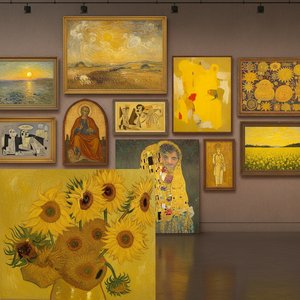
As 10 Obras Mais Famosas Dominadas pelo 'Amarelo Cromo': Arte e Decoração
Descubra as 10 pinturas mais famosas dominadas pelo vibrante 'amarelo cromo'! Explore a história de Van Gogh, Monet e outros mestres. Encontre reproduções de arte exclusivas para decorar sua casa com elegância em ArtsDot.com.

Neoplasticism: A Radical Geometry of Utopian Vision – Origins, Principles, and Enduring Influence
Explore the revolutionary Neoplasticism movement – De Stijl – with ArtsDot. Discover Mondrian & van Doesburg's principles, influence on modern art, and how to collect key works. Expert insights for discerning art enthusiasts.

Beyond Form & Color: Geometric Abstraction's Enduring Legacy in Art History
Explore the captivating world of geometric abstraction! Discover its origins, key artists like Malevich & Mondrian, and why this movement remains highly valued by art collectors today. Expert insights at ArtsDot.

Abstração Geométrica: 10 Obras-Primas que Moldaram a Arte Moderna | ArtsDot.com
Descubra as 10 obras-primas da Abstração Geométrica que revolucionaram a arte moderna! Explore Kandinsky, Mondrian e outros artistas icônicos. Encontre reproduções de alta qualidade para decorar sua casa com ArtsDot.com.

25 Must-See Masterpieces at Statens Museum For Kunst, Copenhagen
Explore 25 iconic masterpieces from Statens Museum For Kunst. From Nordic art to the Renaissance, discover them all on ArtsDot.com.