

 Enviar
 Compartilhar
 Ver detalhes

 Baixar
 Semelhantes
 Apresentação de slides
Translated Vase
 Gold Leaf
- Sculpture
- Contemporary Art
 2009
2009- Contemporary
 80.0 x 170.0 cm
 Korean Art Museum Association
 Ver mais
Giclée / Impressão de Arte
Impressão giclée ou em tela de qualidade de museu, com produção rápida e opções flexíveis de acabamento. ( Encomendar reprodução pintada à mão Comprar imagem em alta resolução)




































Escolha entre os nossos tamanhos pré-definidos que respeitam as proporções originais da obra de arte.

Você pode inserir suas próprias dimensões para se ajustar a uma moldura ou espaço específico. Se o tamanho selecionado não corresponder às proporções da imagem original, iremos recortar a obra de arte ou estender a imagem com uma borda espelhada ou preenchimento sólido. Um mockup digital será enviado para sua aprovação antes do início da produção.
Por favor, observe que a visualização na tela não reflete o recorte ou a extensão real. Apenas o mockup mostrará com precisão a composição final.
Embora tamanhos personalizados estejam disponíveis, recomendamos selecionar uma dimensão da lista predefinida para preservar as proporções originais.
Entrega mundial () em 2 semanas, em vez das 4/5 semanas padrão. (13 Agosto)

Envio Expresso Gratuito para todo o Mundo

Tela de Linho Premium

Seguro de transporte total

Garantia de Reembolso de Impostos Alfandegários

Garantia de Fidelidade de Cor

Política de Devolução de 60 Dias (Apenas para Defeitos)

Garantia de reembolso de 100%

Desconto para múltiplas unidades
 A opção de vidro está disponível apenas para tamanhos inferiores a 110 cm

Translated Vase
Giclée / Impressão de Arte
Dimensões da Reprodução
-


Preço Total
$ 62
Descrição do Item
The Alchemy of Fragility: Rediscovering Sookyung Yee’s Translated Vase
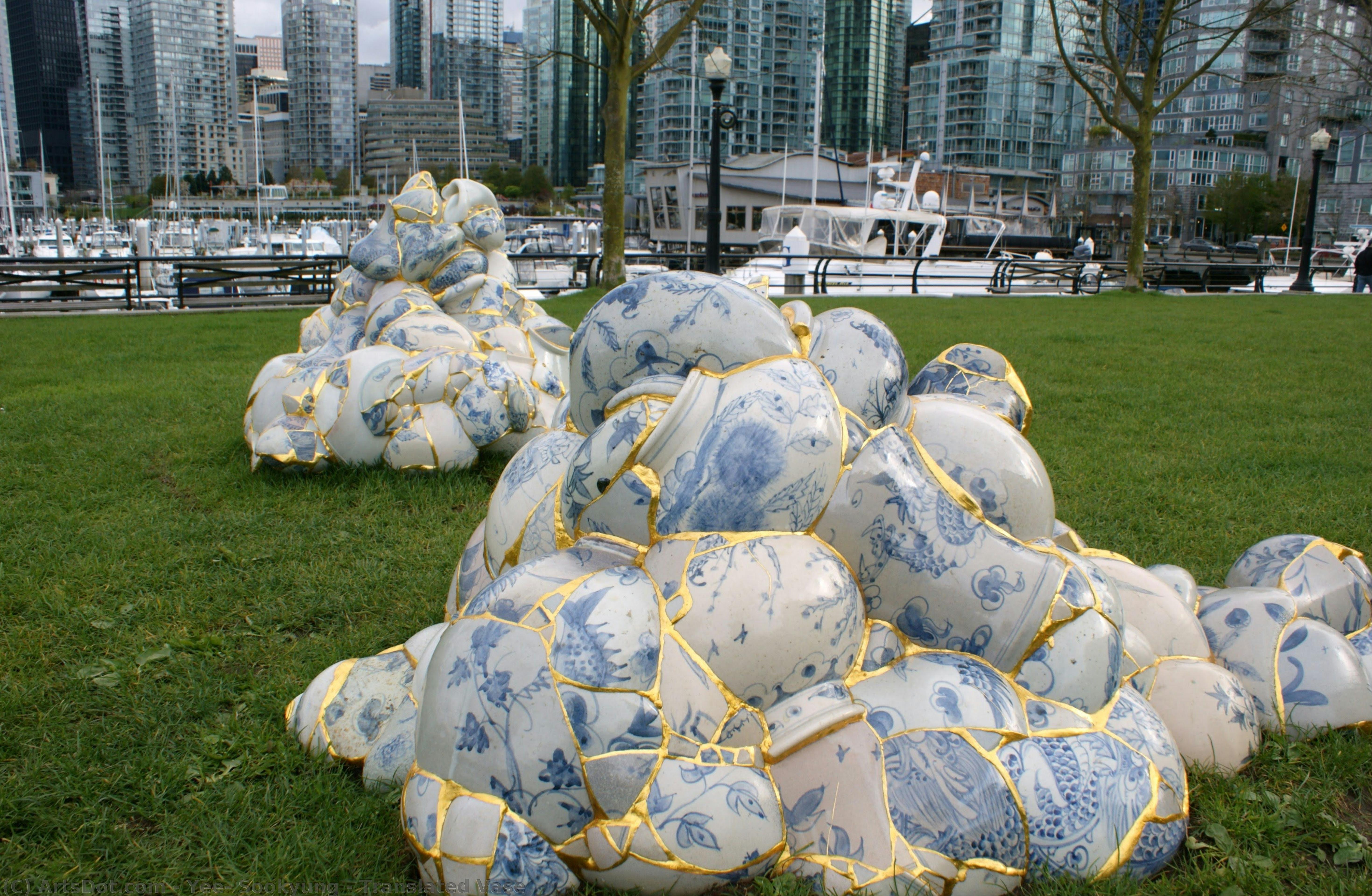
In the quiet intersection of destruction and rebirth lies the profound work of Sookyung Yee, a contemporary visionary whose practice transcends the boundaries of traditional sculpture. Her celebrated series, Translated Vase, serves as a breathtaking meditation on the concept of rupture and the possibility of redemption. At first glance, the viewer is met with a scene that feels both surreal and deeply grounded—a lush, verdant field where various vessels are scattered like forgotten memories. Yet, upon closer inspection, these are not merely decorative objects; they are the survivors of a beautiful catastrophe. Through her meticulous process, Yee takes the shattered remnants of Korean ceramics and reascent them into a new, unified whole, creating a visual language that speaks to the resilience of the human spirit.
The technique employed in Translated Vase is nothing short of alchemical. Drawing inspiration from the ancient tradition of kintsugi—the Japanese art of repairing broken pottery with precious metals—Yee elevates the act of mending to a high art form. She gathers discarded, fractured porcelain and carefully reassembles the shards, filling the jagged gaps with shimmering gold leaf. This deliberate use of gold does not attempt to hide the scars of the past; rather, it illuminates them. The contrast between the delicate, often translucent porcelain and the opulent, radiant gold creates a rhythmic tension that draws the eye across the composition. Each piece becomes a testament to the idea that beauty is not found in perfection, but in the courageous embrace of one's own history and imperfections.
Beyond its physical brilliance, the artwork carries a heavy emotional resonance that makes it an essential piece for collectors and designers seeking depth in their spaces. The symbolism of the "translated" vessel suggests a metamorphosis—a movement from a state of brokenness to a state of heightened existence. For the interior designer, this work offers a sophisticated focal point that balances organic textures with luxurious accents, making it equally at home in a minimalist modern gallery or a richly layered classical study. It invites conversation about memory, heritage, and the cyclical nature of life. To possess a reproduction of such a piece is to invite a sense of contemplative peace into a room, reminding all who gaze upon it that even the most fractured parts of our world can be transformed into something luminous and whole.
Obras Relacionadas


Biografia do Artista
The Alchemy of Fragments: The Art of Yeesookyung
In the delicate intersection where destruction meets rebirth, the work of Yeesookyung resides. Born in Seoul, South Korea, in 1963, the artist has cultivated a visual language that speaks to the profound resilience of the human spirit. Her practice is not merely one of sculpture, but of a deep, meditative alchemy—a process of taking what has been shattered, discarded, or rendered obsolete and breathing into it a new, luminous life. To encounter her work is to witness a silent dialogue between the brokenness of history and the enduring promise of beauty.
Yeesookyung’s artistic journey began within the rigorous academic traditions of Seoul National University, where she studied Western painting in the late 1980s. This foundational period provided her with a mastery of form and color, yet her creative soul remained tethered to the cultural textures of Korea. During her formative years, the influence of the Minjung movement—a socially conscious art movement in Korea that critiqued systemic inequality—left an indelible mark on her consciousness. This early exposure to art as a vehicle for social reflection and collective healing would later evolve into her unique sculptural philosophy, where the personal act of repairing ceramics becomes a metaphor for repairing the societal and psychological ruptures of the past.
The Translated Vase: A Symphony of Gold and Porcelain
The most profound manifestation of Yeesookyung’s vision is found in her celebrated Translated Vase series. In these works, the artist engages in a meticulous, almost ritualistic reconstruction of shattered Korean porcelain. Rather than attempting to hide the cracks or restore the object to its original, seamless state, she embraces the trauma of the break. By utilizing gold leaf to bridge the gaps between ceramic shards, she employs a technique reminiscent of Kintsugi, yet she pushes the concept into a more biomorphic and sculptural realm.
These are not merely repaired vessels; they are transformed entities. The gold does not just mend; it illuminates, turning every fracture into a vein of light. Through this process, the "translated" object carries the memory of its former self while asserting a new, more complex identity. This technique serves as a powerful symbol for the reclamation of grace following loss. In her hands, the debris of the past is elevated to the status of high art, suggesting that true beauty is found not in perfection, but in the courageous integration of our scars.
Biomorphic Forms and Material Memory
Beyond the porcelain fragments, Yeesookyung’s oeuvre explores a fascination with organic, biomorphic shapes that seem to pulse with an internal life. Her sculptures often evoke cellular structures, skeletal remains, or the fluid movements of nature, blurring the line between the inanimate and the living. This exploration of material decay and organic growth allows her to touch upon universal themes of mortality and regeneration.
The significance of her work lies in its ability to bridge the gap between the physical and the metaphysical. Her achievements are marked by a rare ability to make the heavy feel weightless and the broken feel whole. As she continues to manipulate textures—from the smooth glaze of ancient pottery to the shimmering brilliance of precious metals—she invites the viewer into a space of profound reflection. In an era often defined by rapid consumption and disposability, Yeesookyung stands as a vital guardian of memory, reminding us that even in the wake of rupture, there is a path toward redemption and a breathtaking capacity for renewal.

yee, sookyung
1963 - , South Korea
Informações Rápidas
- Artistic Movement Or Style: Biomorphic sculpture
- Date Of Birth: 1963
- Full Name: yee soo-kyung
- Nationality: Korean
- Notable Artworks:
- Translated Vase
- Daily Drawing 100226
- Place Of Birth: Seoul, South Korea
Artigos Relacionados

Golden Glow: How to Use Metallic Gold Artworks to Elevate Your Home Decor with Timeless Luxury
Discover how to elevate your home with the timeless elegance of metallic gold artworks. From sculptural metal pieces to gilded oil paintings, learn expert interior design tips for integrating luxurious gold accents into your space with sophistication and grace.
Ouro na Arte: 10 Pinturas Famosas que Brilham com Folha de Ouro | ArtsDot
Descubra 10 pinturas famosas que usam a folha de ouro para criar beleza e simbolismo atemporal. Explore obras renascentistas, ícones bizantinos e a arte sacra online. Encontre reproduções de alta qualidade em ArtsDot.com!

The Allure of Gold in Art History: Symbolism, Technique & Cultural Significance
Explore the rich history of gold in art! Discover symbolism, techniques & cultural significance from ancient civilizations to Klimt's masterpieces. Expert insights for collectors at ArtsDot.

As 10 Obras-Primas Mais Icônicas com Folha de Prata – ArtsDot.com
Descubra as 10 obras mais emblemáticas com folha de prata! Explore a história, técnica e beleza atemporal de Klimt, arte renascentista e ícones religiosos. Encontre reproduções de alta qualidade para sua decoração em ArtsDot.com.
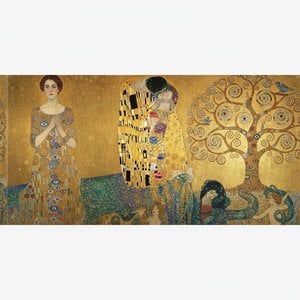
Gustav Klimt: As 25 Obras-Primas que Definem um Ícone da Arte e Decoração
Descubra as 25 obras-primas de Gustav Klimt, ícone da Secession Vienense e do Art Nouveau. Explore a beleza dourada, o simbolismo e a paixão em cada pintura. Encontre reproduções de arte exclusivas para decorar sua casa com elegância na ArtsDot.com!

