


 Visualizar em escala
 Enviar
 Compartilhar
 Ver detalhes
 Guia de Obras do Aluno

 Baixar imagem
 Semelhantes
 Raio X
 Apresentação de slides
 Estatísticas
Sleep


 Ver mais
Giclée / Impressão de Arte
Impressão giclée ou em tela de qualidade de museu, com produção rápida e opções flexíveis de acabamento. ( Encomendar reprodução pintada à mão Ver Imagem Digital)




P118B €10

P118H €10

P118W €10

P438Z €10

P508JH €12

P508YH €12

P805H €10

P805Z €10

P919BZ €10

P919G €10

P919XJ €10

P959ZH €10

P968JZ €12

W106C €8

W218G €10

W218JH €8

W218Y €10

W307PJ €10

W316G €10

W316PJ €8

W316Y €10

W398PJ €8

W4111J €10

W500HY €15

W500JH €15

W692G €12

W849H €8

W940BG €15

W953PJ €8




Escolha entre os nossos tamanhos pré-definidos que respeitam as proporções originais da obra de arte.

Você pode inserir suas próprias dimensões para se ajustar a uma moldura ou espaço específico. Se o tamanho selecionado não corresponder às proporções da imagem original, iremos recortar a obra de arte ou estender a imagem com uma borda espelhada ou preenchimento sólido. Um mockup digital será enviado para sua aprovação antes do início da produção.
Por favor, observe que a visualização na tela não reflete o recorte ou a extensão real. Apenas o mockup mostrará com precisão a composição final.
Embora tamanhos personalizados estejam disponíveis, recomendamos selecionar uma dimensão da lista predefinida para preservar as proporções originais.
Entrega mundial () em 2 semanas, em vez das 4/5 semanas padrão. (13 Outubro)

Envio expresso gratuito para todo o mundo

Tela de Linho Premium

Seguro de transporte total

Garantia de Reembolso de Impostos Alfandegários

Garantia de Fidelidade de Cor

Política de Devolução em 100 Dias (Apenas para Defeitos)

Garantia de reembolso de 100%

Desconto para múltiplas unidades
 A opção de vidro está disponível apenas para tamanhos inferiores a 110 cm

Sleep
Giclée / Impressão de Arte
Dimensões da Reprodução
-


Preço Total
€ 54
The Weight of Tradition: An Encounter with Walter Ufer’s “Sleep”
Walter Ufer's "Sleep," painted in 1923, isn’t merely a depiction of three Native American women; it’s an immersion into a world steeped in ritual and profound reverence. The painting immediately draws the viewer in with its rich tapestry of color – predominantly warm reds, oranges, and browns that evoke the earth itself, grounded by cooler blues and greens woven through the textiles and pottery. This palette isn't simply decorative; it speaks to the cultural heritage of the subjects, hinting at a deep connection to the land and ancestral traditions. The composition is carefully orchestrated, centering on the kneeling woman as a focal point, yet subtly inviting us into the periphery of the scene, suggesting an active participation in this sacred space.
Ufer’s masterful technique reveals layers of painstaking detail. He employs a layered oil painting approach, building up texture with deliberate brushstrokes that create a palpable sense of roughness on the clothing – perhaps representing the wear and tear of daily life intertwined with ceremonial garb – while simultaneously rendering the pottery with smooth, almost polished surfaces. This juxtaposition speaks to the duality inherent in Native American culture: the balance between practicality and spirituality, the tangible and the intangible. The lighting, soft and diffused, isn’t dramatic; it's deliberately muted, casting subtle shadows that lend a sense of solemnity and depth to the figures and objects, as if illuminating a secret whispered within a sacred space.
A Window into Taos: Contextualizing Ufer’s Vision
To fully appreciate “Sleep,” it's crucial to understand its historical context. Painted in 1923, during his time in Taos Pueblo, New Mexico, the artwork represents a pivotal moment in Walter Ufer’s career and his deep engagement with Native American culture. He was part of the "Taos Ten," a group of artists who sought to document and celebrate the lives and traditions of the region's indigenous communities. This wasn’t simply an act of observation; it was a deliberate attempt at understanding and portraying these cultures with respect and authenticity, a rare undertaking for American art at the time.
Ufer’s background as a German-born artist profoundly shaped his approach. His training in Europe instilled a meticulous attention to detail and a sophisticated understanding of composition – elements he skillfully translated into his depictions of Native American life. However, it was his immersion within the Taos community that truly informed his work, allowing him to capture not just appearances but also the spirit and essence of these traditions. The painting’s realism is tempered by an underlying sense of mystery, inviting viewers to contemplate the deeper meanings embedded within the scene.
Symbolism Woven into the Fabric
The details within “Sleep” are laden with symbolic significance. The intricately patterned rug serves as a visual anchor, framing the central figures and providing a rich backdrop that speaks to the importance of storytelling and communal life within Native American culture. The pottery, often adorned with geometric designs and natural motifs, represents both artistic skill and spiritual connection – a tangible link to ancestors and the earth. The women themselves, engaged in what appears to be a ritualistic activity, are not simply subjects; they embody generations of tradition, wisdom, and connection to the divine.
The act depicted—kneeling in reverence—suggests healing or a profound spiritual ceremony. The quiet dignity of the figures, coupled with the muted colors and soft lighting, evokes a sense of solemnity and timelessness. It’s an image that transcends mere representation, offering a glimpse into a world governed by ancient beliefs and deeply rooted traditions.
A Legacy of Authenticity: Reproductions and Beyond
Walter Ufer's "Sleep" remains a powerful testament to the beauty and complexity of Native American culture. ArtsDot offers high-quality, hand-painted reproductions that faithfully capture the painting’s rich detail and evocative atmosphere. These reproductions are more than just images; they are windows into another world—a world of sacred rituals, profound traditions, and enduring wisdom. Investing in a reproduction is an investment in preserving this important piece of American art history and honoring the legacy of Walter Ufer's insightful portrayal.
Perguntas e Respostas
Onde posso encontrar um guia para "Sleep"?
O guia para "Sleep" é a página de Guia da obra — uma ficha informativa imprimível que apresenta a obra com sua legenda, autoria e tabela de identificação (artista, datas, técnica, tamanho original, coleção).
Que harmonia de cores apresenta "Sleep" de Walter Ufer?
A harmonia de cores de "Sleep" é registrada como Discordant Palette.
"Sleep" permaneceu no país de origem do seu artista?
Não – a obra de arte encontra-se no exterior. Walter Ufer nasceu em Alemanha, e o original de "Sleep" encontra-se num museu em Estados Unidos.
Onde posso encontrar estatísticas sobre "Sleep" de Walter Ufer?
As estatísticas sobre "Sleep" de Walter Ufer encontram-se na página de Estatísticas da obra: visitas mensais da obra, visitas às obras do artista e o detalhamento por país e idioma dos visitantes recentes.
Qual museu detém a obra original de "Sleep"?
A obra original "Sleep" de Walter Ufer encontra-se no National Cowboy - Western Heritage Museum, Oklahoma City, Estados Unidos. Uma reprodução permite que a obra seja exibida em sua casa.
Onde "Sleep" se posiciona entre os temas recorrentes de Walter Ufer?
Entre os temas registrados de Walter Ufer — taos ten influence, native american realism, spiritual ceremony focus, cultural preservation theme, westward expansion reflection, ufer's ethnographic interest, documenting indigenous life, key work in artist corpus — "Sleep" traz seu próprio foco em native american culture, ritual ceremony, indigenous art, textile patterns, cultural heritage, portraiture, depth of field, warm color palette.
Como posso descobrir obras de arte semelhantes a "Sleep" de Walter Ufer?
A página Semelhantes de "Sleep" de Walter Ufer apresenta obras relacionadas.
Que atmosfera "Sleep" traria para um ambiente?
A atmosfera Calm de "Sleep" de Walter Ufer combina com o seu espaço recomendado: um(a) Living Room.
Obras Relacionadas


Biografia do Artista
A Alma do Sudoeste: A Vida e o Legado de Walter Ufer
Walter Ufer ergue-se como uma figura fundamental no Impressionismo Americano, um pintor cujas pinceladas fizeram mais do que meramente capturar a luz; elas capturaram o próprio pulsar de uma cultura. Nascido em 1876, em Hückeswagen, na Alemanha, a jornada de Ufer até os desertos elevados do Novo México foi pavimentada por um rigoroso treinamento europeu e uma curiosidade profunda sobre a condição humana. Seus primeiros anos foram moldados pela diáspora germano-americana em Louisville, Kentucky, onde ele começou a absorver as ricas texturas de sua herança. Este período fundacional, marcado por estudos em litografia e gravura, presenteou-o com uma precisão técnica que mais tarde lhe permitiria navegar pelas complexidades da luz e da sombra com uma maestria inigualável.
Sua busca pela excelência artística conduziu-o a uma odisseia transformadora pela Europa. Como um oficial itinerante, Ufer imergiu nas diversas tradições artísticas do continente, refinando sua técnica nas prestigiadas academias de Hamburgo e Dresden. Este período de intensa expansão intelectual e criativa culminou em seu tempo em Munique, onde se dedicou a uma prática intensiva de estúdio. Quando finalmente retornou aos Estados Unidos, em 1911, ele trazia consigo uma sofisticada sensibilidade europeia, pronta para um encontro profundo com as paisagens rústicas e ensolaradas do Oeste Americano.
Um Visionário dos Taos Ten
O ano de 1914 marcou um ponto de virada definitivo na vida de Ufer e na trajetória da arte americana. Ao aventurar-se no Taos Pueblo, no Novo México, ele viu-se parte de uma extraordinária revolução artística. Ao juntar-se ao influente grupo conhecido como o "Taos Ten," Ufer tornou-se uma figura central em um coletivo que buscava ir além da mera pintura de paisagem, em direção a um retrato mais autêntico e visceral da vida nativa americana. Diferente de muitos de seus contemporâneos, que viam o Sudoeste através de uma lente romantizada ou colonial, Ufer abordou seus temas com um respeito profundo e um olhar atento à dignidade da existência cotidiana.
Sua obra tornou-se uma ponte entre as técnicas impressionistas europeias e a energia bruta e espiritual do povo Pueblo. Ele não era apenas um observador, mas um cronista de rituais, paisagens e dos ritmos silenciosos da vida comunitária. Central para esta evolução criativa foi seu relacionamento com Jim Mirabal, um indígena de Taos que serviu tanto como musa quanto como colaborador de Ufer. Através desta conexão, Ufer adquiriu uma compreensão íntima das nuances culturais que definem a região, permitindo-lhe infundir suas telas com um senso de verdade vivida que ressoou muito além das fronteiras do Novo México.
Técnica, Simbolismo e Significância Histórica
A obra de Ufer é caracterizada por um domínio magistral da cor e uma aplicação de tinta audaciosa e expressiva. Seu estilo, embora enraizado nos princípios do Impressionismo Americano, frequentemente inclinava-se para uma abordagem mais robusta e texturizada, que capturava o calor do sol do deserto e o peso da terra. Ele utilizava a luz não apenas para iluminar a forma, mas para evocar emoção — criando cenas onde a atmosfera parece pesada de história e tradição.
A importância histórica de Walter Ufer reside em sua capacidade de elevar a pintura de gênero a um profundo manifesto social e cultural. Suas conquistas incluem:
- Representação Autêntica: Romper com os estereótipos "pitorescos" da vida nativa americana para apresentar um retrato mais matizado e humanizado do povo de Taos.
- Síntese Artística: Fundir com sucesso o treinamento acadêmico formal da Alemanha com o espírito vibrante e desenfreado do Sudoeste Americano.
- Legado dos Taos Ten: Desempenhar um papel crucial no estabelecimento de Taos como um destino primordial para o modernismo americano e um centro vital para a arte focada nos povos indígenas.
Hoje, as pinturas de Ufer permanecem como testemunhos duradouros de um período de intensa intersecção cultural. Sua habilidade de tecer o rigor técnico de sua educação europeia com a profundidade espiritual da cultura Pueblo garante que seu trabalho continue a cativar, convidando os espectadores modernos a testemunhar o espírito atemporal do Vale de Taos através de seus olhos evocativos e magistrais.

Walter Ufer
1876 - 1936 , Alemanha
Informações Rápidas
- Artistas Ou Movimentos Influenciados Por Este Artista: ['']
- Artistas Que Influenciaram Este Artista: ['']
- Data De Falecimento: 1936
- Data De Nascimento: 1876
- Local De Nascimento: Hückeswagen, Alemanha
- Movimento Ou Estilo Artístico: Impressionismo de Taos
- Nacionalidade: Germano-americano
- Nome Completo: Walter Ufer
- Obras De Arte Notáveis:
- Her Daughter
- Builders Of The Desert
- After Them
Artigos Relacionados

The Enduring Legacy of Oil on Canvas: Technique, History & Aesthetic Impact
Explore the rich history & techniques of oil painting – from Renaissance masters to Impressionism. Discover pigments, layering methods, and why this timeless medium endures. Expert insights for artists & art enthusiasts.

Grant Wood & American Regionalism: Identity, Myth & the Rural Landscape
Explore the world of Grant Wood & American Regionalism with ArtsDot. Discover the symbolism behind 'American Gothic', recurring themes, and the movement's lasting impact on art history. High-quality reproductions available.

Realismo Americano: 10 Obras-Primas que Moldaram a Arte e Decoram o Lar
Descubra as 10 obras-primas do Realismo Americano! Explore a história de Hopper, Homer e Cassatt. Encontre reproduções de arte com qualidade museológica para decorar sua casa. Inspire-se em cores vibrantes e atmosferas únicas. Explore a coleção completa na ArtsDot.com.

Alfred Jacob Miller: Chronicling the American West Through Artistic Observation & Narrative
Explore the captivating art of Alfred Jacob Miller, chronicler of the American West. Discover his iconic paintings, techniques & lasting legacy – a valuable addition to any serious collection. Learn more at ArtsDot.
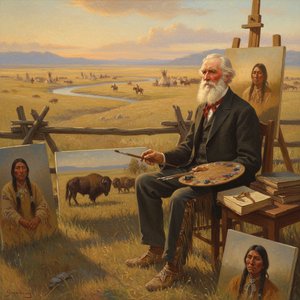
Joseph Henry Sharp: Capturing the Spirit of the Plains – Life, Art & Legacy
Explore the life & art of Joseph Henry Sharp, a founding member of the Taos Society of Artists renowned for his realistic depictions of Native American culture and Western landscapes. Discover his legacy with ArtsDot.