


 Visualizar em escala
 Enviar
 Compartilhar
 Ver detalhes
 Guia
Guia

 Baixar imagem
 Semelhantes
 Raio X
 Apresentação de slides
 Estatísticas
Rural View
 Impressionism
 34.0 x 51.0 cm
 Ver mais
Giclée / Impressão de Arte
Impressão giclée ou em tela de qualidade de museu, com produção rápida e opções flexíveis de acabamento. ( Encomendar reprodução pintada à mão Ver Imagem Digital)




































Escolha entre os nossos tamanhos pré-definidos que respeitam as proporções originais da obra de arte.

Você pode inserir suas próprias dimensões para se ajustar a uma moldura ou espaço específico. Se o tamanho selecionado não corresponder às proporções da imagem original, iremos recortar a obra de arte ou estender a imagem com uma borda espelhada ou preenchimento sólido. Um mockup digital será enviado para sua aprovação antes do início da produção.
Por favor, observe que a visualização na tela não reflete o recorte ou a extensão real. Apenas o mockup mostrará com precisão a composição final.
Embora tamanhos personalizados estejam disponíveis, recomendamos selecionar uma dimensão da lista predefinida para preservar as proporções originais.
Entrega mundial () em 2 semanas, em vez das 4/5 semanas padrão. (25 Setembro)

Envio expresso gratuito para todo o mundo

Tela de Linho Premium

Seguro de transporte total

Garantia de Reembolso de Impostos Alfandegários

Garantia de Fidelidade de Cor

Política de Devolução em 100 Dias (Apenas para Defeitos)

Garantia de reembolso de 100%

Desconto para múltiplas unidades
 A opção de vidro está disponível apenas para tamanhos inferiores a 110 cm

Rural View
Giclée / Impressão de Arte
Dimensões da Reprodução
-


Preço Total
$ 62
Obras Relacionadas


Biografia do Artista
Walter J. Stamps: Capturing Manitoba's Soul Through Color Woodcuts
Walter J. Stamps (born 1930) stands as a pivotal figure in Canadian printmaking history, particularly renowned for his evocative depictions of Manitoba landscapes and prairies. His artistic journey began amidst the burgeoning postwar interest in European Expressionism, influencing his stylistic choices and fostering a deep connection to Japanese woodblock printing techniques—a fascination that would become central to his oeuvre. Stamps’s formative years were spent honing his skills in London, where he studied at Chelsea School of Art, absorbing the lessons of masters like Rembrandt and Cézanne before embarking on a solo artistic path. Early Influences: Stamps's initial explorations encompassed Surrealist aesthetics, mirroring the anxieties of the era but quickly gravitating toward Impressionistic sensibilities—a deliberate rejection of rigid formalism in favor of capturing fleeting moments of light and atmosphere. This formative period instilled within him a sensitivity to emotional nuance and a desire to transcend mere visual representation. The influence of Surrealists like René Magritte encouraged experimentation with unexpected juxtapositions, while the teachings of Cézanne emphasized geometric simplification—a technique that would later inform Stamps’s meticulous linocut process. The Embrace of Japanese Printmaking: Recognizing the profound impact of Hiroshige’s “Thirty-Six Views of Mount Fuji,” Stamps meticulously studied Ukiyo-e prints, mastering the meticulous carving process and experimenting with Prussian blue pigment—a bold innovation that revolutionized Canadian color woodcuts. This fascination stemmed from a deep appreciation for Japanese artistic principles—particularly the concept of *ma*, or negative space—which Stamps skillfully incorporated into his compositions to heighten visual drama and convey subtle emotional undertones. The adoption of Prussian blue, imported from Germany, represented a decisive step toward achieving the luminous atmospheric perspective characteristic of Ukiyo-e prints. Manitoba Landscapes: Stamps's artistic focus solidified in Manitoba, where he established a studio amidst the vast prairies. His prints became synonymous with capturing the region’s rugged beauty—rolling hills bathed in golden sunlight, windswept wheat fields stretching to the horizon, and serene waterways reflecting the sky. He approached this task with unwavering dedication, spending countless hours observing the prairie environment and translating its visual essence onto wooden blocks using linocut techniques. Stamps's prints are not merely representations of Manitoba; they embody a profound understanding of its cultural identity—a testament to his ability to distill the spirit of the prairies into enduring artistic images. Technique and Style: A Dialogue Between Impressionism and Ukiyo-e Stamps’s linocut prints demonstrate exceptional precision, reflecting years of dedicated practice. The resulting textures capture the tactile qualities of prairie grasses and weathered wood surfaces. He prioritized tonal gradations achieved through multiple layers of Prussian blue pigment, meticulously blending colors to emulate the atmospheric perspective characteristic of Japanese prints. This deliberate stylistic choice wasn't merely an homage to Ukiyo-e; it represented a conscious effort to distill the essence of Manitoba’s visual language—a commitment to conveying mood and emotion rather than literal representation. The meticulous carving process demanded patience and unwavering attention to detail, mirroring the exacting standards upheld by Japanese woodblock printers. Stamps’s masterful use of Prussian blue—imported from Germany—transformed Canadian printmaking, establishing a new standard for color depth and luminosity. This pigment’s ability to produce rich blues was instrumental in achieving the atmospheric effects sought by Stamps. Notable Achievements and Legacy: Defining Manitoba's Artistic Identity Stamps achieved considerable acclaim throughout his career, securing commissions from prominent Canadian institutions—including the Winnipeg Art Gallery and Alberta Arts Council—and exhibiting extensively across North America. His prints became integral to documenting Manitoba’s cultural heritage and celebrating its natural splendor. Stamps’s enduring legacy resides in his contribution to establishing Manitoba as a center for color woodcut art—a distinction that continues to resonate within Canadian artistic discourse. He received substantial support from Alberta Arts Council, furthering his artistic endeavors and amplifying his influence on prairie art. His prints graced the walls of prestigious galleries nationwide, showcasing his mastery and cementing his reputation as one of Canada’s foremost printmakers. Stamps remains an exemplar of Canadian artistic excellence, ensuring that his distinctive prints endure as symbols of Manitoba’s beauty and enduring legacy.
Walter J. Stamps
Canadá
Informações Rápidas
- Artistic Movement Or Style: Impressionismo Japonês
- Artists Who Influenced This Artist:
- Hiroshi Yoshida
- Albert Bierstadt
- Date Of Birth: 1884-10-25
- Full Name: Walter J Stamps
- Nationality: Canadá
- Notable Artworks:
- Rural View
- View of St Mary's Street Looking towards the Church
- Farmyard Scene
- Place Of Birth: Alberta, Canadá
Artigos Relacionados

Beyond the Horizon: A Curated Guide to Integrating Post-Impressionist Landscapes into Modern Interiors
Transform your home with the emotive power of Post-Impressionist landscapes. Discover expert tips on selecting hand-painted oil reproductions to create a soulful, vibrant interior that reflects your unique style and connection to nature.

Os 10 Mestres do Impressionismo e a Paisagem que Mudou a Arte | ArtsDot
Descubra os 10 quadros impressionistas que revolucionaram a arte! Explore Monet, Renoir e outros mestres da paisagem francesa. Encontre reproduções de alta qualidade para decorar sua casa com beleza e história em ArtsDot.com.
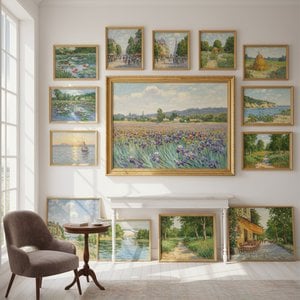
Paisagens Impressionistas Icônicas: 10 Obras que Mudaram a Arte | ArtsDot
Descubra as 10 obras impressionistas que revolucionaram a arte! Explore Monet, Renoir e outros mestres da paisagem. Encontre reproduções de alta qualidade para decorar sua casa com a beleza do Impressionismo em ArtsDot.com.

John Constable: As 25 Obras-Primas que Definem o Mestre da Paisagem Inglesa | ArtsDot
Descubra as 25 obras-primas de John Constable, o mestre da paisagem inglesa! Explore a arte romântica, cores vibrantes e histórias fascinantes por trás de 'Hay Wain' e outras pinturas icônicas. Encontre reproduções de alta qualidade para decorar sua casa com ArtsDot.com.

George Agnew Reid: A Canadian Impressionist's Pursuit of Light, Colour, and National Identity
Explore the life & work of George Agnew Reid, a pivotal figure in Canadian Impressionism. Discover his genre paintings, mural commissions, and lasting influence on art education & national identity. A comprehensive guide for collectors & enthusiasts.