


 Visualizar em escala
 Enviar
 Compartilhar
 Ver detalhes
 Guia de Obras do Aluno

 Baixar imagem
 Semelhantes
 Raio X
 Apresentação de slides
 Estatísticas
Reginald Blunt

 Ver mais
Reprodução em Óleo Feita à Mão
Óleo sobre tela pintado à mão no tamanho e moldura de sua escolha, feito sob encomenda pelos nossos artistas. ( Alternar para Impressão Ver Imagem Digital)




































Escolha entre os nossos tamanhos pré-definidos que respeitam as proporções originais da obra de arte.

Digite a largura e a altura de que necessita, para se ajustar à sua moldura ou à sua parede. Esta obra é pintada à mão, por isso, para um tamanho com uma proporção diferente, o artista pode pintar um pouco mais ao redor da imagem ou cortar um pouco — você escolhe. Enviamos-lhe uma maquete digital para aprovação antes de a pintura começar. A imagem exibida nesta página não mostra o resultado real — apenas a maquete mostra.
Após o pedido, a equipa ArtsDot.com enviará um e-mail ao cliente para solicitar instruções e fornecer uma prévia do esboço.
Entrega mundial () em 3 a 4 semanas, em vez das 5 semanas padrão. (23 Outubro). Sem comprometer a qualidade.

Envio expresso gratuito para todo o mundo

Tela de Linho Premium

Seguro de transporte total

Garantia de Reembolso de Impostos Alfandegários

Garantia de Fidelidade de Cor

Política de Devolução em 100 Dias (Apenas para Defeitos)

Garantia de reembolso de 100%

Desconto para múltiplas unidades
 A opção de vidro está disponível apenas para tamanhos inferiores a 110 cm

Reginald Blunt
Técnica de Reprodução
Dimensões da Reprodução
-


Preço Total
€ 231
Obras Relacionadas


Biografia do Artista
A Brilhante Serenidade do Pintor do Tâmisa
Para compreender a alma de Walter Greaves, é preciso primeiro entender o pulso rítmico do Rio Tâmisa durante o século XIX. Nascido em 1846 no coração industrial de Londres, Greaves não era meramente um observador das águas; ele era um produto delas. Como filho de Charles William Greaves, um construtor de barcos em Chelsea e barqueiro, sua infância foi imersa nas visões, sons e texturas dos docas movimentadas. Essa imersão precoce proporcionou-lhe uma conexão única e visceral com o caráter do rio — uma perspectiva que mais tarde transformaria suas telas em crônentes vivas da vida marítima de Londres. Seus anos formativos foram passados entre a madeira e o alcatrão do ofício de seu pai, uma criação que lhe instilou um profundo respeito pelo artesanato meticuloso e um olhar atento às sutis mudanças de luz e atmosfera que definem a margem do rio.
A trajetória da arte de Greaves foi profundamente moldada por encontros casuais com os gigantes da arte britânica. Em sua juventude, ele adquiriu experiência prática como carpinteiro naval e barqueiro, um papel que o colocou na órbita do lendário J.M.W. Turner. Embora não fosse um aprendiz formal, a experiência de transportar passageiros — e testemunhar os próprios esboços rápidos e atmosféricos de Turner a partir da água — deixou uma marca indelével em sua linguagem visual. De Turner, Greaves herdou uma fascinação pelas qualidades efêmeras da luz e do clima, aprendendo a capturar a essência fugaz de uma manhã coberta por névoa ou de uma tarde ensolarada no Tâmisa. Essa base de observação atmosférica tornaria-se o alicerce de seu realismo posterior, mais estruturado.
Uma Parceria de Luz e Linha
À medida que Greaves amadurecia, seu círculo artístico expandiu-se para incluir uma das figuras mais influentes da época: James McNeill Whistler. O encontro deles em 1863 acendeu uma amizade vitalícia e uma parceria artística transformadora. Onde Turner fornecia a inspiração atmosférica, Whistler oferecia uma nova forma de ver através da lente do Esteticismo. Sob a mentoria de Whistler, Greaves começou a experimentar paletas de cores mais ousadas e estruturas composicionentes inovadoras. Este período viu Greaves ir além da mera documentação topográfica em direção a uma exploração mais matizada do humor urbano e da harmonia tonal. Juntos, eles percorreram a paisagem do Tâmisa, capturando as marés mutáveis tanto do rio quanto da própria cidade.
O brilho do talento de Greaves foi talvez mais surpreendentemente evidente em suas conquistas precoces. Aos doze anos de idade, ele produziu “Hammersmith Bridge on Boat-Race Day,” uma obra que permanece como um marco na história da arte britânica. Esta peça, frequentemente celebrada por seu charme ingênuo, revela uma habilidade prodigiosa em renderizar a energia humana e a escala arquitetônica com uma precisão notável. Serve como um testemunho de um jovem artista capaz de capturar o puro entusiasmo dos espetáculos sociais de Londres através de uma lente de observação profunda. Através de seu trabalho, o rio nunca foi apenas um cenário; era um protagonista, sujeito às mesmas mudanças dramáticas de emoção e luz que as pessoas que viviam em suas margens.
O Legado do Realista Vitoriano
Ao longo de uma carreira que abrangeu mais de cinco décadas, Greaves manteve uma dedicação inabalável à paisagem social de sua amada Londres. Sua obra é caracterizada por uma bela tensão entre o detalhe meticuloso e a atmosfera impressionista. Quer estivesse retratando a realidade crua de “Unloading The Barge, Lindsey Wharf” ou as qualidades nebulosas e oníricas de “Lindsay Wharf, Chelsea,” seu trabalho buscava consistentemente honrar a dignidade do trabalho e a beleza silenciosa do Tâmisa industrial. Sua capacidade de fundir o realismo de um desenhista topográfico com as texturas evocativas de um gravador permitiu-lhe documentar uma era desaparecida da vida londrina.
A importância histórica de Walter Greaves reside em seu papel como um cronista vital da paisagem social vitoriana. Embora nomes como Whistler e Turner frequentemente dominem a narrativa histórica, Greaves forneceu o tecido conectivo essencial entre o grande romantismo do passado e o realismo emergente da era moderna. Suas pinturas permanecem janelas evocativas para um mundo de escritórios de carvão, cais movimentados e o espírito duradouro do rio. Hoje, seu trabalho permanece como um tributo ao poder da observação e ao fascínio eterno do Tâmisa, lembrando-nos de que o verdadeiro brilho artístico muitas vezes reside no registro silencioso e fiel do mundo ao nosso redor.

Walter Greaves
1846 - 1930 , Reino Unido
Informações Rápidas
- Artistas Ou Movimentos Influenciados Por Este Artista: ['Whistler']
- Artistas Que Influenciaram Este Artista: ['James McNeill Whistler']
- Data De Falecimento: 28 de novembro de 1930
- Data De Nascimento: 4 de julho de 1846
- Local De Nascimento: Londres, Reino Unido
- Movimento Ou Estilo Artístico: Arte Naif
- Nacionalidade: Britânico
- Nome Completo: Walter Greaves
- Obras De Arte Notáveis:
- Hammersmith Bridge on Boat-Race Day
- Lindsay Wharf, Chelsea
- Unloading The Barge
Artigos Relacionados

Walter Greaves: A Study in Victorian Realism & the Social Landscape of British Art
Explore the life & work of Walter Greaves, a key Victorian realist painter influenced by Whistler. Discover his London streetscapes, portraits, and enduring legacy. Learn about art appraisal & reproduction options at ArtsDot.
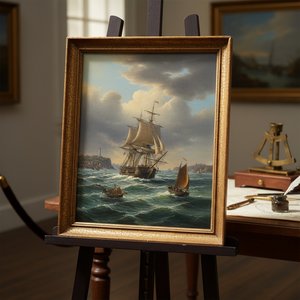
Samuel Walters: Capturing Victorian Maritime Life with Precision & Artistry
Explore the exquisite maritime paintings of Samuel Walters (1811-1882). Discover his mastery of detail, historical scenes & influence on Victorian art. Learn about collecting his works and find high-quality reproductions at ArtsDot.

Oil on Canvas: A Historical & Technical Exploration of a Timeless Artistic Medium
Explore the rich history & enduring techniques of oil painting on canvas. Discover the science behind its longevity, conservation practices, and contemporary relevance. Expert insights for art enthusiasts.

The Enduring Legacy of Oil on Canvas: Technique, History & Aesthetic Impact
Explore the rich history & techniques of oil painting – from Renaissance masters to Impressionism. Discover pigments, layering methods, and why this timeless medium endures. Expert insights for artists & art enthusiasts.

The Enduring Power of Painting: A Historical & Contemporary Exploration of Form and Emotion
Explore the rich history & enduring techniques of oil painting with ArtsDot. Discover masterpieces, learn about art collecting, and find authentic handmade reproductions crafted by skilled artists.