


A imagem segue as suas escolhas: , .
Descrição do Item
Discover 'Warrior,' a striking ukiyo-e style woodblock print by Tsukioka Yoshitoshi. Vibrant colors, dynamic pose, and rich Japanese symbolism make this legendary warrior artwork a perfect collectible for art enthusiasts.
 Ler mais
Biografia do Artista
Tsukioka Yoshitoshi (1839-1892): Último mestre do ukiyo-e, famoso por cenas dramáticas e arte inovadora refletindo a turbulenta transição do Japão. Explore suas estampas de guerreiros e seu legado.
Reprodução em Óleo Feita à Mão
Óleo sobre tela pintado à mão no tamanho e moldura de sua escolha, feito sob encomenda pelos nossos artistas. ( Alternar para Impressão Alternar para Imagem Digital)
Saiba mais sobre esta pintura
 Visualizar na parede
 Compartilhar
 Compartilhar
 Detalhes
 Guia
Guia

 Baixar imagem
 Semelhantes
 Raio X
 Ver diaporama
 Perguntas e Respostas
 Estatísticas
Encomende a sua pintura em quatro passos simples
Não tenha pressa. Você pode alterar qualquer resposta; o preço no seu carrinho de compras será atualizado conforme cada escolha.
1 Passo um de quatro
Qual tamanho você gostaria?
Estes tamanhos mantêm as proporções da pintura original. A ilustração mostra a sua escolha numa parede, acima de um sofá de dois metros.
Ou informe suas próprias medidas
Escolha entre os nossos tamanhos pré-definidos que respeitam as proporções originais da obra de arte.

Insira a largura e a altura desejadas para se ajustarem à sua moldura ou parede. Como esta obra é pintada à mão, para um tamanho com proporções diferentes, o artista poderá pintar um pouco mais ao redor da imagem ou reduzir ligeiramente a composição — você escolhe. Enviamos uma maquete digital para sua aprovação antes de iniciar a pintura. A imagem exibida nesta página não representa o resultado real — apenas a maquete mostra o resultado final.
2 Passo dois de quatro
Como deve ser preparado: enrolado, esticado ou emoldurado?
Os preços abaixo referem-se ao tamanho escolhido na primeira etapa.
Escolha as bordas da tela esticada
Escolha sua moldura

Branco €1

Bordas esfumaçadas €1

Bordas estendidas €1

P118B €10

P118H €10

P118W €10

P438Z €10

P508JH €12

P508YH €12

P805H €10

P805Z €10

P919BZ €10

P919G €10

P919XJ €10

P959ZH €10

P968JZ €12

W106C €8

W218G €10

W218JH €8

W218Y €10

W307PJ €10

W316G €10

W316PJ €8

W316Y €10

W398PJ €8

W4111J €10

W500HY €15

W500JH €15

W692G €12

W849H €8

W940BG €15

W953PJ €8

H24-GOLD €30

H24-SILVER €30

H36-GOLD €45

H36-SILVER €45
Com moldura
Moldura: . Dimensões totais com a moldura: .
3 Passo três de quatro
Gostaria de alterar algo na pintura?
A maioria das pessoas responde que não. Como cada pintura é feita à mão, nosso artista também pode adaptá-la para você.
Após o pedido, a equipe da ArtsDot.com enviará um e-mail ao cliente para instruções e fornecerá uma prévia da montagem
4 Passo quatro de quatro
Algumas opções de acabamento
Todos eles são opcionais. As respostas já selecionadas não têm custo adicional.
Quem o pintou?
Entrega mundial () em 3 a 4 semanas, em vez das 5 semanas padrão. (10 Novembro). Sem comprometer a qualidade.
Uma placa de identificação, como em um museu?
Detalhes da Placa de Bronze Gravada
This elegant plaque features the artist's name and the title of the artwork, finely engraved for a timeless presentation.
It is made from bronze with a refined, elegant finish. The text is precisely laser-engraved for a sharp and permanent result. Measuring 9x2 cm, the plaque is compact yet easy to read. It's built to be durable and scratch-resistant, offering a professional, museum-quality look. Mounting is simple thanks to the included adhesive backing.
Detalhes da Placa de Acrílico Transparente
The plaque includes essential engraved details such as the artist's name, the title of the artwork, the date it was created, the type of media used-like oil on canvas or watercolor-a brief description of the piece, and a QR code that links to the complete artwork information.
It is crafted from clear acrylic, offering a sleek, modern appearance. The text is UV-engraved in black to ensure strong visual contrast. With a size of 10x15 cm, it ensures optimal readability. It comes equipped with two metal hooks for secure wall mounting. The plaque is designed to be weather-resistant, making it suitable for various environments, and it includes interactive features that work seamlessly with smartphone scanning.
Detalhes da Placa de Acrílico Preto
This elegant plaque includes engraved information such as the artist's name, the title of the artwork, the date it was created, the type of media used (like oil on canvas or watercolor), a short description of the artwork, and a QR code for quick access to more information.
The plaque itself is made from refined black acrylic with a premium finish. The text is laser-engraved in white for high contrast and readability. Its size is 10x15 cm, designed to be easy to read. It comes with two metal hooks for professional mounting. The design is sleek and fits any interior style. It is also weather-resistant and durable, with built-in digital integration for mobile compatibility.
Um verniz protetor?
Para quando você precisa?
✓ Verifique e peça
A sua pintura, conforme encomendada

Warrior
Técnica de Reprodução
Tamanho da Reprodução
-

Artista Sênior de Elite
Mais detalhes, refinamento e tempo de produção adicional
-

Moldura para Reprodução
-
-
Para obras de arte ou reproduções com mais de 105 cm (aproximadamente 41 polegadas) em qualquer um dos lados, a moldura será enviada como um kit desmontado. Este método garante uma entrega segura e evita danos durante o transporte.
Montagem profissional necessária — este não é um produto DIY (faça você mesmo).
O kit deve ser montado e a tela esticada por um profissional de molduraria experiente, utilizando cola de madeira (não inclusa), um alicate de esticar tela e grampos para manter as travessas alinhadas enquanto a cola seca. A montagem incorreta ou a tensão desigual da tela podem danificar permanentemente a obra de arte e não estão cobertas pela nossa garantia.
 Para obras de arte ou reproduções com mais de 105 cm (aproximadamente 41 polegadas) em qualquer um dos lados, a moldura será enviada como um kit desmontado. Este método garante uma entrega segura e evita danos durante o transporte.
Todas as barras de madeira maciça estão incluídas, precisamente cortadas ao tamanho certo.
Montado com os parafusos fornecidos, além de cola para madeira para as junções dos cantos, que não está inclusa e deve ser providenciada pelo seu moldurista.
São necessárias ferramentas profissionais não incluídas: um alicate de estiramento de tela (esticador) e grampos para manter as ripas alinhadas enquanto a cola seca.
Importante:
As junções dos cantos requerem cola para madeira, as ripas devem ser mantidas com grampos até que a cola esteja completamente seca, e o estiramento da tela na moldura montada requer um alicate de esticar tela. Nenhum destes itens está incluído no kit. Por favor, certifique-se de contar com um profissional de molduraria experiente antes de encomendar este tamanho.

Etiqueta de identificação
-
-

Verniz de Proteção
Verniz brilhante (realça as cores e protege contra a luz e a umidade)
-

Personalizar minha obra
Exemplos de alterações possíveis: Substituir o rosto por uma foto do cliente; Adicionar um animal de estimação (ex.: substituir gato por cachorro); Incluir uma mensagem oculta no fundo; Alterar a paisagem ou os elementos do fundo.
-

Urgente
Entrega mundial () em 3 a 4 semanas, em vez das 5 semanas padrão. (10 Novembro). Sem comprometer a qualidade.
-
Envio Expresso
Entrega mundial para em 5 semanas. (17 Novembro).
Com envio incluído
Preço Total
€ 235
A opção de vidro está disponível apenas para tamanhos inferiores a 110 cm
Incluído em todos os pedidos
- Envio expresso gratuito para todo o mundo
- Tela de Linho de Alta Qualidade
- Seguro de transporte completo
- Garantia de Reembolso de Impostos Alfandegários
- Garantia de Fidelidade Cromática
- Política de Devolução em 100 Dias (Apenas para Defeitos)
- Garantia de reembolso de 100%
- Oferta de desconto por quantidade


Dynamic Subject and Cultural Significance
This captivating artwork vividly captures the essence of a formidable Japanese warrior, embodying strength, courage, and resilience. The figure’s powerful stance and intense expression evoke a sense of determination and readiness, reflecting the valor and honor deeply rooted in Japan’s samurai tradition. The scene may depict a legendary or mythic hero, emphasizing themes of bravery and martial prowess that resonate across centuries of Japanese history. Rich in cultural symbolism, the warrior’s attire, armor, and weaponry evoke a storied past, inviting viewers to explore the legendary narratives and moral virtues associated with Japan’s warrior class.Artistic Style and Technique
Created in the distinctive ukiyo-e style, this piece showcases the masterful craftsmanship characteristic of traditional Japanese woodblock printing. The artwork features bold, clean lines and flat, vibrant color blocks that define the contours and details of the figure and surrounding elements. The restrained yet expressive palette—dominated by greens, reds, and blues—enhances the visual impact while maintaining harmony. The technique emphasizes clarity and precision, with minimal shading and a focus on stylized forms that convey movement and emotion. The textured surface and crisp outlines exemplify the meticulous craftsmanship of Japanese printmaking, making this piece a timeless example of ukiyo-e artistry.Historical Context and Artistic Legacy
Produced during a period of profound cultural transition in Japan, this artwork reflects the enduring legacy of ukiyo-e as a medium for storytelling and national identity. The late Edo and early Meiji eras saw artists like Yoshitoshi pushing the boundaries of traditional printmaking, blending historical themes with innovative compositions. This piece embodies the spirit of that era—balancing reverence for tradition with a desire to capture the dynamism of Japanese history and mythology. As a work by Tsukioka Yoshitoshi, one of the last great masters of ukiyo-e, it also symbolizes the resilience of Japanese artistic heritage amid rapid modernization.Symbolism and Emotional Impact
Beyond its visual appeal, this artwork is rich with symbolism. The warrior’s fierce expression and poised stance evoke a sense of unwavering resolve, inspiring feelings of empowerment and admiration. The surrounding landscape and symbolic motifs subtly reinforce themes of vitality, honor, and the eternal struggle between good and evil. The bold lines and vivid colors evoke a sense of energy and immediacy, making the viewer feel connected to the intense emotions and heroic ideals represented. Whether displayed in a private collection or a sophisticated interior, this piece offers a powerful visual narrative that elevates any space with its historical depth and emotional resonance.A Timeless Addition to Any Collection or Interior
Perfect for art lovers, collectors, and interior designers seeking a high-quality reproduction, this artwork offers a rare glimpse into Japan’s rich artistic and cultural history. Its striking composition and profound symbolism make it an ideal centerpiece for a gallery wall, study, or elegant living space. As a testament to the enduring beauty of traditional Japanese art, this piece not only enhances aesthetic appeal but also invites reflection on themes of heroism, tradition, and cultural identity. Invest in a timeless masterpiece that bridges history and artistry, inspiring admiration and conversation for generations to come.Perguntas e Respostas
Quantas pessoas visualizam "Warrior"?
A página Estatísticas de "Warrior", de Tsukioka Yoshitoshi apresenta estatísticas de visitas públicas: o número de visitas mensais desta obra, uma comparação com as obras mais visualizadas do artista e a origem dos seus visitantes.
Qual cor predomina na composição de "Warrior", de Tsukioka Yoshitoshi?
A cor dominante de "Warrior", de Tsukioka Yoshitoshi é Espresso (#41492c).
Qual é o formato de "Warrior"?
O formato de "Warrior" é Portrait. Esta informação é útil ao planejar onde uma reprodução será colocada.
Obras Relacionadas


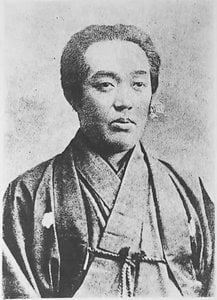
Tsukioka Yoshitoshi
1839 - 1892, Japão
Biografia do Artista
A Life Etched in Ink and Wood: The World of Tsukioka Yoshitoshi
Tsukioka Yoshitoshi, born Owariya Yonejiro in 1839 amidst the bustling streets of Edo (modern Tokyo), stands as a monumental figure in the history of Japanese art. He is widely celebrated as the last great master of *ukiyo-e*, the “pictures of the floating world,” yet to define him solely by this title feels insufficient. Yoshitoshi wasn’t merely a preserver of tradition; he was an innovator, a visual storyteller who fearlessly captured the tumultuous spirit of a Japan undergoing radical transformation. His life unfolded against a backdrop of societal upheaval – the waning years of the Tokugawa shogunate, the Meiji Restoration, and the rapid influx of Western ideas – all profoundly shaping his artistic vision. From humble beginnings as the son of a merchant elevated to samurai status, Yoshitoshi’s path led him into an apprenticeship with Utagawa Kuniyoshi, a master whose influence would be indelible. This formative period instilled in him not only technical skill but also a deep appreciation for narrative and dynamic composition.From Apprenticeship to Artistic Independence
Yoshitoshi's early years were steeped in the rigorous discipline of *ukiyo-e* training under Kuniyoshi. He absorbed his master’s techniques, honing his draftsmanship and learning to translate stories into compelling visual form. However, Yoshitoshi quickly began to forge his own path. While initially working within established conventions, he soon demonstrated a willingness to push boundaries, particularly in his depictions of violence and death. These weren't gratuitous displays but rather reflections of the era’s unrest and personal tragedies – the loss of both his father and Kuniyoshi deeply impacted his artistic direction. The mid-1860s saw Yoshitoshi gaining recognition for what became known as his “bloody prints,” a series characterized by graphic imagery and dramatic intensity. Series like *Eimei nijûhasshûku* (Twenty-Eight Famous Murders with Verse) shocked and captivated audiences, showcasing scenes of brutal killings rendered with startling realism. This willingness to confront dark themes set him apart from many of his contemporaries. He experimented with different series and subjects, including the popular *Tsūzoku saiyūki* (“A Modern Journey to the West”) and *Wakan hyaku monogatari* (“One Hundred Stories of China and Japan”), demonstrating a versatility that further cemented his reputation.Innovation in a Changing World
Yoshitoshi’s genius lay not only in his subject matter but also in his artistic technique. He masterfully blended traditional Japanese aesthetics with Western influences, incorporating elements of perspective and composition gleaned from imported prints and engravings. This fusion created a unique visual language that was both distinctly Japanese and strikingly modern. As Japan embraced modernization, new technologies like photography and lithography threatened the very existence of *ukiyo-e*. Yoshitoshi recognized this challenge and responded by elevating his craft to unprecedented levels of artistry. He experimented with color palettes, refined his carving techniques, and pushed the boundaries of narrative storytelling within the woodblock medium. His series *Musha Burui* (Warrior Prints) exemplifies this dedication – each print a dynamic explosion of action and emotion, showcasing his skill in portraying heroic figures and dramatic battles. He understood that to survive, *ukiyo-e* had to evolve, and he dedicated himself to ensuring its continued relevance.Legacy and Enduring Influence
Yoshitoshi’s life was a struggle against time, a valiant effort to safeguard a cherished artistic tradition in the face of overwhelming change. He succeeded not only in preserving *ukiyo-e* but also in transforming it, leaving behind a body of work that continues to captivate and inspire. Despite facing immense challenges – financial hardship, personal struggles, and the decline of traditional art forms – Yoshitoshi remained steadfast in his commitment to *ukiyo-e*. He worked tirelessly until his death in 1892, leaving behind a vast body of work that continues to be studied and admired by collectors and scholars worldwide. His prints are more than just beautiful objects; they are windows into a bygone era, powerful expressions of human emotion, and enduring symbols of artistic excellence.A Final Flourish: Yoshitoshi’s Lasting Impact
- Preservation of Tradition: In a rapidly modernizing Japan, Yoshitoshi championed traditional woodblock printing techniques.
- Artistic Innovation: He seamlessly blended Japanese aesthetics with Western influences, creating a unique and dynamic style.
- Narrative Power: His prints are renowned for their compelling storytelling and dramatic intensity.
- Historical Documentation: Yoshitoshi’s work provides valuable insights into the social, political, and cultural landscape of 19th-century Japan.
- A testament to his enduring legacy is the continued appreciation for his artistry by collectors and art enthusiasts worldwide.


Artigos Relacionados

Ukiyo-e: Exploring Japan's Floating World & Enduring Artistic Legacy
Explore the captivating world of Ukiyo-e – Japan's iconic woodblock prints! Discover masters like Hokusai & Hiroshige, learn about Edo period culture, and find expert art collecting guidance at ArtsDot.

Japonisme: How Japanese Woodblock Prints Revolutionized Western Art
Explore the profound impact of Japonisme on Western art. Discover how Japanese ukiyo-e woodblock prints revolutionized perspective, color, and composition for masters like Monet and Van Gogh, forever changing the course of modern art history.

Tsukioka Yoshitoshi: A Master of Ukiyo-e's Final Flourish – Narrative, Innovation, and the Meiji Transition
Explore the life & art of Tsukioka Yoshitoshi, the last great master of ukiyo-e woodblock printing. Discover his dramatic warrior prints, innovative series like 'One Hundred Aspects of the Moon,' and legacy reflecting Japan's Meiji transition.