
- Início

- Reprodução de Pintura a Óleo
- Thomas Gainsborough
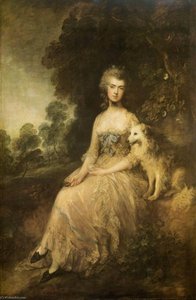
- Letitia Leigh

 Comprar impressão Comprar imagem em alta resolução
 Enviar
 Compartilhar
 Details
 Adicionar aos favoritos

 Baixar
 Semelhantes
 X-Ray
X-Ray
 Slideshow
Letitia Leigh
 Acrílico sobre tela
- Arte de Parede
- Romantic Landscape
 1771
1771 76.0 x 63.0 cm
 Hatchlands Park
 Ver mais
Reprodução em Óleo Feita à Mão
Óleo sobre tela pintado à mão no seu tamanho e moldura, feito sob encomenda pelos nossos artistas.




P118B $10

P118H $10

P118W $10

P438Z $10

P508JH $12

P508YH $12

P805H $10

P805Z $10

P919BZ $10

P919G $10

P919XJ $10

P959ZH $10

P968JZ $12

W106C $8

W218G $10

W218JH $8

W218Y $10

W307PJ $10

W316G $10

W316PJ $8

W316Y $10

W398PJ $8

W4111J $10

W500HY $15

W500JH $15

W692G $12

W849H $8

W940BG $15

W953PJ $8




Escolha entre os nossos tamanhos pré-definidos que respeitam as proporções originais da obra de arte.

Pode inserir as suas próprias dimensões para se adequar a uma moldura ou espaço específico. Se o tamanho selecionado não corresponder às proporções da imagem original, iremos cortar a obra de arte ou estender a pintura com elementos adicionais pintados à mão. Um esboço digital será enviado para sua aprovação antes do início da produção.
Tenha em atenção que a pré-visualização no ecrã não reflete o corte ou extensão real. Apenas o esboço mostrará com precisão a composição final.
Embora tamanhos personalizados estejam disponíveis, recomendamos selecionar uma dimensão da lista predefinida para preservar as proporções originais.
Após o pedido, a equipa ArtsDot.com enviará um e-mail ao cliente para solicitar instruções e fornecer uma prévia do esboço.
Entrega Mundial () em 3 a 4 semanas, em vez das 5 semanas padrão. (2 Julho). Sem comprometer a qualidade.

Envio Expresso Gratuito para todo o Mundo

Tela de Linho Premium

Seguro de envio completo

Garantia de Reembolso de Impostos Alfandegários

Garantia de Fidelidade de Cores

Política de Devolução de 60 Dias (Apenas para Defeitos)

Garantia de 100% de Reembolso

Desconto para múltiplas unidades
 A opção de vidro está disponível apenas para tamanhos inferiores a 110 cm

Letitia Leigh
Técnica de Reprodução
Dimensões da Reprodução
-


Preço Total Final
-
Descrição da Obra
Uma Elegância Rural Refletida em Óleo Sobre Tela: Letitia Leigh de Gainsborough
Thomas Gainsborough, um nome que ressoa com beleza e tranquilidade na história da pintura inglesa do século XVIII, não apenas capturou imagens deslumbrantes da paisagem britânica, mas também criou obras que carregam consigo uma profunda carga emocional. Sua tela "Letitia Leigh", pintada em 1768/1771, é um exemplo perfeito dessa maestria artística e oferece um vislumbre fascinante do espírito da época. Esta obra monumental, atualmente alojada no Hatchlands Park em Guildford, Reino Unido, permanece como um testemunho da habilidade de Gainsborough em transmitir uma sensação de serenidade e refinamento.- O Sujeito: A pintura apresenta Letitia Leigh Balfour, esposa de um importante membro da aristocracia inglesa, retratada com uma postura elegante e olhar direto para o espectador. Sua expressão transmite calma e dignidade, elementos que são típicos do estilo neoclássico dominante na época.
- Estilo: Gainsborough empregou o estilo neoclássico, caracterizado pela busca por equilíbrio entre razão e emoção, influenciado pelas ideias iluministas francesas. Essa abordagem estética enfatiza a beleza natural e a composição harmoniosa, buscando uma representação idealizada da figura humana em relação ao ambiente externo.
- Técnica: A pintura é executada em óleo sobre tela utilizando uma técnica meticulosa que permite obter efeitos de luz suaves e sombras delicadas. Gainsborough dominava o uso da perspectiva atmosférica, criando uma sensação de profundidade e espaço realista que convida o olhar do observador para dentro da cena.
Contexto Histórico e Influências Culturais
A obra surge em um período marcado pela ascensão da burguesia e pelo interesse crescente pela ciência e pela filosofia, refletindo as preocupações da época com a razão e o conhecimento. Gainsborough estava profundamente influenciado pelas obras de artistas como Rembrandt e Nicolas Poussin, que buscavam transmitir emoções humanas através da luz e da sombra. Além disso, a pintura reflete o desejo de uma sociedade aristocrática por imagens que celebrassem valores como virtude, beleza e ordem social – características que são evidentes na composição e na escolha dos elementos presentes na tela.Simbolismo e Significado Emocional
Embora aparentemente simples em sua aparência, "Letitia Leigh" possui um simbolismo rico e profundo. O cenário rural escolhido por Gainsborough não é apenas uma referência à paisagem inglesa tradicional, mas também representa uma busca pela beleza natural como fonte de inspiração e conforto espiritual. A postura da modelo transmite confiança e serenidade, símbolos importantes para a época em que viveu Gainsborough. Além disso, o uso da luz suave contribui para criar uma atmosfera acolhedora e convidativa, reforçando o impacto emocional da obra.Uma Reprodução Que Captura a Essência da Arte Original
ArtsDot oferece reproduções excepcionais de "Letitia Leigh" que capturam fielmente a beleza e a emoção da pintura original. Utilizando técnicas avançadas de impressão digital, garantimos uma qualidade superior aos olhos nus, preservando os detalhes minuciosos e as tonalidades vibrantes da obra de Gainsborough. Uma peça como essa pode enriquecer qualquer espaço interior, trazendo para perto o espírito da arte neoclássica e inspirando aqueles que apreciam a estética refinada e a beleza natural.Obras Relacionadas




Biografia do Artista
A Suffolk Beginning: The Early Life and Artistic Awakening
The story of Thomas Gainsborough, one of Britain’s most celebrated artists, unfolds not within the confines of a grand academy or bustling metropolis, but in the tranquil market town of Sudbury, Suffolk. Born in 1727, the youngest son of John Gainsborough, a weaver and wool merchant, young Thomas displayed an innate artistic sensibility from a remarkably early age. While his siblings pursued more conventional paths, Thomas’s world rapidly became consumed by drawing and painting – miniature self-portraits and delicate landscapes blossoming from his hand even before he reached ten years old. This precocious talent wasn't merely a childhood pastime; it was the burgeoning of a vision that would reshape British art. His father, recognizing this unique gift, encouraged its development, setting young Thomas on a path diverging sharply from the family trade. The Suffolk countryside itself became his first studio, imbuing his later works with a deep and abiding love for the natural world – a characteristic that would distinguish him throughout his career. This early immersion in landscape wasn’t simply about replicating what he saw; it was about *feeling* the essence of the English countryside, an emotional resonance that would permeate his canvases for decades to come.London and the Shaping of a Style: Influences and Early Commissions
In 1740, at the age of thirteen, Gainsborough journeyed to London, embarking on formal artistic training under Hubert Gravelot, a French engraver renowned for his elegant rococo style. This exposure proved pivotal, introducing him to refined techniques and fashionable aesthetics. However, it was his association with William Hogarth and the St Martin’s Lane Academy that truly began to mold his artistic identity. Initially influenced by Hogarth's narrative approach – often depicting moral tales through crowded scenes – Gainsborough soon charted his own course, developing a distinctive style characterized by its lightness of touch, fluid brushwork, and subtle color palettes. He absorbed lessons from various masters, including the Dutch landscape painters whose atmospheric effects he admired, yet resisted strict adherence to any single school, forging a path that blended observation with imagination. Returning to Sudbury after marrying Margaret Burr in 1746, Gainsborough established himself as a portraitist for the local gentry. This period honed his skills in capturing likenesses and character, but it was during his subsequent move to Ipswich, and later Bath, that he began attracting a more sophisticated clientele – individuals who appreciated not just accurate representation, but also artistic flair and emotional depth.Bath and Beyond: Portraiture, Landscape, and Royal Patronage
The years spent in Bath (1759-1774) marked a significant turning point in Gainsborough’s career. The city was a hub of fashionable society, providing him with ample opportunities to paint portraits of the wealthy and influential. He quickly gained renown for his ability to capture not only physical resemblance but also the personality and social standing of his sitters. His portraits weren't merely depictions; they were statements about identity and status. He experimented with new techniques, incorporating looser brushwork and brighter colors – a departure from the more formal style favored by his rival, Sir Joshua Reynolds. However, even amidst the demands of portraiture, Gainsborough never abandoned his passion for landscape painting. In fact, he often seamlessly integrated landscapes into his portraits, creating compositions that celebrated both human subjects and the beauty of the natural world. This innovative approach – a hallmark of his style – set him apart from many of his contemporaries. The culmination of his success came with his move to London in 1774, where he established a studio on Pall Mall and became a founding member of the Royal Academy. He also secured royal patronage, becoming a favorite painter of King George III and Queen Charlotte, further solidifying his position as one of Britain’s leading artists. *Mrs. Thomas Gainsborough*, painted in 1785, exemplifies this period – an elegant portrait showcasing rococo style and muted tones.A Legacy of Innovation: Enduring Appeal and Influence
Thomas Gainsborough died in 1788, leaving behind a body of work that continues to captivate audiences today. His influence on subsequent generations of British artists is undeniable. He liberated portraiture from rigid formality, infusing it with spontaneity and emotional resonance. His loose brushwork and atmospheric effects paved the way for the Impressionists, while his lyrical landscapes inspired artists like John Constable, who deeply admired Gainsborough’s ability to capture the spirit of the English countryside. Gainsborough's legacy extends beyond technique; it lies in his profound understanding of human character and his unwavering commitment to artistic expression. He wasn’t simply a painter of portraits or landscapes; he was a storyteller, a poet of light and color, and a visionary who transformed British art. His paintings are a testament to the power of observation, imagination, and the enduring allure of the English landscape.Exploring Gainsborough's World Today
Fortunately, the opportunity to experience Gainsborough’s genius firsthand remains readily available. Gainsborough’s House, in his birthplace of Sudbury, stands as a testament to his life and work, offering visitors an intimate glimpse into his early influences and artistic development. Christchurch Mansion in Ipswich houses a significant collection of Gainsborough paintings alongside works by Constable and other masters. Numerous museums across the United Kingdom and internationally display his masterpieces, including the National Gallery in London and the Metropolitan Museum of Art in New York. His work continues to be studied, analyzed, and celebrated, ensuring that his artistic vision will endure for generations to come. The enduring appeal of Gainsborough’s art lies not only in its technical brilliance but also in its timeless beauty and emotional depth – qualities that resonate with viewers across centuries.
Thomas Gainsborough
1727 - 1788 , Reino Unido
Informações Rápidas
- Artistic Movement Or Style: Rococó, Retrato
- Artists Or Movements Influenced By This Artist:
- John Constable
- Impressionistas
- Artists Who Influenced This Artist:
- Hubert Gravelot
- William Hogarth
- Date Of Birth: 1727
- Date Of Death: 1788
- Full Name: Thomas Gainsborough
- Nationality: Britânico
- Notable Artworks:
- Retrato da Sra. Andrews
- Retrato do rapaz azul
- Place Of Birth (City And Country): Sudbury, Reino Unido
Artigos Relacionados

The Rococo Style: Aristocratic Leisure & the Pursuit of Delight in 18th-Century Art
Explore the opulent world of Rococo art! Discover Watteau, Boucher & Nattier's masterpieces. Expert insights for collectors seeking museum-quality reproductions and custom portraits at ArtsDot.

John Nost Sartorius: Equestrian Portraiture & the Shifting Social Landscape of 18th-Century England
Explore the captivating equestrian art of John Nost Sartorius (1759-1828). Discover his detailed paintings of racehorses, hunting scenes & aristocratic life. Learn about collecting Sartorius's work and its lasting value.

Brian Hatton: A Study in Early 20th-Century British Landscape Painting & Rural Identity
Explore the captivating landscapes & portraits of Brian Hatton (1887-1916), a promising British artist lost too soon. Discover his unique style, Herefordshire roots, and lasting legacy in early 20th-century art.

The Rococo Aesthetic: Opulence, Rebellion & the Pursuit of Pleasure in 18th-Century Art
Explore the opulent world of Rococo art! Discover its origins, key artists like Watteau & Boucher, and lasting influence on design. Expert insights for collectors & enthusiasts.

Reginald Grenville Eves: Bridging Portraiture & Modern British Landscape Painting
Explore the life & work of Reginald Grenville Eves, a leading British portraitist who transitioned to captivating landscape painting. Discover his legacy and prominent works at ArtsDot.



