

 Visualizar na parede
 Compartilhar
 Compartilhar
 Detalhes
 Guia
Guia

 Baixar imagem
 Semelhantes
 Raio X
 Ver diaporama
 Perguntas e Respostas
 Estatísticas
Combat

 Ler mais
A obra de arte exibida nesta página é protegida por leis de direitos autorais, o que significa que não podemos criar ou vender legalmente uma reprodução idêntica. Esta proteção é aplicada por meio de acordos internacionais, tais como a Convenção de Berna e pelas leis nacionais, incluindo as estabelecidas por Lei de Direitos Autorais dos EUA - Título 17.
Este método cumpre plenamente as regulamentações de direitos autorais, pois não envolve a cópia ou duplicação da obra protegida. Em vez disso, trata-se de uma reinterpretação criativa — uma nova pintura que é influenciada pela original, mas não idêntica a ela.
Giclée / Impressão de Arte
Impressão giclée ou em tela de qualidade de museu, com produção rápida e opções flexíveis de acabamento. ( Comprar pintura feita à mão Alternar para Imagem Digital)




P118B €10

P118H €10

P118W €10

P438Z €10

P508JH €12

P508YH €12

P805H €10

P805Z €10

P919BZ €10

P919G €10

P919XJ €10

P959ZH €10

P968JZ €12

W106C €8

W218G €10

W218JH €8

W218Y €10

W307PJ €10

W316G €10

W316PJ €8

W316Y €10

W398PJ €8

W4111J €10

W500HY €15

W500JH €15

W692G €12

W849H €8

W940BG €15

W953PJ €8




Escolha entre os nossos tamanhos pré-definidos que respeitam as proporções originais da obra de arte.

Insira a largura e a altura desejadas para se ajustarem à sua moldura ou parede. Uma impressão pode ser apenas cortada, nunca ampliada além da imagem original; portanto, um tamanho com proporções diferentes resultará na perda de parte da imagem. Enviamos uma maquete digital para sua aprovação antes de realizarmos a impressão. A imagem exibida nesta página não mostra o corte real — apenas a maquete o faz.
Entrega mundial () em 2 semanas, em vez das 4/5 semanas padrão. (6 Novembro)

Envio expresso gratuito para todo o mundo

Tela de Linho de Alta Qualidade

Seguro de transporte completo

Garantia de Reembolso de Impostos Alfandegários

Garantia de Fidelidade Cromática

Política de Devolução em 100 Dias (Apenas para Defeitos)

Garantia de reembolso de 100%

Oferta de desconto por quantidade
 A opção de vidro está disponível apenas para tamanhos inferiores a 110 cm

Combat
Giclée / Impressão de Arte
Tamanho da Reprodução
-


Preço Total
€ 56
Obras Relacionadas


Biografia do Artista
Early Life and Education
- Born: Hackney, United Kingdom, December 27, 1901
- Family Background: Son of painter William Harry Hayter.
- Education: Received a degree in chemistry and geology from King’s College London.
- Early Career: Worked for the Anglo-Persian Oil Company (later BP) in Abadan, Iran, from 1922 to 1925. This experience inspired paintings and drawings that were exhibited upon his return to London.
The Founding of Atelier 17 and Printmaking Innovations
- Move to Paris: In 1926, Hayter moved to Paris and briefly studied at the Académie Julian.
- Mentorship: Met Polish printmaker Józef Hecht, who introduced him to copper engraving using the burin technique.
- Establishment of Atelier 17 (1927): Founded a studio for artists to explore engraving techniques collaboratively. The studio became internationally renowned and was located at No. 17, rue Campagne-Première.
- Viscosity Printing: Developed the innovative technique of viscosity printing, which utilizes varying ink viscosities to create multi-colored intaglio prints on a single plate. This significantly expanded the possibilities of printmaking.
- Collaborations with Major Artists: Atelier 17 became a hub for artistic collaboration, hosting artists such as Pablo Picasso, Alberto Giacometti, Joan Miró, Alexander Calder, Marc Chagall, Jackson Pollock, Mark Rothko, Mauricio Lasansky, K.R.H. Sonderborg, and Flora Blanc.
- Support for Republican Cause: Hayter organized print editions (fraternité and solidarité) with Miró, Picasso, and Kandinsky to raise funds for the Spanish Republic during the Spanish Civil War.
World War II and Post-War Developments
- Relocation to New York: During World War II, Hayter moved Atelier 17 to New York City and taught printmaking at The New School.
- Camouflage Training Unit: Collaborated with British artist Roland Penrose and others in setting up a camouflage training unit.
- Return to Paris (1950): Re-established Atelier 17 in Paris.
- Publications: Published New Ways of Gravure (1949) and About Prints (1962), documenting his printmaking techniques and philosophy.
Artistic Style, Influences, and Legacy
- Surrealism and Abstract Expressionism: Hayter’s work was associated with Surrealism in the 1930s and later with Abstract Expressionism. He embraced automatism and explored improvisation in his art.
- Painting Alongside Printmaking: Maintained a consistent painting practice alongside his printmaking, demonstrating flexibility across various media (painting, drawing, engraving, collage, low relief).
- Opposition to Traditional Techniques: Advocated for a vigorous opposition to preparatory drawings and retroussage (hand-wiping with whiting) in printmaking, endorsing strong plate tone and improvisation.
- Influence on American Printmaking Education: His approach significantly influenced the instruction of printmaking within the American academy.
- Prolific Output: Completed over 400 works in printmaking before his death.
Later Life and Death
- Marriages: Married three times: to Edith Fletcher (dissolved 1929), Helen Phillips (dissolved 1971), and Désirée Moorhead.
- Children: Had three sons: Patrick, Augy, and Julian.
- Death: Died on May 4, 1988, in Paris.
- Archive Acquisition: In 2005, the Tate Archive acquired Hayter’s papers.

Stanley William Hayter
1901 - 1988 , United Kingdom
Dados Rápidos
- Full Name: Stanley William Hayter
- Nationality: English
- Date Of Birth: 1901
- Date Of Death: 1988
- Place Of Birth: Hackney, United Kingdom
- Notable Artworks: ['Combat']
- Artistic Movement Or Style:
- Surrealism
- Abstract Expressionism
Artigos Relacionados

Monochrome Visions: Exploring the Aesthetic & Historical Significance of Black & White Photography
Explore the rich history & artistic power of black and white photography. From early techniques to iconic masters like Ansel Adams, discover why monochrome continues to captivate art lovers today. Expert insights for collectors.

Timeless & Chic: Elevating Your New Home with the Sophistication of Black and White Photography
Transform your new home with the timeless allure of black and white photography. ArtsDot.com specializes in elegant monochrome decor and custom hand-painted wedding portraits that turn cherished milestones into lasting, soulful masterpieces. Elevate your space with ease.

As 10 Pinturas Mais Famosas Dominadas pelo Preto: Arte, História e Decoração
Descubra as 10 pinturas mais icônicas dominadas pelo preto! Explore a história, técnica e emoção por trás de obras-primas do Romantismo, Realismo e Expressionismo. Encontre reproduções de arte exclusivas na ArtsDot.com.
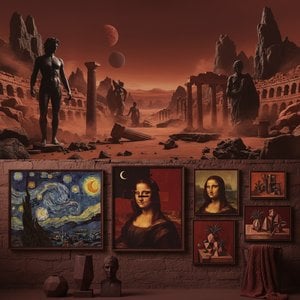
As 10 Obras Mais Famosas Dominadas pelo Preto Marsala: Arte e Decoração
Descubra as 10 pinturas mais icônicas dominadas pelo preto marsala! Explore a história, artistas e técnicas por trás de obras-primas do barroco ao expressionismo. Encontre reproduções de arte exclusivas para decorar seu lar com elegância em ArtsDot.com.

Os 10 Quadros Mais Famosos Dominados pelo Branco: Arte e Decoração
Descubra os 10 quadros mais famosos dominados pelo branco, de Monet a Kandinsky! Explore a história da arte, técnicas e o poder da paleta neutra. Encontre reproduções de alta qualidade para sua decoração em ArtsDot.com.