
- Início

- Reprodução de Pintura a Óleo
- Frederic Leighton
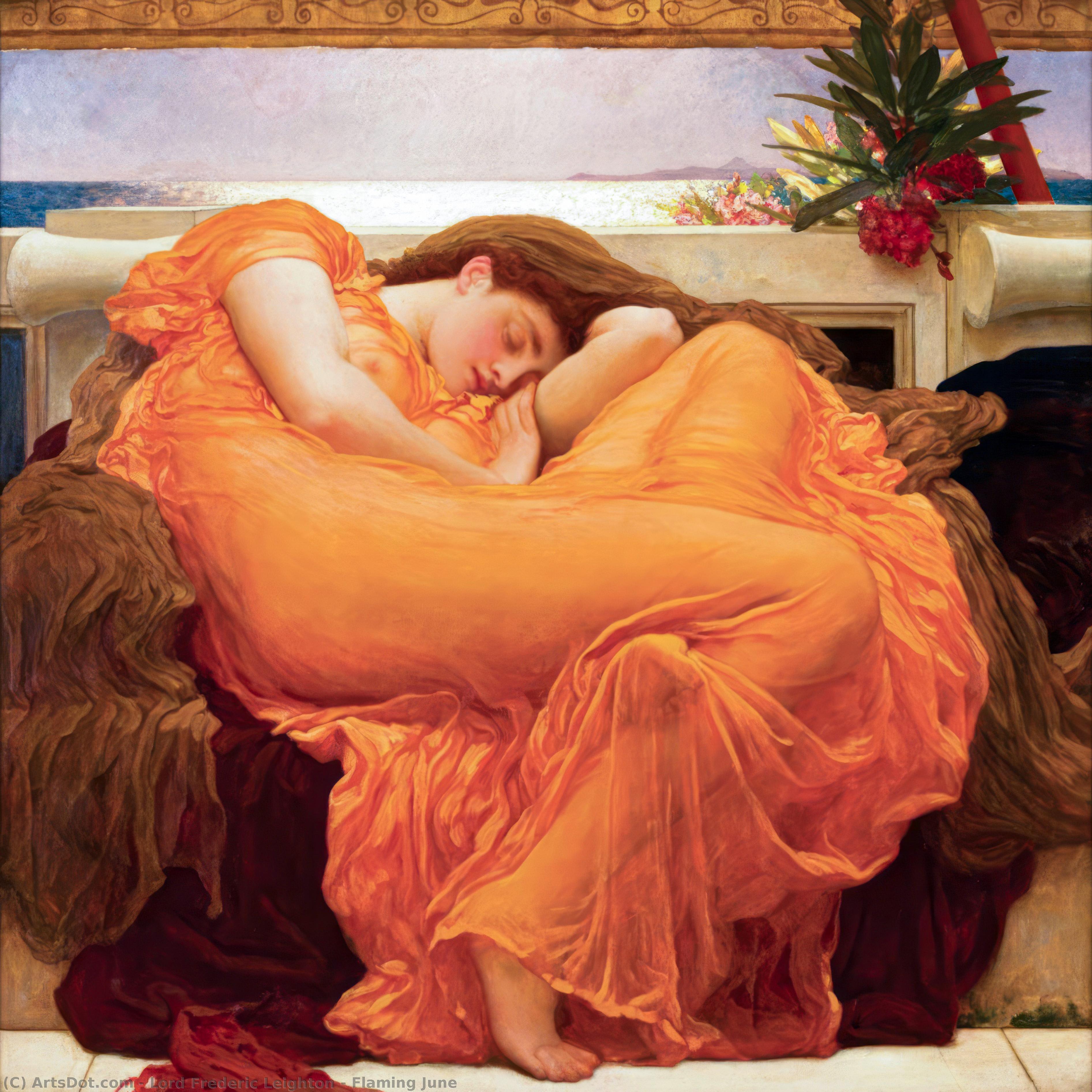
- Flaming June
 Comprar impressão Comprar imagem em alta resolução
 Enviar
 Compartilhar
 Details
 Adicionar aos favoritos

 Baixar
 Semelhantes
 X-Ray
X-Ray
 Slideshow
Flaming June
 Oil On Canvas
- WallArt
- Academic Classicism
 1895
1895 121.0 x 121.0 cm
Reprodução em Óleo Feita à Mão
Óleo sobre tela pintado à mão no seu tamanho e moldura, feito sob encomenda pelos nossos artistas.




P118B $10

P118H $10

P118W $10

P438Z $10

P508JH $12

P508YH $12

P805H $10

P805Z $10

P919BZ $10

P919G $10

P919XJ $10

P959ZH $10

P968JZ $12

W106C $8

W218G $10

W218JH $8

W218Y $10

W307PJ $10

W316G $10

W316PJ $8

W316Y $10

W398PJ $8

W4111J $10

W500HY $15

W500JH $15

W692G $12

W849H $8

W940BG $15

W953PJ $8




 Saiba mais
Escolha entre os nossos tamanhos pré-definidos que respeitam as proporções originais da obra de arte.

Pode inserir as suas próprias dimensões para se adequar a uma moldura ou espaço específico. Se o tamanho selecionado não corresponder às proporções da imagem original, iremos cortar a obra de arte ou estender a pintura com elementos adicionais pintados à mão. Um esboço digital será enviado para sua aprovação antes do início da produção.
Tenha em atenção que a pré-visualização no ecrã não reflete o corte ou extensão real. Apenas o esboço mostrará com precisão a composição final.
Embora tamanhos personalizados estejam disponíveis, recomendamos selecionar uma dimensão da lista predefinida para preservar as proporções originais.
Após o pedido, a equipa ArtsDot.com enviará um e-mail ao cliente para solicitar instruções e fornecer uma prévia do esboço.
Entrega Mundial () em 3 a 4 semanas, em vez das 5 semanas padrão. (1 Julho). Sem comprometer a qualidade.

Envio Expresso Gratuito para todo o Mundo

Tela de Linho Premium

Seguro de envio completo

Garantia de Reembolso de Impostos Alfandegários

Garantia de Fidelidade de Cores

Política de Devolução de 60 Dias (Apenas para Defeitos)

Garantia de 100% de Reembolso

Desconto para múltiplas unidades
 A opção de vidro está disponível apenas para tamanhos inferiores a 110 cm

Flaming June
Técnica de Reprodução
Dimensões da Reprodução
-


Preço Total Final
-
Descrição da Obra
A Vision of Tranquility: Exploring Sir Frederic Leighton’s Flaming June
Flaming June, painted in 1895 by Sir Frederic Lord Leighton, stands as a cornerstone of Academic art—a testament to meticulous observation and idealized beauty. More than just a depiction of a woman asleep amidst Mediterranean flora, it embodies the spirit of Victorian sensibilities and draws heavily upon classical influences, cementing its place within the artistic canon. Currently residing in the Museo de Arte de Ponce, Puerto Rico, this monumental canvas (121 x 121 cm) invites contemplation and rewards repeated viewing with layers of subtle detail and profound symbolism.The Anatomy of Beauty: Style and Technique
Leighton’s approach to painting was firmly rooted in the traditions established by Michelangelo and Raphael—a deliberate rejection of Impressionistic spontaneity in favor of controlled realism. The artist painstakingly rendered every curve of drapery, every petal of oleander blossom, striving for an illusion of palpable texture and luminosity. His masterful use of chiaroscuro – the interplay between light and shadow – sculpts the figure’s form, emphasizing her repose and conveying a sense of ethereal grace. Leighton's preparatory sketches reveal his dedication to achieving this idealized vision, meticulously studying anatomical proportions and capturing fleeting expressions of emotion.Echoes of Antiquity: Historical Context and Influences
Leighton’s fascination with classical art extended beyond mere stylistic imitation; it permeated his conceptual framework. The pose of the sleeping woman directly references Michelangelo's Night – a deliberate homage to the Renaissance master’s exploration of human vulnerability and spiritual contemplation. This influence is palpable in the serene stillness of the scene, mirroring the contemplative mood prevalent during Victorian England. Furthermore, the choice of Mediterranean landscape—a favored motif amongst artists of the era—reflects an idealized vision of pastoral harmony and reinforces the painting's connection to classical ideals of beauty and virtue.A Bloom of Symbolism: Interpreting Floral Imagery
The inclusion of oleander blossoms is particularly noteworthy. Traditionally associated with death, their presence introduces a poignant counterpoint to the idyllic setting and speaks to the Victorian preoccupation with mortality—a theme explored extensively in literature and art during that period. However, Leighton’s intention wasn't merely morbid; rather, he utilized this symbolism to heighten the painting’s emotional impact, prompting viewers to consider the cyclical nature of life and death as intertwined elements within a larger narrative. The woman’s closed eyes symbolize not just sleep but also introspection—a gateway to spiritual awareness and an emblem of inner peace.A Legacy Rediscovered: Appreciation and Reproduction
Flaming June experienced a period of obscurity following its creation, disappearing from public view until its rediscovery in the 1960s. Despite its relatively low auction price at the time, it was recognized as a significant work by Leighton—a painter whose legacy continues to inspire artists today. ArtsDot.com offers exceptional reproductions crafted with meticulous attention to detail, allowing art enthusiasts to experience the beauty and grandeur of Flaming June firsthand. Explore the artwork’s intricacies at /art/list/?Filter=8BWTYZ-Sir-Frederic-Lord-Leighton-Flaming-June – a chance to own a piece of artistic history.Obras Relacionadas


Biografia do Artista
A Life Bathed in Light: The World of Sir Frederic Leighton
Born into privilege in Scarborough, England, in 1830, Frederic Leighton’s path to artistic renown was paved by a unique confluence of wealth, education, and an insatiable curiosity for the classical world. His grandfather's distinguished service as physician to the Russian Tsars provided a financial foundation that allowed young Frederic to pursue his passion without constraint—a rare advantage in the often-precarious life of a 19th-century artist. This freedom enabled him to embark on extensive travels across Europe, immersing himself in the artistic currents of Italy, Germany, and France. It was during these formative years, studying under masters like Eduard von Steinle and Giovanni Costa, that Leighton began to cultivate his distinctive style—a blend of academic precision, Pre-Raphaelite sensuality, and a deep reverence for classical antiquity. A particularly poignant moment in his early life occurred at the age of seventeen when he encountered the philosopher Arthur Schopenhauer in Frankfurt, creating the only known full-length portrait of the famously reclusive thinker. This encounter hints at Leighton’s intellectual depth and his fascination with exploring the complexities of the human condition—themes that would permeate his art for decades to come.The Painterly Embrace of Myth and History
Leighton's artistic career flourished in an era captivated by historical narratives, biblical tales, and classical mythology. He didn’t merely illustrate these subjects; he *inhabited* them, meticulously researching costumes, settings, and the nuances of ancient life to create works that felt both authentic and dramatically compelling. His paintings weren’t simply depictions—they were immersive experiences, transporting viewers to worlds of gods, heroes, and forgotten empires. Clytie, perhaps one of his most celebrated works, exemplifies this approach. The painting portrays the nymph Clytie transformed into a sunflower, yearning for the sun god Apollo. It's not just a beautiful image; it’s an exploration of unrequited love, longing, and the transformative power of nature—rendered with breathtaking detail and a luminous quality that seems to emanate from within. Similarly, The Daphnephoria, depicting a procession honoring the god Apollo, showcases Leighton’s mastery of composition, color, and his ability to capture movement and energy on canvas. He wasn’t afraid to embrace opulent textures, rich fabrics, and dramatic lighting—elements that contributed to the sheer visual splendor of his work. His meticulous attention to detail extended beyond mere representation; he sought to evoke a sense of atmosphere and emotion, drawing inspiration from the works of artists like Titian and Rubens.Beyond the Canvas: Sculpture and Architectural Vision
While primarily known as a painter, Leighton's artistic ambitions extended beyond the two-dimensional realm. He was a gifted sculptor, and his Athlete Wrestling with a Python, created between 1888 and 1891, marked a pivotal moment in British sculpture—often credited with marking a renaissance in contemporary sculptural practice known as the “New Sculpture.” This work, carved from pristine white marble, embodies both physical power and dramatic tension. The sculpture’s dynamic pose and realistic musculature were revolutionary for its time, demonstrating a newfound emphasis on naturalism and anatomical accuracy. But Leighton’s creative vision didn't stop there. He was also an avid collector of art and artifacts, particularly those from the Near East. These treasures weren’t merely displayed; they were integrated into the very fabric of his home, Leighton House in Holland Park, London. Designed by George Aitchison, Leighton House is a masterpiece in its own right—a stunning example of Aestheticism that served as both a residence and a studio. The iconic Arab Hall, with its intricate tilework and soaring arches, stands as a testament to Leighton’s eclectic tastes and his desire to create a total work of art—an environment that would inspire and nurture his creativity.A Royal Patron and the Shaping of an Era
Leighton's success was not solely due to his artistic talent but also to his impeccable social standing and connections. He cultivated relationships with members of the royal family, including Queen Victoria herself, who became a devoted patron of his work. His paintings were immensely popular during his lifetime, commanding high prices and earning him widespread acclaim. He served as President of the Royal Academy from 1878 until his death in 1896, a position he held with distinction, championing artistic excellence and fostering a vibrant creative community. He was knighted in 1878, made a baronet in 1886, and remarkably, granted a peerage just one day before his passing—a testament to the immense respect he commanded within the art world and beyond. Leighton’s influence extended far beyond the realm of painting; he was a respected figure in London society, known for his charm, generosity, and intellectual curiosity.Legacy and the Echoes of an Era
Leighton's influence on British art was profound. He represented Britain at the Great Exhibition of 1900 in Paris, showcasing the nation’s artistic achievements to a global audience. While his work fell out of favor for some time after his death, eclipsed by the rise of modernism, there has been a significant resurgence of interest in Leighton’s art in recent decades. Today, his paintings and sculptures are celebrated for their technical brilliance, their evocative power, and their ability to transport viewers to worlds of beauty and wonder. His legacy is not merely one of aesthetic achievement but also of a life dedicated to the pursuit of beauty, knowledge, and artistic innovation. Leighton House Museum remains a vital cultural landmark, offering visitors a glimpse into the world of this extraordinary artist and his remarkable home.- His works continue to inspire artists and captivate audiences around the globe.
- Leighton House Museum stands as a lasting tribute to his artistic vision and remains a vital cultural landmark.
- He represents a fascinating intersection of Victorian ideals, classical influences, and Pre-Raphaelite sensibilities—a unique voice in the history of British art.

Frederic Leighton
1830 - 1896 , Reino Unido
Informações Rápidas
- Artistic Movement Or Style: Acadêmico, Pré-rafaelita
- Artists Or Movements Influenced By This Artist:
- Nova Escultura
- Aestheticismo
- Artists Who Influenced This Artist:
- Steinle
- Costa
- Date Of Birth: 3 de dezembro de 1830
- Date Of Death: 25 de janeiro de 1896
- Full Name: Sir Frederic Lord Leighton
- Nationality: Britânico
- Notable Artworks:
- Clytie
- Flaming June
- Ath. Wrestling Python
- Place Of Birth: Scarborough, Reino Unido
Artigos Relacionados

George Frederic Watts: Symbolism, Spirituality & Victorian Ideal Beauty
Explore the captivating Symbolist art of George Frederic Watts. Discover his allegorical masterpieces, classical influences & spiritual themes. Learn about his legacy and find high-quality reproductions at ArtsDot.


A Convergência da Tecnologia e Tradição na Criação de Arte Personalizada: Precisão Digital e Técnicas Clássicas no Contexto Contemporâneo
Descubra como a ArtsDot une tecnologia e tradição para criar arte personalizada de qualidade museológica. Reproduções fiéis, artistas talentosos e consultoria especializada. Transforme suas visões em obras-primas únicas!

Top 10 Obras-Primas em Óleo que Revolucionaram a História da Arte | ArtsDot
Descubra as 10 obras primas em óleo que moldaram a história da arte! Explore Van Gogh, Monet, Da Vinci e outros mestres. Reproduções de alta qualidade para sua decoração. Explore a coleção completa na ArtsDot.com
Evocations of Rural Life: A Historical Journey Through Landscape Painting
Explore the rich history of rural life in painting! Discover Impressionist masterpieces, Italian Macchiaioli scenes & the enduring appeal of pastoral landscapes. Find your perfect artwork at ArtsDot.

Sir Frederic Leighton: Aestheticism, Academic Mastery & Victorian Masculinity
Explore the life & art of Sir Frederic Leighton, a master of Victorian Aestheticism. Discover his academic training, sculptural innovations, and captivating depictions of beauty. Expert insights for collectors.

