

 Visualizar em escala
 Enviar
 Compartilhar
 Ver detalhes

 Baixar
 Semelhantes
 Raio X
 Apresentação de slides
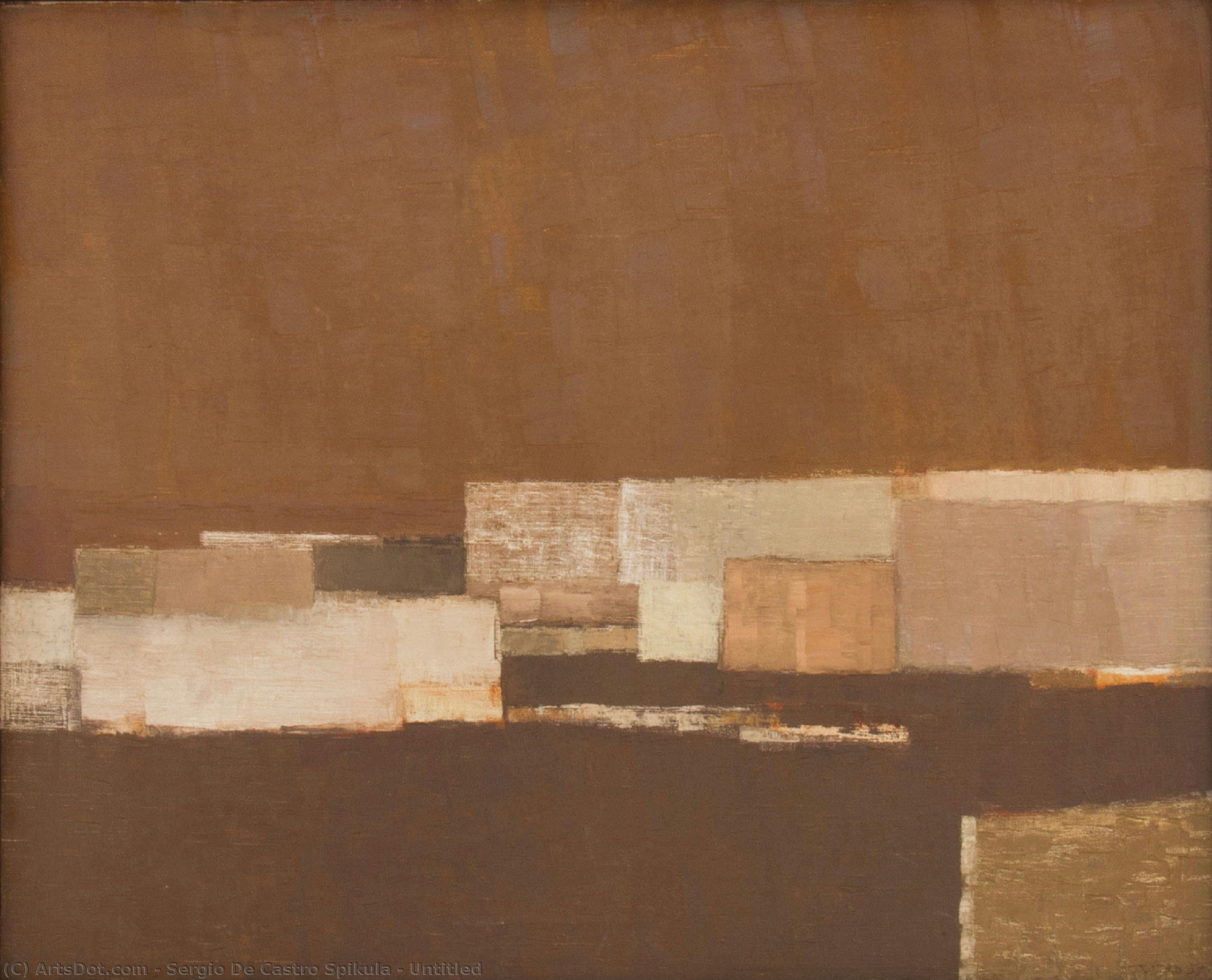
Untitled


 Ver mais
Reprodução em Óleo Feita à Mão
Óleo sobre tela pintado à mão no seu tamanho e moldura, feito sob encomenda pelos nossos artistas. ( Encomendar impressão Comprar imagem em alta resolução)




































Escolha entre os nossos tamanhos pré-definidos que respeitam as proporções originais da obra de arte.

Pode inserir as suas próprias dimensões para se adequar a uma moldura ou espaço específico. Se o tamanho selecionado não corresponder às proporções da imagem original, iremos cortar a obra de arte ou estender a pintura com elementos adicionais pintados à mão. Um esboço digital será enviado para sua aprovação antes do início da produção.
Tenha em atenção que a pré-visualização no ecrã não reflete o corte ou extensão real. Apenas o esboço mostrará com precisão a composição final.
Embora tamanhos personalizados estejam disponíveis, recomendamos selecionar uma dimensão da lista predefinida para preservar as proporções originais.
Após o pedido, a equipa ArtsDot.com enviará um e-mail ao cliente para solicitar instruções e fornecer uma prévia do esboço.
Entrega mundial () em 3 a 4 semanas, em vez das 5 semanas padrão. (16 Agosto). Sem comprometer a qualidade.

Envio Expresso Gratuito para todo o Mundo

Tela de Linho Premium

Seguro de transporte total

Garantia de Reembolso de Impostos Alfandegários

Garantia de Fidelidade de Cor

Política de Devolução de 60 Dias (Apenas para Defeitos)

Garantia de reembolso de 100%

Desconto para múltiplas unidades
 A opção de vidro está disponível apenas para tamanhos inferiores a 110 cm

Untitled
Técnica de Reprodução
Dimensões da Reprodução
-


Preço Total
$ 263
Obras Relacionadas


Biografia do Artista
The Melodic Canvas: The Life and Legacy of Sergio de Castro Spikula
Born in the vibrant atmosphere of Buenos Aires in 1922, Sergio de Castro Spikula was an artist whose soul was shaped by a nomadic and culturally rich upbringing. The son of a diplomat, his early years were a tapestry of European landscapes, moving from the serene beauty of Switzerland to the historic streets of Italy. This international childhood instilled in him a profound cosmopolitan perspective, allowing him to bridge the gap between South American roots and the avant-garde traditions of Europe. Before he ever picked up a brush to define his visual language, Spikula was a man of rhythm and verse; his early years were dedicated to the study of music and poetry, disciplines that would later infuse his paintings with an inherent sense of composition, tempo, and lyrical grace.
The trajectory of his creative life took a decisive turn through chance encounters and personal transformations. While traveling along the Uruguayan coast in 1939, he met the legendary Joaquín Torres-Garcia, a meeting that would plant the seeds of geometric abstraction within his mind. However, it was not until 1950, following a period of physical struggle with severe asthma, that Spikula transitioned from the world of musical composition to the realm of visual art. This shift was not merely a change in medium but a profound redirection of his expressive energy. Settling in Paris, the heart of the mid-century art world, he began to distill his experiences into a style that could be described as Minimalist Expressionism—a delicate balance between the structured discipline of geometry and the raw emotion of color.
A Symphony of Form and Color
Spikula’s artistic development was characterized by an exquisite ability to simplify the complex. His work moved away from the literal representation of the world, seeking instead to capture its essence through a sophisticated use of chromatic palettes and geometric forms. One can observe in his canvases a rhythmic interplay of shapes that echoes his background as a composer; there is a deliberate pacing to his brushstrokes and a harmonic resonance in how he juxtaposes light and shadow. His landscapes, while often understated and serene, possess a structural strength that prevents them from becoming mere scenery, instead transforming Argentinian vistas into meditative, abstract explorations of space.
His technical mastery was deeply rooted in the traditions of the masters, yet his vision remained resolutely modern. By integrating the luminous qualities reminiscent of Joaquín Sorolla with a more stripped-back, minimalist aesthetic, he created works that felt both timeless and contemporary. Notable pieces such as “Angel Zarraga” serve as quintessential examples of this approach, where simplified shapes are utilized to evoke deep emotional responses, proving that profound meaning does not require ornamental complexity. His ability to command the viewer's attention through subtle color harmonies allowed him to participate in the grand dialogue of 20th-century modernism.
Recognition and Eternal Resonance
The journey of Sergio de Castro Spikula was marked by prestigious exhibitions that solidified his place within the international art community. From his first solo exhibition at the Galerie Jeanne Castel in Paris in 1952 to acclaimed showings in London at the Leicester Gallery and the Matthiesen Gallery, his presence was felt across the major art capitals of Europe. His works were not only celebrated in galleries but also found homes in significant collections, such as the Colección Andrés Blaisten, ensuring that his unique vision would be preserved for future generations.
Ultimately, the significance of Spikula lies in his ability to synthesize disparate influences—the rhythmic structure of music, the precision of architecture, and the emotive power of painting—into a singular, cohesive voice. He remains a pivotal figure for those studying the intersection of Latin American heritage and European abstraction. His legacy is one of quiet strength and visual poetry, reminding us that art, much like music, is a universal language capable of expressing the most profound truths through the simplest of means.

sergio de castro spikula
1922 - 2012 , Argentina
Informações Rápidas
- Artistic Movement Or Style: Minimalist Expressionism
- Date Of Birth: 1922
- Date Of Death: 2012
- Full Name: Sergio de Castro Spikula
- Nationality: Argentinian
- Notable Artworks: ['Untitled']
- Place Of Birth: Buenos Aires, Argentina
Artigos Relacionados

Pedidos Comerciais
APS oferece reproduções de belas artes e encomendas personalizadas desde 2004. Corporações, hotéis e colecionadores selecionados confiam em nós para obras de arte com qualidade de museu, serviço discreto e soluções artísticas completas. Entre em contato conosco para um orçamento personalizado!

Goya: As 25 Obras-Primas que Definem um Mestre da Arte Espanhola | ArtsDot
Descubra as 25 obras-primas de Francisco Goya, o mestre espanhol do Romantismo. Explore retratos icônicos, gravuras impactantes e a história por trás de 'Saturno Devorando seu Filho' e 'A Majas'. Encontre reproduções de arte exclusivas para decorar sua casa com ArtsDot.com.

Top 10 Obras-Primas do Expressionismo Abstrato: Arte para Decorar e Inspirar | ArtsDot.com
Descubra as 10 obras-primas do Expressionismo Abstrato com Jackson Pollock, Mark Rothko e mais! Explore a história, técnica e emoção por trás de cada pintura. Encontre reproduções de arte exclusivas para decorar sua casa em ArtsDot.com.

Abstração Geométrica: 10 Obras-Primas que Moldaram a Arte Moderna | ArtsDot.com
Descubra as 10 obras-primas da Abstração Geométrica que revolucionaram a arte moderna! Explore Kandinsky, Mondrian e outros artistas icônicos. Encontre reproduções de alta qualidade para decorar sua casa com ArtsDot.com.

Kandinsky: As 25 Obras-Primas que Definem o Abstracionismo | ArtsDot
Descubra as 25 obras-primas de Wassily Kandinsky, pioneiro da arte abstrata! Explore a história, cores e significado por trás de cada pintura. Encontre reproduções de alta qualidade e inspire sua decoração em ArtsDot.com.

