


A imagem segue as suas escolhas: , .
Descrição do Item
Experience the bold vibrancy of Roy Lichtenstein’s Pop Art masterpiece—a captivating beach scene rendered in striking yellows and blues—reflecting a playful exploration of color and form from 1988. Discover this iconic artwork and bring its timeless beauty into your home.
 Ler mais
Biografia do Artista
O pioneiro da Pop Art Roy Lichtenstein é famoso pelos pontos Ben-Day e Whaam!. Descubra suas obras icônicas hoje mesmo.
Reprodução em Óleo Feita à Mão
Óleo sobre tela pintado à mão no tamanho e moldura de sua escolha, feito sob encomenda pelos nossos artistas. ( Alternar para Impressão Alternar para Imagem Digital)
Esta obra está protegida por direitos autorais
A obra de arte exibida nesta página é protegida por leis de direitos autorais, o que significa que não podemos criar ou vender legalmente uma reprodução idêntica. Esta proteção é aplicada por meio de acordos internacionais, tais como a Convenção de Berna e pelas leis nacionais, incluindo as estabelecidas por Lei de Direitos Autorais dos EUA - Título 17.
Como uma alternativa respeitosa e legal, oferecemos obras de arte personalizadas e pintadas à mão, inspiradas na obra original. Nossos artistas profissionais e experientes estudam cuidadosamente o estilo, a atmosfera e a essência artística da obra original para criar uma peça nova e única que evoque a mesma sensação — permanecendo como uma criação original por direito próprio.
Este método cumpre plenamente as regulamentações de direitos autorais, pois não envolve a cópia ou duplicação da obra protegida. Em vez disso, trata-se de uma reinterpretação criativa — uma nova pintura que é influenciada pela original, mas não idêntica a ela.
Saiba mais sobre esta pintura
 Visualizar na parede
 Compartilhar
 Compartilhar
 Detalhes
 Guia
Guia

 Baixar imagem
 Semelhantes
 Raio X
 Ver diaporama
 Perguntas e Respostas
 Estatísticas
Encomende a sua pintura em quatro passos simples
Não tenha pressa. Você pode alterar qualquer resposta; o preço no seu carrinho de compras será atualizado conforme cada escolha.
1 Passo um de quatro
Qual tamanho você gostaria?
Estes tamanhos mantêm as proporções da pintura original. A ilustração mostra a sua escolha numa parede, acima de um sofá de dois metros.
Ou informe suas próprias medidas
Escolha entre os nossos tamanhos pré-definidos que respeitam as proporções originais da obra de arte.

Insira a largura e a altura desejadas para se ajustarem à sua moldura ou parede. Como esta obra é pintada à mão, para um tamanho com proporções diferentes, o artista poderá pintar um pouco mais ao redor da imagem ou reduzir ligeiramente a composição — você escolhe. Enviamos uma maquete digital para sua aprovação antes de iniciar a pintura. A imagem exibida nesta página não representa o resultado real — apenas a maquete mostra o resultado final.
2 Passo dois de quatro
Como deve ser preparado: enrolado, esticado ou emoldurado?
Os preços abaixo referem-se ao tamanho escolhido na primeira etapa.
Escolha as bordas da tela esticada
Escolha sua moldura

Branco €1

Bordas esfumaçadas €1

Bordas estendidas €1

P118B €10

P118H €10

P118W €10

P438Z €10

P508JH €12

P508YH €12

P805H €10

P805Z €10

P919BZ €10

P919G €10

P919XJ €10

P959ZH €10

P968JZ €12

W106C €8

W218G €10

W218JH €8

W218Y €10

W307PJ €10

W316G €10

W316PJ €8

W316Y €10

W398PJ €8

W4111J €10

W500HY €15

W500JH €15

W692G €12

W849H €8

W940BG €15

W953PJ €8

H24-GOLD €30

H24-SILVER €30

H36-GOLD €45

H36-SILVER €45
Com moldura
Moldura: . Dimensões totais com a moldura: .
3 Passo três de quatro
Gostaria de alterar algo na pintura?
A maioria das pessoas responde que não. Como cada pintura é feita à mão, nosso artista também pode adaptá-la para você.
Após o pedido, a equipe da ArtsDot.com enviará um e-mail ao cliente para instruções e fornecerá uma prévia da montagem
4 Passo quatro de quatro
Algumas opções de acabamento
Todos eles são opcionais. As respostas já selecionadas não têm custo adicional.
Quem o pintou?
Entrega mundial () em 3 a 4 semanas, em vez das 5 semanas padrão. (10 Novembro). Sem comprometer a qualidade.
Uma placa de identificação, como em um museu?
Detalhes da Placa de Bronze Gravada
This elegant plaque features the artist's name and the title of the artwork, finely engraved for a timeless presentation.
It is made from bronze with a refined, elegant finish. The text is precisely laser-engraved for a sharp and permanent result. Measuring 9x2 cm, the plaque is compact yet easy to read. It's built to be durable and scratch-resistant, offering a professional, museum-quality look. Mounting is simple thanks to the included adhesive backing.
Detalhes da Placa de Acrílico Transparente
The plaque includes essential engraved details such as the artist's name, the title of the artwork, the date it was created, the type of media used-like oil on canvas or watercolor-a brief description of the piece, and a QR code that links to the complete artwork information.
It is crafted from clear acrylic, offering a sleek, modern appearance. The text is UV-engraved in black to ensure strong visual contrast. With a size of 10x15 cm, it ensures optimal readability. It comes equipped with two metal hooks for secure wall mounting. The plaque is designed to be weather-resistant, making it suitable for various environments, and it includes interactive features that work seamlessly with smartphone scanning.
Detalhes da Placa de Acrílico Preto
This elegant plaque includes engraved information such as the artist's name, the title of the artwork, the date it was created, the type of media used (like oil on canvas or watercolor), a short description of the artwork, and a QR code for quick access to more information.
The plaque itself is made from refined black acrylic with a premium finish. The text is laser-engraved in white for high contrast and readability. Its size is 10x15 cm, designed to be easy to read. It comes with two metal hooks for professional mounting. The design is sleek and fits any interior style. It is also weather-resistant and durable, with built-in digital integration for mobile compatibility.
Um verniz protetor?
Para quando você precisa?
✓ Verifique e peça
A sua pintura, conforme encomendada

Reflections Untitled (1988)
Técnica de Reprodução
Tamanho da Reprodução
-

Artista Sênior de Elite
Mais detalhes, refinamento e tempo de produção adicional
-

Moldura para Reprodução
-
-
Para obras de arte ou reproduções com mais de 105 cm (aproximadamente 41 polegadas) em qualquer um dos lados, a moldura será enviada como um kit desmontado. Este método garante uma entrega segura e evita danos durante o transporte.
Montagem profissional necessária — este não é um produto DIY (faça você mesmo).
O kit deve ser montado e a tela esticada por um profissional de molduraria experiente, utilizando cola de madeira (não inclusa), um alicate de esticar tela e grampos para manter as travessas alinhadas enquanto a cola seca. A montagem incorreta ou a tensão desigual da tela podem danificar permanentemente a obra de arte e não estão cobertas pela nossa garantia.
 Para obras de arte ou reproduções com mais de 105 cm (aproximadamente 41 polegadas) em qualquer um dos lados, a moldura será enviada como um kit desmontado. Este método garante uma entrega segura e evita danos durante o transporte.
Todas as barras de madeira maciça estão incluídas, precisamente cortadas ao tamanho certo.
Montado com os parafusos fornecidos, além de cola para madeira para as junções dos cantos, que não está inclusa e deve ser providenciada pelo seu moldurista.
São necessárias ferramentas profissionais não incluídas: um alicate de estiramento de tela (esticador) e grampos para manter as ripas alinhadas enquanto a cola seca.
Importante:
As junções dos cantos requerem cola para madeira, as ripas devem ser mantidas com grampos até que a cola esteja completamente seca, e o estiramento da tela na moldura montada requer um alicate de esticar tela. Nenhum destes itens está incluído no kit. Por favor, certifique-se de contar com um profissional de molduraria experiente antes de encomendar este tamanho.

Etiqueta de identificação
-
-

Verniz de Proteção
Verniz brilhante (realça as cores e protege contra a luz e a umidade)
-

Personalizar minha obra
Exemplos de alterações possíveis: Substituir o rosto por uma foto do cliente; Adicionar um animal de estimação (ex.: substituir gato por cachorro); Incluir uma mensagem oculta no fundo; Alterar a paisagem ou os elementos do fundo.
-

Urgente
Entrega mundial () em 3 a 4 semanas, em vez das 5 semanas padrão. (10 Novembro). Sem comprometer a qualidade.
-
Envio Expresso
Entrega mundial para em 5 semanas. (17 Novembro).
Com envio incluído
Preço Total
€ 235
A opção de vidro está disponível apenas para tamanhos inferiores a 110 cm
Incluído em todos os pedidos
- Envio expresso gratuito para todo o mundo
- Tela de Linho de Alta Qualidade
- Seguro de transporte completo
- Garantia de Reembolso de Impostos Alfandegários
- Garantia de Fidelidade Cromática
- Política de Devolução em 100 Dias (Apenas para Defeitos)
- Garantia de reembolso de 100%
- Oferta de desconto por quantidade


A Coastal Serenity Reimagined
In his 1988 masterpiece, Reflections Untitled, Roy Lichtenstein invites the viewer into a world where the boundaries between natural beauty and graphic precision dissolve. The painting presents a breathtakingly serene beach scene, bathed in the radiant, optimistic glow of a golden yellow sky. This luminous atmosphere sets the stage for a landscape that feels both intimately familiar and strikingly otherworldly. Lush, stylized trees punctuate the horizon, providing a structural depth that frames a tranquil expanse of deep blue water. Upon this liquid mirror, soft, fluffy white clouds drift lazily, while a solitary boat rests gently upon the surface, acting as a silent anchor for the composition. It is a snapshot of coastal calm, capturing a moment of stillness that feels suspended in time.
The brilliance of this work lies in Lichtenstein’s masterful command of the Pop Art aesthetic. Moving far beyond mere representation, he employs his signature Ben-Day printing technique to create a visual language that mimics the mechanical texture of mass media and comic strips. Through the meticulous application of halftone patterns and bold color gradations, the artist achieves a striking clarity. The simplicity of the forms—the flattened sky, the geometric trees, and the iconic silhouette of the boat—serves as a deliberate departure from traditional realism. Instead, Lichtenstein embraces a graphic strength that celebrates the power of simplified shapes and high-contrast palettes, making the piece an extraordinary specimen of late 20th-century modernism.
Historical Resonance and Symbolic Depth
Created during a period of significant artistic evolution following the dominance of Abstract Expressionism, Reflections Untitled stands as a testament to Lichtenstein’s ability to bridge the gap between high art and popular culture. By the late 1980s, his work had become a profound commentary on how mass media shapes our perception of reality. The painting does not merely depict a landscape; it interrogates the very way we consume images of nature through the lens of consumerist aesthetics. The vibrant yellow hues do more than provide light; they symbolize an enduring energy and optimism, which stands in beautiful, rhythmic contrast to the calming, meditative blues of the ocean.
For the discerning collector or interior designer, this artwork offers much more than a decorative element; it provides a focal point of intellectual and emotional engagement. The piece evokes a profound sense of nostalgia, reminiscent of carefree summer days and the timeless allure of the seaside, yet its bold, contemporary execution ensures it remains strikingly modern. Whether placed in a sophisticated gallery setting or as a centerpiece in a curated residential space, Reflections Untitled radiates a captivating energy. It is an invitation to contemplate the beauty of the natural world through a lens of structured, graphic elegance, making it an essential acquisition for those who appreciate art that is both visually arresting and deeply thought-provoking.
Perguntas e Respostas
A que fase da trajetória de Roy Lichtenstein "Reflections Untitled (1988)" pertence?
"Reflections Untitled (1988)" representa o Mature Period de Roy Lichtenstein.
Quão harmoniosas são as cores de "Reflections Untitled (1988)" entre si?
A harmonia de cores de "Reflections Untitled (1988)" é definida como Discordant Palette.
A qual movimento artístico pertence "Reflections Untitled (1988)", de Roy Lichtenstein?
"Reflections Untitled (1988)", de Roy Lichtenstein pertence ao movimento Pop Art. Este movimento fornece o contexto estilístico da obra.
Obras Relacionadas


Roy Lichtenstein
1923 - 1997, Estados Unidos
Biografia do Artista
A Vida de Roy Lichtenstein
Manhattan, Nova York, 27 de outubro de 1923. Roy Lichtenstein chega ao mundo como filho de Milton e Beatrice. A energia urbana da metrópole serve de pano de fundo para uma vida que, eventualmente, desafiaria os limites das belas artes. Ele cresce em uma família judia de classe média alta, absorvendo os ritmos culturais da cidade através dos museus e do jazz.
A trajetória de sua carreira sofre uma mudança profunda durante meados do século XX. Ele emerge como uma figura de liderança do movimento Pop Art, um período definido por um afastamento radical das pinceladas pesadas e emocionais do Expressionismo Abstrato. Em vez de olhar para o interior, ele volta seu olhar para as superfícies brilhantes e mecânicas da cultura de massa americana. Ele encontra sua matéria-prima nos cantos mais negligenciados da vida cotidiana: os painéis dramáticos das histórias em quadrinhos e os padrões nítidos e repetitivos da publicidade comercial.
Sua obra transforma a linguagem efêmera da impressão em algo monumental. Ao adotar o código visual das massas, ele força um confronto entre o prestígio das galerias de alto nível e o pulso cotidiano das ruas. Sua presença no mundo da arte é marcada por um distanciamento deliberado, utilizando as próprias ferramentas da reprodução industrial para redefinir o que uma pintura pode ser.
Infância, Família e Formação
Manhattan, 1923. A metrópole serve de cenário para a chegada de Roy Fox Lichtenstein ao seio de uma família judia de classe média alta. Seu pai, Milton, atuava como corretor de imóveis, enquanto sua mãe, Beatrice, uma pianista de formação, o introduzia aos ritmos culturais de Nova York. Esses primeiros anos foram marcados por uma imersão dual, tanto no campo visual quanto no auditivo; ele passou a infância explorando museus e frequentando concertos, desenvolvendo um profundo apreço pela música jazz que persistiria por toda a sua vida.
A trajetória de sua vida inclina-se para a disciplina formal em 1939, quando ingressa na Art Students League de Nova York, colocando-se sob a instrução de Reginald Marsh. Naquela instituição, o foco permanecia nos fundamentos do desenho e da pintura. Partindo dessas explorações iniciais, ele seguiu para o ensino superior, matriculando-se na Ohio State University para cursar artes plásticas. Essa base acadêmica conferiu-lhe o rigor técnico que, futuramente, serviria de sustentação para suas rupturas mais radicais com a representação tradicional.
Serviço Militar e o Retorno aos Estudos
A trajetória acadêmica de Lichtenstein sofre uma mudança abrupta em 1943. O alistamento o retira das salas de aula e o lança nas fileiras do Exército dos Estados Unidos. Durante dois anos, o foco de sua existência desloca-se do estúdio para as linhas de frente da Europa. Ele serve na França, na Bélgica e na Alemanha, navegando pelo caos dos anos de guerra entre 1943 e 1945. Durante esse período, ele atua como ordenança, desenhista e artista, esboçando a realidade crua de seu entorno enquanto o conflito atinge seu ápice.
A guerra chega ao fim, mas a transição de volta à vida civil não é imediata. Após o cessar das hostilidades em 1945, Lichtenstein permanece na França por algum tempo, com o desejo de estudar na Sorbonne. Esse plano se dissolve quando seu pai adoece gravemente, forçando um retorno aos Estados Unidos. Ele retorna à Ohio State University para concluir o que havia começado. Em 1946, ele completa seu BFA, pronto para reingressar no mundo profissional das artes como um praticante devidamente formado.
Carreira Docente e Primeiras Obras
Os anos do pós-guerra encontram Roy Lichtenstein navegando pelo cenário acadêmico do Meio-Oeste e da Costa Leste americana. Ele atua como instrutor de arte na Ohio State University, cargo que ocupa de forma intermitente durante uma década. Durante este período, sua produção criativa sofre uma transformação profunda. Ele se afasta das pinceladas pesadas e emocionais do Expressionismo Abstrato para começar a experimentar interpretações cubistas e obras líricas inspiradas na Tapeçaria de Bayeux. Ele também explora temas do Velho Oeste, produzindo séries de desenhos e pinturas que refletem um interesse crescente por imagens estilizadas e impressas.
A transição em direção a uma linguagem mais gráfica acelera através de seus diversos cargos acadêmicos. Em 1957, ele se muda para a State University of New York, em Oswego, para lecionar design industrial. Este papel coincide com um período de intensa experimentação. Ele começa a combinar personagens de desenhos animados, como o Mickey Mouse e Donald Duck, com fundos abstratos. Esta abordagem híbrida marca um afastamento da arte tradicional. Mais tarde, ele servirá como professor assistente no Douglass College, na Rutgers, State University of New Jersey, e como professor assistente na SUNY Oswego. Esses ambientes acadêmicos proporcionam a estabilidade necessária para que ele refine uma linguagem visual que rejeita a textura da pintura tradicional em favor de algo mais mecânico e desapegado.
- Look Mickey (1961)
- Wimpy (Tweet) (1961)
- Mr. Bellamy (1961)
Técnica e Estilo Assinatura
A tela transforma-se em um campo de precisão mecânica. Roy Lichtenstein despoja a obra da pincelada visível, substituindo o gesto humano e emocional pela linguagem fria e calculada da produção em massa. Ele adota a estética dos quadrinhos e da publicidade, utilizando cores primárias vibrantes e contornos pretos marcantes para definir seus temas. A imagética resultante transmite um certo distanciamento, mimetizando a qualidade plana e impessoal de uma página impressa, em vez de uma superfície pintada à mão.
A textura é alcançada através da aplicação deliberada e sistemática dos pontos Ben-Day. Esses pequenos círculos coloridos criam sombreamentos e gradações, replicando o aspecto da impressão comercial de baixo custo. Ele não pinta esses pontos individualmente; em vez disso, utiliza estênceis feitos de plástico fino ou metal, passando um pincel ou um pano sobre a superfície para garantir uma aparência uniforme, como se fosse feita por uma máquina. Esta técnica transforma o ato de pintar em um processo de reprodução, borrando a linha divisória entre as belas artes e o produto industrial.
Obras-Chave e Pinturas Icônicas
A transição para o seu estilo inconfundível acontece em 1961 com Look Mickey. Nesta obra, a apropriação de um personagem da Disney marca um afastamento de seus experimentos abstratos anteriores. Roy Lichtenstein distancia-se das pinceladas pesadas e emocionais da década anterior, optando, em vez disso, pela clareza mecânica das histórias em quadrinhos. A obra funciona como uma ponte, traduzindo a linguagem da literatura pulp para uma composição formal de grande escala.
Por volta de 1963, a escala de sua interrogação visual se expande. Whaam! explode pela tela, utilizando os painéis dramáticos e fragmentados dos quadrinhos de guerra para capturar um momento de violência intensa. Simultaneamente, Drowning Girl apresenta um tipo diferente de tensão. A obra foca em uma mulher submersa na água, seu rosto marcado por lágrimas estilizadas e um balão de fala que expressa um sentimento de desafio pessoal. Estas obras não apenas retratam cenas; elas congelam o melodrama da mídia de massa em objetos gráficos estáticos.
A pintura de 1964, Nurse, continua esta exploração do romântico e do dramático. Ela utiliza os mesmos contornos de alto contraste e os pontos Ben-Day que definem seu período mais reconhecido. O tema, uma enfermeira de um romance em quadrinhos, é renderizado com um distanciamento que enfatiza a artificialidade do material de origem. Sua produção durante esta era permanece focada na intersecção entre a emoção humana e a reprodução industrial.
- Look Mickey (1961)
- Whaam! (1963)
- Drowning Girl (1963)
- Nurse (1964)
Anos Tardios e Morte
A década de 1960 trouxe uma mudança significativa em sua vida pessoal quando ele se casou com Dorothy Herzka, em 1968. Este período foi marcado pela continuidade de uma produção vasta e incessante, expandindo seu alcance através de diversos meios. Sua obra permaneceu prolífica, abrangendo mais de cinco mil trabalhos, incluindo pinturas, esculturas e murais. Roy Lichtenstein transcendeu o choque inicial causado por seu estilo inspirado nos quadrinhos para explorar composições mais complexas, incluindo séries que faziam referência à arte clássica e a paisagens.
O fim chegou de forma abrupta no final dos anos 1990. Em agosto de 1997, ele contraiu pneumonia, uma enfermidade que se revelou avassaladora para seu organismo. Roy Lichtenstein faleceu em decorrência de complicações da infecção no dia 29 de setembro de 1997, aos 73 anos de idade.
Legado e Impacto Duradouro
As fronteiras entre a alta arte e a cultura popular dissolvem-se sob o rastro de sua influência. Ao elevar a linguagem visual das tiras de quadrinhos e da publicidade ao ambiente das galerias, ele forçou um confronto entre as belas-artes e a imagética produzida em massa do cotidiano. Essa mudança fez mais do que apenas alterar o tema da pintura; ela desafiou a própria definição de autoria artística e originalidade. Sua obra permanece como um catalisador para o diálogo crítico sobre a intersecção entre arte, cultura e comércio.
Sua presença é sentida nas principais coleções de museus ao redor do mundo. Dos salões da Tate, em Londres, ao Museu de Arte Moderna em Nova York, sua estética continua sendo uma parte fundamental do cânone moderno. O impacto de seu método estende-se ao design gráfico, à ilustração e à arte digital contemporânea, onde a tensão entre o mecânico e o pintado à mão continua a ressoar. Ele não apenas participou do movimento Pop Art; ele ajudou a originá-lo, estabelecendo um vocabulário visual que permanece como um ponto de referência primordial para a forma como consumimos imagens em uma era saturada pela mídia.
- Whaam! (1963)
- Drowning Girl (1963)
- Masterpiece (1962)
- Look Mickey (1961)


Artigos Relacionados
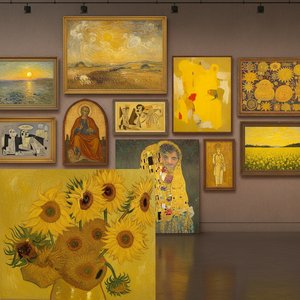
As 10 Obras Mais Famosas Dominadas pelo 'Amarelo Cromo': Arte e Decoração
Descubra as 10 pinturas mais famosas dominadas pelo vibrante 'amarelo cromo'! Explore a história de Van Gogh, Monet e outros mestres. Encontre reproduções de arte exclusivas para decorar sua casa com elegância em ArtsDot.com.

Evocations of Place: A Historical Journey Through Landscape Art
Explore the rich history of landscape art with ArtsDot. Discover renowned artists, movements like Impressionism & Romanticism, and expert guidance for collecting timeless pieces. Find your perfect serene escape today!

Os 10 Mestres da Paisagem Romântica: Arte para Inspirar a Sua Casa
Descubra os 10 quadros mais emblemáticos da Paisagem Romântica! Explore a história de Turner, Friedrich e outros mestres. Encontre reproduções de arte exclusivas para inspirar sua decoração em ArtsDot.com.