


 Visualizar na parede
 Compartilhar
 Compartilhar
 Detalhes

 Baixar imagem
 Semelhantes
 Raio X
 Slideshow
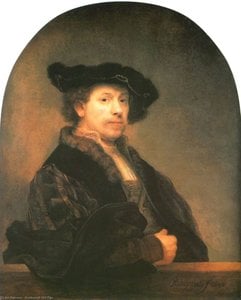
Self-portrait

 Ler mais
Reprodução em Óleo Feita à Mão
Óleo sobre tela pintado à mão no tamanho e moldura de sua escolha, feito sob encomenda pelos nossos artistas. ( Comprar impressão Comprar imagem)




P118B $10

P118H $10

P118W $10

P438Z $10

P508JH $12

P508YH $12

P805H $10

P805Z $10

P919BZ $10

P919G $10

P919XJ $10

P959ZH $10

P968JZ $12

W106C $8

W218G $10

W218JH $8

W218Y $10

W307PJ $10

W316G $10

W316PJ $8

W316Y $10

W398PJ $8

W4111J $10

W500HY $15

W500JH $15

W692G $12

W849H $8

W940BG $15

W953PJ $8




Escolha entre os nossos tamanhos pré-definidos que respeitam as proporções originais da obra de arte.

Pode inserir as suas próprias dimensões para se adequar a uma moldura ou espaço específico. Se o tamanho selecionado não corresponder às proporções da imagem original, iremos cortar a obra de arte ou estender a pintura com elementos adicionais pintados à mão. Um esboço digital será enviado para sua aprovação antes do início da produção.
Tenha em atenção que a pré-visualização no ecrã não reflete o corte ou extensão real. Apenas o esboço mostrará com precisão a composição final.
Embora tamanhos personalizados estejam disponíveis, recomendamos selecionar uma dimensão da lista predefinida para preservar as proporções originais.
Após o pedido, a equipa ArtsDot.com enviará um e-mail ao cliente para solicitar instruções e fornecer uma prévia do esboço.
Entrega mundial () em 3 a 4 semanas, em vez das 5 semanas padrão. (27 Agosto). Sem comprometer a qualidade.

Envio expresso gratuito para todo o mundo

Tela de Linho de Alta Qualidade

Seguro de transporte completo

Garantia de Reembolso de Impostos Alfandegários

Garantia de Fidelidade Cromática

Política de Devolução em 60 Dias (Apenas para Defeitos)

Garantia de reembolso de 100%

Oferta de desconto por quantidade
 A opção de vidro está disponível apenas para tamanhos inferiores a 110 cm

Self-portrait
Técnica de Reprodução
Tamanho da Reprodução
-


Preço Total
$ 263
Obras Relacionadas




Biografia do Artista
The Architect of Dutch Baroque Harmony
Pieter Jansz Post stands as a pivotal figure in the Dutch Golden Age, a master whose creative spirit bridged the gap between the structural precision of architecture and the evocative beauty of landscape painting. Born in Haarlem in 1608, Post was immersed in an artistic lineage from his earliest days; he was the son of a skilled stained-glass painter and the elder brother to the renowned landscape artist Frans Post. This familial foundation provided him with more than just technical training; it offered a deep connection to the vibrant guild systems of the Netherlands, where the boundaries between different artistic disciplines were often fluid and interconnected.
His early career was marked by a dual mastery that would define his legacy. While he began his journey in Haarlem as a painter—producing notable battle scenes and landscapes during the 1630s—it was his architectural vision that would eventually reshape the physical landscape of the Netherlands. Post’s talent for capturing the atmospheric nuances of nature was matched by an innate understanding of symmetry, grandeur, and classical order. This rare combination allowed him to approach both canvas and stone with a singular, cohesive aesthetic sense, making him a true polymath of the seventeenth century.
A Legacy in Stone and Symmetry
The most enduring chapter of Post’s life was written through his profound architectural collaborations, most notably with Jacob van Campen. Together, this duo became the architects of Dutch Classicism, a style that sought to bring the refined elegance of the Renaissance to the burgeoning Dutch Republic. Their partnership was instrumental in designing some of the most iconic structures in the Netherlands, including the legendary Mauritshuis in The Hague. This palace, designed to reflect maritime prowess and cultural sophistication, remains a testament to their shared ability to blend monumental scale with delicate ornamentation.
Post’s architectural influence extended far beyond a single building. His hand can be seen in the very fabric of Dutch civic and royal life, serving as an overseer for significant additions to Paleis Noordeinde and acting as the architect for Huis ten Bosch under the patronage of Stadhouder Frederik Hendrik. His portfolio of work is a sprawling map of Dutch history, encompassing:
- The Mauritshuis: A masterpiece of Dutch Baroque design and a symbol of national identity.
- Huis ten Bosch: A project showcasing his ability to execute royal commissions with grandeur.
- Civic Landmarks: Including the Gebouw van de Staten van Holland and various weigh houses like the De Waag in Leiden.
- Ecclesiastical Works: Such as the Oostkerk in Middelburg, where his sense of space and light found expression in sacred architecture.
The Painter’s Eye and Historical Significance
While history often remembers him for the permanence of his buildings, Post’s contributions to painting offered a more intimate window into the Dutch soul. His early works, such as View of the bleaching fields near Haarlem (1631), demonstrate a keen interest in the topographical realities and the shifting light of the Low Countries. Unlike his brother Frans, who would go on to document the exotic landscapes of Brazil, Pieter’s focus remained deeply rooted in the familiar, yet transformed, landscapes of his homeland through a lens of classical refinement.
The significance of Pieter Jansz Post lies in his ability to harmonize the disparate elements of his era. He did not merely build walls or paint trees; he constructed an aesthetic language that communicated authority, stability, and beauty. Through his work, the Dutch Golden Age found a visual rhythm—a balance between the rugged reality of the terrain and the idealized order of classical architecture. Even as the centuries passed, his influence persisted through his descendants, including his son Maurits, who followed in his architectural footsteps, ensuring that the Post name remained synonymous with the structural and artistic elegance of the Netherlands.

Pieter Jansz Post
1608 - 1669 , Netherlands
Dados Rápidos
- Artistic Movement Or Style: Baroque
- Artists Or Movements Influenced By This Artist: ['Mauritshuis']
- Artists Who Influenced This Artist: ['Jacob van Campen']
- Date Of Birth: May 1, 1608
- Date Of Death: May 8, 1669
- Full Name: Pieter Jansz Post
- Nationality: Dutch
- Notable Artworks:
- Italianate Landscape With The Parting Of Jacob And Laban
- Landscape
- Place Of Birth: Haarlem, Netherlands
Artigos Relacionados

Golden Age Reflections: Dutch Baroque Painting & Cultural Innovation
Explore the Dutch Golden Age of painting! Discover key artists like Vermeer & ter Borch, their innovative techniques, and the rich cultural context behind these Baroque masterpieces. Learn about collecting & appreciating this iconic art period.

A Era de Ouro Holandesa: 10 Mestras-Obras Imperdíveis para Decorar com Arte
Descubra as 10 obras-primas da Era de Ouro Holandesa! Explore a história, técnica e beleza atemporal de Rembrandt, Vermeer e outros mestres. Encontre reproduções de arte exclusivas para decorar sua casa com elegância em ArtsDot.com.

Os 10 Mestres do Barroco Holandês: Obras Essenciais para Decorar com Arte e História
Descubra os 10 mestres do Barroco Holandês! Explore a história e o legado de Rembrandt, Vermeer e outros artistas icônicos. Encontre reproduções de arte de alta qualidade para decorar sua casa com elegância em ArtsDot.com.

Illuminating Innovation: Exploring the Dutch Golden Age of Painting
Explore the Dutch Golden Age of painting with ArtsDot. Discover Rembrandt, Vermeer & other Masters. Learn about key characteristics, iconic artworks, and lasting influence. Expert insights for collectors & enthusiasts.
Illuminating Realism: Exploring the Dutch Golden Age of Painting (1600-1700)
Explore the Dutch Golden Age of painting (1600-1700) with ArtsDot. Discover Rembrandt, Vermeer & other masters. Learn about techniques, history & find museum-quality reproductions.

