

 Visualizar na parede
 Compartilhar
 Compartilhar
 Detalhes
 Guia
Guia

 Baixar imagem
 Semelhantes
 Raio X
 Ver diaporama
 Perguntas e Respostas
 Estatísticas
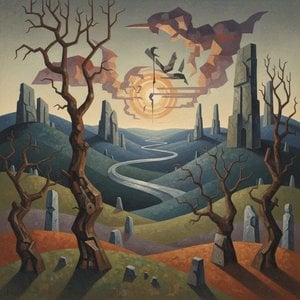
Druid Landscape

- 59.0 x 41.0 cm


 Ler mais
Giclée / Impressão de Arte
Impressão giclée ou em tela de qualidade de museu, com produção rápida e opções flexíveis de acabamento. ( Comprar pintura feita à mão Alternar para Imagem Digital)




P118B €10

P118H €10

P118W €10

P438Z €10

P508JH €12

P508YH €12

P805H €10

P805Z €10

P919BZ €10

P919G €10

P919XJ €10

P959ZH €10

P968JZ €12

W106C €8

W218G €10

W218JH €8

W218Y €10

W307PJ €10

W316G €10

W316PJ €8

W316Y €10

W398PJ €8

W4111J €10

W500HY €15

W500JH €15

W692G €12

W849H €8

W940BG €15

W953PJ €8




Escolha entre os nossos tamanhos pré-definidos que respeitam as proporções originais da obra de arte.

Insira a largura e a altura desejadas para se ajustarem à sua moldura ou parede. Uma impressão pode ser apenas cortada, nunca ampliada além da imagem original; portanto, um tamanho com proporções diferentes resultará na perda de parte da imagem. Enviamos uma maquete digital para sua aprovação antes de realizarmos a impressão. A imagem exibida nesta página não mostra o corte real — apenas a maquete o faz.
Entrega mundial () em 2 semanas, em vez das 4/5 semanas padrão. (6 Novembro)

Envio expresso gratuito para todo o mundo

Tela de Linho de Alta Qualidade

Seguro de transporte completo

Garantia de Reembolso de Impostos Alfandegários

Garantia de Fidelidade Cromática

Política de Devolução em 100 Dias (Apenas para Defeitos)

Garantia de reembolso de 100%

Oferta de desconto por quantidade
 A opção de vidro está disponível apenas para tamanhos inferiores a 110 cm

Druid Landscape
Giclée / Impressão de Arte
Tamanho da Reprodução
-


Preço Total
€ 56
A Vision of the British Soul
Paul Nash’s Druid Landscape, painted in 1938, isn't merely a depiction of a landscape; it’s an immersion into a carefully constructed dreamscape. Created during a period of profound social and political upheaval – just before the outbreak of World War II – the painting offers a poignant reflection on Britain’s past, its relationship with nature, and the anxieties of a rapidly changing world. Nash, deeply influenced by the Romantic movement and particularly by the visionary works of William Blake, sought to capture not simply what he saw, but what he *felt* about the land itself. The canvas pulsates with an almost unsettling stillness, drawing the viewer into a realm where ancient symbols and modern anxieties intertwine.
- Subject Matter: The painting presents a stylized landscape dominated by a monumental stone circle, reminiscent of Stonehenge, set within a brooding, atmospheric valley. A solitary figure, seemingly lost in contemplation, stands before the stones, adding an element of human presence to this primordial scene.
- Style & Technique: Nash employs a distinctive blend of Surrealism and abstraction. Geometric shapes – circles, triangles, and angular lines – are layered over a subtly textured surface, creating a sense of depth and disorientation. The color palette is deliberately muted, dominated by blues, greens, and browns, evoking a mood of melancholy and mystery.
Echoes of the Past: Myth and Ritual
The title itself – Druid Landscape – immediately connects the painting to the ancient Celtic tradition of Druidism. While Nash wasn’t a practicing Druid, he was fascinated by the mythology and symbolism associated with these enigmatic figures. The stone circle, a recurring motif in his work, represents a connection to the past, a gateway to the spiritual realm, and a locus of power. It's easy to imagine the Druids performing rituals within this very space, seeking guidance from the spirits of nature. The solitary figure before the stones can be interpreted as an individual searching for meaning or confronting their own mortality – a timeless theme explored throughout art history.
Historical Context:Painted in 1938, the work reflects the growing anxieties surrounding impending war and the loss of traditional values. Nash’s use of ancient symbols served as a way to grapple with these uncertainties, suggesting that Britain's strength lay not in its military might, but in its connection to its roots.
Decoding the Symbols: Geometry and Emotion
Beyond the obvious references to Stonehenge, Druid Landscape is rich in symbolic detail. The geometric shapes – particularly the circles – are not merely decorative; they represent cycles of time, the interconnectedness of all things, and the underlying order of the universe. The muted color palette contributes to the painting’s overall sense of unease and introspection. Notice how the blues evoke a feeling of melancholy and distance, while the browns ground the scene in the earth. The placement of the figure is crucial; positioned slightly off-center, he seems both lost and strangely at peace within this otherworldly landscape.
- Circles: Represent cycles, unity, and spiritual connection.
- Angular Lines: Suggest tension, disruption, and the anxieties of the modern world.
- Color Palette: Evokes a mood of melancholy, mystery, and introspection.
A Timeless Masterpiece
Druid Landscape is more than just a painting; it’s an experience. It invites the viewer to step into a world where myth and reality blur, where ancient symbols resonate with contemporary concerns. Paul Nash's ability to capture both the beauty and the unsettling aspects of the British landscape—and the human condition—makes this work a truly remarkable achievement. Today, reproductions of Druid Landscape continue to captivate audiences, offering a glimpse into the mind of one of Britain’s most visionary artists.
Perguntas e Respostas
Que sentimento transmite "Druid Landscape", de Paul Nash?
"Druid Landscape", de Paul Nash transmite um sentimento Mysterious em uma atmosfera geral Mystical.
Quem criou "Druid Landscape" e quando?
Paul Nash criou "Druid Landscape" em 1938.
Qual é a técnica e a data de criação de "Druid Landscape", de Paul Nash?
A técnica de "Druid Landscape", de Paul Nash é Acrylic On Canvas, e a obra data de 1938.
Obras Relacionadas


Biografia do Artista
Paul Nash: Um Visionário Entre a Paisagem e o Conflito
Paul Nash, nascido em Kensington, Londres, em 1889, e falecido em Boscombe em 1946, emerge como uma figura central no desenvolvimento da arte moderna britânica. Sua trajetória artística, profundamente marcada por experiências pessoais e eventos históricos cruciais, o consagrou como um mestre na exploração da paisagem, tanto em sua beleza serena quanto em sua desolação causada pela guerra. Filho de um advogado e de uma mãe com sinais de instabilidade mental, Nash cresceu em Buckinghamshire, onde as paisagens bucólicas do interior inglês moldaram sua sensibilidade artística desde a infância. A mudança para Iver Heath, buscando melhorar a saúde da mãe, proporcionou-lhe um contato íntimo com a natureza, que se tornaria uma fonte inesgotável de inspiração. Sua educação formal na Parsons School of Art e na Slade School of Fine Art revelou um talento notável para a pintura paisagística, embora enfrentasse dificuldades no desenho figurativo, o que o impulsionou a buscar formas mais abstratas e expressivas. A influência de artistas como William Blake e J.M.W. Turner é evidente em suas primeiras obras, onde a força da natureza se manifesta através de cores vibrantes e composições dinâmicas. Nash também demonstrava um fascínio por elementos históricos presentes na paisagem inglesa – colinas antigas, círculos de pedras pré-históricas como Avebury e os montes de Wittenham Clumps –, que evocavam uma sensação de mistério e conexão com o passado. Essa busca por significado nas ruínas do tempo se traduziu em uma estética singular, onde a paisagem não era apenas um cenário, mas sim um palco para a contemplação da existência humana. A década de 1920 marcou uma virada em sua carreira, influenciada pela exposição de obras de Giorgio de Chirico, que o introduziu ao universo surrealista. Essa influência se manifestou na incorporação de objetos cotidianos em paisagens simbólicas, criando um diálogo entre o real e o imaginário. A Primeira Guerra Mundial interrompeu seu desenvolvimento artístico, mas também o transformou em um cronista visceral do conflito. Como artista oficial da guerra, Nash documentou a devastação dos campos de batalha com uma beleza perturbadora, como se a própria paisagem estivesse ferida pela violência humana. "The Menin Road", talvez sua obra mais emblemática desse período, é um testemunho pungente da desolação e do sofrimento causados pela guerra, capturando a atmosfera opressiva e a fragilidade da vida em meio ao caos. Após o conflito, Nash retornou à pintura paisagística, mas com uma nova perspectiva, explorando temas como a relação entre o homem e a natureza, a passagem do tempo e a memória coletiva. A série "Aerial Creatures", produzida durante a Segunda Guerra Mundial, demonstra sua evolução estilística, apresentando imagens oníricas de aviões caídos em paisagens desoladas, carregadas de simbolismo e melancolia. Nash desempenhou um papel fundamental na cena artística britânica do século XX, sendo um dos fundadores do grupo Unit One em 1933, que buscava integrar a arte moderna com as tradições da pintura inglesa. Sua obra transcendeu as fronteiras do surrealismo, incorporando elementos de romantismo e modernismo para criar uma linguagem visual única e inconfundível. A capacidade de Nash de transformar paisagens ordinárias em visões poéticas e carregadas de significado o consagrou como um dos artistas mais importantes da história da arte britânica, deixando um legado duradouro que continua a inspirar e emocionar gerações de espectadores. Sua contribuição para a arte da guerra também é inegável, oferecendo uma perspectiva singular sobre os horrores do conflito e suas consequências devastadoras na paisagem humana e natural.Reconhecimento e Legado
- Pioneiro do Modernismo Britânico: Nash desempenhou um papel crucial na formação da arte moderna britânica, unindo a pintura de paisagem tradicional com a estética modernista.
- Legado na Arte da Guerra: Suas pinturas de guerra são consideradas representações icônicas do impacto do conflito tanto nos soldados quanto no meio ambiente.
- Grupo Unit One: Ele co-fundou o grupo Unit One em 1933, juntamente com Ben Nicholson e Barbara Hepworth, um marco importante na cena artística britânica.
- Escritor e Designer: Além da pintura, Nash era também um escritor respeitado sobre arte e projetava artes aplicadas como cenários de teatro, tecidos e cartazes.

Paul Nash
1889 - 1946 , Reino Unido
Dados Rápidos
- Artistas Influenciados: ['Artistas modernos']
- Artistas Que Influenciaram:
- William Blake
- J.M.W. Turner
- Data De Falecimento: 11 de julho de 1946
- Data De Nascimento: 11 de maio de 1889
- Local De Nascimento: Kensington, Reino Unido
- Movimento Artístico: Modernismo, Surrealismo
- Nacionalidade: Britânico
- Nome Completo: Paul Nash
- Obras Notáveis: ['The Menin Road']
Artigos Relacionados

Os 10 Mestres da Paisagem Romântica: Arte para Inspirar a Sua Casa
Descubra os 10 quadros mais emblemáticos da Paisagem Romântica! Explore a história de Turner, Friedrich e outros mestres. Encontre reproduções de arte exclusivas para inspirar sua decoração em ArtsDot.com.
Paul Nash: Modernism, Myth & the British Landscape – A Visionary Artist
Explore the evocative landscapes & poignant war art of Paul Nash (1889-1946), a key figure in British Modernism. Discover his unique style and lasting impact on art history with ArtsDot.

John Constable: As 25 Obras-Primas que Definem o Mestre da Paisagem Inglesa | ArtsDot
Descubra as 25 obras-primas de John Constable, o mestre da paisagem inglesa! Explore a arte romântica, cores vibrantes e histórias fascinantes por trás de 'Hay Wain' e outras pinturas icônicas. Encontre reproduções de alta qualidade para decorar sua casa com ArtsDot.com.

Paul Cézanne: As 25 Obras-Primas que Definiram um Gênio da Arte Moderna | ArtsDot
Descubra as 25 obras-primas de Paul Cézanne, o mestre do pós-impressionismo! Explore a história, técnica e cores vibrantes por trás de quadros icônicos como 'Les Baigneurs' e 'Mont Sainte-Victoire'. Encontre reproduções de arte exclusivas para decorar sua casa com elegância em ArtsDot.com.

Paul Klee: As 25 Obras-Primas que Definem um Mestre da Arte Moderna | ArtsDot
Descubra as 25 obras-primas de Paul Klee, um mestre da arte moderna! Explore a história, cores e significado por trás de seus quadros icônicos. Encontre reproduções de alta qualidade para decorar sua casa com estilo em ArtsDot.com.
