


The picture follows your choices: , .
Descrição do Item
Explore uma obra-prima de Gustave Doré! Esta gravura em preto e branco impressionista retrata uma cena épica da literatura romana, destacando detalhes técnicos incríveis e emoções profundas.
 Ler mais
Biografia do Artista
Explore as dramáticas gravuras e ilustrações de Gustave Doré (1832-1883). Mestre do Romantismo, famoso pelas cenas bíblicas, Inferno de Dante e obras literárias. Descubra sua arte influente!
Reprodução em Óleo Feita à Mão
Óleo sobre tela pintado à mão no tamanho e moldura de sua escolha, feito sob encomenda pelos nossos artistas. ( Alternar para Impressão Alternar para Imagem Digital)
More about this painting
 Visualizar na parede
 Compartilhar
 Compartilhar
 Detalhes
 Guia
Guia

 Baixar imagem
 Semelhantes
 Raio X
 Ver diaporama
 Q&A
Q&A Estatísticas
Order your painting in four simple steps
Take your time. You can change any answer; the price in your order card follows each choice.
1 Step one of four
Which size would you like?
These sizes keep the proportions of the original painting. The drawing shows your choice on a wall, above a two-metre sofa.
Or give your own measurements
Escolha entre os nossos tamanhos pré-definidos que respeitam as proporções originais da obra de arte.

Insira a largura e a altura desejadas para se ajustarem à sua moldura ou parede. Como esta obra é pintada à mão, para um tamanho com proporções diferentes, o artista poderá pintar um pouco mais ao redor da imagem ou reduzir ligeiramente a composição — você escolhe. Enviamos uma maquete digital para sua aprovação antes de iniciar a pintura. A imagem exibida nesta página não representa o resultado real — apenas a maquete mostra o resultado final.
2 Step two of four
How should it be prepared: rolled, stretched or framed?
The prices below are for the size you chose in step one.
Choose the edges of the stretched canvas
Choose your frame

White €1

Blurside €1

Extended €1

P118B €10

P118H €10

P118W €10

P438Z €10

P508JH €12

P508YH €12

P805H €10

P805Z €10

P919BZ €10

P919G €10

P919XJ €10

P959ZH €10

P968JZ €12

W106C €8

W218G €10

W218JH €8

W218Y €10

W307PJ €10

W316G €10

W316PJ €8

W316Y €10

W398PJ €8

W4111J €10

W500HY €15

W500JH €15

W692G €12

W849H €8

W940BG €15

W953PJ €8

H24-GOLD €30

H24-SILVER €30

H36-GOLD €45

H36-SILVER €45
Com moldura
Moulding: . Overall size with the frame: .
3 Step three of four
Would you like anything changed in the painting?
Most people answer no. Because each painting is made by hand, our artist can also adapt it for you.
After order, ArtsDot.com team will email client for instructions and provide a mockup preview
4 Step four of four
A few finishing options
All of them are optional. The answers already selected cost nothing extra.
Who paints it?
Entrega mundial () em 3 a 4 semanas, em vez das 5 semanas padrão. (1 Novembro). Sem comprometer a qualidade.
A nameplate, as in a museum?
Detalhes da Placa de Bronze Gravada
This elegant plaque features the artist's name and the title of the artwork, finely engraved for a timeless presentation.
It is made from bronze with a refined, elegant finish. The text is precisely laser-engraved for a sharp and permanent result. Measuring 9x2 cm, the plaque is compact yet easy to read. It's built to be durable and scratch-resistant, offering a professional, museum-quality look. Mounting is simple thanks to the included adhesive backing.
Detalhes da Placa de Acrílico Transparente
The plaque includes essential engraved details such as the artist's name, the title of the artwork, the date it was created, the type of media used-like oil on canvas or watercolor-a brief description of the piece, and a QR code that links to the complete artwork information.
It is crafted from clear acrylic, offering a sleek, modern appearance. The text is UV-engraved in black to ensure strong visual contrast. With a size of 10x15 cm, it ensures optimal readability. It comes equipped with two metal hooks for secure wall mounting. The plaque is designed to be weather-resistant, making it suitable for various environments, and it includes interactive features that work seamlessly with smartphone scanning.
Detalhes da Placa de Acrílico Preto
This elegant plaque includes engraved information such as the artist's name, the title of the artwork, the date it was created, the type of media used (like oil on canvas or watercolor), a short description of the artwork, and a QR code for quick access to more information.
The plaque itself is made from refined black acrylic with a premium finish. The text is laser-engraved in white for high contrast and readability. Its size is 10x15 cm, designed to be easy to read. It comes with two metal hooks for professional mounting. The design is sleek and fits any interior style. It is also weather-resistant and durable, with built-in digital integration for mobile compatibility.
A protective varnish?
When do you need it?
✓ Check and order
Your painting, as you ordered it

Thais
Técnica de Reprodução
Tamanho da Reprodução
-

Artista Sênior de Elite
Mais detalhes, refinamento e tempo de produção adicional
-

Moldura para Reprodução
-
-
Para obras de arte ou reproduções com mais de 105 cm (aproximadamente 41 polegadas) em qualquer um dos lados, a moldura será enviada como um kit desmontado. Este método garante uma entrega segura e evita danos durante o transporte.
Montagem profissional necessária — este não é um produto DIY (faça você mesmo).
O kit deve ser montado e a tela esticada por um profissional de molduraria experiente, utilizando cola de madeira (não inclusa), um alicate de esticar tela e grampos para manter as travessas alinhadas enquanto a cola seca. A montagem incorreta ou a tensão desigual da tela podem danificar permanentemente a obra de arte e não estão cobertas pela nossa garantia.
 Para obras de arte ou reproduções com mais de 105 cm (aproximadamente 41 polegadas) em qualquer um dos lados, a moldura será enviada como um kit desmontado. Este método garante uma entrega segura e evita danos durante o transporte.
Todas as barras de madeira maciça estão incluídas, precisamente cortadas ao tamanho certo.
Montado com os parafusos fornecidos, além de cola para madeira para as junções dos cantos, que não está inclusa e deve ser providenciada pelo seu moldurista.
São necessárias ferramentas profissionais não incluídas: um alicate de estiramento de tela (esticador) e grampos para manter as ripas alinhadas enquanto a cola seca.
Importante:
As junções dos cantos requerem cola para madeira, as ripas devem ser mantidas com grampos até que a cola esteja completamente seca, e o estiramento da tela na moldura montada requer um alicate de esticar tela. Nenhum destes itens está incluído no kit. Por favor, certifique-se de contar com um profissional de molduraria experiente antes de encomendar este tamanho.

Etiqueta de identificação
-
-

Verniz de Proteção
Verniz brilhante (realça as cores e protege contra a luz e a umidade)
-

Personalizar minha obra
Exemplos de alterações possíveis: Substituir o rosto por uma foto do cliente; Adicionar um animal de estimação (ex.: substituir gato por cachorro); Incluir uma mensagem oculta no fundo; Alterar a paisagem ou os elementos do fundo.
-

Urgente
Entrega mundial () em 3 a 4 semanas, em vez das 5 semanas padrão. (1 Novembro). Sem comprometer a qualidade.
-
Envio Expresso
Entrega mundial para em 5 semanas. (8 Novembro).
Com envio incluído
Preço Total
€ 345
A opção de vidro está disponível apenas para tamanhos inferiores a 110 cm
Included with every order
- Envio expresso gratuito para todo o mundo
- Tela de Linho de Alta Qualidade
- Seguro de transporte completo
- Garantia de Reembolso de Impostos Alfandegários
- Garantia de Fidelidade Cromática
- Política de Devolução em 100 Dias (Apenas para Defeitos)
- Garantia de reembolso de 100%
- Oferta de desconto por quantidade


Uma Jornada Dramática na Ilustração Romântica: Uma Análise da Obra "Thais" de Gustave Doré
A obra “Thais” de Gustave Doré, uma ilustração monumental do poema épico italiano “O Inferno” de Dante Alighieri, transcende a mera reprodução visual para se tornar um testemunho poderoso da estética romântica e da maestria técnica do artista francês. Criada em 1869, esta gravura em madeira captura um momento crítico da narrativa divina, onde Virgílio guia Dante através do primeiro círculo do Inferno, confrontando-se com uma figura feminina emblemática: Thais, a prostituta que responde às palavras apaixonadas de seu amante com uma beleza perturbadora e uma expressão carregada de arrependimento. Doré não apenas reproduz o texto poético, mas o transforma em imagem visceral, utilizando uma linguagem visual rica em simbolismo e emoção que permanece relevante até hoje.- Estilo Romântico Elevado: Doré incorpora os princípios fundamentais do romantismo francês, como a valorização da emoção intensa, o foco na experiência subjetiva e a busca pela beleza sublime. Sua abordagem estética se distancia das normas clássicas da época, privilegiando uma visão dramática e expressiva que reflete a influência filosófica de Hegel e Schopenhauer.
- Técnica Gravúrgica Precisa: A obra demonstra o domínio absoluto da técnica gravúrgica, especificamente a água-forte (técnica utilizada por Doré), onde linhas incisas em uma placa de cobre ou aço são transferidas para papel através de tinta vegetal aplicada em relevo. Esta metodologia permite obter detalhes impressionantes e tonalidades sutis que enriquecem significativamente o impacto visual da imagem.
- Composição Dramática: A composição é cuidadosamente planejada para transmitir uma sensação de movimento e tensão narrativa. O ponto focal é representado pela pedra rochosa central, onde Virgílio e Dante estão posicionados, enquanto figuras secundárias adicionam profundidade à cena e reforçam o clima de desespero e tormento espiritual.
Simbolismo Religioso e Moral: Uma Interpretação Profunda
Doré não apenas retrata um episódio específico da obra de Dante, mas também explora temas universais como pecado, redenção e o confronto entre razão e emoção. Thais simboliza a tentação humana e a beleza ilusória que pode desviar o homem do caminho da virtude. Sua postura contemplativa e expressão melancólica evocam a ideia da fragilidade humana diante das forças superiores da natureza e da moralidade divina. O artista utiliza elementos simbólicos como luz e sombra para criar uma atmosfera carregada de emoção e transmitir uma mensagem ética sobre a importância da consciência espiritual.- A Luz como Alegoria: Doré emprega uma estratégia iluminística que enfatiza o contraste entre luz e sombra, representando a luta entre o bem e o mal. A luz divina guia Dante através do Inferno, enquanto as sombras simbolizam os pecados e as dificuldades enfrentadas pelo homem na busca pela salvação.
- Detalhes Anatômicos e Expressões Faciais: Doré demonstra uma atenção meticulosa aos detalhes anatômicos e às expressões faciais das figuras retratadas. Essas características contribuem para criar personagens complexos e convincentes, capazes de transmitir emoções profundas como medo, dor e arrependimento.
Influência Romântica na Arte Contemporânea: Uma Legado Duradouro
A obra “Thais” permanece uma referência constante na história da arte contemporânea, inspirando artistas e designers em diversas áreas. Sua estética dramática e expressiva influenciou obras de pintura barroca e neoclássica, além de peças de teatro e cinema. Doré estabeleceu um novo padrão para a ilustração literária, demonstrando como uma imagem pode transmitir ideias e emoções poderosas que transcendem o texto escrito.- Reinterpretações Modernas: O estilo romântico de Doré continua presente em obras contemporâneas que exploram temas relacionados à mitologia grega, à literatura clássica e à psicologia humana. Sua abordagem estética influenciou artistas como Edvard Munch e James Abbott McNeill Whistler.
- Inspiração para o Design Interior: Os elementos visuais da obra “Thais”, como a composição dramática e o uso de luz e sombra, podem ser aplicados em projetos de design interior para criar ambientes que evocam emoções profundas e transmitam mensagens significativas.
Perguntas e Respostas
Como "Thais" se integra aos temas e ao estilo de Gustave Doré?
"Thais" compartilha com as outras obras de Gustave Doré o seu estilo Romantic Realism e os temas recorrentes: doré’s romantic vision, biblical narrative depth, dramatic emotional impact, illustrative legacy brilliance.
Posso ver "Thais", de Gustave Doré sob diferentes luzes?
A visualização em Raio-X de "Thais", de Gustave Doré está disponível na página Raio X da obra: um exame interativo da imagem através de onze camadas ópticas.
A que período da carreira de Gustave Doré pertence "Thais"?
"Thais" pertence ao Mature Period da carreira de Gustave Doré. Esta classificação relaciona a obra ao desenvolvimento do artista.
Obras Relacionadas


Gustave Doré
1832 - 1883, França
Biografia do Artista
A Life Etched in Shadow and Light: The World of Gustave Doré
Paul Gustave Louis Christophe Doré, known to the world as Gustave Doré, was a figure who straddled the worlds of illustration, painting, and sculpture with an astonishing virtuosity. Born in Strasbourg, France, on January 6th, 1832, his life unfolded during a period of immense social and artistic change, a time when Romanticism still held sway but was giving way to new currents of realism and symbolism. Even as a child, Doré displayed a precocious talent, not merely in drawing—which he began at an incredibly young age—but also in a personality that hinted at the dramatic flair which would come to define his work. Stories abound of youthful pranks demonstrating a maturity beyond his years, foreshadowing the complex and often melancholic themes that would permeate his art. He embarked on his professional career remarkably early, at just fifteen years old, as a caricaturist for the French journal *Le Journal pour rire*, honing his skills in observation and composition within the bustling world of Parisian satire.From Caricature to Literary Giants: The Rise of an Illustrator
Doré’s early commissions laid the foundation for his future renown. Works like *Les Travaux d'Hercule* (1847), *Trois artistes incompris et mécontents* (1851), and *Les Dés-agréments d'un voyage d'agrément* (1851) showcased a burgeoning talent for dynamic composition and a masterful use of light and shadow, even in these relatively modest beginnings. He was deeply influenced by the illustrations of J.J. Grandville, whose fantastical imagery and satirical edge resonated with Doré’s own developing style. However, it was through his collaborations with literary giants that Doré truly ascended to prominence. In 1853, he received a commission to illustrate the works of Lord Byron, an undertaking which opened doors to further prestigious projects. The monumental task of illustrating the Bible followed, a project that would cement his reputation and bring his art before a vast international audience. His illustrations for Cervantes’ *Don Quixote* in the 1860s were particularly impactful, profoundly influencing subsequent interpretations of the characters and narrative. He wasn't merely illustrating these stories; he was reimagining them, imbuing them with a dramatic intensity that captured the imagination of readers worldwide. The oversized edition of Edgar Allan Poe’s “The Raven,” completed in 1883, earned him an impressive 30,000 francs from Harper & Brothers, demonstrating the commercial success alongside the artistic acclaim he had achieved. His collaboration with Blanchard Jerrold on *London: A Pilgrimage* (1872) was a particularly poignant and controversial work, depicting the stark realities of Victorian London’s poverty and sparking debate about social conditions.A Master of Technique: Wood Engraving and Romantic Vision
Doré's artistic prowess lay not only in his imaginative vision but also in his technical mastery, particularly in wood engraving. He possessed an extraordinary ability to create incredibly detailed and dramatic images through this medium, a skill that allowed for the mass production and widespread dissemination of his work. His compositions are characterized by their dynamism, strong contrasts between light and shadow—a technique known as chiaroscuro—and a sense of grandeur that often evokes a feeling of awe or even terror. He frequently employed a large team of block-cutters to translate his designs into wood engravings, enabling the efficient production needed to meet the demands of publishers and readers alike. His style is firmly rooted in the Romantic tradition, emphasizing emotion, imagination, and the sublime—a fascination with the overwhelming power of nature and the human condition. He wasn’t merely recording scenes; he was interpreting them through a lens of heightened emotionality and dramatic flair. This approach, while celebrated by many, also drew criticism from some contemporaries who found his work overly theatrical or sensationalized.Notable Works and Lasting Influence
Doré's prolific output spanned a vast range of subjects and styles. His illustrations for Dante’s *Inferno* remain perhaps his most iconic achievement, capturing the terrifying visions of hell with unparalleled intensity. Similarly, his interpretations of Milton’s *Paradise Lost* and Cervantes’ *Don Quixote* are celebrated for their grandeur and dramatic flair. Beyond these monumental projects, Doré produced countless illustrations for popular literature, including works by Balzac, Coleridge, and Poe. His depictions of London—particularly *London: A Pilgrimage*, which offered a stark portrayal of poverty and social injustice—left a lasting impact on the public’s perception of the city. Despite facing some criticism during his lifetime—some found his style overly dramatic or lacking in subtlety—Doré's work is now celebrated for its artistic merit and historical importance. His illustrations continue to shape our understanding of classic literature and Victorian society, offering a powerful visual interpretation of timeless stories and enduring themes. He died on January 23rd, 1883, leaving behind an immense body of work that continues to captivate and inspire. *His art remains a testament to the power of illustration to not only depict but also to interpret and transform the world around us.*Key Characteristics
- Dramatic Composition: Doré’s works are renowned for their dynamic arrangements, often featuring sweeping vistas and figures in dramatic poses.
- Chiaroscuro: His masterful use of light and shadow creates a powerful sense of depth and atmosphere.
- Romantic Intensity: Doré's illustrations are infused with emotion, imagination, and a fascination with the sublime.
- Technical Skill: He was a highly skilled wood engraver, capable of producing incredibly detailed and intricate images.


Artigos Relacionados

Romantic Realism's Finest: 10 Masterpieces for Your Home | ArtsDot
Explore 10 defining masterpieces of Romantic Realism! Discover Courbet, Millet & Daumier's powerful paintings—capturing emotion and social realities. Find museum-quality reproductions for your home at ArtsDot.com.

Dante Gabriel Rossetti: As 25 Obras-Primas do Mestre Pré-Rafaelita | ArtsDot
Descubra as 25 obras-primas de Dante Gabriel Rossetti, o mestre pré-rafaelita! Explore a beleza, simbolismo e paixão em pinturas icônicas como 'Proserpina' e 'Beata Beatrix'. Encontre reproduções de arte exclusivas para transformar sua casa com ArtsDot.com.
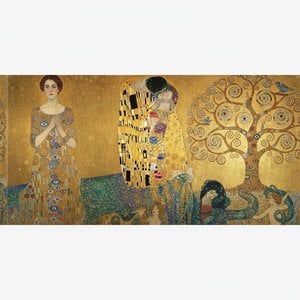
Gustav Klimt: As 25 Obras-Primas que Definem um Ícone da Arte e Decoração
Descubra as 25 obras-primas de Gustav Klimt, ícone da Secession Vienense e do Art Nouveau. Explore a beleza dourada, o simbolismo e a paixão em cada pintura. Encontre reproduções de arte exclusivas para decorar sua casa com elegância na ArtsDot.com!