


A imagem segue as suas escolhas: , .
Descrição do Item
A stunning botanical illustration by Pancrace Bessa from 1835, depicting a vibrant poppy flower. This exquisite stipple engraving showcases Bessa's mastery of detail and color, capturing the beauty of nature.
 Ler mais
Biografia do Artista
Discover Pancrace Bessa (1772-1846), a French master of botanical art! Explore his exquisite flower & fruit illustrations, stipple engraving, and legacy in 19th-century natural history painting.
Reprodução em Óleo Feita à Mão
Óleo sobre tela pintado à mão no tamanho e moldura de sua escolha, feito sob encomenda pelos nossos artistas. ( Alternar para Impressão Alternar para Imagem Digital)
Saiba mais sobre esta pintura
 Visualizar na parede
 Compartilhar
 Compartilhar
 Detalhes
 Guia
Guia

 Baixar imagem
 Semelhantes
 Raio X
 Ver diaporama
 Perguntas e Respostas
 Estatísticas
Encomende a sua pintura em quatro passos simples
Não tenha pressa. Você pode alterar qualquer resposta; o preço no seu carrinho de compras será atualizado conforme cada escolha.
1 Passo um de quatro
Qual tamanho você gostaria?
Estes tamanhos mantêm as proporções da pintura original. A ilustração mostra a sua escolha numa parede, acima de um sofá de dois metros.
Ou informe suas próprias medidas
Escolha entre os nossos tamanhos pré-definidos que respeitam as proporções originais da obra de arte.

Insira a largura e a altura desejadas para se ajustarem à sua moldura ou parede. Como esta obra é pintada à mão, para um tamanho com proporções diferentes, o artista poderá pintar um pouco mais ao redor da imagem ou reduzir ligeiramente a composição — você escolhe. Enviamos uma maquete digital para sua aprovação antes de iniciar a pintura. A imagem exibida nesta página não representa o resultado real — apenas a maquete mostra o resultado final.
2 Passo dois de quatro
Como deve ser preparado: enrolado, esticado ou emoldurado?
Os preços abaixo referem-se ao tamanho escolhido na primeira etapa.
Escolha as bordas da tela esticada
Escolha sua moldura

Branco €1

Bordas esfumaçadas €1

Bordas estendidas €1

P118B €10

P118H €10

P118W €10

P438Z €10

P508JH €12

P508YH €12

P805H €10

P805Z €10

P919BZ €10

P919G €10

P919XJ €10

P959ZH €10

P968JZ €12

W106C €8

W218G €10

W218JH €8

W218Y €10

W307PJ €10

W316G €10

W316PJ €8

W316Y €10

W398PJ €8

W4111J €10

W500HY €15

W500JH €15

W692G €12

W849H €8

W940BG €15

W953PJ €8

H24-GOLD €30

H24-SILVER €30

H36-GOLD €45

H36-SILVER €45
Com moldura
Moldura: . Dimensões totais com a moldura: .
3 Passo três de quatro
Gostaria de alterar algo na pintura?
A maioria das pessoas responde que não. Como cada pintura é feita à mão, nosso artista também pode adaptá-la para você.
Após o pedido, a equipe da ArtsDot.com enviará um e-mail ao cliente para instruções e fornecerá uma prévia da montagem
4 Passo quatro de quatro
Algumas opções de acabamento
Todos eles são opcionais. As respostas já selecionadas não têm custo adicional.
Quem o pintou?
Entrega mundial () em 3 a 4 semanas, em vez das 5 semanas padrão. (6 Novembro). Sem comprometer a qualidade.
Uma placa de identificação, como em um museu?
Detalhes da Placa de Bronze Gravada
This elegant plaque features the artist's name and the title of the artwork, finely engraved for a timeless presentation.
It is made from bronze with a refined, elegant finish. The text is precisely laser-engraved for a sharp and permanent result. Measuring 9x2 cm, the plaque is compact yet easy to read. It's built to be durable and scratch-resistant, offering a professional, museum-quality look. Mounting is simple thanks to the included adhesive backing.
Detalhes da Placa de Acrílico Transparente
The plaque includes essential engraved details such as the artist's name, the title of the artwork, the date it was created, the type of media used-like oil on canvas or watercolor-a brief description of the piece, and a QR code that links to the complete artwork information.
It is crafted from clear acrylic, offering a sleek, modern appearance. The text is UV-engraved in black to ensure strong visual contrast. With a size of 10x15 cm, it ensures optimal readability. It comes equipped with two metal hooks for secure wall mounting. The plaque is designed to be weather-resistant, making it suitable for various environments, and it includes interactive features that work seamlessly with smartphone scanning.
Detalhes da Placa de Acrílico Preto
This elegant plaque includes engraved information such as the artist's name, the title of the artwork, the date it was created, the type of media used (like oil on canvas or watercolor), a short description of the artwork, and a QR code for quick access to more information.
The plaque itself is made from refined black acrylic with a premium finish. The text is laser-engraved in white for high contrast and readability. Its size is 10x15 cm, designed to be easy to read. It comes with two metal hooks for professional mounting. The design is sleek and fits any interior style. It is also weather-resistant and durable, with built-in digital integration for mobile compatibility.
Um verniz protetor?
Para quando você precisa?
✓ Verifique e peça
A sua pintura, conforme encomendada

Untitled
Técnica de Reprodução
Tamanho da Reprodução
-

Artista Sênior de Elite
Mais detalhes, refinamento e tempo de produção adicional
-

Moldura para Reprodução
-
-
Para obras de arte ou reproduções com mais de 105 cm (aproximadamente 41 polegadas) em qualquer um dos lados, a moldura será enviada como um kit desmontado. Este método garante uma entrega segura e evita danos durante o transporte.
Montagem profissional necessária — este não é um produto DIY (faça você mesmo).
O kit deve ser montado e a tela esticada por um profissional de molduraria experiente, utilizando cola de madeira (não inclusa), um alicate de esticar tela e grampos para manter as travessas alinhadas enquanto a cola seca. A montagem incorreta ou a tensão desigual da tela podem danificar permanentemente a obra de arte e não estão cobertas pela nossa garantia.
 Para obras de arte ou reproduções com mais de 105 cm (aproximadamente 41 polegadas) em qualquer um dos lados, a moldura será enviada como um kit desmontado. Este método garante uma entrega segura e evita danos durante o transporte.
Todas as barras de madeira maciça estão incluídas, precisamente cortadas ao tamanho certo.
Montado com os parafusos fornecidos, além de cola para madeira para as junções dos cantos, que não está inclusa e deve ser providenciada pelo seu moldurista.
São necessárias ferramentas profissionais não incluídas: um alicate de estiramento de tela (esticador) e grampos para manter as ripas alinhadas enquanto a cola seca.
Importante:
As junções dos cantos requerem cola para madeira, as ripas devem ser mantidas com grampos até que a cola esteja completamente seca, e o estiramento da tela na moldura montada requer um alicate de esticar tela. Nenhum destes itens está incluído no kit. Por favor, certifique-se de contar com um profissional de molduraria experiente antes de encomendar este tamanho.

Etiqueta de identificação
-
-

Verniz de Proteção
Verniz brilhante (realça as cores e protege contra a luz e a umidade)
-

Personalizar minha obra
Exemplos de alterações possíveis: Substituir o rosto por uma foto do cliente; Adicionar um animal de estimação (ex.: substituir gato por cachorro); Incluir uma mensagem oculta no fundo; Alterar a paisagem ou os elementos do fundo.
-

Urgente
Entrega mundial () em 3 a 4 semanas, em vez das 5 semanas padrão. (6 Novembro). Sem comprometer a qualidade.
-
Envio Expresso
Entrega mundial para em 5 semanas. (13 Novembro).
Com envio incluído
Preço Total
€ 235
A opção de vidro está disponível apenas para tamanhos inferiores a 110 cm
Incluído em todos os pedidos
- Envio expresso gratuito para todo o mundo
- Tela de Linho de Alta Qualidade
- Seguro de transporte completo
- Garantia de Reembolso de Impostos Alfandegários
- Garantia de Fidelidade Cromática
- Política de Devolução em 100 Dias (Apenas para Defeitos)
- Garantia de reembolso de 100%
- Oferta de desconto por quantidade


Pancrace Bessa’s “Untitled”: A Window into 1835 Paris
Pancrace Bessa's "Untitled," painted in 1835, isn’t merely a depiction of a poppy; it’s a carefully constructed tableau brimming with quiet observation and the burgeoning spirit of Romanticism. Born in Paris amidst the artistic ferment of the early 19th century, Bessa was a master of botanical illustration, trained initially by the exacting Gerard van Spaendonck – a lineage that instilled within him an unparalleled dedication to detail and a profound understanding of color and texture. This piece, though lacking a formal title, speaks volumes about his skill and artistic sensibility. The composition is deceptively simple: a vibrant red poppy dominates the foreground, its petals rendered with astonishing realism, each vein and delicate curve meticulously captured. Yet, it’s not simply a botanical study; the inclusion of two smaller, less defined flowers in the background, alongside three figures – their identities deliberately obscured – introduces an element of narrative ambiguity, inviting the viewer to contemplate the scene's deeper meaning.
- Technique: Bessa’s mastery lies primarily in his use of stipple engraving, a technique perfected during this era. This method, demanding immense patience and control, allowed him to build up layers of tone and color through tiny dots, creating an incredibly rich and textured surface. The effect is remarkably tactile; one can almost feel the velvety softness of the petals and the delicate weight of the leaves.
- Color Palette: The painting’s palette is dominated by a striking contrast between the fiery red of the poppy and the verdant greens of its foliage. These colors aren't merely descriptive; they evoke a sense of vitality, passion, and perhaps even a hint of melancholy – a common theme in Romantic art.
- Historical Context: Bessa’s work reflects the broader artistic trends of his time. The Romantic movement, which emphasized emotion, individualism, and the beauty of nature, was gaining momentum in Europe. Botanical illustration, often considered a ‘minor’ genre, provided a crucial avenue for artists to engage with the natural world and explore its inherent symbolism.
The Language of Flowers: Symbolism Within the Scene
Beyond its technical brilliance, “Untitled” is rich in symbolic meaning. The poppy itself carries a complex history of associations – representing sleep, death, remembrance, and even beauty. Its prominence in the composition immediately draws our attention, suggesting a central theme or message. The presence of the three figures adds another layer of interpretation. They are not portraits; their anonymity encourages speculation about their roles within the scene. Are they observers? Participants? Perhaps they represent the fleeting nature of human experience against the backdrop of enduring natural beauty? The subtle positioning of these figures – one on the left, two towards the bottom – creates a sense of depth and invites us to consider our own relationship with the subject matter.
Note: It’s important to remember that symbolism is often culturally specific. While poppies generally represent remembrance, other interpretations may apply depending on the viewer's background and perspective.Bessa’s Legacy and the Reproduction Process
Pancrace Bessa enjoyed considerable success during his lifetime, exhibiting regularly at the prestigious Paris Salon. His meticulous botanical illustrations were highly sought after by royalty and collectors alike. Today, his work is recognized for its exceptional detail, technical skill, and evocative atmosphere. When commissioning a reproduction of “Untitled,” it’s crucial to understand that these are not simply copies; they are painstakingly crafted works of art in their own right, mirroring Bessa's original techniques. The process involves skilled artists meticulously recreating the stipple engraving effect, carefully matching the color palette and ensuring an accurate representation of the painting’s texture and depth.
- Material Quality: High-quality reproductions utilize archival inks on fine art paper to ensure longevity and preserve the artwork's vibrancy.
- Detail Replication: The reproduction process prioritizes faithful replication of Bessa’s stipple engraving technique, capturing the subtle nuances of tone and texture that define his style.
- Artistic Interpretation: While striving for accuracy, skilled artisans also bring their own artistic sensibility to the reproduction, ensuring a visually compelling and emotionally resonant result.
Bringing “Untitled” into Your Space
“Untitled” transcends its botanical subject matter to become a poignant meditation on beauty, mortality, and the human condition. Its rich colors, intricate details, and subtle symbolism make it an ideal addition to any interior space – whether a formal study, a sun-drenched conservatory, or a tranquil bedroom. The painting’s quiet elegance and evocative atmosphere create a sense of serenity and contemplation, inviting viewers to pause and appreciate the simple wonders of the natural world. A carefully reproduced version offers a tangible connection to this remarkable artist and his timeless vision, allowing you to bring a piece of 19th-century Parisian artistry into your home.
Perguntas e Respostas
Qual paleta e cor predominante definem "Untitled"?
A identidade cromática de "Untitled", de Pancrace Bessa: uma paleta Neutrals, dominada por White (#eeeee9).
Qual tamanho de impressão de "Untitled", de Pancrace Bessa se adequa ao ambiente recomendado?
Para um(a) Living Room, sugere-se que "Untitled" seja impresso no tamanho Medium.
Em que ano foi criada a obra "Untitled", de Pancrace Bessa?
"Untitled" data de 1835. A data situa a obra na carreira de Pancrace Bessa e em sua época.
Obras Relacionadas


Pancrace Bessa
1772 - 1846, France
Biografia do Artista
Pancrace Bessa: A Life in Botanical Art
Early Life and Education
Pancrace Bessa (January 1, 1772 – June 11, 1846) was a French natural history artist celebrated for his exquisite botanical illustrations. Born in Paris, France, Bessa embarked on his artistic journey as a student of the esteemed engraver Gerard van Spaendonck. This foundational training instilled in him a meticulous attention to detail and a refined technique that would characterize his later work.
Artistic Development and Influences
Bessa’s artistic development was significantly shaped by his association with Pierre-Joseph Redouté, another prominent botanical artist of the era. The influence of Redouté is evident in Bessa's delicate treatment of subjects and his ability to capture the subtle nuances of plant life. He honed a masterful use of stipple engraving, an essential technique for color printing at the time.
Career and Salon Exhibitions
Bessa established himself as a regular exhibitor at the prestigious Paris Salons between 1806 and 1831. This consistent presence showcased his talent to a wide audience and solidified his reputation within the artistic community. His work quickly gained recognition for its accuracy, beauty, and scientific value.
Patronage and Royal Commissions
A pivotal moment in Bessa’s career came in 1816 when he received patronage from the Duchesse de Berry, daughter-in-law of King Charles X of France. This support not only provided financial stability but also led to opportunities to provide painting lessons to the de Berry family – a connection echoing the artistic traditions of the Très riches heures du duc de Berry. Furthermore, Bessa dedicated much of his later career to working on the Velins du Roi (Royal Vellum Collection) from 1823 until his death.
Major Works and Collaborations
- Histoire des arbres forestiers de l'amerique septentrionale: A collaborative project with Redouté, showcasing North American trees.
- L’herbier général de l'amateur: Bessa prepared approximately 572 watercolours for this extensive herbarium compiled by Mordant de Launey and Loiseleur-Longchamp.
- Description des plantes cultivées à Malmaison et à Navarre: This work featured nine illustrations by Bessa alongside fifty-four by Redouté.
- Flore des jardiniers: Published in 1836, this was Bessa’s final major publication.
Artistic Style and Technique
Bessa's style is characterized by its precision, delicate rendering of detail, and vibrant color palettes. He primarily focused on fruit and flowers, occasionally depicting birds and mammals. His mastery of stipple engraving allowed him to create richly textured and visually appealing botanical illustrations.
Historical Significance
In the early nineteenth century, Bessa, alongside artists like Redouté, Jean-Louis Prévost, Lancelot-Théodore Turpin de Crissé, and Madame Vincent, played a crucial role in elevating France to a position of pre-eminence in botanical painting. His work not only contributed to the aesthetic beauty of the era but also advanced scientific understanding through accurate depictions of plant life. Bessa’s legacy continues to inspire artists and botanists today.
Artigos Relacionados

Victorian Botanical Painting: Science, Art & Aesthetic Sensibility
Explore the exquisite world of Victorian botanical art! Discover the science & artistry behind stunning floral illustrations by Gould, Muckley & more. Learn about collecting, value & investment at ArtsDot.

The Flourishing Canvas: A Historical Journey Through Botanical Illustration
Explore the captivating history of botanical illustration! Discover renowned artists like Robert Havell & Mary Walcott, learn about techniques, and find museum-quality art at ArtsDot.com.
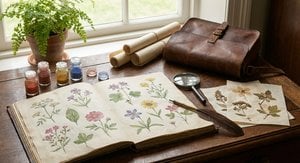
The Flourishing Canvas: A Historical Journey Through Botanical Illustration
Explore the captivating history of botanical illustration! Discover renowned artists like Robert Havell & Mary Walcott, learn about techniques, and find museum-quality art at ArtsDot.com.