


 Visualizar na parede
 Compartilhar
 Compartilhar
 Detalhes

 Baixar imagem
 Semelhantes
 Raio X
 Slideshow
 Estatísticas
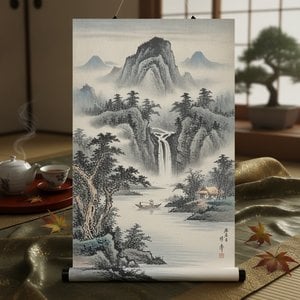
Purification Rite
 Japanese Traditional Art
 112.0 x 27.0 cm
 Ler mais
Giclée / Impressão de Arte
Impressão giclée ou em tela de qualidade de museu, com produção rápida e opções flexíveis de acabamento. ( Comprar pintura feita à mão Alternar para Imagem Digital)




































Escolha entre os nossos tamanhos pré-definidos que respeitam as proporções originais da obra de arte.

Você pode inserir suas próprias dimensões para se ajustar a uma moldura ou espaço específico. Se o tamanho selecionado não corresponder às proporções da imagem original, iremos recortar a obra de arte ou estender a imagem com uma borda espelhada ou preenchimento sólido. Um mockup digital será enviado para sua aprovação antes do início da produção.
Por favor, observe que a visualização na tela não reflete o recorte ou a extensão real. Apenas o mockup mostrará com precisão a composição final.
Embora tamanhos personalizados estejam disponíveis, recomendamos selecionar uma dimensão da lista predefinida para preservar as proporções originais.
Entrega mundial () em 2 semanas, em vez das 4/5 semanas padrão. (9 Setembro)

Envio expresso gratuito para todo o mundo

Tela de Linho de Alta Qualidade

Seguro de transporte completo

Garantia de Reembolso de Impostos Alfandegários

Garantia de Fidelidade Cromática

Política de Devolução de 100 Dias (Apenas Defeitos)

Garantia de reembolso de 100%

Oferta de desconto por quantidade
 A opção de vidro está disponível apenas para tamanhos inferiores a 110 cm

Purification Rite
Giclée / Impressão de Arte
Tamanho da Reprodução
-


Preço Total
$ 62
Obras Relacionadas


Biografia do Artista
Ōtagaki Rengetsu: A Life Woven in Ink and Clay
Ōtagaki Rengetsu (1791-1875) remains a singular figure in Japanese art history, an enigma wrapped in the serene beauty of her waka poetry and the understated elegance of her pottery. More than just a nun, a poet, or a potter, she was a confluence of disciplines—a warrior’s daughter raised in the refined traditions of Kyoto, a Buddhist practitioner who found solace and expression through art, and a remarkably perceptive observer of nature. Her life, marked by profound loss and quiet resilience, shaped an artistic vision that continues to resonate with its simplicity, depth, and profound connection to the natural world.
Born Nobu into a family steeped in samurai tradition—her father a military attendant for the Iga clan—Rengetsu’s early life was far from the contemplative existence she would later embrace. She was adopted by the Ōtagaki family, becoming a lady-in-waiting at Kameyama Castle at the tender age of eight. This period instilled in her a rigorous education encompassing courtly manners, martial arts (including jujutsu and swordsmanship), calligraphy, flower arranging, and the intricacies of tea ceremony—skills that would later inform both her poetry and her ceramics. Tragedy struck early; she lost her adoptive mother and stepbrother, followed by the deaths of her own children, leaving her a solitary figure amidst the bustling world of Kyoto.
The Path to Monastic Life and Artistic Flourishing
In 1815, Rengetsu entered the Chion-in temple as a nun, taking the name “Rengetsu,” meaning “Lotus Moon.” This transition marked a profound shift in her life, offering her refuge from personal sorrow and a framework for dedicating herself to spiritual practice. Initially, her monastic role was limited, facing restrictions common to women within Buddhist communities at the time. However, she persevered, seeking out opportunities to hone her artistic skills and engage with other artists, notably Tomioka Tessai, a renowned potter who became a mentor and friend. It was during this period that Rengetsu’s distinctive style began to emerge—a quiet confidence in her brushstrokes, an appreciation for the subtle textures of clay, and a deep understanding of the interplay between form and emptiness.
A Poet of Quiet Contemplation
Rengetsu's waka poetry is perhaps her most celebrated legacy. Her poems, often written on simple slips of paper, are characterized by their understated elegance, profound observations of nature, and a subtle undercurrent of melancholy. Unlike the elaborate courtly verse prevalent at the time, Rengetsu’s work eschewed ornate language and complex metaphors, instead focusing on direct sensory experience—the rustling of leaves, the flight of birds, the changing seasons. Her poems are imbued with a sense of quiet contemplation, reflecting her own journey through loss and acceptance. Themes of impermanence, solitude, and the beauty of simplicity permeate her work, offering glimpses into a soul deeply attuned to the rhythms of life and death.
Rengetsu Ware: A Ceramic Legacy
Alongside her poetry, Rengetsu was a remarkably skilled potter, producing what is now known as “Rengetsu ware.” This distinctive style of ceramics—primarily focused on *sumi-e* inspired landscapes—is characterized by its minimalist aesthetic, use of rough, unglazed clay, and subtle variations in texture. Unlike the polished perfection of many other ceramic styles, Rengetsu ware embraces imperfections, celebrating the natural qualities of the material. Her pieces often depict scenes of nature—grasses, reeds, stones, and water—rendered with a delicate touch and an intuitive understanding of form. The absence of glaze allows the earthy tones of the clay to shine through, creating a tactile and visually arresting effect.
Legacy and Enduring Influence
Ōtagaki Rengetsu’s impact extends far beyond her individual artistic achievements. She defied societal expectations by pursuing both art and spiritual practice with unwavering dedication—a rare combination in 19th-century Japan. Her work continues to inspire artists and scholars today, offering a powerful example of how creativity can emerge from adversity and how art can serve as a means of profound self-expression. The rediscovery of her poetry and ceramics in the late 20th century has cemented her place as one of Japan’s most important female artists, a testament to the enduring power of her vision—a vision rooted in simplicity, nature, and the quiet beauty of the human spirit.

ōtagaki rengetsu
1791 - 1871
Dados Rápidos
- Artistic Movement Or Style: Buddhist art, waka poetry, Rengetsu ware
- Artists Or Movements Influenced By This Artist: ['Tomioka Tessai']
- Artists Who Influenced This Artist:
- Ozawa Roan
- Ueda Akinari
- Date Of Birth: Feb 10, 1791
- Date Of Death: Dec 10, 1875
- Full Name: Ōtagaki Rengetsu
- Nationality: Japanese
- Notable Artworks:
- Purification Rite
- When the nightingale returns.
- Deutzia Crenata
- Place Of Birth: Kyoto, Japan
Artigos Relacionados

Japonisme: How Japanese Woodblock Prints Revolutionized Western Art
Explore the profound impact of Japonisme on Western art. Discover how Japanese ukiyo-e woodblock prints revolutionized perspective, color, and composition for masters like Monet and Van Gogh, forever changing the course of modern art history.
Serenity on Canvas: A Guide to the Timeless Beauty of Japanese Landscape Painting
Discover the serene beauty of Japanese landscape painting. From Hokusai's iconic woodblock prints to meditative sumi-e ink washes, explore a visual journey through the 'floating world' and learn how to bring this timeless Zen aesthetic into your modern home decor.

Katsushika Hokusai: As 25 Obras-Primas que Definem um Mestre da Arte Japonesa
Descubra as 25 obras-primas de Katsushika Hokusai, o mestre do ukiyo-e! Explore a história por trás de 'A Grande Onda' e outras gravuras japonesas icônicas. Encontre reproduções de arte exclusivas para decorar sua casa com elegância em ArtsDot.com.

Timeless Elegance: Discovering the Soulful Beauty of Chinese Calligraphy for Sophisticated Home Interiors
Elevate your home with the serene beauty of Chinese calligraphy art. Explore our collection of hand-painted ink wash reproductions and bespoke commissions at ArtsDot.com. Discover museum-quality pieces designed to bring cultural elegance and tranquility to your modern interior.

A Era de Ouro Holandesa: 10 Mestras-Obras Imperdíveis para Decorar com Arte
Descubra as 10 obras-primas da Era de Ouro Holandesa! Explore a história, técnica e beleza atemporal de Rembrandt, Vermeer e outros mestres. Encontre reproduções de arte exclusivas para decorar sua casa com elegância em ArtsDot.com.