

 Visualizar na parede
 Compartilhar
 Compartilhar
 Detalhes
 Guia
Guia

 Baixar imagem
 Semelhantes
 Raio X
 Ver diaporama
 Perguntas e Respostas
 Estatísticas
Saviour Almighty and saints


 Ler mais
Giclée / Impressão de Arte
Impressão giclée ou em tela de qualidade de museu, com produção rápida e opções flexíveis de acabamento. ( Comprar pintura feita à mão Alternar para Imagem Digital)




P118B €10

P118H €10

P118W €10

P438Z €10

P508JH €12

P508YH €12

P805H €10

P805Z €10

P919BZ €10

P919G €10

P919XJ €10

P959ZH €10

P968JZ €12

W106C €8

W218G €10

W218JH €8

W218Y €10

W307PJ €10

W316G €10

W316PJ €8

W316Y €10

W398PJ €8

W4111J €10

W500HY €15

W500JH €15

W692G €12

W849H €8

W940BG €15

W953PJ €8




Escolha entre os nossos tamanhos pré-definidos que respeitam as proporções originais da obra de arte.

Insira a largura e a altura desejadas para se ajustarem à sua moldura ou parede. Uma impressão pode ser apenas cortada, nunca ampliada além da imagem original; portanto, um tamanho com proporções diferentes resultará na perda de parte da imagem. Enviamos uma maquete digital para sua aprovação antes de realizarmos a impressão. A imagem exibida nesta página não mostra o corte real — apenas a maquete o faz.
Entrega mundial () em 2 semanas, em vez das 4/5 semanas padrão. (4 Novembro)

Envio expresso gratuito para todo o mundo

Tela de Linho de Alta Qualidade

Seguro de transporte completo

Garantia de Reembolso de Impostos Alfandegários

Garantia de Fidelidade Cromática

Política de Devolução em 100 Dias (Apenas para Defeitos)

Garantia de reembolso de 100%

Oferta de desconto por quantidade
 A opção de vidro está disponível apenas para tamanhos inferiores a 110 cm

Saviour Almighty and saints
Giclée / Impressão de Arte
Tamanho da Reprodução
-


Preço Total
€ 56
Nicholas Roerich’s ‘Saviour Almighty and Saints’: A Tapestry of Faith and Spirit
Created in 1906 during the height of Nicholas Roerich's artistic explorations, “Saviour Almighty and Saints” is more than a depiction of biblical figures; it’s a profound meditation on faith, spirituality, and the interconnectedness of humanity. This monumental painting, dominated by the central figure of Jesus Christ, immediately draws the viewer into a realm of solemn grandeur. The composition skillfully employs depth and perspective, arranging the disciples and saints around him in a dynamic yet reverent manner. The overall effect is one of immense scale and spiritual weight, reflecting Roerich’s deep engagement with Eastern religious philosophies alongside his Western artistic training.
Art Nouveau Influence and Technique
Stylistically, “Saviour Almighty and Saints” firmly resides within the Art Nouveau movement, a period characterized by its flowing lines, organic forms, and emphasis on decorative elements. Roerich’s brushwork is notably loose and expressive, contributing to the painting's ethereal quality. He utilizes rich, layered glazing techniques – a hallmark of his style – to build up luminous colors and create a sense of atmospheric depth. The use of gold leaf, particularly in highlighting the figures of Christ and the saints, adds an opulent dimension, reflecting the devotional nature of the subject matter. The painting’s surface is textured with subtle impasto, further enhancing its tactile quality and visual interest.
Symbolism Rooted in Eastern Thought
Roerich's work was deeply influenced by his explorations of theosophy and other esoteric traditions, particularly those originating in the East. The arrangement of the saints isn’t merely a formal composition; it carries symbolic weight. Each figure represents a specific aspect of faith or virtue, contributing to a complex web of spiritual meaning. The placement of the additional figure on the left side adds another layer of interpretation, potentially representing a guardian angel or a manifestation of divine protection. The painting's overall narrative echoes themes prevalent in Eastern religious thought – the idea of interconnectedness between humanity and the cosmos, the importance of compassion and service, and the pursuit of spiritual enlightenment.
Historical Context and Roerich’s Vision
"Saviour Almighty and Saints" was created during a period of significant intellectual and artistic ferment. Roerich's work reflects this dynamism, blending Western artistic traditions with his own unique vision. His exploration of religious symbolism and spiritual themes would become central to his oeuvre, solidifying his reputation as one of the most original and influential artists of the early 20th century. This painting stands as a testament to Roerich’s unwavering belief in the power of art to inspire and uplift humanity, a conviction that permeated all aspects of his life and work.
Perguntas e Respostas
Como o contraste e a harmonia se combinam em "Saviour Almighty and saints"?
A composição cromática de "Saviour Almighty and saints", de Nicolás Roerich combina um contraste Statement com uma harmonia Discordant Palette.
Qual é o formato de "Saviour Almighty and saints"?
"Saviour Almighty and saints", de Nicolás Roerich é uma composição em Landscape. Vale a pena conferir as proporções antes de escolher o tamanho da impressão.
Existe uma ficha informativa sobre "Saviour Almighty and saints", de Nicolás Roerich para estudantes?
A página Ficha informativa de "Saviour Almighty and saints", de Nicolás Roerich oferece uma ficha informativa imprimível em duas folhas: a obra de arte com sua tabela de identificação, uma linha do tempo situando-a no período de vida do artista, outras obras do artista, a paleta de cores extraída e citações prontas para copiar em quatro estilos.
Obras Relacionadas


Biografia do Artista
A Life Immersed in Art and Spirit
Nicholas Roerich, born October 9, 1874, in the vibrant cultural heart of Saint Petersburg, Russia, was a figure whose life transcended the boundaries of artistic expression. He wasn’t merely a painter; he was an archaeologist, a writer, a philosopher, and a tireless advocate for peace and cultural preservation. His upbringing, steeped in both intellectual rigor – his father was a notary public – and artistic appreciation thanks to his mother, laid the foundation for a remarkably multifaceted career. Roerich simultaneously pursued studies in law and art at St. Petersburg University and the Imperial Academy of Arts beginning in 1893, demonstrating an early commitment to a broad understanding of the world. This dual path wasn’t contradictory for him; rather, it reflected a belief that artistic vision needed grounding in historical context and intellectual discipline. He received his artist designation in 1897 and completed his law degree the following year, setting the stage for a life dedicated to both creative exploration and reasoned action.The Allure of Symbolism and Theatrical Innovation
Roerich’s artistic development was profoundly shaped by the currents of Russian Symbolism, a movement that sought to evoke emotional and spiritual depths through evocative imagery and suggestive forms. He quickly became involved with Sergei Diaghilev's influential “World of Art” society, eventually assuming its presidency from 1910 to 1916. This association proved pivotal, exposing him to a network of innovative artists, composers, and thinkers who were redefining the landscape of Russian art. His early work revealed a fascination with archaeology and stage design, leading to groundbreaking collaborations with Diaghilev’s Ballets Russes. Roerich's designs for productions like Alexander Borodin's *Prince Igor* (1909) and, most famously, Igor Stravinsky’s revolutionary *The Rite of Spring* (1913), were not simply backdrops; they were integral components of the theatrical experience. He blended meticulous historical research with a bold imaginative vision, creating visually stunning environments that amplified the emotional power of the music and choreography. These designs weren't merely decorative; they were attempts to evoke primordial forces and ancient rituals, reflecting the Symbolist interest in myth and spirituality. His work was also influenced by apocrypha and medieval sectarian writings like the Dove Book, adding layers of esoteric meaning to his artistic creations.A Journey Towards Mysticism and Himalayan Visions
As Roerich’s career progressed, his paintings underwent a significant transformation, increasingly embracing mystical and spiritual themes. This shift was fueled by his growing interest in Theosophy and Eastern religions, philosophies that emphasized the interconnectedness of all things and the pursuit of inner wisdom. His *Architectural Studies* series (1904–1905) showcased not only his architectural skill but also a deep commitment to preserving cultural heritage, foreshadowing his later advocacy for protecting art during times of conflict. Recurring motifs began to emerge in his work: majestic landscapes, ancient cities shrouded in mystery, and figures imbued with spiritual significance like St. Panteleimon and Kuan Yin. He embarked on extensive travels throughout Central Asia, conducting archaeological research and documenting ancient cultures, experiences that deeply informed his artistic vision and reinforced his belief in the importance of cultural understanding. The Himalayas became a central subject in his paintings, representing not just a geographical location but a realm of profound spiritual power and enlightenment – a place he considered to be the source of all creative energy.Key Works & Continuing Relevance
- Saint Nicholas: A detailed monochrome mural showcasing medieval art and heraldic symbolism.
- City: Evocative depictions of ancient urban landscapes, reflecting his archaeological interests.
- Lake of the Nagas: A tempera painting blending symbolism and nature, exemplifying his unique artistic vision.
A Pioneer in Cultural Preservation
Beyond his artistic achievements, Nicholas Roerich was a passionate advocate for the protection of cultural treasures. Recognizing the devastating impact of war on art and architecture, he dedicated much of his life to raising awareness about this threat and promoting international cooperation to safeguard these invaluable legacies. His tireless efforts culminated in the creation of the Roerich Pact in 1935 – an unprecedented agreement among nations aimed at preventing the destruction of cultural property during armed conflicts. This initiative demonstrated his profound commitment to humanity and earned him multiple nominations for the Nobel Peace Prize, solidifying his place as a true humanitarian figure. His work serves as a powerful reminder that art is not merely aesthetic pleasure but also a vital link to our past and a crucial element in building a more peaceful future.
Nicolás Roerich
1874 - 1947 , Rússia
Dados Rápidos
- Artistic Movement Or Style: Simbolismo, Arte Espiritual
- Artists Or Movements Influenced By This Artist: ['Simbolismo Russo']
- Artists Who Influenced This Artist: ['Diaghilev']
- Date Of Birth: 9 de Outubro de 1874
- Date Of Death: 13 de Dezembro de 1947
- Full Name: Nicholas Roerich
- Nationality: Russo
- Notable Artworks:
- Saint Nicholas
- Cidade
- Lago dos Nagas
- Place Of Birth: São Petersburgo, Rússia
Artigos Relacionados

The Enduring Legacy of Fine Art Prints: Technique, History & Aesthetic Impact
Explore the rich history & techniques of fine art prints. Discover investment potential, assess authenticity, and learn how to preserve your collection with expert guidance. Trusted insights for discerning collectors.

Nicholas Roerich: Mysticism, Mountains & the Search for Ageless Wisdom in Art
Explore the captivating art of Nicholas Roerich – a visionary painter whose Himalayan landscapes blend spiritual mysticism with cultural preservation. Discover his legacy & symbolism.

Giclée Prints: Archival Quality & Aesthetic Nuances for the Discerning Collector
Explore the world of giclée prints with ArtsDot. Learn about archival quality, aesthetic nuances & investment potential. Expert guidance for discerning art collectors seeking museum-quality reproductions and lasting value.

Echoes of Time: Exploring the Enduring Appeal & Historical Context of Vintage Art Prints
Explore the captivating world of vintage art prints! Discover their history, collecting tips & enduring appeal. Expert insights on chromolithography and building a legacy collection with ArtsDot.
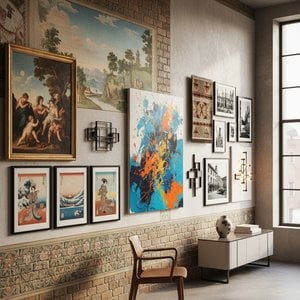
Transforming Spaces: A Comprehensive Exploration of Wall Decor Through Art History & Contemporary Practice
Explore the art of transforming spaces with our comprehensive guide to wall decor. From historical movements to contemporary trends, discover how to curate impactful interiors and commission bespoke artwork for a truly personalized aesthetic.


