


A imagem segue as suas escolhas: , .
Descrição do Item
A powerful Expressionist triptych by Max Beckmann featuring distorted figures and vibrant colors that explore social anxiety and human drama, inviting you to experience this masterpiece of German modernism.
 Ler mais
Biografia do Artista
Explore o poder e o simbolismo da arte de Max Beckmann (1884-1950). Figura chave do Expressionismo alemão, suas pinturas retratam figuras distorcidas e paisagens inquietantes refletindo o trauma da Primeira Guerra Mundial e temas existenciais.
Reprodução em Óleo Feita à Mão
Óleo sobre tela pintado à mão no tamanho e moldura de sua escolha, feito sob encomenda pelos nossos artistas. ( Alternar para Impressão Alternar para Imagem Digital)
Saiba mais sobre esta pintura
 Visualizar na parede
 Compartilhar
 Compartilhar
 Detalhes
 Guia
Guia

 Baixar imagem
 Semelhantes
 Raio X
 Ver diaporama
 Perguntas e Respostas
 Estatísticas
Encomende a sua pintura em quatro passos simples
Não tenha pressa. Você pode alterar qualquer resposta; o preço no seu carrinho de compras será atualizado conforme cada escolha.
1 Passo um de quatro
Qual tamanho você gostaria?
Estes tamanhos mantêm as proporções da pintura original. A ilustração mostra a sua escolha numa parede, acima de um sofá de dois metros.
Ou informe suas próprias medidas
Escolha entre os nossos tamanhos pré-definidos que respeitam as proporções originais da obra de arte.

Insira a largura e a altura desejadas para se ajustarem à sua moldura ou parede. Como esta obra é pintada à mão, para um tamanho com proporções diferentes, o artista poderá pintar um pouco mais ao redor da imagem ou reduzir ligeiramente a composição — você escolhe. Enviamos uma maquete digital para sua aprovação antes de iniciar a pintura. A imagem exibida nesta página não representa o resultado real — apenas a maquete mostra o resultado final.
2 Passo dois de quatro
Como deve ser preparado: enrolado, esticado ou emoldurado?
Os preços abaixo referem-se ao tamanho escolhido na primeira etapa.
Escolha as bordas da tela esticada
Escolha sua moldura

Branco €1

Bordas esfumaçadas €1

Bordas estendidas €1

P118B €10

P118H €10

P118W €10

P438Z €10

P508JH €12

P508YH €12

P805H €10

P805Z €10

P919BZ €10

P919G €10

P919XJ €10

P959ZH €10

P968JZ €12

W106C €8

W218G €10

W218JH €8

W218Y €10

W307PJ €10

W316G €10

W316PJ €8

W316Y €10

W398PJ €8

W4111J €10

W500HY €15

W500JH €15

W692G €12

W849H €8

W940BG €15

W953PJ €8

H24-GOLD €30

H24-SILVER €30

H36-GOLD €45

H36-SILVER €45
Com moldura
Moldura: . Dimensões totais com a moldura: .
3 Passo três de quatro
Gostaria de alterar algo na pintura?
A maioria das pessoas responde que não. Como cada pintura é feita à mão, nosso artista também pode adaptá-la para você.
Após o pedido, a equipe da ArtsDot.com enviará um e-mail ao cliente para instruções e fornecerá uma prévia da montagem
4 Passo quatro de quatro
Algumas opções de acabamento
Todos eles são opcionais. As respostas já selecionadas não têm custo adicional.
Quem o pintou?
Entrega mundial () em 3 a 4 semanas, em vez das 5 semanas padrão. (5 Novembro). Sem comprometer a qualidade.
Uma placa de identificação, como em um museu?
Detalhes da Placa de Bronze Gravada
This elegant plaque features the artist's name and the title of the artwork, finely engraved for a timeless presentation.
It is made from bronze with a refined, elegant finish. The text is precisely laser-engraved for a sharp and permanent result. Measuring 9x2 cm, the plaque is compact yet easy to read. It's built to be durable and scratch-resistant, offering a professional, museum-quality look. Mounting is simple thanks to the included adhesive backing.
Detalhes da Placa de Acrílico Transparente
The plaque includes essential engraved details such as the artist's name, the title of the artwork, the date it was created, the type of media used-like oil on canvas or watercolor-a brief description of the piece, and a QR code that links to the complete artwork information.
It is crafted from clear acrylic, offering a sleek, modern appearance. The text is UV-engraved in black to ensure strong visual contrast. With a size of 10x15 cm, it ensures optimal readability. It comes equipped with two metal hooks for secure wall mounting. The plaque is designed to be weather-resistant, making it suitable for various environments, and it includes interactive features that work seamlessly with smartphone scanning.
Detalhes da Placa de Acrílico Preto
This elegant plaque includes engraved information such as the artist's name, the title of the artwork, the date it was created, the type of media used (like oil on canvas or watercolor), a short description of the artwork, and a QR code for quick access to more information.
The plaque itself is made from refined black acrylic with a premium finish. The text is laser-engraved in white for high contrast and readability. Its size is 10x15 cm, designed to be easy to read. It comes with two metal hooks for professional mounting. The design is sleek and fits any interior style. It is also weather-resistant and durable, with built-in digital integration for mobile compatibility.
Um verniz protetor?
Para quando você precisa?
✓ Verifique e peça
A sua pintura, conforme encomendada

The acrobats
Técnica de Reprodução
Tamanho da Reprodução
-

Artista Sênior de Elite
Mais detalhes, refinamento e tempo de produção adicional
-

Moldura para Reprodução
-
-
Para obras de arte ou reproduções com mais de 105 cm (aproximadamente 41 polegadas) em qualquer um dos lados, a moldura será enviada como um kit desmontado. Este método garante uma entrega segura e evita danos durante o transporte.
Montagem profissional necessária — este não é um produto DIY (faça você mesmo).
O kit deve ser montado e a tela esticada por um profissional de molduraria experiente, utilizando cola de madeira (não inclusa), um alicate de esticar tela e grampos para manter as travessas alinhadas enquanto a cola seca. A montagem incorreta ou a tensão desigual da tela podem danificar permanentemente a obra de arte e não estão cobertas pela nossa garantia.
 Para obras de arte ou reproduções com mais de 105 cm (aproximadamente 41 polegadas) em qualquer um dos lados, a moldura será enviada como um kit desmontado. Este método garante uma entrega segura e evita danos durante o transporte.
Todas as barras de madeira maciça estão incluídas, precisamente cortadas ao tamanho certo.
Montado com os parafusos fornecidos, além de cola para madeira para as junções dos cantos, que não está inclusa e deve ser providenciada pelo seu moldurista.
São necessárias ferramentas profissionais não incluídas: um alicate de estiramento de tela (esticador) e grampos para manter as ripas alinhadas enquanto a cola seca.
Importante:
As junções dos cantos requerem cola para madeira, as ripas devem ser mantidas com grampos até que a cola esteja completamente seca, e o estiramento da tela na moldura montada requer um alicate de esticar tela. Nenhum destes itens está incluído no kit. Por favor, certifique-se de contar com um profissional de molduraria experiente antes de encomendar este tamanho.

Etiqueta de identificação
-
-

Verniz de Proteção
Verniz brilhante (realça as cores e protege contra a luz e a umidade)
-

Personalizar minha obra
Exemplos de alterações possíveis: Substituir o rosto por uma foto do cliente; Adicionar um animal de estimação (ex.: substituir gato por cachorro); Incluir uma mensagem oculta no fundo; Alterar a paisagem ou os elementos do fundo.
-

Urgente
Entrega mundial () em 3 a 4 semanas, em vez das 5 semanas padrão. (5 Novembro). Sem comprometer a qualidade.
-
Envio Expresso
Entrega mundial para em 5 semanas. (12 Novembro).
Com envio incluído
Preço Total
€ 235
A opção de vidro está disponível apenas para tamanhos inferiores a 110 cm
Incluído em todos os pedidos
- Envio expresso gratuito para todo o mundo
- Tela de Linho de Alta Qualidade
- Seguro de transporte completo
- Garantia de Reembolso de Impostos Alfandegários
- Garantia de Fidelidade Cromática
- Política de Devolução em 100 Dias (Apenas para Defeitos)
- Garantia de reembolso de 100%
- Oferta de desconto por quantidade


A Chaotic Symphony of Human Drama
In the profound and often unsettling world of Max Beckmann, The Acrobats emerges as a breathtaking spectacle of movement and existential tension. Painted in 1939, a year shadowed by the gathering storms of global conflict, this masterpiece serves as a vibrant yet distorted stage where humanity performs its most precarious balancing acts. The canvas is a dense, almost claustrophobic collage of figures, each caught in a moment of intense physical or emotional exertion. At first glance, the eye is drawn to the sheer variety of poses—some figures sit in quiet contemplation, while others are suspended in mid-motion, mimicking the daring feats of circus performers. This sense of a theatrical troupe, caught between a rehearsal and a performance, creates an atmosphere that is simultaneously energetic and deeply unsettling.
The composition defies traditional spatial logic, opting instead for a layered, almost dreamlike arrangement that pushes the boundaries of German Expressionism. Beckmann utilizes a technique reminiscent of medieval stained glass, where bold outlines and compressed spaces force the viewer to confront the weight of every figure. The background is cluttered with the mundane artifacts of domestic life—chairs, dining tables, and various household objects—yet these familiar items feel strangely displaced within this acrobatic chaos. This juxtaposition between the ordinary setting and the extraordinary physical feats suggests a deeper metaphor: that life itself is a continuous, often dangerous, performance played out against the backdrop of an unstable world.
Symbolism and the Expressionist Vision
To gaze upon The Acrobats is to witness Beckmann’s unique ability to translate personal and historical trauma into universal symbolism. Having been profoundly changed by his experiences as a medical orderly during World War I, Beckmann developed a visual language characterized by distorted forms and heavy, symbolic weight. In this work, the acrobats are not merely entertainers; they represent the fragility of the human condition. The act of balancing, of holding onto objects like books or bowls amidst a sea of shifting bodies, mirrors the struggle to maintain dignity and order in an era of encroaching madness. Every limb stretched toward an unseen goal and every tilted gaze carries the burden of social anxiety and existential dread.
The color palette plays a crucial role in driving this emotional impact. Beckmann employs vivid, often jarring colors that clash with one another, heightening the sense of psychological unrest. These hues do not merely decorate the scene; they pulse with the rhythm of the performance, guiding the viewer through the labyrinthine layers of the painting. For the discerning collector or interior designer, this piece offers more than just visual interest; it provides a profound intellectual and emotional anchor. A high-quality reproduction of such a work brings into a space a sense of historical gravity and a conversation about the resilience of the human spirit amidst chaos.
A Timeless Masterpiece for Modern Spaces
For those seeking to curate an environment filled with depth and narrative power, The Acrobats stands as an incomparable choice. Its complex layers of meaning and striking visual rhythm make it a centerpiece capable of transforming a room from a mere living space into a gallery of contemplation. Whether placed in a contemporary setting where its bold lines can contrast with minimalist decor, or in a more classical interior to provide a dramatic focal point, the painting commands attention through its sheer expressive force.
Owning a reproduction of this Beckmann masterpiece allows for an intimate connection with one of the 20th century's most significant artistic legacies. It is an invitation to explore the tension between movement and stillness, between the public spectacle and the private struggle. In every brushstroke of a faithful reproduction, the spirit of the German Expressionist movement lives on, offering timeless inspiration to anyone who finds beauty in the complex, the distorted, and the profoundly human.
Perguntas e Respostas
Que tipo de obra de arte é "The acrobats", de Max Beckmann?
"The acrobats" é uma obra de WallArt.
Posso ver uma imagem de raio-X de "The acrobats", de Max Beckmann?
"The acrobats" pode ser examinado camada por camada na página Raio X da obra, um visualizador inspirado em uma mesa de luz de conservação com onze leituras ópticas da imagem.
Que humor e emoção "The acrobats", de Max Beckmann transmite?
"The acrobats", de Max Beckmann transmite um sentimento Dramatic em uma atmosfera geral Dramatic.
Obras Relacionadas


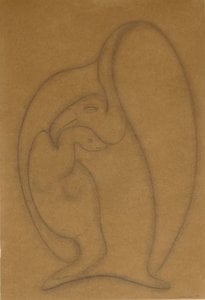


Max Beckmann
1884 - 1950, Alemanha
Biografia do Artista
early life and artistic development
Max Beckmann, a renowned german painter, draftsman, printmaker, sculptor, and writer, was born on february 12, 1884, in leipzig, saxony. his artistic journey began with academically correct depictions, which later transformed into distorted figures and spaces, reflecting his altered vision of humanity after serving as a medical orderly in world war i. The formative years instilled within him a profound sensitivity to human suffering and a rejection of idealized beauty—influences that would permeate his entire oeuvre. Beckmann’s initial artistic training focused on mastering traditional techniques, mirroring the stylistic conventions prevalent at the time. However, this grounding wouldn't prevent him from embarking on an audacious exploration of expressive abstraction.artistic style and influences
Beckmann's distinctive style—characterized by jagged lines, fragmented planes, and muted color palettes—was profoundly shaped by a constellation of artistic precedents. Cézanne’s geometric simplification served as a catalyst for his own compositional innovations, while Van Gogh’s emotive brushwork instilled in him an unwavering commitment to conveying psychological depth. Blake's visionary imagery captivated Beckmann's imagination, prompting him to delve into themes of myth and symbolism. Rembrandt’s masterful use of chiaroscuro—the dramatic interplay of light and shadow—became a cornerstone of his artistic vocabulary. Furthermore, Beckmann drew inspiration from northern european artists of the late middle ages and early renaissance, such as Bosch, Bruegel, and Matthias Grünewald, whose unsettling depictions of human folly and religious fervor resonated deeply with his artistic sensibilities. These influences coalesced into a singular aesthetic vision—one that prioritized emotional resonance over mere visual representation.notable works and exhibitions
Beckmann’s artistic output spanned decades, producing an astonishing array of paintings, prints, sculptures, and literary endeavors. Among his most celebrated creations are *The Bark*, acquired by the national gallery in berlin, a monumental canvas depicting a desolate landscape imbued with symbolic significance; *Self-Portrait in Tuxedo*, purchased in 1928, a haunting self-representation that captures Beckmann’s introspective gaze and psychological complexity; and retrospectives held at the Städelschule Mannheim (1928) and Basel & Zurich (1930), which cemented his reputation as one of Germany's foremost Expressionist artists. These exhibitions showcased the breadth and depth of his artistic exploration, demonstrating his mastery of various mediums and techniques.later life and exile
Beckmann’s fortunes took a decisive turn with the ascendancy of Adolf Hitler in germany, resulting in his dismissal from the art school in frankfurt and the confiscation of over 500 of his works—a devastating blow to his artistic career and personal liberty. Forced into self-imposed exile in amsterdam for ten years, Beckmann wrestled tirelessly against bureaucratic obstacles and legal challenges, desperately seeking a visa for the united states—a quest that ultimately proved fruitless. Despite these hardships, Beckmann continued to produce art during his exile, creating evocative landscapes and portraits that reflected the anxieties of his time.legacy
Max Beckmann’s enduring legacy resides in his uncompromising artistic vision—one that confronted existential questions with unflinching honesty and psychological acuity. He was recognized as a teacher at Washington University in St. Louis and the Brooklyn Museum, fostering the development of young artists who would carry forward his expressive idiom. His first retrospective in the united states occurred in 1948 at the city art museum, saint louis—a triumphant return to artistic recognition after years of obscurity. Beckmann’s oeuvre continues to inspire scholars and critics alike, cementing his place as a pivotal figure in german art history and a champion of expressive abstraction. His work remains accessible through ArtsDot.


Artigos Relacionados
Figurative Expressionism: Emotional Intensity & Subjective Reality in 20th-Century Art
Explore the powerful world of Figurative Expressionism with ArtsDot. Discover key artists like Kirchner & Beckmann, understand its emotional depth, and learn how to collect this influential 20th-century art movement.

The Visceral Cry of a Nation: Exploring Emotion & Distortion in German Expressionism
Explore the powerful world of German Expressionism with ArtsDot. Discover Kirchner, Nolde & Die Brücke's emotive masterpieces. Learn about this pivotal art movement and its lasting impact on modern art.

Expressionismo Alemão: 10 Obras-Primas que Moldaram a Arte Moderna | ArtsDot
Descubra as 10 obras-primas do Expressionismo Alemão que revolucionaram a arte moderna. Explore a paixão de Munch, Kirchner e Kandinsky! Reproduções de museu em ArtsDot.com. Explore a coleção online.