
 Visualizar na parede
 Compartilhar
 Compartilhar
 Detalhes
 Guia
Guia

 Baixar imagem
 Semelhantes
 Raio X
 Ver diaporama
 Perguntas e Respostas
 Estatísticas
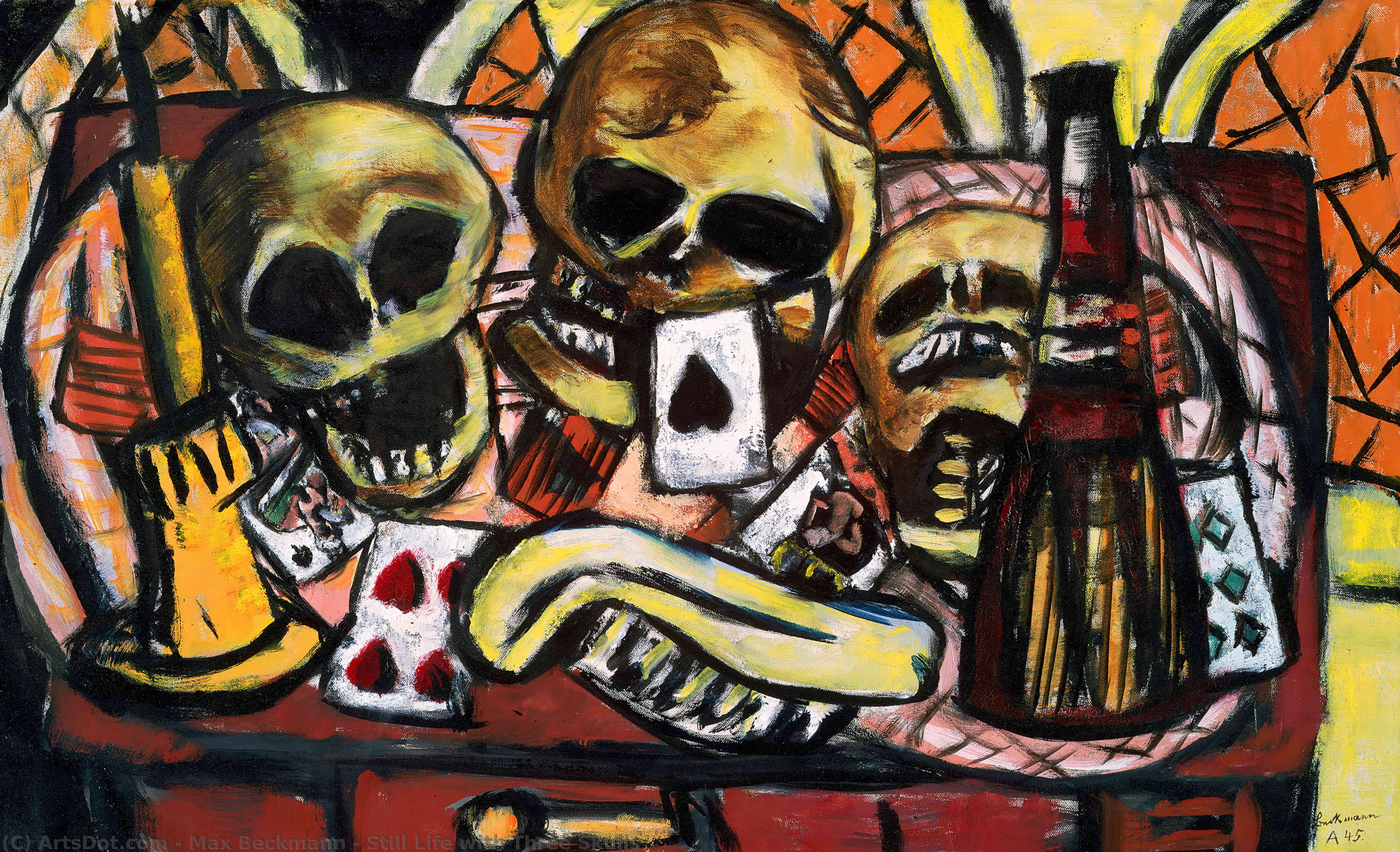
Still Life with Three Skulls


 Ler mais
Giclée / Impressão de Arte
Impressão giclée ou em tela de qualidade de museu, com produção rápida e opções flexíveis de acabamento. ( Comprar pintura feita à mão Alternar para Imagem Digital)




P118B €10

P118H €10

P118W €10

P438Z €10

P508JH €12

P508YH €12

P805H €10

P805Z €10

P919BZ €10

P919G €10

P919XJ €10

P959ZH €10

P968JZ €12

W106C €8

W218G €10

W218JH €8

W218Y €10

W307PJ €10

W316G €10

W316PJ €8

W316Y €10

W398PJ €8

W4111J €10

W500HY €15

W500JH €15

W692G €12

W849H €8

W940BG €15

W953PJ €8




Escolha entre os nossos tamanhos pré-definidos que respeitam as proporções originais da obra de arte.

Insira a largura e a altura desejadas para se ajustarem à sua moldura ou parede. Uma impressão pode ser apenas cortada, nunca ampliada além da imagem original; portanto, um tamanho com proporções diferentes resultará na perda de parte da imagem. Enviamos uma maquete digital para sua aprovação antes de realizarmos a impressão. A imagem exibida nesta página não mostra o corte real — apenas a maquete o faz.
Entrega mundial () em 2 semanas, em vez das 4/5 semanas padrão. (5 Novembro)

Envio expresso gratuito para todo o mundo

Tela de Linho de Alta Qualidade

Seguro de transporte completo

Garantia de Reembolso de Impostos Alfandegários

Garantia de Fidelidade Cromática

Política de Devolução em 100 Dias (Apenas para Defeitos)

Garantia de reembolso de 100%

Oferta de desconto por quantidade
 A opção de vidro está disponível apenas para tamanhos inferiores a 110 cm

Still Life with Three Skulls
Giclée / Impressão de Arte
Tamanho da Reprodução
-


Preço Total
€ 56
A Memento Mori in Modernity
In the hauntingly evocative Still Life with Three Skulls, the viewer is invited into a somber, introspective space where the boundaries between life and death blur through the lens of German Expressionism. Max Beckmann, a master of capturing the psychological weight of the human condition, presents a composition that transcends mere tabletop arrangement. The painting features three skulls arranged across a dark, textured surface, their hollow sockets staring back with an unsettling permanence. Interspersed among these skeletal remains are various bottles and a solitary knife, objects that ground the macabre subject matter in a domestic, almost mundane reality. This juxtaposition creates a profound tension, as the everyday items of life sit alongside the undeniable symbols of mortality.
The technique employed by Beckmann is nothing short of visceral. Eschewing the delicate smoothness of classical still lifes, he utilizes a bold, distorted approach to space and form that reflects his experience as a medical orderly during World War I. The brushwork feels heavy and deliberate, imbuing each object with a sense of sculptural weight. There is a rhythmic quality to the placement of the bottles—one perched in the upper right, another near the center, and a third anchoring the lower left—which guides the eye through a labyrinth of light and shadow. This use of chiaroscuro, reminiscent of the Old Masters like Rembrandt, serves to heighten the drama, pulling the skulls out of the darkness and forcing a confrontation with their stark, bony architecture.
Symbolism and the Weight of Existence
To gaze upon this work is to engage with the ancient tradition of memento mori—the reminder that death is an ever-present companion. However, Beckmann breathes a modern, existential dread into this classical theme. The skulls are not merely decorative symbols; they represent the fragility of the human ego and the inevitable decay of all material things. The presence of the knife adds a layer of latent violence or perhaps the surgical precision of fate, while the bottles suggest the fleeting pleasures of the senses that cannot stave off the end. For the collector or interior designer, this piece offers more than just visual interest; it provides a profound intellectual anchor for a room, sparking conversation about the cyclical nature of life and the enduring legacy of human struggle.
For those seeking to integrate such a powerful work into a curated space, a high-quality reproduction of Still Life with Three Skulls serves as a centerpiece of immense character. It is an ideal selection for a study, a library, or a sophisticated gallery wall where art is intended to provoke thought and evoke emotion. The painting’s dark palette and commanding presence allow it to harmonize with rich textures like leather, dark wood, and velvet, creating an atmosphere of timelessness and intellectual depth. Owning this piece is an invitation to contemplate the beauty found within the shadows and to appreciate the raw, unfiltered truth of the human experience as captured by one of the twentieth century's most significant artistic voices.
Perguntas e Respostas
O que representa "Still Life with Three Skulls"?
Os temas presentes em "Still Life with Three Skulls", de Max Beckmann incluem still life, skulls, memento mori, bottles, symbolism, german expressionism. Juntos, eles sintetizam o assunto da obra.
Qual é a atmosfera geral de "Still Life with Three Skulls", de Max Beckmann?
"Still Life with Three Skulls" possui uma atmosfera Dramatic.
Quais cores predominam em "Still Life with Three Skulls", de Max Beckmann?
"Still Life with Three Skulls", de Max Beckmann utiliza uma paleta Earthy, com Putty (#d3c39f) como cor dominante.
Obras Relacionadas




Biografia do Artista
early life and artistic development
Max Beckmann, a renowned german painter, draftsman, printmaker, sculptor, and writer, was born on february 12, 1884, in leipzig, saxony. his artistic journey began with academically correct depictions, which later transformed into distorted figures and spaces, reflecting his altered vision of humanity after serving as a medical orderly in world war i. The formative years instilled within him a profound sensitivity to human suffering and a rejection of idealized beauty—influences that would permeate his entire oeuvre. Beckmann’s initial artistic training focused on mastering traditional techniques, mirroring the stylistic conventions prevalent at the time. However, this grounding wouldn't prevent him from embarking on an audacious exploration of expressive abstraction.artistic style and influences
Beckmann's distinctive style—characterized by jagged lines, fragmented planes, and muted color palettes—was profoundly shaped by a constellation of artistic precedents. Cézanne’s geometric simplification served as a catalyst for his own compositional innovations, while Van Gogh’s emotive brushwork instilled in him an unwavering commitment to conveying psychological depth. Blake's visionary imagery captivated Beckmann's imagination, prompting him to delve into themes of myth and symbolism. Rembrandt’s masterful use of chiaroscuro—the dramatic interplay of light and shadow—became a cornerstone of his artistic vocabulary. Furthermore, Beckmann drew inspiration from northern european artists of the late middle ages and early renaissance, such as Bosch, Bruegel, and Matthias Grünewald, whose unsettling depictions of human folly and religious fervor resonated deeply with his artistic sensibilities. These influences coalesced into a singular aesthetic vision—one that prioritized emotional resonance over mere visual representation.notable works and exhibitions
Beckmann’s artistic output spanned decades, producing an astonishing array of paintings, prints, sculptures, and literary endeavors. Among his most celebrated creations are *The Bark*, acquired by the national gallery in berlin, a monumental canvas depicting a desolate landscape imbued with symbolic significance; *Self-Portrait in Tuxedo*, purchased in 1928, a haunting self-representation that captures Beckmann’s introspective gaze and psychological complexity; and retrospectives held at the Städelschule Mannheim (1928) and Basel & Zurich (1930), which cemented his reputation as one of Germany's foremost Expressionist artists. These exhibitions showcased the breadth and depth of his artistic exploration, demonstrating his mastery of various mediums and techniques.later life and exile
Beckmann’s fortunes took a decisive turn with the ascendancy of Adolf Hitler in germany, resulting in his dismissal from the art school in frankfurt and the confiscation of over 500 of his works—a devastating blow to his artistic career and personal liberty. Forced into self-imposed exile in amsterdam for ten years, Beckmann wrestled tirelessly against bureaucratic obstacles and legal challenges, desperately seeking a visa for the united states—a quest that ultimately proved fruitless. Despite these hardships, Beckmann continued to produce art during his exile, creating evocative landscapes and portraits that reflected the anxieties of his time.legacy
Max Beckmann’s enduring legacy resides in his uncompromising artistic vision—one that confronted existential questions with unflinching honesty and psychological acuity. He was recognized as a teacher at Washington University in St. Louis and the Brooklyn Museum, fostering the development of young artists who would carry forward his expressive idiom. His first retrospective in the united states occurred in 1948 at the city art museum, saint louis—a triumphant return to artistic recognition after years of obscurity. Beckmann’s oeuvre continues to inspire scholars and critics alike, cementing his place as a pivotal figure in german art history and a champion of expressive abstraction. His work remains accessible through ArtsDot.
Max Beckmann
1884 - 1950 , Alemanha
Dados Rápidos
- Artistic Movement Or Style: Expressionism
- Artists Or Movements Influenced By This Artist: ['Rembrandt']
- Artists Who Influenced This Artist:
- Georges Seurat
- Vincent van Gogh
- Date Of Birth: February 12, 1884
- Date Of Death: December 27, 1950
- Full Name: Max Carl Friedrich Beckmann
- Nationality: German
- Notable Artworks:
- The Bark
- Self-Portrait in Tuxedo
- Place Of Birth: Leipzig, Germany
Artigos Relacionados

Expressionismo Alemão: 10 Obras-Primas que Moldaram a Arte Moderna | ArtsDot
Descubra as 10 obras-primas do Expressionismo Alemão que revolucionaram a arte moderna. Explore a paixão de Munch, Kirchner e Kandinsky! Reproduções de museu em ArtsDot.com. Explore a coleção online.

Silent Narratives: Exploring the Enduring Appeal of Still Life Painting Across Centuries
Explore the rich history of still life painting with ArtsDot. Discover Dutch Masters, decode vanitas symbolism & learn about collecting timeless art. Expert insights and museum-quality reproductions.

The Visceral Cry of a Nation: Exploring Emotion & Distortion in German Expressionism
Explore the powerful world of German Expressionism with ArtsDot. Discover Kirchner, Nolde & Die Brücke's emotive masterpieces. Learn about this pivotal art movement and its lasting impact on modern art.

Clyfford Still's Abstract Expressionism: A Study of Color, Form & the Existential Landscape
Explore the profound world of Clyfford Still's Abstract Expressionism with ArtsDot. Discover his unique style, existential themes & investment potential. Expert analysis for discerning collectors.
The Enduring Appeal of Still Life: A Historical & Contemporary Exploration
Explore the rich history & symbolism of still life painting with ArtsDot. Discover masterpieces from the Dutch Golden Age, learn about vanitas art, and find expert guidance for collecting timeless artworks.


