

 Visualizar na parede
 Compartilhar
 Compartilhar
 Detalhes
 Guia
Guia

 Baixar imagem
 Semelhantes
 Raio X
 Ver diaporama
 Perguntas e Respostas
 Estatísticas
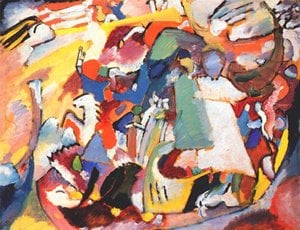
Bird's hell


 Ler mais
Obtenha um arquivo pronto para impressão que vai muito além da visualização na web. Cada imagem digital que vendemos provém de um arquivo mestre de alta resolução em nosso banco de dados — geralmente entre 5.000 e 15.000 pixels de largura — para que você possa imprimir em grandes formatos, realizar cortes precisos ou reproduzir detalhes minuciosos com total confiança.
Nenhum arquivo sai do nosso estúdio sem passar por um cuidadoso processo de revisão. Um especialista digital verifica as cores em relação à pintura original e as corrige se necessário, aumentando então a clareza e o detalhe com ferramentas profissionais de retoque — sempre mantendo a fidelidade às pinceladas e ao estilo do artista. O resultado é uma imagem que se assemelha à pintura, e não a um scan com filtros.
Aprovação antes da finalização: nosso especialista enviará a imagem por e-mail em até 72 horas para sua revisão. Não ficou satisfeito? Solicite melhorias ou correções, ou peça o reembolso caso a qualidade não atenda às suas expectativas.
Esta é a qualidade em que confiam editoras, estúdios de design, galerias e gráficas.
Imagem Digital
Baixe um arquivo de alta resolução para exibição pessoal, impressão e projetos criativos. ( Alternar para Impressão Comprar pintura feita à mão)
Incluído em cada compra de imagem digital
Entrega Digital Especializada e Garantida
Ao escolher o ArtsDot.com, você não está apenas adquirindo uma imagem — você está recebendo uma obra de arte digital profissionalmente aprimorada, elaborada com precisão e com garantia de satisfação. Aqui está tudo o que acompanha seu pedido, automaticamente:

Entrega rápida por e-mail
O seu arquivo de imagem digital em alta resolução será enviado por e-mail em até 72 horas após o pedido — pronto para uso imediato.

Arquivo Digital com IA Otimizado
Sua obra de arte é otimizada profissionalmente por meio de ferramentas avançadas de IA e edição manual, garantindo o máximo de detalhes, clareza e precisão de cores.

Reenvio gratuito vitalício
Apagou ou perdeu o seu ficheiro acidentalmente? Não se preocupe – nós reenviamos para si a qualquer momento, gratuitamente.

Sem Taxas de Importação - Sempre
Desfrute da sua obra de arte instantaneamente, sem taxas alfandegárias, impostos ou custos de entrega — downloads digitais são sempre isentos de taxas.

Garantia de Fidelidade de Cores
Garantimos que sua imagem digital reflita as cores originais com a maior fidelidade possível, utilizando ferramentas profissionais e gerenciamento de cores.

Garantia de satisfação de 100 dias
Se não estiver satisfeito com a sua imagem digital, nós a revisaremos ou reembolsaremos 100% dentro de 100 dias — sem perguntas.

Garantia de Reembolso 100%
Não está satisfeito? Receba o reembolso total em até 100 dias após o recebimento do seu arquivo digital — sem perguntas.

Descontos para pedidos em lote
Compre 3 imagens, economize 10% - Compre 5, economize 15% - Compre 10+, economize 20%. Ideal para projetos criativos, galerias e agências.
A Symphony of Chaos: Exploring Max Beckmann's "Bird's Hell"
To stand before Max Beckmann’s Bird's Hell is not merely to observe a painting; it is to be enveloped by an atmosphere—a vibrant, unsettling confluence of human drama and avian frenzy. This masterpiece from 1938 captures a moment suspended in time, yet vibrating with palpable energy. The scene unfolds within what appears to be an over-furnished, almost claustrophobic interior space. It is a tableau vivant of disarray, where the mundane objects of daily life—bowls, cups, bottles, and vases—seem to have accumulated until they form part of the very psychological landscape.
The sheer density of figures is breathtaking. Dozens of people are interwoven into the composition, some engaged in quiet contemplation, others caught mid-gesture, creating a sense of collective, yet individualized, turmoil. This teeming humanity, coupled with the riotous presence of numerous birds fluttering and perching everywhere, transforms the room into something mythic and deeply unsettling. It speaks to an overstimulation, a sensory overload that mirrors the anxieties of the era in which it was conceived.
Style, Technique, and Beckmann's Vision
Beckmann’s technique here is masterful in its ability to convey both meticulous detail and utter chaos. While his early work might have leaned toward academic precision, Bird's Hell showcases a mature style that channels the distorted energy of modernism. His influences—from the stained-glass narratives of medieval art to the emotional depth of Van Gogh—are visible in how he renders light and shadow across the cluttered surfaces. The application of paint is rich, giving weight to every discarded object while allowing the movement of the birds to suggest an almost ephemeral quality.
The composition itself is a masterclass in controlled pandemonium. Nothing feels accidental; every scattered item, every entangled limb, contributes to a narrative tension that pulls the viewer deeper into its depths. For those considering bringing this powerful aesthetic home through a reproduction, understanding this balance between meticulous rendering and emotional abandon is key—it promises drama without sacrificing artistic integrity.
Symbolism of Disorder and Humanity
The symbolism within Bird's Hell is notoriously rich and open to interpretation, which only enhances its enduring power. The birds, often symbols of the spirit or freedom, here seem almost predatory in their numbers, adding a layer of wildness to the human predicament. Coupled with the sheer accumulation of domestic clutter—the bowls, the cups—the painting suggests a critique of modern existence itself: a life so saturated with material possessions and social interaction that it verges on collapse. It is a meditation on excess, on the beautiful burden of too much being.
The sense of disorder does not equate to meaninglessness; rather, Beckmann elevates this chaos into a profound commentary on the human condition—a place where individual souls struggle against overwhelming societal pressures and sensory input. It invites us to pause our own hurried lives and examine what we are accumulating, both materially and emotionally.
Emotional Resonance for the Modern Collector
For the art lover or interior designer seeking a piece with undeniable narrative weight, Bird's Hell offers an unparalleled emotional anchor. It is not a painting meant to soothe; it is one designed to provoke thought, conversation, and deep introspection. Reproducing this work allows one to harness its dramatic energy within a contemporary setting. Imagine the visual impact of such a complex, emotionally charged piece anchoring a room—it becomes the focal point around which all other design elements must orbit.
Owning or displaying a reproduction of Bird's Hell is an embrace of complexity. It suggests that beauty can be found not just in serene perfection, but within the vibrant, messy, and utterly compelling reality of shared human experience.
Perguntas e Respostas
Onde posso comprar uma imagem digital de "Bird's hell", de Max Beckmann?
Uma imagem digital de "Bird's hell", de Max Beckmann pode ser adquirida em sua página de Imagem Digital de Alta Resolução: download de imagem digital em alta resolução.
Em que ano e em qual movimento foi feita a obra "Bird's hell"?
"Bird's hell" foi criada em 1938 como uma obra do movimento Surrealism. A data e o movimento situam a obra na história da arte.
A que fase da carreira de Max Beckmann corresponde a data de 1938 de "Bird's hell"?
"Bird's hell", criado em 1938, pertence ao Later life da carreira de Max Beckmann.
Obras Relacionadas




Biografia do Artista
A Vida e a Arte de Max Beckmann
Max Beckmann foi um homem de múltiplas disciplinas, atuando como pintor, desenhista, gravador, escultor e escritor. Ele chegou ao mundo em 12 de fevereiro de 1884, em Leipzig, Saxônia. Criado em uma família de classe média alta como o caçula de três filhos, seus primeiros anos foram moldados pela estabilidade tranquila de seu lar, até 1894, quando seu pai, Carl Beckmann, um comerciante de grãos, faleceu. Sua mãe, Antoine Beckmann, permaneceu como uma figura central em sua vida enquanto ele começava a encontrar seu caminho através das complexidades da existência moderna.
Sua obra frequentemente evocava uma confrontação com a realidade da condição humana. Ele não se limitava a pintar cenas; ele capturava a tensão de uma era em transformação através de uma grande variedade de meios. Sua produção era vasta, abrangendo desde telas de grandes dimensões até gravuras íntimas. Beckmann era um homem que buscava articular o peso da história através de suas mãos, utilizando frequentemente as ferramentas de seu ofício para processar as paisagens mutáveis do século XX.
- Autorretrato em Florença (1907)
- A Noite (1919)
- A Ponte de Ferro (Vista de Frankfurt) (1922)
- Autorretrato com Trompete (1938)
- O Filho Pródigo (1949)
Juventude e Formação Artística
Nascido no seio de uma família de classe média em Leipzig, Alemanha, Max Beckmann demonstrou desde cedo uma inclinação para o desenho. Seus esboços iniciais revelavam um talento precoce que já prenunciava a profundidade de sua obra posterior. Durante esses anos formativos, ele buscou o rigor das velhas tradições, treinando em um estilo acadêmico conservador que enfatizava a precisão técnica. Esse embasamento na técnica formal proporcionou-lhe uma base sólida, mesmo quando seu próprio espírito começou a desafiar os limites dos métodos convencionais.
À medida que amadurecia, Beckmann sentiu-se atraído pelos Mestres Antigos. Ele dedicou grande parte de seu tempo ao estudo de suas composições e ao domínio da forma, uma fascinação que acabaria por ajudá-lo a desenvolver um estilo surpreendentemente original. Ele não se contentava com a mera imitação; em vez disso, utilizou as lições do passado para construir uma linguagem visual pessoal. Este período de estudo foi marcado por uma tensão entre sua formação acadêmica e um desejo crescente de expressar algo mais profundo e menos estruturado.
Já em 1912, ele já abordava temas ambiciosos que exigiam um domínio de composição em grande escala. Uma dessas obras foi sua pintura do Naufrágio do Titanic, uma peça que demonstrava sua habilidade em lidar com narrativas complexas e dramáticas. Nesta fase, seu trabalho era caracterizado por representações academicamente corretas, focando no peso e na presença das figuras dentro de um espaço definido. Ele era, no íntimo, um pintor de história, utilizando a grandiosidade do passado para explorar a condição humana através de uma lente de forma estruturada e deliberada.
Experiências Durante a Primeira Guerra Mundial
O estopim da Primeira Guerra Mundial trouxe um fim súbito e violento à formação acadêmica de Max Beckmann. Ele não permaneceu como um mero espectador do conflito; em vez disso, voluntariou-se para servir no corpo médico. Trabalhando como ordenança médica, ele foi lançado na realidade direta do sofrimento humano. O mundo clínico e estruturado de seu treinamento inicial foi substituído pelas condições caóticas e angustiantes das linhas de frente.
O desgaste desse serviço tornou-se, eventualmente, insuportável. Enquanto estava estacionado na frente belga, o peso da devastação da guerra levou-o a um colapso nervoso. Ele foi licenciado do exército em 1915, retornando a uma vida que havia sido fundamentalmente alterada pelo que testemunhara. Os horrores que presenciou durante seu tempo no corpo médico desencadearam uma mudança radical em sua visão artística. A precisão acadêmica de sua juventude deu lugar a uma nova forma de ver, uma que refletia uma humanidade fraturada e atormentada.
Estilo Artístico e Técnica
A linguagem visual de Max Beckmann foi construída a partir de uma tensão constante entre a tradição e um impulso moderno e inquietante. Ele voltou o olhar para os Mestres Antigos, encontrando um alicerce nas obras de Rembrandt e Rubens, ao mesmo tempo em que absorvia as formas estruturadas de Cézanne e a pincelada emotiva de Van Gogh. Suas composições frequentemente evocavam uma sensação de aglomeração e compressão, utilizando espaços rasos e contornos escuros e pesados para projetar seus temas em direção ao espectador. Essa técnica criava uma atmosfera de claustrofobia, como se as figuras estivessem aprisionadas dentro da própria moldura. Com frequência, ele unia essa figuração distorcida a um realismo brutal, utilizando suas telas para oferecer uma crítica social mordaz do mundo que o cercava.
A aplicação física da tinta era o cerne de seu poder expressivo. Max Beckmann favorecia uma técnica magistral de impasto, aplicando o meio em pinceladas espessas e gestuais que conferiam às suas superfícies um peso palpável e denso. Essa textura adicionava um senso de urgência às suas representações da luta humana. Seus interesses não se limitavam à tradição ocidental; ele também encontrava inspiração nas narrativas simbólicas e perturbadoras de artistas do norte da Europa, como Bosch, Bruegel e Matthias Grünewald. Ao fundir essas influências, ele desenvolveu uma forma de pintar que parecia, simultaneamente, ancestral e profundamente enraizada nas ansiedades do século XX.
- The Night (1919)
- The Iron Bridge (View of Frankfurt) (1922)
- Self-Portrait with Horn (1938)
- The Night (1919)
A República de Weimar e a Nova Objetividade
Durante a década de 1920, Max Beckmann viu-se atravessando uma Alemanha que lutava desesperadamente para encontrar o seu equilíbrio. Nesse período, ele associou-se ao movimento da Nova Objetividade, um estilo que se afastava das emoções introspectivas dos anos anteriores em direção a um olhar mais direto e, muitas vezes, mordaz sobre a realidade. A sua obra deste período capturou a natureza fadada ao fracasso da República de Weimar com um sentido de cinismo ácido. Longe de recuar perante o caos da época, ele utilizou o seu pincel para documentar a tensão de uma sociedade em plena transição.
Mesmo quando os seus temas pareciam leves ou festivos, como no caso de artistas de circo ou reuniões sociais, um subcorrente de melancolia ou inquietação permanecia frequentemente sob a superfície. Havia um sentimento persistente de desconforto nas suas composições, uma tensão que se tornava particularmente evidente no seu trabalho gráfico. Durante estes anos, ele produziu diversos portfólios de gravuras em preto e branco, incluindo a obra intitulada Hell, que utilizava a força bruta da gravura para explorar os aspectos mais sombrios da condição humana.
- The Night (1919)
- The Iron Bridge (View of Frankfurt) (1922)
- Rugby players (1929)
Exílio em Amsterdã e o Regime Nazista
O clima político na Alemanha tornou-se progressivamente hostil à visão de Max Beckmann. Em 1933, a ascensão do regime nazista trouxe consequências diretas para sua vida profissional, resultando em sua demissão do cargo de professor na Escola de Arte Stadel, em Frankfurt. Sua obra passou a ser alvo das autoridades e foi incluída na infame exposição de Arte Degenerada, um movimento que sinalizava a impossibilidade de permanecer em sua terra natal. Diante dessa pressão crescente e da ameaça constante do regime, ele escolheu deixar a Alemanha para trás.
Max Beckmann passou dez anos em um exílio autoimposto em Amsterdã. Este período foi marcado pela profunda incerteza de viver durante a Segunda Guerra Mundial. Enquanto residia em Amsterdã, suas pinturas frequentemente se voltavam para imagens míticas e parabólicas, distanciando-se das realidades específicas do mundo que havia deixado para trás. Sua arte durante esses anos refletia uma sensação de estar à deriva, desprendido de um tempo ou lugar específicos, focando, em vez disso, nas lutas internas da condição humana.
- Partida (1933–35)
Vida e Obra na América
Após anos vivendo no exílio em Amsterdã, Max Beckmann finalmente imigrou para a América em 1947. Sua chegada marcou um novo capítulo de estabilidade, embora seu foco permanecesse profundamente ligado ao ato da criação e ao compartilhamento de seu ofício. Ele passou seus dois primeiros anos nos Estados Unidos vivendo em St. Louis, Missouri, onde se tornou uma parte ativa da comunidade artística local. Durante esse tempo, ele compartilhou seu conhecimento por meio de cargos de ensino na Washington University em St. Louis e no Brooklyn Museum.
Os anos finais de sua vida foram passados em Nova York, para onde se mudou em 1949. Este período foi breve, durando apenas até sua morte em 1950. Mesmo nestes meses conclusivos, sua obra continuou a refletir a profundidade pessoal e psicológica que havia caracterizado toda a sua carreira. Sua presença na cena artística americana foi marcada por uma recusa em simplificar sua complexa linguagem visual, mesmo enquanto se estabelecia em um novo lar, longe de suas raízes alemãs.
- Self-Portrait in Blue Jacket (1950)
Obras de Arte Notáveis e Fundamentais
As telas de Max Beckmann frequentemente evocavam salas superlotadas e claustrofóbicas, onde a tensão da época era fisicamente palpável. Em 1919, ele produziu The Night, uma obra que captura a fragmentação da vida moderna através de figuras distorcidas e um sentimento de profunda alienação. Esta peça reflete o trauma social deixado pelo rastro da Grande Guerra, utilizando uma abordagem psicológica densa para retratar o caos do período pós-guerra. Sua habilidade de traduzir a ansiedade interna em uma linguagem visual tornou-se uma característica definidora de sua produção artística.
À medida que a paisagem industrial da Alemanha se transformava, seu foco também mudava. Sua pintura de 1922, The Iron Bridge (View of Frankfurt), utiliza pinceladas espessas e gestuais para retratar uma cidade em transição. A composição é ancorada pela silhueta pesada e geométrica da ponte suspensa, que corta uma paleta de tons terrosos saturados e cinzas industriais. A obra captura a energia pulsante de um ambiente urbano preso entre o velho mundo e um futuro em rápida modernização.
Ao longo de sua vida, Max Beckmann retornou constantemente à sua própria imagem, utilizando o próprio rosto para explorar a condição humana. Sua obra de 1938, Self-Portrait with Horn, mostra-o navegando por um mundo de incertezas crescentes. Mesmo em seus últimos anos, seu trabalho permaneceu profundamente pessoal. Seu Self-Portrait in Blue Jacket, pintado em 1950, continua sendo uma parte significativa de seu período tardio, refletindo o homem que ele se tornara após seu tempo no exílio e sua mudança para a América.
- Great Scene of Agony (1906)
- Self-Portrait in Florence (1907)
- Self-Portrait with a Bucket Hat (c. 1921)
- The Old Actress (1926)
- Self-Portrait in tuxedo (1927)
Legado e Impacto Histórico
Max Beckmann permanece como uma figura central na história da pintura do século XX. Embora tenha resistido frequentemente aos rótulos que lhe foram atribuídos, sua obra é amplamente considerada um pilar fundamental do movimento Expressionismo alemão. Ele possuía uma habilidade singular de traduzir a psique fraturada de um continente em uma linguagem visual que soava, ao mesmo tempo, profundamente pessoal e universalmente compreensível. Suas pinturas não se limitam a retratar cenas; elas carregam uma profundidade psicológica extraordinária que força um confronto direto com a condição humana.
Sua influência estendeu-se muito além das fronteiras da Alemanha. Mesmo enquanto navegava pelos anos difíceis do exílio em Amsterdã e sua eventual mudança para os Estados Unidos, sua voz permaneceu distinta. Ele conseguiu construir uma ponte entre o rigor do treinamento acadico tradicional e as rupturas radicais do modernismo. Ao recusar-se a se acomodar em um único movimento, ele esculpiu um espaço que era inteiramente seu, caracterizado por uma tensão constante entre o mundo físico e a paisagem interna, muitas vezes atormentada, da mente humana.
- The Night (1919)
- The Iron Bridge (View of Frankfurt) (1922)
- Self-Portrait with Horn (1938)
- The Prodigal Son (1949)
Onde Ver Suas Obras Hoje
Encontrar os vestígios físicos da vida de Max Beckmann exige uma jornada pelas cidades que moldaram seu exílio e seus anos tardios. Na Alemanha, a Kunstsammlung Nordrhein-Westfalen, em Düsseldorf, mantém uma presença significativa de sua obra, guardando peças como The Night, de 1919. Sua presença na Europa também é sentida em Zurique, onde o Kunsthaus Zürich preserva sua imagética. Essas coleções oferecem uma janela para compreender como sua visão de mundo se transformou enquanto ele navegava pelas complexidades do início do século XX.
Para aqueles que seguem seu rastro até os Estados Unidos, sua fase final de vida está documentada em instituições americanas. O Metropolitan Museum of Art, em Nova York, abriga obras de seus últimos anos, incluindo o Self-Portrait in Blue Jacket de 1950. O Museu de Arte Moderna (MoMA) também mantém suas obras em sua coleção permanente. Essas peças refletem o capítulo final de um homem que passou seus últimos anos percorrendo as ruas de Nova York.
- The Night (1919)
- Self-Portrait in Blue Jacket (1950)
- Seascape with poplars (1924)
- The Iron Bridge (View of Frankfurt) (1922)

Max Beckmann
1884 - 1950 , Alemanha
Breve Biografia
- Artistic Movement Or Style: Expressionismo, Nova Objetividade
- Artists Who Influenced This Artist:
- Cézanne
- Van Gogh
- Blake
- Rembrandt
- Rubens
- Bosch
- Bruegel
- Matthias Grünewald
- Date Of Birth: 1884
- Date Of Death: 1950
- Full Name: Max Carl Friedrich Beckmann
- Nationality: Alemão
- Notable Artworks:
- The Night
- The Iron Bridge
- Self-Portrait in Tuxedo
- The Bark
- Seascape with Poplars
- Place Of Birth: Leipzig, Alemanha