


 Visualizar em escala
 Enviar
 Compartilhar
 Ver detalhes
 Guia
Guia

 Baixar imagem
 Semelhantes
 Raio X
 Apresentação de slides
 Estatísticas
War scene

 Ver mais
Reprodução em Óleo Feita à Mão
Óleo sobre tela pintado à mão no tamanho e moldura de sua escolha, feito sob encomenda pelos nossos artistas. ( Alternar para Impressão Ver Imagem Digital)




































Escolha entre os nossos tamanhos pré-definidos que respeitam as proporções originais da obra de arte.

Pode inserir as suas próprias dimensões para se adequar a uma moldura ou espaço específico. Se o tamanho selecionado não corresponder às proporções da imagem original, iremos cortar a obra de arte ou estender a pintura com elementos adicionais pintados à mão. Um esboço digital será enviado para sua aprovação antes do início da produção.
Tenha em atenção que a pré-visualização no ecrã não reflete o corte ou extensão real. Apenas o esboço mostrará com precisão a composição final.
Embora tamanhos personalizados estejam disponíveis, recomendamos selecionar uma dimensão da lista predefinida para preservar as proporções originais.
Após o pedido, a equipa ArtsDot.com enviará um e-mail ao cliente para solicitar instruções e fornecer uma prévia do esboço.
Entrega mundial () em 3 a 4 semanas, em vez das 5 semanas padrão. (21 Setembro). Sem comprometer a qualidade.

Envio expresso gratuito para todo o mundo

Tela de Linho Premium

Seguro de transporte total

Garantia de Reembolso de Impostos Alfandegários

Garantia de Fidelidade de Cor

Política de Devolução em 100 Dias (Apenas para Defeitos)

Garantia de reembolso de 100%

Desconto para múltiplas unidades
 A opção de vidro está disponível apenas para tamanhos inferiores a 110 cm

War scene
Técnica de Reprodução
Dimensões da Reprodução
-


Preço Total
$ 388
Obras Relacionadas


Biografia do Artista
The Ethereal Vision of Giovanni Andrea Mastelletta
In the vibrant, sun-drenched landscape of the Italian Baroque, few names evoke as much mystery and atmospheric wonder as Giovanni Andrea Donducci, known more intimately to history by his evocative nickname, Mastelletta. Born in Bologna on February 14, 1575, the son of a craftsman who made wooden vats—or mastelli—his very identity was rooted in the tactile, industrious spirit of his home city. Yet, while his lineage was tied to the earth and craft, his soul belonged to the heavens and the dreamlike expanses of the imagination. Mastelletta emerged as a singular voice within the Bolognese School, a painter who could weave together the structured elegance of the Renaissance with a phantasmagoric, almost hallucinatory sense of light and motion.
His artistic journey began within the prestigious Academy degli Incamminati, where he breathed the same creative air as the legendary Carracci. This formative period provided him with a rigorous foundation in classical composition and anatomical precision, yet Mastelletta was never content to merely replicate the established order. While his contemporaries often sought clarity and balance, he drifted toward a more fluid, expressive language. His early training allowed him to engage deeply with the works of Domenichino and Francesco Albani, but he infused their classical grace with a restless, Mannerist energy that felt both ancient and startlingly modern.
A Symphony of Light and Landscape
To gaze upon a Mastelletta canvas is to enter a world where the boundaries between reality and dream dissolve. He became master of the fête champêtre—those idyllic, aristocratic gatherings set within lush, sprawling landscapes. These were not merely pastoral scenes; they were theatrical stages where light performed its most dramatic solos. Using brilliant, free brushwork, he captured the way sunlight filters through dense foliage or glinting off a riverbank feast, creating an ethereal atmosphere that seems to shimmer with life. His technique relied heavily on stark contrasts of shadow and luminous highlights, a method that lent his figures an almost supernatural vitality.
His landscapes were far more than mere backdrops; they were psychological extensions of the figures inhabiting them. Influenced by the works of Dosso Dossi and Nicolò dell’Abate, Mastelletta developed a way of painting nature that felt enchanted. In his hands, a simple woodland became a place of spiritual contemplation or hidden drama. This ability to blend meticulous naturalistic observation with a sense of the fantastic allowed him to transcend the typical genre painting of his era, elevating the landscape to a realm of profound emotional resonance.
Legacy and the Spirit of Bologna
The significance of Mastelletta lies in his role as a bridge between eras. He stood at the twilight of European Mannerism, synthesizing its complex, elongated forms with the burgeoning emotional intensity of the Baroque. His brief sojourns in Rome and potentially Venice expanded his visual vocabulary, allowing him to bring a cosmopolitan flair back to the Bolognese tradition. Through his monumental fresco cycles and intimate canvases, he contributed to a visual culture that celebrated both civic pride and the deep, spiritual mysteries of the human condition.
Even today, the works of Mastelletta continue to captivate collectors and historians alike. He remains a painter of the "in-between"—the space between light and shadow, between the physical world and the dreamscape. His legacy is found in every brushstroke that dares to prioritize feeling over form, and in every landscape that invites the viewer to lose themselves in an eternal, golden afternoon. Through his unique vision, the name Mastelletta remains forever etched in the annals of art history as a master of the sublime.

Mastelletta
1575 - 1655 , Italy
Informações Rápidas
- Artistic Movement Or Style: Baroque
- Artists Or Movements Influenced By This Artist: ['Renaissance']
- Artists Who Influenced This Artist:
- Carracci
- Scarsellino
- Niccolò dell'Abbate
- Date Of Birth: 1575 Bologna Italy
- Date Of Death: 1655
- Full Name: Giovanni Andrea Mastelletta
- Nationality: Italian
- Notable Artworks:
- War Scene
- Alms holy
- Landscape with the Good Samaritan
- Place Of Birth: Bologna Italy
Artigos Relacionados

Os 10 Mestres do Barroco: Obras-Primas que Moldaram a Arte e Decoram o Lar
Descubra os 10 maiores ícones do Barroco! Explore a história, técnica e emoção por trás de Caravaggio, Rembrandt, Bernini e outros mestres. Encontre reproduções de arte barroca para decorar seu lar com luxo em ArtsDot.com.

Barroco Brasileiro: Opulência e Emoção para Interiores Contemporâneos
Descubra como o Barroco brasileiro pode transformar seus interiores! Explore a história, elementos-chave e dicas para integrar este estilo luxuoso e cheio de emoção em sua casa.
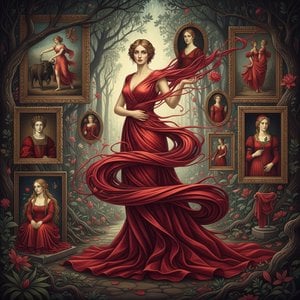
Crimson Threads of Narrative: Exploring Symbolism & Representation in Artworks Featuring the Red Dress
Explore the rich symbolism of the red dress in art history! From ancient power displays to iconic portraits like Cézanne’s 'Madame Cezanne', discover the cultural and artistic significance behind this captivating color. Expert analysis & insights.

The Enduring Power of Painting: A Historical & Contemporary Exploration of Form and Emotion
Explore the rich history & enduring techniques of oil painting with ArtsDot. Discover masterpieces, learn about art collecting, and find authentic handmade reproductions crafted by skilled artists.

Golden Glow: How to Use Metallic Gold Artworks to Elevate Your Home Decor with Timeless Luxury
Discover how to elevate your home with the timeless elegance of metallic gold artworks. From sculptural metal pieces to gilded oil paintings, learn expert interior design tips for integrating luxurious gold accents into your space with sophistication and grace.