

 Visualizar em escala
 Enviar
 Compartilhar
 Ver detalhes

 Baixar
 Semelhantes
 Raio X
 Apresentação de slides
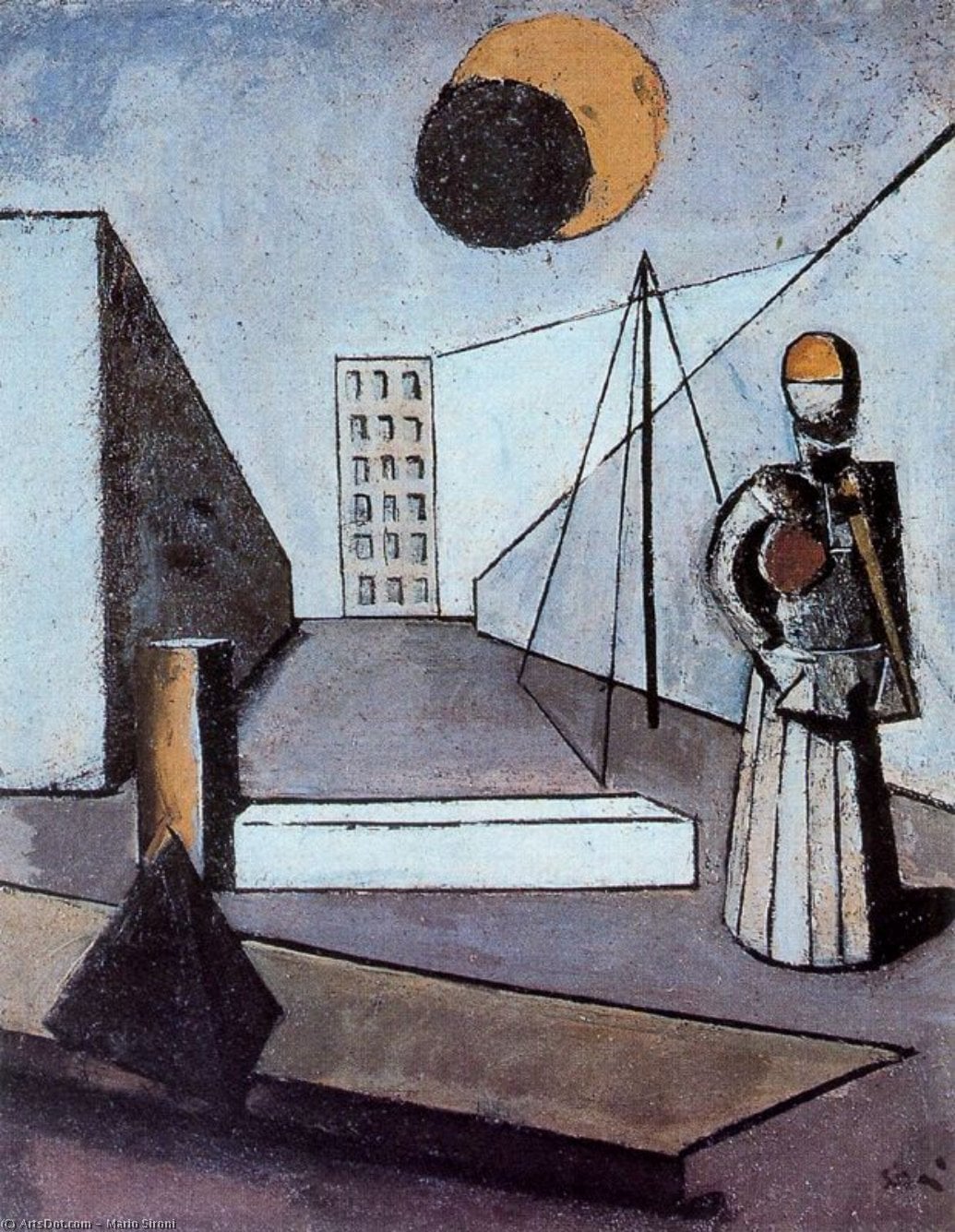
The eclipse

 Ver mais
Giclée / Impressão de Arte
Impressão giclée ou em tela de qualidade de museu, com produção rápida e opções flexíveis de acabamento. ( Encomendar reprodução pintada à mão Comprar imagem em alta resolução)




P118B $10

P118H $10

P118W $10

P438Z $10

P508JH $12

P508YH $12

P805H $10

P805Z $10

P919BZ $10

P919G $10

P919XJ $10

P959ZH $10

P968JZ $12

W106C $8

W218G $10

W218JH $8

W218Y $10

W307PJ $10

W316G $10

W316PJ $8

W316Y $10

W398PJ $8

W4111J $10

W500HY $15

W500JH $15

W692G $12

W849H $8

W940BG $15

W953PJ $8




Escolha entre os nossos tamanhos pré-definidos que respeitam as proporções originais da obra de arte.

Você pode inserir suas próprias dimensões para se ajustar a uma moldura ou espaço específico. Se o tamanho selecionado não corresponder às proporções da imagem original, iremos recortar a obra de arte ou estender a imagem com uma borda espelhada ou preenchimento sólido. Um mockup digital será enviado para sua aprovação antes do início da produção.
Por favor, observe que a visualização na tela não reflete o recorte ou a extensão real. Apenas o mockup mostrará com precisão a composição final.
Embora tamanhos personalizados estejam disponíveis, recomendamos selecionar uma dimensão da lista predefinida para preservar as proporções originais.
Entrega mundial () em 2 semanas, em vez das 4/5 semanas padrão. (17 Agosto)

Envio Expresso Gratuito para todo o Mundo

Tela de Linho Premium

Seguro de transporte total

Garantia de Reembolso de Impostos Alfandegários

Garantia de Fidelidade de Cor

Política de Devolução de 60 Dias (Apenas para Defeitos)

Garantia de reembolso de 100%

Desconto para múltiplas unidades
 A opção de vidro está disponível apenas para tamanhos inferiores a 110 cm

The eclipse
Giclée / Impressão de Arte
Dimensões da Reprodução
-


Preço Total
$ 62
Obras Relacionadas


Biografia do Artista
Mario Sironi: Uma Vida na Arte Moderna Italiana
Primeiros Anos e Formação
- Nasceu em 12 de maio de 1885, em Sassari, Sardenha, Itália.
- Seu pai era engenheiro e seu avô materno, Ignazio Villa, era um respeitado arquitelo e escultor – o que proporcionou uma precoce exposição ao universo das artes visuais.
- Inicialmente, estudou engenharia na Universidade de Roma, mas abandonou os estudos em 1903 após um colapso nervoso, um momento que marcou sua virada definitiva para a arte.
- Iniciou sua formação artística formal na Scuola Libera del Nudo da Accademia di Belle Arti di Roma, onde conheceu seu primeiro mestre significativo, Giacomo Balla.
Desenvolvimento Artístico e Influências
- Seus primeiros trabalhos foram profundamente influenciados pelo Divisionismo, uma técnica que enfatiza a separação das cores para criar luminosidade, como exemplificado em obras como “O Estudante”.
- Por volta de 1914, experimentou brevemente com o Futurismo, expondo na Galleria Sprovieri, em Roma; no entanto, ele rapidamente se afastou do foco excessivo na velocidade e no dinamismo típicos do movimento.
- Uma mudança crucial ocorreu após a Primeira Guerra Mundial, com o desenvolvimento de um estilo caracterizado por formas massivas e imóveis e formas geométricas, influenciado por suas experiências de guerra e por um crescente sentimento de isolamento.
- Suas principais influências incluíram Giacomo Balla (em sua formação inicial), Giorgio de Chirico e Carlo Carrà (pelo impacto da pintura metafísica na forma), além de elementos do Neoclassicismo e do Classicismo Primitivista.
O Novecento Italiano e o Estilo Maduro
- Em 1922, Sironi tornou-se um membro fundador do movimento Novecento Italiano – um retorno à ordem na arte europeia do pós-guerra, enfatizando a cleloza e a tradição.
- Seu estilo maduro é marcado por:
- Ênfase em formas geométricas e estruturas simplificadas.
- Uma estética deliberadamente desajeitada em suas obras tardias.
- Temas de solidão, alienação e a condição humana.
- A exploração de paisagens industriais e da vida da classe trabalhadora.
- Obras notáveis deste período incluem “Venere” (1921-1923) e “Solitudine” (“Solidão”, 1925).
Afiliações Políticas e Vida Posterior
- Sironi foi um apoiador de Benito Mussolini e contribuiu extensivamente para publicações fascistas com mais de 1700 caricaturas.
- Ele acreditava na integração entre arte e arquitetura, buscando criar obras monumentais para espaços públicos – refletindo os ideais do regime fascista.
- Após a Segunda Guerra Mundial, sua associação com o Fascismo levou ao declínio de sua popularidade e reconhecimento crítico.
- Ele se retirou amplamente da vida pública, continuando a pintar em relativo isolamento até sua morte.
Grandes Conquistas e Significado Histórico
- A obra de Sironi representa uma contribuidade significativa para o Modernismo Italiano, servindo como ponte entre o Futurismo e os desenvolvimentos artísticos posteriores.
- Sua exploração de temas como a solidão e a alienação ressoou com as ansiedades do século XX.
- Apesar das controvérsias em torno de suas afiliações políticas, sua arte foi apresentada em grandes exposições internacionais, incluindo o Centre Georges Pompidou (1981) e a Royal Academy, em Londres (1989).
- Faleceu em 13 de agosto de 1961, em Milão.
- Seu legado reside em sua síntese estilística única e em suas poderosas representações da condição humana dentro de um mundo em rápida transformação.

Mario Sironi
1885 - 1961 , Itália
Informações Rápidas
- Artistic Movement Or Style: Modernismo
- Artists Or Movements Influenced By This Artist: ['Futurismo']
- Artists Who Influenced This Artist: ['Giacomo Balla']
- Date Of Birth: 1885-05-12
- Date Of Death: 1961-08-13
- Full Name: Mario Sironi
- Nationality: Italiano
- Notable Artworks:
- La Lampada
- Venere
- Solitudine
- Place Of Birth: Sassari, Itália
Artigos Relacionados

Mario Sironi: A Poetic of Modern Italian Identity Through Symbolism & Social Commentary
Explore the profound works of Mario Sironi, a key figure in Italian Modernism. Discover his evolution from Futurism to Metaphysical painting and his powerful social commentary. Learn about his legacy at ArtsDot.

The Art of Italian Living: Transform Your Home with Timeless Landscapes and Renaissance Masterpieces
Elevate your home with the timeless romance of Italy. Discover expert-curated, hand-painted Italian landscapes and Renaissance-inspired masterpieces. From bespoke oil reproductions to custom portraits from photos, transform your space with elegance and artistic passion.

Giovanni Fattori: Realism, Identity & the Tuscan Landscape – A Macchiaioli Master
Explore the life & art of Giovanni Fattori, a leading figure of the Macchiaioli movement. Discover his revolutionary realism, captivating Tuscan landscapes, and lasting impact on Italian painting. Learn more at ArtsDot.

Carlo Carrà: Futurist Visions & Metaphysical Transformations in Early 20th-Century Italian Painting
Explore the artistic journey of Carlo Carrà, a pivotal figure in Italian Futurism & Metaphysical painting. Discover his dynamic compositions, collaborations with de Chirico, and lasting influence on modern art history.
Civic Virtue and Artistic Rivalry: Patronage and Innovation in the Italian Renaissance Republics, 1400–1600
Explore the Italian Renaissance! Discover how competitive patronage & humanist ideals fueled artistic innovation in republics like Florence & Venice. Expert insights for art lovers and collectors.


