

 Visualizar em escala
 Enviar
 Compartilhar
 Ver detalhes
 Guia de Obras do Aluno

 Baixar imagem
 Semelhantes
 Raio X
 Apresentação de slides
 Estatísticas
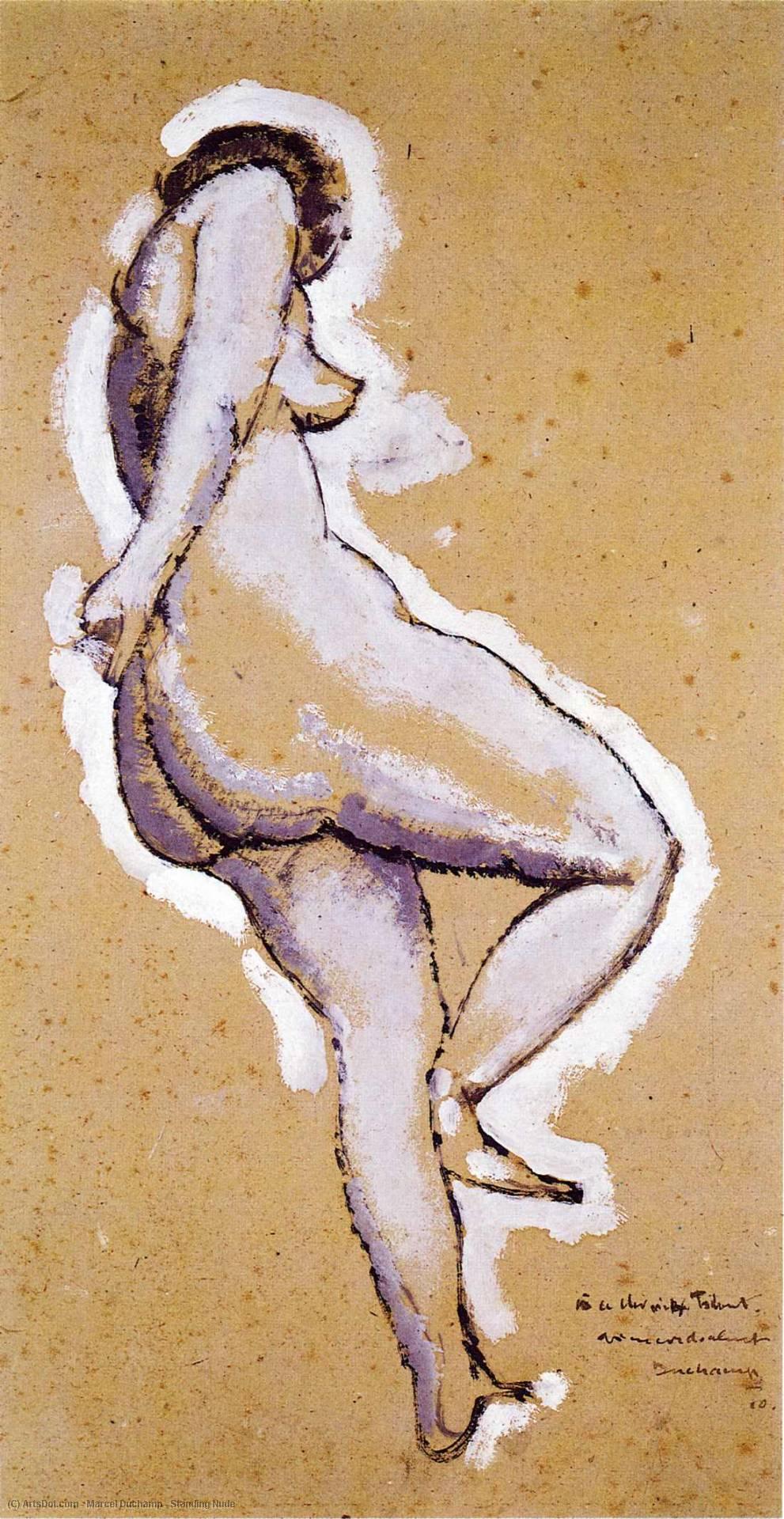
Standing Nude


 Ver mais
A obra de arte exibida nesta página é protegida por leis de direitos autorais, o que significa que não podemos criar ou vender legalmente uma reprodução idêntica. Esta proteção é aplicada por meio de acordos internacionais, tais como a Convenção de Berna e pelas leis nacionais, incluindo as estabelecidas por Lei de Direitos Autorais dos EUA - Título 17.
Este método cumpre plenamente as regulamentações de direitos autorais, pois não envolve a cópia ou duplicação da obra protegida. Em vez disso, trata-se de uma reinterpretação criativa — uma nova pintura que é influenciada pela original, mas não idêntica a ela.
Giclée / Impressão de Arte
Impressão giclée ou em tela de qualidade de museu, com produção rápida e opções flexíveis de acabamento. ( Encomendar reprodução pintada à mão Ver Imagem Digital)




P118B €10

P118H €10

P118W €10

P438Z €10

P508JH €12

P508YH €12

P805H €10

P805Z €10

P919BZ €10

P919G €10

P919XJ €10

P959ZH €10

P968JZ €12

W106C €8

W218G €10

W218JH €8

W218Y €10

W307PJ €10

W316G €10

W316PJ €8

W316Y €10

W398PJ €8

W4111J €10

W500HY €15

W500JH €15

W692G €12

W849H €8

W940BG €15

W953PJ €8




Escolha entre os nossos tamanhos pré-definidos que respeitam as proporções originais da obra de arte.

Digite a largura e a altura de que necessita, para se ajustar à sua moldura ou à sua parede. Uma impressão só pode ser cortada, nunca ampliada além da imagem original, pelo que um tamanho com uma proporção diferente perderá parte da imagem. Enviamos-lhe uma maquete digital para aprovação antes de imprimirmos qualquer coisa. A imagem apresentada nesta página não mostra o corte real — apenas a maquete o faz.
Entrega mundial () em 2 semanas, em vez das 4/5 semanas padrão. (24 Outubro)

Envio expresso gratuito para todo o mundo

Tela de Linho Premium

Seguro de transporte total

Garantia de Reembolso de Impostos Alfandegários

Garantia de Fidelidade de Cor

Política de Devolução em 100 Dias (Apenas para Defeitos)

Garantia de reembolso de 100%

Desconto para múltiplas unidades
 A opção de vidro está disponível apenas para tamanhos inferiores a 110 cm

Standing Nude
Giclée / Impressão de Arte
Dimensões da Reprodução
-


Preço Total
€ 54
Marcel Duchamp’s “Standing Nude”: A Radical Departure from Tradition
- Subject Matter & Composition:
- Style & Technique:
- Historical Context & Dada Movement:
- Symbolism & Conceptual Concerns:
- Emotional Impact & Legacy:
Style & Technique: Challenging Artistic Boundaries
Duchamp’s approach departed dramatically from Impressionism and Post-Impressionism, movements that prioritized capturing fleeting sensations and subjective experience. Instead, he employed a technique rooted in Cubist principles—fragmentation of form and multiple perspectives—though subtly applied to achieve an effect far more unsettling than visually arresting. The muted tan background serves as a neutral counterpoint to the nude figure, minimizing distractions and focusing attention on the central subject. This deliberate restraint underscores Duchamp’s belief that artistic value resided not in skillful execution but in conceptual provocation. He famously declared “Ready-made” objects—such as his urinal—as artworks, arguing that the artist's role was to select and present an item already existing within the realm of everyday life.Historical Context & Dada Movement
“Standing Nude” emerged during the turbulent years of the Dada movement, a reaction against the horrors of World War I and the perceived decadence of bourgeois culture. Dada artists rejected logic and reason, embracing absurdity and chance as artistic tools—a deliberate antithesis to the rational optimism championed by earlier generations. Duchamp’s work embodies this spirit of rebellion, questioning accepted notions of beauty and originality. The Dada movement sought to dismantle traditional hierarchies within the art world, asserting that any object could be considered art if imbued with sufficient conceptual significance.Symbolism & Conceptual Concerns
Beyond its formal stylistic choices, “Standing Nude” carries significant symbolic weight. The nude figure itself represents vulnerability and exposure—a deliberate confrontation of idealized representations of femininity prevalent in the period. However, Duchamp’s primary concern wasn't with conveying emotion or narrative; rather, he aimed to destabilize viewers’ perceptions of art and its ability to communicate meaning. By presenting a commonplace object transformed into an artwork through conceptual intervention, Duchamp questioned whether artistic value lay solely in aesthetic pleasure or whether it could derive from intellectual engagement.Emotional Impact & Legacy
“Standing Nude” continues to fascinate viewers decades after its creation. Its understated elegance combined with its subversive intent generates a complex emotional response—one of unease, contemplation, and ultimately, admiration for Duchamp’s audacious vision. It stands as a cornerstone of Conceptual Art, influencing countless artists who followed and establishing a precedent for challenging artistic conventions through intellectual exploration rather than visual representation. The artwork serves as a reminder that art can provoke profound questions about our understanding of beauty, value, and the role of creativity in shaping our worldview.Perguntas e Respostas
Está disponível para download em alta resolução a obra "Standing Nude"?
Uma imagem digital de "Standing Nude" de Marcel Duchamp pode ser adquirida em sua página de Imagem Digital: download de imagem digital em alta resolução.
Onde posso encontrar um guia para "Standing Nude"?
Uma página de Guia está disponível para "Standing Nude" de Marcel Duchamp: uma ficha informativa imprimível sobre a obra, projetada para estudantes e uso em sala de aula.
"Standing Nude" apresenta contrastes fortes entre luz e sombra?
"Standing Nude" de Marcel Duchamp apresenta um contraste Gentle entre suas áreas claras e escuras.
Obras Relacionadas


Biografia do Artista
Um Espírito Revolucionário: A Vida e a Arte de Marcel Duchamp
Marcel Duchamp, nascido Henri-Robert-Marcel Duchamp em 1887, em Blainville-Crevon, Normandia, foi muito mais do que um artista; ele foi um provocador filosófico que alterou fundamentalmente o curso da arte moderna. Sua vida inicial, embora aparentemente convencional – nutrida no seio de uma família que apreciava a expressão artística, com ambos os irmãos seguindo carreiras bem-sucedidas como artistas – prenunciava o iconoclasmo que estava por vir. Duchamp buscou inicialmente uma formação formal, dominando técnicas tradicionais e experimentando estilos pós-impressionistas. No entanto, essa base acadêmica não serviu como um fim em si mesma, mas como um trampolim para questionar a própria natureza da arte, seu propósito e sua definição. Ele não se contentava apenas em retratar o mundo; ele buscava desafiar a forma como o percebemos e o que constitui o valor artístico. Essa curiosidade intelectual inquieta tornaria-se a característica definidora de sua carreira prolífica.Do Cubismo ao Dadaísmo: Uma Rejeição à Convenção
A jornada artística de Duchamp foi marcada por uma evolução constante, um desprendimento deliberado das normas estabelecidas. Seu envolvimento inicial com o Cubismo, evidente em obras como Retrato de Jogadores de Xadrez (1911), demonstrou um interesse por formas fragmentadas e múltiplas perspectivas – um afastamento da representação tradicional. Contudo, ele rapidamente foi além das preocupações puramente estéticas, reconhecendo que simplesmente reorganizar elementos visuais não era suficiente para abordar as questões mais profundas que o inquietavam. Os horrores da Primeira Guerra Mundial alimentaram esse descontentamento, levando Duchamp a abraçar o Dadaísmo, um movimento nascido do desilusão e de uma rejeição à lógica, à razão e aos valores artísticos tradicionais. Foi dentro da estrutura dadaísta que Duchamp verdadeiramente começou a desmantelar as noções convencionais de arte. Ele não estava interessado em criar objetos belos; ele queria provocar o pensamento, desafiar suposições e expor a arbitrariedade do julgamento estético. Este período testemunhou o nascimento de sua inovação mais radical: o "readymade".Os Readymades e a Subversão da Arte
A introdução dos readymades – objetos manufaturados comuns, selecionados e apresentados como arte – foi a contribuição mais significativa de Duchamp para o século XX. Estes não eram simplesmente objetos encontrados; eram atos deliberados de subversão artística. Ao pegar um item cotidiano, como um urinol (Fonte, 1917), assiná-lo como “R. Mutt” e submetê-lo a uma exposição de arte, Duchamp desafiou a própria definição de habilidade e autoria artística. Seria a mão do artista que criava a obra, ou seria a ideia do artista? Esta questão tornou-se central em sua prática e lançou as bases para a Arte Conceitual. Outros readymades notáveis, como L.H.O.O.Q. (1919), uma reprodução em cartão-postal da Mona Lisa desfigurada com um bigode e cavanhaque, foram críticas lúdicas, porém incisivas, da história da arte e dos ícones culturais estabelecidos. Estas obras não tinham o intuito de serem admiradas por suas qualidades estéticas; elas pretendiam provocar debates e forçar os espectadores a reconsiderarem suas noções preconcebidas sobre o que constitui a arte. Duchamp acreditava que a arte deveria residir na mente, e não meramente no olhar.Legado e Influência Duradoura
O impacto de Marcel Duchamp nas gerações subsequentes de artistas é imensurável. Ele alterou fundamentalmente nossa compreensão da arte, abrindo caminho para movimentos como a Arte Conceitual, o Minimalismo, a Pop Art e tantos outros. Sua ênfase na ideia do artista – o conceito por trás da obra – sobre suas qualidades estéticas continua a inspirar artistas hoje.- Cubismo: Exploração inicial de formas fraturadas e representação espacial.
- Dadaísmo: Rejeição da lógica, da razão e dos valores artísticos tradicionais em resposta à Primeira Guerra Mundial.
- Arte Conceitual: Ênfase na ideia por trás da obra de arte em vez de suas qualidades estéticas.

Marcel Duchamp
1887 - 1968 , França
Informações Rápidas
- Artistic Movement Or Style:
- Cubismo
- Dadaísmo
- Artists Or Movements Influenced By This Artist: ['Minimalismo']
- Date Of Birth: 28 Jul 1887 Blainville
- Date Of Death: 2 Oct 1968
- Full Name: Marcel Duchamp Henri-Robert-Marcel
- Nationality: Francês-Americano
- Notable Artworks:
- Fonte
- L.H.O.O.Q.
- Grande Cristal
- Place Of Birth: Normandia França
Artigos Relacionados

Deconstructing Reality: Cubism's Evolution, Impact & Enduring Legacy
Explore the revolutionary world of Cubism with expert insights from ArtsDot. Discover Picasso & Braque's groundbreaking techniques, its philosophical roots, and lasting impact on modern art. Expert appraisal & custom reproductions available.

Jean Dominique Antony Metzinger: Pioneering Cubism & the Evolution of Abstract Form
Explore the life & work of Jean Metzinger, a pivotal Cubist painter and theorist. Discover his innovations in proto-Cubism, 'Du Cubisme,' and Crystal Cubism – a journey through modern art's evolution.

Deconstructing Reality: Cubism's Revolutionary Impact on 20th-Century Art
Explore the revolutionary world of Cubism with ArtsDot. Discover Picasso & Braque's groundbreaking techniques, its philosophical roots, and lasting impact on modern art. Expert insights for collectors.
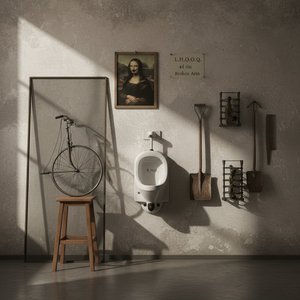
Marcel Duchamp: Challenging Conventions & Redefining Art in the 20th Century
Explore the revolutionary art of Marcel Duchamp! Discover how his Dadaist readymades challenged artistic conventions & redefined modern art. A deep dive into 'Fountain', conceptual shifts, and his lasting impact.

The Enduring Allure of the Nude: A Historical & Artistic Exploration of the Human Form
Explore the captivating history of nude art! Discover iconic paintings & artists from classical to modern eras. Uncover symbolism, techniques & find museum-quality reproductions at ArtsDot.


