

 Visualizar na parede
 Compartilhar
 Compartilhar
 Detalhes
 Guia
Guia

 Baixar imagem
 Semelhantes
 Raio X
 Ver diaporama
 Perguntas e Respostas
 Estatísticas
Man sitting beside a window


 Ler mais
A obra de arte exibida nesta página é protegida por leis de direitos autorais, o que significa que não podemos criar ou vender legalmente uma reprodução idêntica. Esta proteção é aplicada por meio de acordos internacionais, tais como a Convenção de Berna e pelas leis nacionais, incluindo as estabelecidas por Lei de Direitos Autorais dos EUA - Título 17.
Este método cumpre plenamente as regulamentações de direitos autorais, pois não envolve a cópia ou duplicação da obra protegida. Em vez disso, trata-se de uma reinterpretação criativa — uma nova pintura que é influenciada pela original, mas não idêntica a ela.
Giclée / Impressão de Arte
Impressão giclée ou em tela de qualidade de museu, com produção rápida e opções flexíveis de acabamento. ( Comprar pintura feita à mão Alternar para Imagem Digital)




P118B €10

P118H €10

P118W €10

P438Z €10

P508JH €12

P508YH €12

P805H €10

P805Z €10

P919BZ €10

P919G €10

P919XJ €10

P959ZH €10

P968JZ €12

W106C €8

W218G €10

W218JH €8

W218Y €10

W307PJ €10

W316G €10

W316PJ €8

W316Y €10

W398PJ €8

W4111J €10

W500HY €15

W500JH €15

W692G €12

W849H €8

W940BG €15

W953PJ €8




Escolha entre os nossos tamanhos pré-definidos que respeitam as proporções originais da obra de arte.

Insira a largura e a altura desejadas para se ajustarem à sua moldura ou parede. Uma impressão pode ser apenas cortada, nunca ampliada além da imagem original; portanto, um tamanho com proporções diferentes resultará na perda de parte da imagem. Enviamos uma maquete digital para sua aprovação antes de realizarmos a impressão. A imagem exibida nesta página não mostra o corte real — apenas a maquete o faz.
Entrega mundial () em 2 semanas, em vez das 4/5 semanas padrão. (12 Novembro)

Envio expresso gratuito para todo o mundo

Tela de Linho de Alta Qualidade

Seguro de transporte completo

Garantia de Reembolso de Impostos Alfandegários

Garantia de Fidelidade Cromática

Política de Devolução em 100 Dias (Apenas para Defeitos)

Garantia de reembolso de 100%

Oferta de desconto por quantidade
 A opção de vidro está disponível apenas para tamanhos inferiores a 110 cm

Man sitting beside a window
Giclée / Impressão de Arte
Tamanho da Reprodução
-


Preço Total
€ 56
A Moment of Quietude: The Soul of Duchamp’s Early Mastery
In the vast, often turbulent history of modern art, there exists a rare, fleeting moment where the revolutionary spirit of Marcel Duchamp was still anchored in the serene beauty of the visible world. Man Seated by a Window, painted in 1907, captures this exquisite tension. Before he became the iconoclast who would dismantle the very definition of art through Dada and Readymades, Duchamp was a painter deeply engaged with the sensory delights of his surroundings. This piece invites the viewer into a private sanctuary, presenting a solitary figure lost in thought, framed by the soft light of a window and the vibrant life of blossoming flora. It is not merely a depiction of a man at rest; it is an invitation to pause, to breathe, and to find resonance in the quiet intervals of existence.
The composition functions as a delicate dialogue between the interior and the exterior worlds. As the eye wanders across the canvas, one encounters a masterful use of Post-Impressionist techniques that prioritize emotional atmosphere over rigid anatomical precision. The artist employs loose, gestural brushstrokes that imbue the scene with a sense of living movement—the gentle sway of leaves, the dappled light filtering through the glass, and the soft texture of the man's clothing. This stylistic choice creates a luminous quality, where the muted blues and greens of the background harmonize with warmer, sun-drenched hues from the garden outside, establishing a visual equilibrium that is both soothing and intellectually stimulating.
Technique and the Art of Atmosphere
Executed in oil on canvas, the painting showcases Duchamp’s formidable command over medium and light. The texture of the oil paint allows for a rich layering of color, which lends depth to the shadows within the room and brilliance to the petals of the flowers. For the discerning collector or interior designer, this work offers a sophisticated interplay of tones that can anchor a room with its tranquil energy. Unlike the starker, more clinical works of later modernism, this painting possesses a tactile warmth; it feels inhabited, as if the scent of the garden could drift through the frame. The way the light interacts with the subject suggests a daytime setting filled with the gentle vitality of spring or summer, making it an ideal centerpiece for spaces designed for contemplation and repose.
Beyond its aesthetic charm, the painting serves as a profound historical document. It captures a period of transition in art history, where the boundaries between Impressionism and the burgeoning movements of Cubism were still being negotiated. In this work, we see the seeds of Duchamp’s later philosophical inquiries—the way he uses the window not just as a physical object, but as a metaphorical lens through which we perceive reality. To possess a reproduction of this masterpiece is to hold a piece of the very foundation of modern thought, wrapped in the beautiful, accessible language of classical beauty.
An Inspiration for the Modern Interior
For those looking to curate an environment of elegance and intellectual depth, Man Seated by a Window offers unparalleled versatility. Its palette—a sophisticated blend of organic greens, deep blues, and soft floral accents—complements a wide array of interior styles, from contemporary minimalism to classic European aesthetics. The painting’s ability to evoke a sense of peace makes it a transformative element in a study, a library, or a quiet corner of a living space. It does not demand attention through noise, but rather commands respect through its profound stillness, acting as a window into a more thoughtful and reflective way of being.
Perguntas e Respostas
A obra "Man sitting beside a window" está disponível para download em alta resolução?
Para obter uma versão digital de "Man sitting beside a window", de Marcel Duchamp, peça download de imagem digital em alta resolução em sua página Imagem Digital de Alta Resolução.
Qual origem nacional fundamenta o Post-Impressionism de "Man sitting beside a window"?
"Man sitting beside a window" conecta o movimento Post-Impressionism a França por meio do local de nascimento de seu criador.
Como posso descobrir obras de arte semelhantes a "Man sitting beside a window", de Marcel Duchamp?
A página Obras semelhantes de "Man sitting beside a window", de Marcel Duchamp apresenta obras relacionadas.
Obras Relacionadas


Biografia do Artista
A Vida e a Arte de Marcel Duchamp
Nascido em 28 de julho de 1887, em Blainville, na Normandia, França, Marcel Duchamp entrou em um mundo onde o impulso de criar estava profundamente enraizado em seu próprio sangue. Ele era o quarto de sete filhos de Eugene e Lucie Duchamp. Aquele era um lar de criadores e pensadores; seus irmãos compartilhavam essa inquietação criativa, como seus irmãos Jacques Villon e Raymond Duchamp-Villon, além de sua irmã Suzanne Duchamp-Crotti, todos dedicados às artes. Embora tenha se tornado, eventualmente, uma figura franco-americana de imensa complexidade, suas origens permaneceram enraizadas na quietude da Normandia.
Sua vida nunca foi uma busca singular pelo pincel ou pelo cinzel. Ele era um homem de muitas máscaras e muitos interesses, movendo-se pelo mundo como artista, inventor e um dedicado enxadrista. Ele chegou a adotar um alter ego feminino, Rrose Sélavy, para complicar ainda mais as fronteiras da identidade. Esse espírito inquieto o impulsionou a transitar entre os centros culturais de Paris e Nova York, sempre buscando desmantelar as certezas de sua era. Ele não queria apenas pintar o mundo; ele desejava repensar a própria mecânica de como o percebemos.
Suas contribuições para a era moderna foram tão variadas quanto inesperadas. Ele voltou-se para a máquina e para o objeto cotidiano em busca de uma nova linguagem para o intelecto. Sua obra frequentemente manifestava-se sob estas formas:
- Fountain
- Nude Descending a Staircase, No. 2
- The Large Glass
- Bicycle Wheel
Infância, Família e Formação
Na quietude de Blainville-Crevon, na Normandia, França, um jovem chamado Henri-Robert-Marcel Duchamp iniciava uma vida que, eventualmente, abalaria os próprios alicerces da criatividade. Ele nasceu em uma família onde a arte era uma linguagem familiar; seus irmãos, Jacques Villon e Raymond Duchamp-Villon, encontrariam seus próprios caminhos como pintores e escultores. Essa atmosfera doméstica de expressão nutriu suas inclinações precoces, conduzindo-o ao estudo formal das artes. Ele buscou a Académie Julian em Paris, onde passou o período entre 1904 e 1905, embora seu coração muitas vezes vagasse em direção à mesa de bilhar, em vez de permanecer no estúdio. Ele também passou um ano na Ecole des Beaux Arts, um período de estudos que não resultou em um compromisso de longo prazo com a tradição acadêmica.
As cores e formas de sua juventude foram moldadas pelas marés mutáveis da época, à medida que ele se sentia atraído pelas paletas intensas do Fauvismo e pelas investigações estruturais do Pós-Impressionismo. No entanto, seu caminho não foi uma linha reta de progressão acadêmica. Em 1905, as exigências do Estado o chamaram para iniciar seu serviço militar obrigatório no 39º Regimento de Infantaria. Durante esse tempo, ele se viu em Rouen, trabalhando para um impressor. Foi ali, entre o aroma da tinta e o ritmo da prensa, que ele dominou as tecnicidades da tipografia e de vários processos de impressão. Essas habilidades práticas, aprendidas longe dos grandes salões de Paris, informariam mais tarde sua compreensão sobre como objetos e imagens são reproduzidos e percebidos.
Evolução Artística em Paris
Enquanto o jovem artista percorria as ruas de Paris, sua presença no mundo da arte começava a ganhar contornos através das grandes exposições da época. Já em 1909, ele exibia seus trabalhos no Salon des Indépendants e no Salon d’Automne, buscando seu lugar entre os criadores de sua era. Sentiu-se atraído pelas ideias de Paul Cézanne, cuja abordagem da forma e da estrutura deixou uma marca indelével em sua visão em desenvolvimento. Este período não se tratava apenas de aprender a pintar, mas de encontrar uma maneira de expressar as complexidades de um mundo em constante transformação.
O ano de 1911 trouxe uma mudança significativa quando ele se associou a um grupo cubista. Esse envolvimento com formas fragmentadas e múltiplas perspectivas o afastou da representação tradicional. Foi durante esse tempo que ele produziu Coffee Mill, uma obra que sinalizava seu crescente interesse pelo mecânico e pelo conceitual. Ele viu-se preocupado com a ideia da quarta dimensão, buscando formas de retratar o movimento e o tempo dentro dos limites estáticos de uma tela. Essa fome intelectual o impulsionou a olhar para além da superfície das coisas, questionando o quanto da arte era verdadeiramente destinada apenas ao olhar.
Os Anos Radicais em Nova York
Ao chegar aos Estados Unidos, Marcel Duchamp encontrou-se em um cenário que estava maduro para a disrupção que ele carregava em sua mente. Ele estava no país há menos de dois anos quando realizaria seu ato de subversão mais famoso. Nos efervescentes círculos intelectuais de Nova York, foi recebido com curiosidade, encontrando um lugar entre pensadores e criadores que estavam ávidos por desafiar os limites da tradição. Para sustentar-se durante esses anos formativos, ele lecionou francês, uma necessidade prática que lhe permitiu a liberdade de perseguir seus interesses mais cerebrais.
Foi dentro deste ambiente que ele se tornou uma figura central no movimento proto-Dada de Nova York. Ele transitava pela cidade ao lado de Francis Picabia, Man Ray e Beatrice Wood, contribuindo para um espírito de rebeldia que buscava desmantelar a ordem estabelecida. Sua presença ajudou a moldar os próprios fundamentos do movimento Dada de Nova York, transformando a cidade em um laboratório de ideias que desafiavam a própria definição do que um artista poderia fazer. Ele não era apenas um participante desta agitação; ele era o catalisador dela.
Sua conexão com a paisagem americana aprofundou-se ao longo das décadas. Embora tivesse chegado como um visitante em busca de novas formas de expressar o intelecto, ele acabou tornando-se um cidadão americano naturalizado em 1955. Este período de sua vida foi definido por uma recusa em se acomodar no papel confortável de um pintor profissional, optando, em vez disso, por envolver-se com a cidade como um espaço para uma investigação conceitual profunda e, muitas vezes, inquietante.
Técnica, Estilo e o Readymade
Ele cansou-se do que chamava de "arte retiniana", aquelas obras destinadas apenas a agradar ao olhar com sua beleza superficial. Para escapar dessa armadilha, ele voltou sua mente para o conceito por trás do objeto, deslocando o foco do prazer visual para o intelecto. Essa transição o levou a criar os readymades por volta de 1914. Estes não eram escolhidos por sua beleza ou feiura, mas através de um senso de indiferença visual. Ao selecionar itens comuns, manufaturados, e apresentá-los como arte, ele despojou a necessidade do artesanato tradicional. Ele buscou contornar inteiramente a mão do artista, favorecendo o poder de uma escolha deliberada em detrimento da habilidade do pincel.
Sua prática era algo inquieto e mutável, que se recusava a se estabelecer em um único modo. Enquanto se envolvia com as perspectivas fraturadas do Cubismo, ele também transitava pelo caos do Dadaísmo e pelas profundezas cerebrais da arte Conceitual. Trabalhou com uma vasta gama de meios, desde a natureza tátil da escultura e da colagem até as qualidades fugazes de curtas-metragens e até a presença de seu próprio corpo. Frequentemente, ele brincava com os limites da identidade, utilizando um alter ego feminino conhecido como Rrose Sélavy para explorar a fluidez de gênero. Através de jogos de palavras e do elemento do acaso, ele transformou o ato da criação em um jogo de lógica e subversão.
- Fountain (1917)
- Bicycle Wheel (1913)
- Bottle Rack (1914)
- Comb (1916)
Obras-Chave e Grandes Inovações
A transição da pintura para o conceitual começou a ganhar forma através de sua fascinação pelo movimento e pela fragmentação da forma. Em 1912, ele produziu Nude Descending a Staircase, No. 2, uma obra que capturou o movimento mecanizado de uma figura através de uma série de facetas sobrepostas e sobrepostas. Essa abordagem buscava retratar o movimento em vez de uma pose estática. Por volta de 1913, seus interesses voltaram-se para a montagem de objetos encontrados, como visto em Bicycle Wheel, onde uma roda e um garfo foram montados sobre um banco de madeira. Este ato de seleção marcou um afastamento do artesanato tradicional, favorecendo a ideia em detrimento da execução manual do objeto.
Ao mergulhar na atmosfera radical de Nova York, suas provocações tornaram-se mais diretas. Ele pegou um urinol de porcelana comum, assinou-o como "R. Mutt" e o apresentou como Fountain em 1917. Esta escultura readymade desafiou a própria definição do que um artista faz, sugerindo que o ato de escolher um objeto poderia constituir arte. Ele continuou essa subversão com o Bottle Rack em 1914 e, mais tarde, em 1919, pegou um cartão-postal da Mona Lisa e a desfigurou com um bigode e uma cavanhaque, chamando a obra de L.H.O.O.Q.. Essas peças tinham o intuito de romper com as expectativas do espectador e forçar uma reconsideração do julgamento estético.
Sua construção mais complexa e enigmática, The Large Glass, ocupou seus pensamentos por muitos anos, enquanto ele trabalhava nela entre 1915 e 1923. Esta peça, também conhecida como The Bride Stripped Bare by her Bachelors, Even, utilizou folha de chumbo e arame para explorar uma imagética simbólica e intrincada. Através desses variados experimentos, ele deslocou o foco da arte do olhar para a mente.
Anos Tardios e Morte
Após seus anos inquietos na América, Marcel Duchamp retornou a Paris em 1923. Ele permaneceu na cidade até 1942, um período durante o qual se afastou, em grande medida, do mundo artístico tradicional. O rigor intelectual que outrora alimentara suas provocações radicais encontrou uma nova válvula de escape nas complexidades silenciosas e estratégicas do xadrez. Ele dedicou grande parte desse tempo ao jogo, uma busca que exigia a mesma intensidade mental que ele havia aplicado, outrora, às suas investigações conceituais.
Em 1954, ele encontrou companheirismo em Alexina Sattler, com quem se casou em uma cerimônia na cidade de Nova York. A vida que compartilharam foi de profunda dedicação, estendendo-se pelos anos enquanto ele navegava por seu lugar em um cenário cultural em constante transformação. Ele acabou tornando-se cidadão naturalizado dos Estados Unidos em 1955, embora suas raízes permanecessem profundamente ligadas ao solo francês. Marcel Duchamp faleceu em 2 de outubro de 1968, em Neuilly-sur-Seine, França.
Legado e Influência Duradoura
As ondas de choque de suas provocações estenderam-se muito além dos pequenos círculos da vanguarda, acabando por remodelar os próprios alicerces de como percebemos a criatividade. Marcel Duchamp é frequentemente considerado o progenitor da arte conceitual, uma mudança que deslocou o foco do objeto físico em direção ao intelecto. Ao priorizar a ideia sobre o resultado visual, ele alterou fundamentalmente a trajetória das artes plásticas durante as primeiras décadas do século XX. Essa mudança não foi uma ruptura súbita, mas uma transformação lenta e profunda que permitiu o surgimento do Surrealismo, do Minimalismo e da Pop Art. Ele ajudou a definir uma nova era, onde a intenção do artista tornou-se o motor primordial de significado.
Sua influência foi sentida com maior intensidade na maneira como ele desmantelou a necessidade da habilidade tradicional. Ele propôs um conceito conhecido como coeficiente artístico, uma ideia que examinava a relação entre o que um artista pretende e o que é efetivamente expresso. Essa noção lançou as bases para uma geração posterior de artistas que continuariam a explorar os limites da apropriação e o papel do espectador. Ele não apenas criou objetos; ele criou novas formas de pensar sobre o próprio ato da criação. Sua presença na história da arte permanece constante, desafiando as fronteiras do que pode ser considerado uma obra de arte.
- Fountain (1917)
- Nude Descending a Staircase, No. 2 (1912)
- The Large Glass (1915–1923)
- Bicycle Wheel (1913)
Onde Ver as Obras Hoje
Para seguir os rastros de seu intelecto inquieto, pode-se viajar até o Philadelphia Museum of Art. Esta instituição detém a maior coleção de sua obra, preservando a amplitude de uma carreira que se recusou a permanecer estática. É aqui que o peso de sua influência se torna mais tangível, uma vez que o museu guarda um vasto conjunto de suas ideias e objetos reunidos ao longo de toda a sua vida.
Em Londres, a Tate Modern preserva o mictório de porcelana conhecido como Fountain. Este objeto, que outrora causou tanto alvoroço quando foi submetido a uma exposição, permanece como uma parte central da coleção da cidade. Enquanto isso, o Centre Pompidou, em Paris, guarda suas explorações mais experimentais e cinéticas, incluindo Rotorelief n°11 e Rotorelief n°12. Estas obras refletem sua fascinação pelo movimento e pela maneira como um objeto pode enganar o olhar.
Outras peças encontraram refúgio em instituições especializadas que refletem seus variados interesses. A Monnaie de Paris abriga Trébuchet (Trap), uma obra que fala de seu contínuo engajamento com a forma e o conceito muito após seus anos iniciais. Ver estas obras é encontrar os remanescentes físicos de um homem que buscou deslocar a arte do olho para a mente.
- Nude Descending a Staircase, No. 2 (1912)
- The Large Glass (1915–1923)
- Bicycle Wheel (1913)
- Bottle Rack (1914)

Marcel Duchamp
1887 - 1968 , França
Dados Rápidos
- Artistas Ou Movimentos Influenciados Por Este Artista:
- Arte Conceitual
- Minimalismo
- Pop Art
- Surrealismo
- Artistas Que Influenciaram Este Artista: ['Cézanne']
- Data De Morte: 1968
- Data De Nascimento: 1887
- Local De Nascimento: Blainville-sur-Mer, França
- Movimento Ou Estilo Artístico:
- Cubismo
- Dadaísmo
- Arte Conceitual
- Nacionalidade: Franco-americano
- Nome Completo: Henri-Robert-Marcel Duchamp
- Obras De Arte Notáveis:
- Fountain
- L.H.O.O.Q
- The Large Glass
- Nude Descending a Staircase, No.2
Artigos Relacionados

Os 10 Ícones do Impressionismo para Inspirar sua Decoração | ArtsDot
Descubra os 10 quadros impressionistas mais icônicos de Monet, Renoir e Degas! Explore a história, cores vibrantes e técnicas revolucionárias do Impressionismo. Encontre reproduções de arte exclusivas para inspirar sua decoração em ArtsDot.com.

Além da Luz e Cor: Impressionismo vs. Pós-Impressionismo para o Colecionador Exigente
Descubra as nuances entre Impressionismo e Pós-Impressionismo! Guia completo para colecionadores exigentes, com artistas, história e dicas de investimento. Explore o legado da arte moderna.
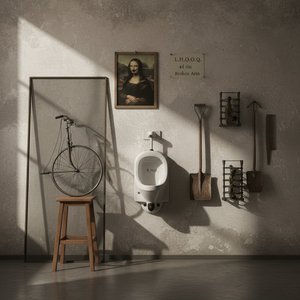
Marcel Duchamp: Challenging Conventions & Redefining Art in the 20th Century
Explore the revolutionary art of Marcel Duchamp! Discover how his Dadaist readymades challenged artistic conventions & redefined modern art. A deep dive into 'Fountain', conceptual shifts, and his lasting impact.

Os 10 Mestres do Pós-Impressionismo: Obras que Transformaram a Arte e Decoram o Lar
Descubra os 10 quadros pós-impressionistas que revolucionaram a arte! Explore Van Gogh, Monet e Cézanne. Encontre reproduções de alta qualidade para decorar sua casa com obras atemporais em ArtsDot.com.

Beyond Impressionism: Exploring the Emotional Depth of Post-Impressionist Painting
Explore the profound emotional depth & innovative techniques of Post-Impressionism with ArtsDot. Discover Cézanne, Van Gogh, Gauguin & more – and their lasting impact on modern art.


