


The picture follows your choices: , .
Descrição do Item
 Ler mais
Biografia do Artista
Marcel Duchamp: Artista revolucionário que desafiou a definição de arte com o Dadaísmo e readymades como 'Fountain'. Explore suas obras icônicas e seu impacto filosófico.
Reprodução em Óleo Feita à Mão
Óleo sobre tela pintado à mão no tamanho e moldura de sua escolha, feito sob encomenda pelos nossos artistas. ( Alternar para Impressão Alternar para Imagem Digital)
Esta obra está protegida por direitos autorais
A obra de arte exibida nesta página é protegida por leis de direitos autorais, o que significa que não podemos criar ou vender legalmente uma reprodução idêntica. Esta proteção é aplicada por meio de acordos internacionais, tais como a Convenção de Berna e pelas leis nacionais, incluindo as estabelecidas por Lei de Direitos Autorais dos EUA - Título 17.
Como uma alternativa respeitosa e legal, oferecemos obras de arte personalizadas e pintadas à mão, inspiradas na obra original. Nossos artistas profissionais e experientes estudam cuidadosamente o estilo, a atmosfera e a essência artística da obra original para criar uma peça nova e única que evoque a mesma sensação — permanecendo como uma criação original por direito próprio.
Este método cumpre plenamente as regulamentações de direitos autorais, pois não envolve a cópia ou duplicação da obra protegida. Em vez disso, trata-se de uma reinterpretação criativa — uma nova pintura que é influenciada pela original, mas não idêntica a ela.
More about this painting
 Visualizar na parede
 Compartilhar
 Compartilhar
 Detalhes
 Guia
Guia

 Baixar imagem
 Semelhantes
 Raio X
 Ver diaporama
 Q&A
Q&A Estatísticas
Order your painting in four simple steps
Take your time. You can change any answer; the price in your order card follows each choice.
1 Step one of four
Which size would you like?
These sizes keep the proportions of the original painting. The drawing shows your choice on a wall, above a two-metre sofa.
Or give your own measurements
Escolha entre os nossos tamanhos pré-definidos que respeitam as proporções originais da obra de arte.

Insira a largura e a altura desejadas para se ajustarem à sua moldura ou parede. Como esta obra é pintada à mão, para um tamanho com proporções diferentes, o artista poderá pintar um pouco mais ao redor da imagem ou reduzir ligeiramente a composição — você escolhe. Enviamos uma maquete digital para sua aprovação antes de iniciar a pintura. A imagem exibida nesta página não representa o resultado real — apenas a maquete mostra o resultado final.
2 Step two of four
How should it be prepared: rolled, stretched or framed?
The prices below are for the size you chose in step one.
Choose the edges of the stretched canvas
Choose your frame

White €1

Blurside €1

Extended €1

P118B €10

P118H €10

P118W €10

P438Z €10

P508JH €12

P508YH €12

P805H €10

P805Z €10

P919BZ €10

P919G €10

P919XJ €10

P959ZH €10

P968JZ €12

W106C €8

W218G €10

W218JH €8

W218Y €10

W307PJ €10

W316G €10

W316PJ €8

W316Y €10

W398PJ €8

W4111J €10

W500HY €15

W500JH €15

W692G €12

W849H €8

W940BG €15

W953PJ €8

H24-GOLD €30

H24-SILVER €30

H36-GOLD €45

H36-SILVER €45
Com moldura
Moulding: . Overall size with the frame: .
3 Step three of four
Would you like anything changed in the painting?
Most people answer no. Because each painting is made by hand, our artist can also adapt it for you.
After order, ArtsDot.com team will email client for instructions and provide a mockup preview
4 Step four of four
A few finishing options
All of them are optional. The answers already selected cost nothing extra.
Who paints it?
Entrega mundial () em 3 a 4 semanas, em vez das 5 semanas padrão. (2 Novembro). Sem comprometer a qualidade.
A nameplate, as in a museum?
Detalhes da Placa de Bronze Gravada
This elegant plaque features the artist's name and the title of the artwork, finely engraved for a timeless presentation.
It is made from bronze with a refined, elegant finish. The text is precisely laser-engraved for a sharp and permanent result. Measuring 9x2 cm, the plaque is compact yet easy to read. It's built to be durable and scratch-resistant, offering a professional, museum-quality look. Mounting is simple thanks to the included adhesive backing.
Detalhes da Placa de Acrílico Transparente
The plaque includes essential engraved details such as the artist's name, the title of the artwork, the date it was created, the type of media used-like oil on canvas or watercolor-a brief description of the piece, and a QR code that links to the complete artwork information.
It is crafted from clear acrylic, offering a sleek, modern appearance. The text is UV-engraved in black to ensure strong visual contrast. With a size of 10x15 cm, it ensures optimal readability. It comes equipped with two metal hooks for secure wall mounting. The plaque is designed to be weather-resistant, making it suitable for various environments, and it includes interactive features that work seamlessly with smartphone scanning.
Detalhes da Placa de Acrílico Preto
This elegant plaque includes engraved information such as the artist's name, the title of the artwork, the date it was created, the type of media used (like oil on canvas or watercolor), a short description of the artwork, and a QR code for quick access to more information.
The plaque itself is made from refined black acrylic with a premium finish. The text is laser-engraved in white for high contrast and readability. Its size is 10x15 cm, designed to be easy to read. It comes with two metal hooks for professional mounting. The design is sleek and fits any interior style. It is also weather-resistant and durable, with built-in digital integration for mobile compatibility.
A protective varnish?
When do you need it?
✓ Check and order
Your painting, as you ordered it

Hat Rack
Técnica de Reprodução
Tamanho da Reprodução
-

Artista Sênior de Elite
Mais detalhes, refinamento e tempo de produção adicional
-

Moldura para Reprodução
-
-
Para obras de arte ou reproduções com mais de 105 cm (aproximadamente 41 polegadas) em qualquer um dos lados, a moldura será enviada como um kit desmontado. Este método garante uma entrega segura e evita danos durante o transporte.
Montagem profissional necessária — este não é um produto DIY (faça você mesmo).
O kit deve ser montado e a tela esticada por um profissional de molduraria experiente, utilizando cola de madeira (não inclusa), um alicate de esticar tela e grampos para manter as travessas alinhadas enquanto a cola seca. A montagem incorreta ou a tensão desigual da tela podem danificar permanentemente a obra de arte e não estão cobertas pela nossa garantia.
 Para obras de arte ou reproduções com mais de 105 cm (aproximadamente 41 polegadas) em qualquer um dos lados, a moldura será enviada como um kit desmontado. Este método garante uma entrega segura e evita danos durante o transporte.
Todas as barras de madeira maciça estão incluídas, precisamente cortadas ao tamanho certo.
Montado com os parafusos fornecidos, além de cola para madeira para as junções dos cantos, que não está inclusa e deve ser providenciada pelo seu moldurista.
São necessárias ferramentas profissionais não incluídas: um alicate de estiramento de tela (esticador) e grampos para manter as ripas alinhadas enquanto a cola seca.
Importante:
As junções dos cantos requerem cola para madeira, as ripas devem ser mantidas com grampos até que a cola esteja completamente seca, e o estiramento da tela na moldura montada requer um alicate de esticar tela. Nenhum destes itens está incluído no kit. Por favor, certifique-se de contar com um profissional de molduraria experiente antes de encomendar este tamanho.

Etiqueta de identificação
-
-

Verniz de Proteção
Verniz brilhante (realça as cores e protege contra a luz e a umidade)
-

Personalizar minha obra
Exemplos de alterações possíveis: Substituir o rosto por uma foto do cliente; Adicionar um animal de estimação (ex.: substituir gato por cachorro); Incluir uma mensagem oculta no fundo; Alterar a paisagem ou os elementos do fundo.
-

Urgente
Entrega mundial () em 3 a 4 semanas, em vez das 5 semanas padrão. (2 Novembro). Sem comprometer a qualidade.
-
Envio Expresso
Entrega mundial para em 5 semanas. (9 Novembro).
Com envio incluído
Preço Total
€ 234
A opção de vidro está disponível apenas para tamanhos inferiores a 110 cm
Included with every order
- Envio expresso gratuito para todo o mundo
- Tela de Linho de Alta Qualidade
- Seguro de transporte completo
- Garantia de Reembolso de Impostos Alfandegários
- Garantia de Fidelidade Cromática
- Política de Devolução em 100 Dias (Apenas para Defeitos)
- Garantia de reembolso de 100%
- Oferta de desconto por quantidade


A Deconstructed Object: Marcel Duchamp’s “Hat Rack” – A Study in Provocation
Marcel Duchamp's "Hat Rack," painted in 1917, isn’t merely a depiction of furniture; it’s a deliberate dismantling of artistic conventions and a profound statement on the nature of art itself. This seemingly simple image—a wooden chair supporting an absurdly stacked collection of hats—holds within its quiet stillness a revolutionary spirit that continues to resonate with viewers today. The painting, now housed in the Israel Museum, offers a glimpse into Duchamp’s burgeoning Dadaist philosophy and his audacious challenge to established artistic norms.
The composition is deceptively straightforward. A chair, rendered with an almost clinical precision, forms the skeletal structure of the piece. Its unusual design—a slightly off-kilter angle and subtly exaggerated proportions—suggests a deliberate rejection of functionalism. Instead of serving its intended purpose as a comfortable seat, it becomes a stage for the chaotic arrangement of hats. These aren’t meticulously chosen or artistically displayed; they are piled haphazardly upon one another, creating a visual jumble that defies logic and order. Duchamp's choice to present this commonplace object—a chair and a collection of hats—elevates them to the realm of art through sheer act of selection and presentation.
Dadaist Roots: Challenging Artistic Values
“Hat Rack” is deeply rooted in the Dada movement, which emerged during World War I as a reaction against the perceived irrationality and brutality of the conflict. Dada artists sought to dismantle traditional values—including those surrounding art—and expose the absurdity of societal norms. Duchamp’s work embodies this spirit perfectly. He wasn't interested in creating beautiful objects; he was interested in questioning what constituted “beauty” or “value” within the art world. The hat rack, with its inherent lack of aesthetic appeal, becomes a powerful symbol of this rejection. It forces us to reconsider our assumptions about what deserves artistic attention and how we define artistic merit.
The painting’s creation coincided with Duchamp's exploration of chance operations and the concept of “readymades”—industrial or manufactured objects presented as art without alteration. This approach, central to Dadaism, challenged the traditional notion that an artist needed to create something entirely new. Duchamp argued that the selection and presentation of an existing object could be just as valid a form of artistic expression. The hat rack can be seen as a precursor to this readymade philosophy, demonstrating how the context and intention behind an object’s display could transform its meaning.
Technique and Symbolism: A Calculated Discomfort
Duchamp's technique is remarkably restrained, almost austere. The painting is executed in oil on canvas with a precise, almost photographic quality. This deliberate lack of expressive brushwork further emphasizes the object-like nature of the work. There’s no attempt to romanticize or embellish the scene; instead, Duchamp presents it with cold, objective clarity. The hats themselves—a motley collection of varying shapes, sizes, and colors—add layers of symbolic meaning. They can be interpreted as representing the anxieties and uncertainties of a rapidly changing world, or perhaps simply as a commentary on consumer culture and the accumulation of possessions.
Furthermore, the chair’s unusual design subtly hints at instability and imbalance. It's not a stable, supportive structure; it leans slightly, mirroring the precariousness of the hat arrangement above. This visual dissonance reinforces the painting’s overall theme of disruption and challenges our expectations of harmony and order. The placement within a museum setting further elevates the piece, suggesting that even the most mundane objects can be worthy of contemplation and artistic consideration.
A Timeless Provocation: Reproduction and Interpretation
ArtsDot offers meticulously crafted reproductions of “Hat Rack,” allowing you to bring this iconic work into your own space. Our hand-painted reproductions capture not only the visual details but also the underlying spirit of Duchamp’s revolutionary vision. Whether displayed in a contemporary interior or as a thoughtful addition to an art collection, "Hat Rack" continues to provoke and inspire, reminding us that art can be found in the unexpected and that questioning established norms is essential for artistic progress. Consider this piece not just as a painting, but as a meditation on perception, value, and the very definition of art itself.
Perguntas e Respostas
Existe um guia para "Hat Rack", de Marcel Duchamp?
A página Ficha informativa de "Hat Rack", de Marcel Duchamp oferece uma ficha informativa imprimível em duas folhas: a obra de arte com sua tabela de identificação, uma linha do tempo situando-a no período de vida do artista, outras obras do artista, a paleta de cores extraída e citações prontas para copiar em quatro estilos.
Qual é a luminosidade percebida de "Hat Rack", de Marcel Duchamp?
A luminosidade percebida de "Hat Rack", de Marcel Duchamp é brilliant. Ela pode ser harmonizada com a iluminação do espaço pretendido.
Qual é a paleta de cores de "Hat Rack"?
"Hat Rack", de Marcel Duchamp utiliza uma paleta de cores Neutrals. A paleta sintetiza o caráter cromático geral da obra.
Obras Relacionadas


Marcel Duchamp
1887 - 1968, França
Biografia do Artista
Um Espírito Revolucionário: A Vida e a Arte de Marcel Duchamp
Marcel Duchamp, nascido Henri-Robert-Marcel Duchamp em 1887, em Blainville-Crevon, Normandia, foi muito mais do que um artista; ele foi um provocador filosófico que alterou fundamentalmente o curso da arte moderna. Sua vida inicial, embora aparentemente convencional – nutrida no seio de uma família que apreciava a expressão artística, com ambos os irmãos seguindo carreiras bem-sucedidas como artistas – prenunciava o iconoclasmo que estava por vir. Duchamp buscou inicialmente uma formação formal, dominando técnicas tradicionais e experimentando estilos pós-impressionistas. No entanto, essa base acadêmica não serviu como um fim em si mesma, mas como um trampolim para questionar a própria natureza da arte, seu propósito e sua definição. Ele não se contentava apenas em retratar o mundo; ele buscava desafiar a forma como o percebemos e o que constitui o valor artístico. Essa curiosidade intelectual inquieta tornaria-se a característica definidora de sua carreira prolífica.Do Cubismo ao Dadaísmo: Uma Rejeição à Convenção
A jornada artística de Duchamp foi marcada por uma evolução constante, um desprendimento deliberado das normas estabelecidas. Seu envolvimento inicial com o Cubismo, evidente em obras como Retrato de Jogadores de Xadrez (1911), demonstrou um interesse por formas fragmentadas e múltiplas perspectivas – um afastamento da representação tradicional. Contudo, ele rapidamente foi além das preocupações puramente estéticas, reconhecendo que simplesmente reorganizar elementos visuais não era suficiente para abordar as questões mais profundas que o inquietavam. Os horrores da Primeira Guerra Mundial alimentaram esse descontentamento, levando Duchamp a abraçar o Dadaísmo, um movimento nascido do desilusão e de uma rejeição à lógica, à razão e aos valores artísticos tradicionais. Foi dentro da estrutura dadaísta que Duchamp verdadeiramente começou a desmantelar as noções convencionais de arte. Ele não estava interessado em criar objetos belos; ele queria provocar o pensamento, desafiar suposições e expor a arbitrariedade do julgamento estético. Este período testemunhou o nascimento de sua inovação mais radical: o "readymade".Os Readymades e a Subversão da Arte
A introdução dos readymades – objetos manufaturados comuns, selecionados e apresentados como arte – foi a contribuição mais significativa de Duchamp para o século XX. Estes não eram simplesmente objetos encontrados; eram atos deliberados de subversão artística. Ao pegar um item cotidiano, como um urinol (Fonte, 1917), assiná-lo como “R. Mutt” e submetê-lo a uma exposição de arte, Duchamp desafiou a própria definição de habilidade e autoria artística. Seria a mão do artista que criava a obra, ou seria a ideia do artista? Esta questão tornou-se central em sua prática e lançou as bases para a Arte Conceitual. Outros readymades notáveis, como L.H.O.O.Q. (1919), uma reprodução em cartão-postal da Mona Lisa desfigurada com um bigode e cavanhaque, foram críticas lúdicas, porém incisivas, da história da arte e dos ícones culturais estabelecidos. Estas obras não tinham o intuito de serem admiradas por suas qualidades estéticas; elas pretendiam provocar debates e forçar os espectadores a reconsiderarem suas noções preconcebidas sobre o que constitui a arte. Duchamp acreditava que a arte deveria residir na mente, e não meramente no olhar.Legado e Influência Duradoura
O impacto de Marcel Duchamp nas gerações subsequentes de artistas é imensurável. Ele alterou fundamentalmente nossa compreensão da arte, abrindo caminho para movimentos como a Arte Conceitual, o Minimalismo, a Pop Art e tantos outros. Sua ênfase na ideia do artista – o conceito por trás da obra – sobre suas qualidades estéticas continua a inspirar artistas hoje.- Cubismo: Exploração inicial de formas fraturadas e representação espacial.
- Dadaísmo: Rejeição da lógica, da razão e dos valores artísticos tradicionais em resposta à Primeira Guerra Mundial.
- Arte Conceitual: Ênfase na ideia por trás da obra de arte em vez de suas qualidades estéticas.


Artigos Relacionados

As 10 Obras em Bronze Mais Icônicas que Transformaram a História da Arte | ArtsDot
Descubra as 10 esculturas em bronze mais influentes da história! Explore a arte de Rodin, Michelangelo e outros mestres. Reproduções de alta qualidade para decorar sua casa com elegância. ArtsDot.

The Enduring Form: Sculpture Across History, Technique & Emotional Resonance
Explore the rich history of sculpture with ArtsDot. Discover key techniques, influential artists & investment potential for discerning collectors. Expert insights into valuing and collecting timeless masterpieces.
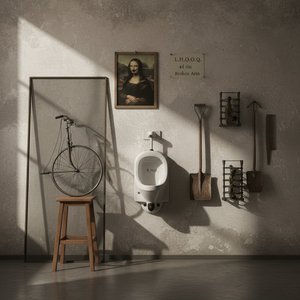
Marcel Duchamp: Challenging Conventions & Redefining Art in the 20th Century
Explore the revolutionary art of Marcel Duchamp! Discover how his Dadaist readymades challenged artistic conventions & redefined modern art. A deep dive into 'Fountain', conceptual shifts, and his lasting impact.