

 Visualizar na parede
 Compartilhar
 Compartilhar
 Detalhes
 Guia
Guia

 Baixar imagem
 Semelhantes
 Raio X
 Ver diaporama
 Perguntas e Respostas
 Estatísticas
The bay


 Ler mais
Obtenha um arquivo pronto para impressão que vai muito além da visualização na web. Cada imagem digital que vendemos provém de um arquivo mestre de alta resolução em nosso banco de dados — geralmente entre 5.000 e 15.000 pixels de largura — para que você possa imprimir em grandes formatos, realizar cortes precisos ou reproduzir detalhes minuciosos com total confiança.
Nenhum arquivo sai do nosso estúdio sem passar por um cuidadoso processo de revisão. Um especialista digital verifica as cores em relação à pintura original e as corrige se necessário, aumentando então a clareza e o detalhe com ferramentas profissionais de retoque — sempre mantendo a fidelidade às pinceladas e ao estilo do artista. O resultado é uma imagem que se assemelha à pintura, e não a um scan com filtros.
Aprovação antes da finalização: nosso especialista enviará a imagem por e-mail em até 72 horas para sua revisão. Não ficou satisfeito? Solicite melhorias ou correções, ou peça o reembolso caso a qualidade não atenda às suas expectativas.
Esta é a qualidade em que confiam editoras, estúdios de design, galerias e gráficas.
Imagem Digital
Baixe um arquivo de alta resolução para exibição pessoal, impressão e projetos criativos. ( Alternar para Impressão Comprar pintura feita à mão)
Incluído em cada compra de imagem digital
Entrega Digital Especializada e Garantida
Ao escolher o ArtsDot.com, você não está apenas adquirindo uma imagem — você está recebendo uma obra de arte digital profissionalmente aprimorada, elaborada com precisão e com garantia de satisfação. Aqui está tudo o que acompanha seu pedido, automaticamente:

Entrega rápida por e-mail
O seu arquivo de imagem digital em alta resolução será enviado por e-mail em até 72 horas após o pedido — pronto para uso imediato.

Arquivo Digital com IA Otimizado
Sua obra de arte é otimizada profissionalmente por meio de ferramentas avançadas de IA e edição manual, garantindo o máximo de detalhes, clareza e precisão de cores.

Reenvio gratuito vitalício
Apagou ou perdeu o seu ficheiro acidentalmente? Não se preocupe – nós reenviamos para si a qualquer momento, gratuitamente.

Sem Taxas de Importação - Sempre
Desfrute da sua obra de arte instantaneamente, sem taxas alfandegárias, impostos ou custos de entrega — downloads digitais são sempre isentos de taxas.

Garantia de Fidelidade de Cores
Garantimos que sua imagem digital reflita as cores originais com a maior fidelidade possível, utilizando ferramentas profissionais e gerenciamento de cores.

Garantia de satisfação de 100 dias
Se não estiver satisfeito com a sua imagem digital, nós a revisaremos ou reembolsaremos 100% dentro de 100 dias — sem perguntas.

Garantia de Reembolso 100%
Não está satisfeito? Receba o reembolso total em até 100 dias após o recebimento do seu arquivo digital — sem perguntas.

Descontos para pedidos em lote
Compre 3 imagens, economize 10% - Compre 5, economize 15% - Compre 10+, economize 20%. Ideal para projetos criativos, galerias e agências.
A Dreamscape of Flight: Exploring Marc Chagall’s “The Bay” (1962)
This captivating pastel drawing, “The Bay,” offers a glimpse into the whimsical and deeply personal world of Marc Chagall. Created in 1962, this work exemplifies his unique ability to blend memory, folklore, and emotion into visually arresting compositions. The artwork isn’t merely a depiction of a scene; it's an evocation of a feeling – a nostalgic reverie suspended between reality and imagination.Subject & Composition: A Bird’s-Eye View of Memory
The composition is dominated by a large bird in dynamic flight, positioned diagonally across the frame. This central figure immediately draws the eye, symbolizing freedom, aspiration, or perhaps even the artist's own soaring spirit. Below, a simplified landscape unfolds – water reflecting an unseen light, small boats suggesting human presence, and distant buildings hinting at civilization. The arrangement isn’t geographically precise; rather, it feels like a composite of remembered places and imagined vistas. Chagall often populated his works with recurring motifs from his childhood in Vitebsk, Belarus, and while “The Bay” doesn't explicitly depict that location, the overall atmosphere resonates with its spirit. Subtle human figures are integrated into this landscape, adding to the surreal quality of the scene.Style & Technique: Expressionism Meets Surrealism
“The Bay” showcases Chagall’s distinctive style – a harmonious blend of Expressionism and Surrealism. The loose, expressive lines and pastel palette create a dreamlike atmosphere. He eschews precise outlines in favor of short, broken strokes that suggest movement and form. This technique lends the artwork a sense of spontaneity and emotional immediacy. Layering is key; colors overlap and blend, creating depth and texture without relying on traditional perspective. The flattened perspective further enhances the two-dimensional quality, emphasizing the work’s imaginative nature rather than its representational accuracy.Historical Context & Artistic Influences
Born in 1887, Marc Chagall navigated a period of immense artistic upheaval. While he engaged with movements like Cubism and Symbolism early in his career, he ultimately forged his own path – one deeply rooted in personal experience and Jewish folklore. By the time “The Bay” was created in 1962, Chagall had already established himself as a major figure in modern art. His work often reflects themes of love, loss, memory, and spirituality. The post-war era saw a renewed interest in subjective experience, and Chagall’s emotionally resonant paintings resonated deeply with audiences seeking meaning and solace.Symbolism & Emotional Impact
The symbolism within “The Bay” is open to interpretation, which is characteristic of Chagall's work. The bird, as mentioned, represents freedom and transcendence. Water often symbolizes the subconscious or the flow of life. The buildings suggest a connection to humanity, but their distance implies a sense of detachment or longing. Overall, the artwork evokes a feeling of wistful melancholy – a beautiful sadness that speaks to the ephemeral nature of memory and the enduring power of imagination. It’s a piece that invites contemplation and allows viewers to project their own emotions onto its evocative imagery.For Collectors & Designers
“The Bay” is an excellent example of Chagall's mature style, offering both artistic merit and emotional depth. Its pastel palette and dreamlike quality make it a versatile piece for interior design – complementing a range of styles from modern to bohemian.- Its whimsical nature adds a touch of magic to any space.
- The muted colors create a calming atmosphere.
- A high-quality reproduction captures the essence of Chagall’s technique and emotional impact, bringing a piece of art history into your home or office.
Perguntas e Respostas
Quais cores predominam em "The bay", de Marc Chagall?
"The bay" é definido por uma paleta Neutrals com destaque para Putty (#ece0c3).
Que tema e atmosfera combinam em "The bay", de Marc Chagall?
"The bay" apresenta bird flight, dreamscape art, pastel colors, fantasy scene, symbolic imagery, melancholy mood, naive style”, e o seu estado de espírito registrado é Nostalgic.
Onde se recomenda exibir o formato Landscape de "The bay"?
O formato (Landscape) e o ambiente recomendado (Living Room) são as duas informações de posicionamento registradas para "The bay", de Marc Chagall.
Obras Relacionadas


Biografia do Artista
Vida Inicial, Família e Formação
Marc Chagall chega ao mundo em 7 de julho de 1887, em Vitebsk, no Império Russo, nascido como Moishe Segal. Ele é o primeiro de nove filhos de uma modesta família judaica. Sua vida é definida pelos ritmos do trabalho e do pequeno comércio; seu pai, Khatskel Segal, trabalha como conservador de arenque em um armazém, enquanto sua mãe, Feïga-Ita Tchernina, administra uma pequena mercearia. Estes primeiros anos estão enraizados nas texturas específicas de uma cidade provincial, onde os limites de seu mundo são moldados pelas necessidades de um numeroso lar e pelas tradições de sua comunidade.
A educação começa entre as paredes do heder, uma escola primária judaica tradicional. Aqui, o foco permanece na instrução religiosa e nos textos fundamentais de sua criação. Aos treze anos, o escopo de seu aprendizado desloca-se para o secular. Ele ingressa na escola secundária oficial de Vitebsk para seguir uma educação russa, um movimento que marca um afastamento da esfera estritamente religiosa de sua infância. Esta existência dual — entre as tradições sagradas do heder e as exigências seculares da escola estatal — cria uma tensão que define o seu desenvolvimento inicial.
O impulso artístico encontra sua primeira expressão formal em Vitebsk. Marc Chagall recebe seu treinamento inicial em uma escola de arte local dirigida por Iouri Pen. É aqui que o instinto bruto para a expressão visual começa a coalescer em uma prática disciplinada. Ele transita das lições estruturadas da sala de aula para um envolvimento mais profundo com o ato de ver, preparando o terreno para uma vida dedicada a traduzir a memória em forma.
Os Anos Formativos em São Petersburgo
A transição da quietude provincial de Vitebsk para a escala imperial de São Petersburgo é marcada pela luta. Entre 1907 e 1909, a capital oferece pouco em termos de conforto. A pobreza é uma companheira constante; há momentos de fome tão severos que o colapso físico se torna uma realidade. Para sobreviver, ele ocupa as ruas, ganhando o sustento de forma modesta ao desenhar letreiros de lojas. Essas tarefas comerciais fornecem os rublos necessários para sustentar sua presença na cidade, enquanto ele navega pelas complexidades de ser um estudante judeu em um império vasto e em constante mutação.
A busca acadêmica é implacável. Ele se matricula em diversas academias, buscando uma estrutura formal para sua linguagem visual emergente. A atmosfera da capital é densa com a influência da vanguarda, uma tensão que o afasta do treinamento clássico. Ele se vê no estúdio de Léon Bakst, um designer para os Ballets Russes, onde a teatralidade do cenário começa a infiltrar-se em sua percepção de espaço e forma. Este período é uma colisão de necessidade e ambição, um tempo de esboços pela sobrevivência enquanto, simultaneamente, absorve as mudanças radicais que ocorrem na cena artística russa.
Os Anos de Paris e a Influência da Vanguarda
Paris surge entre 1910 e 1911, um deslocamento súbito das restrições provincianas do Império Russo. A cidade oferece um choque sensorial absoluto. Em suas ruas, especialmente em Montparnasse, ele encontra luz, cor e liberdade. Este já não é o mundo do comerciante de arenque ou da tradicional escola heder; é um horizonte de possibilidades radicais. Ele se estabelece na La Ruche, a famosa residência de artistas, onde o ar é denso com a presença da nova vanguarda. Ele compartilha esse espaço com Amedeo Modigliani e Fernand Léger, figuras que estão redefinindo os limites da expressão moderna. A influência da era é inescapável, mas ele permanece como um elemento singular, absorvendo as descobertas do Fauvismo e do Cubismo sem jamais renunciar à sua própria lógica interna.
A obra produzida durante este período começa a refletir um distanciamento da representação literal. Marc Chagall move-se em direção a um estilo que prioriza associações emocionais e poéticas em detrimento das regras estritas da lógica pictórica. As cores ganham brilho, impulsionadas pela exposição à cena parisiense. Ele navega pela tensão entre a formação formal de seu passado e a liberdade experimental do presente. Este período de intensa fricção criativa perdura até que as convulsões políticas da guerra o puxem de volta para o Leste. Somente em 1923 ele retorna a Paris com sua família, restabelecendo sua presença na cidade que, pela primeira vez, libertou sua linguagem visual.
- The Betrothed and Eiffel Tower (1913)
- Hommage à Apollinaire (1912-1913)
Os Anos Russos e a Revolução
A revolução arrasta Marc Chagall de volta a Vitebsk. Ele não se limita a observar o tumulto; ele tenta moldar a sua paisagem cultural. Assume o papel de Comissário de Belas Artes de Vitebsk e assume a direção de uma escola local de Belas Artes. Sua visão é pautada pela comunidade e pela educação, mas o clima político oscila sob seus pés. A ascensão do Suprematismo cria uma fratura profunda. Figuras como Malevitch e Lissitzky impulsionam uma abstração radical e não objetiva, que colide frontalmente com a abordagem mais lírica e figurativa de Marc Chagall. A tensão torna-se insustentável. Ele é forçado a deixar seus cargos, vendo seu sonho de um renascimento artístico local colidir com as exigências rígidas do novo regime.
Por volta de 1920, o foco se desloca para Moscou. Ele trabalha na decoração do teatro judaico, um projeto que captura a intersecção entre sua identidade pessoal e o palco público. Suas linhas são confiantes, suas cores alternam entre o vigor e a palidez, mesmo enquanto o mundo ao seu redor se fragmenta. Ele navega por um período de intensa produção criativa e profunda luta material, movendo-se entre a memória do shtetl e as demandas de um Estado em constante transformação. A era é definida por esse atrito: a tentativa de construir um lar cultural enquanto os próprios alicerces de seu mundo estão sendo reescritos.
- Over the Town (1914–1918)
- Apparition (c. 1917-18)
Vida nos Estados Unidos
O estopim da Segunda Guerra Mundial forçou uma súbita mudança geográfica na trajetória do artista. Em 1941, Marc Chagall e sua família buscaram refúgio nos Estados Unidos, fugindo da instabilidade da França ocupada. Ele estabeleceu-se na cidade de Nova York e em seus arredores, um período de residência que se estendeu até 1948. A metrópole ofereceu um cenário de profundo turbilhão emocional; em meio às ansiedades dos anos de guerra, seu pincel capturou a tensão de um mundo em constante mutação. Sua obra reflete a incerteza daquela era, traduzindo o inquietamento pessoal e global em uma linguagem visual de sofrimento e esperança.
Durante esses sete anos, o artista encontrou uma maneira de se envolver com projetos institucionais de grande escala. Ele assumiu encomendas de grande importância para a sede das Nações Unidas, traduzindo sua visão poética para o tecido arquitetônico de uma instituição global. Este período na América marca um capítulo significativo de experimentação e sobrevivência, unindo suas raízes europeias a uma nova e intensa realidade. Marc Chagall permaneceu como um homem entre mundos, com o coração ainda voltado para a França, mesmo enquanto navegava pelas complexidades de seu exílio americano.
- White Crucifixion (1938)
Técnica e Estilo Artístico
A lógica cede lugar à emoção. Marc Chagall rejeita as regras rígidas da lógica pictórica, optando, em vez disso, por compor imagens através da associação poética. Suas telas operam sob a mecânica de um sonho. Figuras flutuam pelo ar, desafiando a gravidade, enquanto as cores pulsam com uma intensidade não naturalista. Essa abordagem permite-lhe capturar a essência do sentimento, em vez da aparência literal do mundo. Ele transcende a mera imitação, utilizando uma paleta audaciosa para traduzir a memória em uma linguagem visual.
Sua estética é uma colisão de influências. Ele absorve as estruturas fragmentadas do Cubismo e a cor intensa do Fauvismo, mas filtra esses movimentos de vanguarda através de uma lente profundamente pessoal. O resultado é um estilo que faz a ponte entre o Expressionismo e a abstração. Ele entrelaça o sagrado e o mundano, povoando suas cenas com imagens simbólicas e surreais. Contos folclóricos judaicos e os detalhes silenciosos e cotidianos da vida no shtetl tornam-se os blocos de construção de uma mitologia privada. O familiar torna-se fantástico.
A iconografia frequentemente se concentra em motivos recorrentes: amantes voadores, violinistas e buquês massivos. Esses elementos não são meras decorações, mas símbolos de uma paisagem espiritual e emocional. Em obras como Os Amantes (1929), a sensação de leveza e o uso de cores intensas criam um espaço onde as leis físicas do mundo já não se aplicam. Sua obra permanece uma negociação constante entre a realidade tangível de sua criação e as possibilidades ilimitadas da imaginação.
- Eu e a Aldeia (1911)
- O Violinista Verde (1924)
- Crucificação Branca (1938)
Patronos, Ateliê e Encomendas
Em meados da década de 1920, Marc Chagall encontrava-se em Paris, navegando pelos influentes círculos do mercado de arte. Ele entra na órbita de Ambroise Vollard, um marchand cuja influência moldou a trajetória de muitos artistas de vanguarda. Vollard encomenda a Chagall uma série de gravuras, confiando-lhe a tarefa de ilustrar as obras de Nikolay Gogol, especificamente Almas Mortas. Este período marca uma transição em direção à precisão da gravura, afastando-se da espontaneidade fluida de suas telas anteriores.
Em 1931, o foco se desloca para o Oriente Médio. O prefeito de Tel Aviv estende um convite a Chagall para viajar à Palestina. O objetivo é ambicioso: a fundação de um Museu de Arte Judaica. Este período aprofunda seu envolvimento com o simbolismo religioso e cultural, um tema que persistiria em suas obras arquitetônicas de grande escala em anos posteriores. Sua capacidade de traduzir a memória pessoal e comunitária em espaço físico torna-se um aspecto definidor de sua produção profissional.
À medida que sua reputação cresce, a escala de seu trabalho expande-se da página íntima para o monumental. Ele adentra o reino da luz e da arquitetura, projetando vitrais para a Catedral de Metz e para o edifício das Nações Unidas, em Nova York. Essas obras exigem um domínio absoluto de como a cor interage com a luz solar. Em 1964, ele atinge o ápice do reconhecimento público com uma encomenda para o teto da Ópera de Paris, um empreendimento massivo que transporta sua imaginação onírica para um dos espaços culturais mais significativos da Europa.
Onde Ver as Obras Hoje
O legado de sua visão permanece ancorado em diversas instituições fundamentais ao redor do globo. Em Nice, na França, o Musée National Marc Chagall abriga uma extensa coleção de suas obras, preservando a essência de sua produção criativa. Este museu oferece um olhar concentrado sobre a iconografia que definiu sua longa carreira. Enquanto isso, o Museu Estatal Russo, em São Petersburgo, na Rússia, mantém uma presença significativa de sua arte, detendo peças que nos conectam aos seus primeiros anos e ao seu tempo no Império Russo.
O alcance de seu trabalho estende-se através do Atlântico até os Estados Unidos. O Museu de Arte Moderna, em Nova York, possui obras que refletem sua complexa relação com a metrópole durante seus anos de exílio. No Meio-Oeste americano, o Art Institute of Chicago apresenta sua arte, garantindo sua presença em grandes coleções internacionais. Esses locais constituem os principais pontos de contato físico para aqueles que buscam encontrar seu uso específico de cor e forma.
- I and the Village (1911)
- The Wedding (1944)
- White Crucifixion (1938)
- The Lovers (1929)
- The Circus (1964)
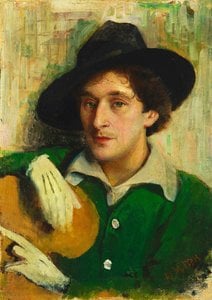
Marc Chagall
1887 - 1985 , Belarus
Breve Biografia
- Artistic Movement Or Style: Expressionismo, Cubismo, Fauvismo, Surrealismo
- Artists Or Movements Influenced By This Artist: ['Surrealistas']
- Artists Who Influenced This Artist: ['Léon Bakst']
- Date Of Birth: 1887
- Date Of Death: 1985
- Full Name: Moishe Shagal
- Nationality: Russo-francês
- Notable Artworks:
- Eu e a Aldeia
- O Aniversário
- O Casamento
- Crucificação Branca
- Sobre Vitebsk
- Place Of Birth: Liovana, Belarus