


 Visualizar na parede
 Compartilhar
 Compartilhar
 Detalhes

 Baixar imagem
 Semelhantes
 Raio X
 Slideshow
Forgotten Angel
 Symbolism
 1992
1992 150.0 x 50.0 cm
 Museum of the Arts of the University of Guadalajara
 Ler mais
Giclée / Impressão de Arte
Impressão giclée ou em tela de qualidade de museu, com produção rápida e opções flexíveis de acabamento. ( Comprar pintura feita à mão Comprar imagem)




































Escolha entre os nossos tamanhos pré-definidos que respeitam as proporções originais da obra de arte.

Você pode inserir suas próprias dimensões para se ajustar a uma moldura ou espaço específico. Se o tamanho selecionado não corresponder às proporções da imagem original, iremos recortar a obra de arte ou estender a imagem com uma borda espelhada ou preenchimento sólido. Um mockup digital será enviado para sua aprovação antes do início da produção.
Por favor, observe que a visualização na tela não reflete o recorte ou a extensão real. Apenas o mockup mostrará com precisão a composição final.
Embora tamanhos personalizados estejam disponíveis, recomendamos selecionar uma dimensão da lista predefinida para preservar as proporções originais.
Entrega mundial () em 2 semanas, em vez das 4/5 semanas padrão. (5 Setembro)

Envio expresso gratuito para todo o mundo

Tela de Linho de Alta Qualidade

Seguro de transporte completo

Garantia de Reembolso de Impostos Alfandegários

Garantia de Fidelidade Cromática

Política de Devolução em 60 Dias (Apenas para Defeitos)

Garantia de reembolso de 100%

Oferta de desconto por quantidade
 A opção de vidro está disponível apenas para tamanhos inferiores a 110 cm

Forgotten Angel
Giclée / Impressão de Arte
Tamanho da Reprodução
-


Preço Total
$ 62
Obras Relacionadas


Biografia do Artista
A Tapestry of Two Worlds: The Artistic Journey of Lucía Maya
The life and work of Lucía Maya represent a profound dialogue between disparate geographies and cultural identities. Born in 1953 amidst the serene landscapes of Santa Catalina Island, California, her early years were shaped by an American sensibility that would later merge with the deep-rooted traditions of Mexico. In 1957, her family relocated to San Pedro Tlaquepaque, Jalisco, a move that fundamentally recalibrated her creative compass. This transition from the Pacific coast of the United States to the vibrant, culturally dense heart of Mexico allowed Maya to develop a unique perspective, one where the clarity of her American origins met the rich, symbolic complexity of Mexican heritage.
Maya’s formal artistic evolution was marked by rigorous academic discipline and international exploration. Her studies at the Universidad de Guadalajara in 1971 provided a foundational understanding of regional aesthetics, which she further refined through a transformative period in Spain. Moving to Madrid in 1974 to attend the prestigious Academia de Bellas Artes San Fernando, she immersed herself in the classical techniques and European art history that would later inform her sophisticated approach to form and texture. This academic journey, spanning continents, allowed her to synthesize a style that is both globally informed and deeply personal.
Symbolism, Surrealism, and the Alchemy of Form
At the heart of Maya’s oeuvre lies a masterful command of Surrealism, utilized not merely as an aesthetic choice but as a tool to explore the subconscious and the metaphysical. Her work frequently navigates the liminal space between dream and reality, employing evocative color palettes and intricate textural layering to evoke profound emotional responses. She possesses a singular ability to imbue her subjects—often the female figure—with a sense of mythic importance, placing them within landscapes that feel both primordial and otherworldly.
Her technical versatility is equally striking, as she moves seamlessly between the fluid storytelling of lithography, the tactile presence of sculpture, and the luminous depth of oil painting. In her paintings, one might encounter themes of transformation and regeneration; for instance, in works like The Torrent, she utilizes elemental imagery such as fire and rain to represent the alchemical process of change. This preoccupation with the sacred and the mythical allows her art to transcend mere representation, inviting viewers into a contemplative state where memory and loss are explored through a lens of beauty and resilience.
Legacy and International Recognition
The significance of Lucía Maya’s contribution to contemporary art is reflected in the prestigious institutions that have hosted her work. Her exhibitions have resonated far beyond the borders of Jalisco, reaching audiences at the Ronna & Eric Hoffman Gallery of Contemporary Art in Portland, Oregon, and the Museo de Arte Contemporáneo in Puerto Rico. The inclusion of her pieces in collections such as the Museo de Arte de Bayamón underscores her standing as an artist whose vision possesses universal relevance.
Throughout her prolific career, Maya has remained a bridge-builder, connecting the folk traditions of Mexico with the avant-garde movements of the West. Her ability to weave together the following elements defines her lasting impact:
- Cultural Synthesis: The seamless integration of American and Mexican artistic identities.
- Thematic Depth: An enduring exploration of memory, femininity, and the elemental forces of nature.
- Technical Mastery: A diverse command over multiple media, from printmaking to three-dimensional sculpture.
- Global Dialogue: The ability to communicate complex, culturally specific symbols to an international audience.
As her work continues to be studied and celebrated, Lucía Maya remains a vital figure in the contemporary landscape, reminding us that art is a powerful vessel for the preservation of heritage and the exploration of the human soul.

lucía maya
1953 - , United States of America
Dados Rápidos
- Artistic Movement Or Style: Blending Mexican & American influences
- Date Of Birth: 1953
- Full Name: Lucía Maya
- Nationality: Mexican
- Notable Artworks:
- Forgotten Angel
- Tower of Babel
- Flowered Boy
- Place Of Birth: Santa Catalina Island, United States of America
Artigos Relacionados

Celestial Messengers: Angels in Painting – A Historical & Artistic Exploration
Explore the captivating history of angels in painting! Discover symbolism, iconic Renaissance & Byzantine masterpieces, and renowned artists. Expert insights for art lovers & collectors at ArtsDot.

Celestial Messengers: A Comprehensive Exploration of Angelic Representation in Art History
Explore the captivating history of angels in art! Discover symbolism, iconic Renaissance masterpieces & renowned artists. Expert insights for art lovers & collectors at ArtsDot.

Surrealismo na Pintura: 10 Obras-Primas que Definiram um Movimento Artístico
Descubra as 10 obras-primas que moldaram o Surrealismo! Explore a história de Dalí, Magritte e Miró. Encontre reproduções de arte exclusivas para transformar sua casa com ArtsDot.com.

Surrealismo: 10 Obras-Primas que Moldaram um Movimento Artístico Inesquecível
Descubra as 10 obras-primas que revolucionaram o Surrealismo! Explore a história de Dalí, Magritte e Miró. Encontre reproduções de arte exclusivas para decorar sua casa com estilo em ArtsDot.com.
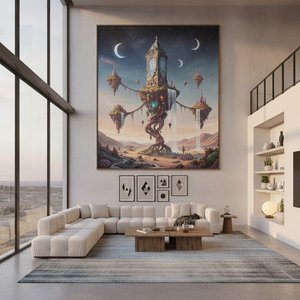
Dreamscapes Unveiled: A Curated Guide to Integrating Surrealist Landscape Art into Modern Interiors
Discover how to transform your home with the captivating mystery of Surrealist landscape art. Our expert guide explores iconic dreamscapes, offering professional tips on curating, styling, and commissioning bespoke surrealist masterpieces for a sophisticated, soulful interior.

