


 Visualizar em escala
 Enviar
 Compartilhar
 Ver detalhes
 Guia de Obras do Aluno

 Baixar imagem
 Semelhantes
 Raio X
 Apresentação de slides
 Estatísticas
Study Sheet
 Acrylic On Canvas
- WallArt
- Expressionist Printmaking
 1931
1931 40.0 x 32.0 cm
 Kunsthalle Bremen
 Ver mais
Reprodução em Óleo Feita à Mão
Óleo sobre tela pintado à mão no tamanho e moldura de sua escolha, feito sob encomenda pelos nossos artistas. ( Alternar para Impressão Ver Imagem Digital)




P118B €10

P118H €10

P118W €10

P438Z €10

P508JH €12

P508YH €12

P805H €10

P805Z €10

P919BZ €10

P919G €10

P919XJ €10

P959ZH €10

P968JZ €12

W106C €8

W218G €10

W218JH €8

W218Y €10

W307PJ €10

W316G €10

W316PJ €8

W316Y €10

W398PJ €8

W4111J €10

W500HY €15

W500JH €15

W692G €12

W849H €8

W940BG €15

W953PJ €8




Escolha entre os nossos tamanhos pré-definidos que respeitam as proporções originais da obra de arte.

Digite a largura e a altura de que necessita, para se ajustar à sua moldura ou à sua parede. Esta obra é pintada à mão, por isso, para um tamanho com uma proporção diferente, o artista pode pintar um pouco mais ao redor da imagem ou cortar um pouco — você escolhe. Enviamos-lhe uma maquete digital para aprovação antes de a pintura começar. A imagem exibida nesta página não mostra o resultado real — apenas a maquete mostra.
Após o pedido, a equipa ArtsDot.com enviará um e-mail ao cliente para solicitar instruções e fornecer uma prévia do esboço.
Entrega mundial () em 3 a 4 semanas, em vez das 5 semanas padrão. (24 Outubro). Sem comprometer a qualidade.

Envio expresso gratuito para todo o mundo

Tela de Linho Premium

Seguro de transporte total

Garantia de Reembolso de Impostos Alfandegários

Garantia de Fidelidade de Cor

Política de Devolução em 100 Dias (Apenas para Defeitos)

Garantia de reembolso de 100%

Desconto para múltiplas unidades
 A opção de vidro está disponível apenas para tamanhos inferiores a 110 cm

Study Sheet
Técnica de Reprodução
Dimensões da Reprodução
-


Preço Total
€ 231
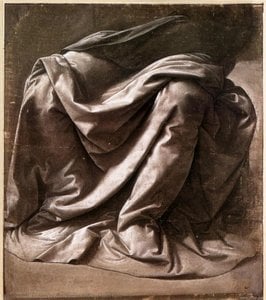
A Portrait of Family Bonds: Käthe Kollwitz’s “Study Sheet”
Käthe Kollwitz's "Study Sheet," created in 1931, transcends mere depiction; it embodies the profound empathy and unwavering commitment to social justice that defined her artistic legacy. This deceptively simple drawing—measuring 40 x 32 cm—offers a glimpse into Kollwitz’s meticulous process and speaks volumes about her enduring fascination with portraying human vulnerability and familial connection. Examining this artwork reveals layers of meaning, reflecting not only the artist's technical prowess but also the socio-political currents shaping early twentieth-century Germany.The Artist’s Vision: Kollwitz’s Style and Technique
Kollwitz’s artistic style is instantly recognizable as Expressionism—a movement characterized by its rejection of idealized beauty in favor of conveying raw emotion and psychological truth. Unlike Impressionists who sought to capture fleeting moments of light, Kollwitz deliberately employed bold lines and muted colors to emphasize the contours of her subjects and imbue them with palpable feeling. The drawing utilizes a charcoal pencil on paper, demonstrating Kollwitz’s mastery of tonal shading—a technique she honed throughout her prolific career. Careful attention is paid to capturing subtle nuances of expression, particularly in the faces of the figures depicted. This deliberate choice underscores Kollwitz's belief that art should serve as a conduit for confronting uncomfortable realities and fostering compassion for those marginalized by society.Historical Context: Weimar Republic Anxiety
“Study Sheet” was produced during the Weimar Republic—a period marked by economic instability, political polarization, and simmering anxieties about the rise of extremist ideologies. Kollwitz’s artistic output coincided with this turbulent era, reflecting a deep concern for the plight of working-class families grappling with poverty and hardship. The depiction of a family huddled together—two adults and two children—immediately evokes images of resilience and solidarity amidst adversity. This motif resonates powerfully within the broader context of Weimar Germany, where anxieties about social upheaval fueled artistic explorations of vulnerability and human dignity. Kollwitz herself was deeply involved in socialist activism, using her art to advocate for social reform and denounce injustice – a commitment that permeated every piece she created.Symbolism Within Simplicity: The Family Unit
The inclusion of three cats within the composition adds another layer of symbolic significance. Cats have long been associated with domestic tranquility and maternal care—representing comfort and protection within the familial sphere. Their presence subtly reinforces Kollwitz’s central theme: the importance of nurturing relationships and safeguarding vulnerable individuals against external pressures. The artist's careful rendering of each feline contributes to the overall atmosphere of warmth and companionship, highlighting Kollwitz’s ability to distill complex emotions into deceptively understated visual elements.Emotional Resonance: A Legacy of Compassion
Ultimately, “Study Sheet” succeeds in capturing a moment of profound human connection—a testament to Kollwitz's unwavering empathy for the suffering masses. The drawing compels viewers to contemplate themes of familial love, resilience, and compassion—values that remain remarkably relevant today. It serves as an enduring reminder that art can illuminate the darkest corners of experience while simultaneously affirming the inherent dignity of every human being. Kollwitz’s masterful technique and her unflinching portrayal of emotion solidify “Study Sheet” as a cornerstone of Expressionist art and a poignant reflection on the human condition.Perguntas e Respostas
Quem criou "Study Sheet" e em que ano?
"Study Sheet" foi criado por Käthe Kollwitz em 1931.
Que tipo de obra é "Study Sheet"?
"Study Sheet" de Käthe Kollwitz é classificado como WallArt. A categoria descreve o tipo de obra de arte que a peça original representa.
Que atmosfera "Study Sheet" de Käthe Kollwitz traz a um ambiente?
A atmosfera Calm de "Study Sheet" de Käthe Kollwitz combina com o seu espaço recomendado: um(a) Living Room.
Obras Relacionadas




Biografia do Artista
Primeira Infância e o Despertar Artístico
Käthe Kollwitz, nascida Käthe Schmidt em 8 de julho de 1867, em Königsberg (atual Kaliningrad, Rússia), emergiu de uma família profundamente enraizada tanto no fermento intelectual quanto na consciência social. Seu pai, Karl Schmidt, era uma figura política progressista — um radical social-democrético e maçom — enquanto seu avô materno, Julius Rupp, instilou na jovem Käthe uma mistura potente de convicção religiosa e ideais socialistas. Essa criação única provou ser fundamental, moldando não apenas sua visão de mundo, mas o próprio cerne de sua expressão artística. Mesmo criança, Kollwitz demonstrou um talento inato para o desenho, incentivada por seu pai, que reconheceu e nutriu sua criatividade florescente. O treinamento formal começou aos doze anos, sob a orientação dos artistas locais Gustav Naujok e Rudolf Mauer em Königsberg, lançando as bases para uma dedicação vitalícia à narrativa visual. Essas lições precoces não foram meros exercícios técnicos; foram os primeiros passos em um caminho para se tornar uma voz poderosa para os marginalizados e oprimidos. Ela continuou seus estudos em Berlim e Munique, imergindo nas correntes artísticas do final do século XIX, mas sempre retornando à condição humana como seu tema central.O Crisol da Experiência: Arte e Comentário Social
O casamento de Kollwitz com Karl Kollwitz, em 1891, marcou um momento crucial, tanto pessoal quanto artisticamente. O casal estabeleceu-se em Berlim, onde Karl exercia a medicina entre a classe trabalhadora empobrecida da cidade. Essa exposição direta à dificuldade e ao sofrimento impactou profundamente a visão artística de Käthe. Inicialmente, seu trabalho focava na representação das realidades da vida operária, imbuído dos princípios social-democratas que absorvera de sua família. No entanto, foi o Ciclo dos Tecelões (1894-1898), uma série de gravuras inspirada na peça de mesmo nome de Gerhart Hauptmann, que catapultou Kollwitz ao reconhecimento mundial. Esta obra poderosa retratou vividamente o desesrito e a revolta dos tecelões da Silésia enfrentando a exploração econômica — uma denúncia contundente da injustiça social, executada com uma honestidade inabalável. Ela não evitou retratar as realidades brutais que testemunhou; em vez disso, abraçou-as como componentes essenciais de sua verdade artística. Após Os Tecelões, Kollwitz embarcou no Ciclo da Guerra dos Camponeses (1902-1908), explorando temas de rebelião e opressão através das lentes da história alemã do século XVI. Esses ciclos iniciais estabeleceram sua reputação como uma artista profundamente comprometida com o realismo social, mas que já sinalizavam a intensidade emocional que se tornaria a marca registrada de seu estilo.Perda, Luto e o Impulso Expressionista
A Primeira Guerra Mundial trouxe uma tragédia inimaginável para a vida de Kollwitz. A morte de seu filho, Peter, em 1914, despedaçou seu mundo e alterou irrevogavelmente o curso de sua arte. O luto tornou-se um tema central, permeando obras como Morte com a Menina no Colo, uma representação assombrosa do sofrimento materno que transcende a perda específica para encarnar o luto universal. Este período também testemunhou uma mudança em seu estilo artístico, afastando-se do realismo estrito em direção a um Expressionismo mais carregado de emoção. Embora nunca tenha abandonado totalmente as formas representativas, Kollwitz começou a simplificar as formas e a amplificar o impacto emocional através de contrastes marcantes e composições dramáticas. Obras como Velho com a Enforcadeira e Torre das Mães exemplificam essa evolução — expressões cruas e viscerais de desespero e das consequências devastadoras da guerra. Seu domínio das técnicas de gravura — água-forte, litografia, xilogravura — permitiu-lhe alcançar esses efeitos, utilizando aquatinta e lixa para criar texturas dramáticas e variações tonais.Reconhecimento, Resiliência e um Legado Duradouro
Apesar de enfrentar imensas dificuldades pessoais, Kollwitz continuou a criar arte que desafiava as normas sociais e dava voz aos sem voz. Em 1919, ela alcançou um marco histórico ao tornar-se a primeira mulher eleita para a Academia de Artes da Prússia — um testemunho de suas conquistas artísticas e de sua crescente influência. No entanto, esse reconhecimento foi breve. Com a ascensão do Nazismo na Alemanha, Kollwitz foi forente a renunciar à Academia em 1933, e seu trabalho foi proibido como “arte degenerada”. Imperturbável, ela voltou-se para a escultura em seus anos tardios, continuando a explorar temas de luto, perda e resiliência no bronze e na pedra. Ela morreu perto de Dresden em 1945, durante os dias finais da Segunda Guerra Mundial, um fim pungente para uma artista que dedicou sua vida a testemunhar o sofrimento humano. Hoje, Käthe Kollwitz é celebrada como uma figura fundamental no Expressionismo e uma poderosa defensora da justiça social. Sua arte continua a ressoar com públicos de todo o mundo, lembrando-nos do poder duradouro da empatia e da importância de confrontar verdades difíceis. O Museu Käthe Kollwitz em Berlim permanece como um tributo duradouro ao seu legado, garantindo que sua profunda visão artística continue a inspirar as gerações vindouras.Influências e Estilo Artístico
O desenvolvimento artístico de Kollwitz foi moldado por várias influências fundamentais. A série de gravuras de Max Klinger, Ein Leben (Uma Vida), impactou profundamente seu trabalho inicial, demonstrando o potencial dos ciclos gráficos para a narrativa visual. As peças de Gerhart Hauptmann forneceram inspiração temática para obras como Os Tecelões, enquanto a prática médica de seu marido a expôs às duras realidades enfrentadas pela classe trabalhadora de Berlim. No entanto, Kollwitz não era meramente uma registradora de eventos externos; ela possuía uma habilidade excepcional de traduzir a experiência pessoal em emoções universais. Seu estilo é caracterizado por sua intensidade emocional bruta, formas simplificadas e uso magistral de luz e sombra. Embora enraizada no realismo, sua obra transcende a mera representação, mergulhando nas profundezas psicológicas do sofrimento humano. Ela não estava interessada na beleza pela beleza; buscava criar uma arte que provocasse o pensamento, inspirasse empatia e, em última análise, contribuísse para um mundo mais justo. Seu legado não é apenas de inovação artística, mas também de coragem moral. Kollwitz permanece como um símbolo duradouro do artista como consciência social.
Käthe Kollwitz
1867 - 1945 , Rússia
Informações Rápidas
- Artistic Movement Or Style: Expressionismo
- Artists Who Influenced This Artist:
- Max Klinger
- Gerhart Hauptmann
- Date Of Birth: 8 Julho 1867
- Date Of Death: 22 Abril 1945
- Full Name: Käthe Kollwitz
- Nationality: Alemã
- Notable Artworks:
- O Ciclo dos Tecelões
- O Ciclo da Guerra dos Camponeses
- Place Of Birth: Kaliningrad, Rússia
Artigos Relacionados

Retratos em Evolução: A Arte Personalizada como Crônica da Vida Familiar Através das Gerações
Transforme suas memórias em legados com retratos personalizados de alta qualidade! Artistas experientes, estilos exclusivos e consultoria gratuita. Crie a arte perfeita para sua família na ArtsDot.

As 10 Pinturas Mais Famosas Dominadas pelo Preto: Arte, História e Decoração
Descubra as 10 pinturas mais icônicas dominadas pelo preto! Explore a história, técnica e emoção por trás de obras-primas do Romantismo, Realismo e Expressionismo. Encontre reproduções de arte exclusivas na ArtsDot.com.

Mestres do Preto e Branco: 10 Pinturas Icônicas que Definem a Elegância Sombria
Descubra 10 pinturas icônicas dominadas pelo preto e branco, de Rembrandt a Goya. Explore a história, técnica e emoção por trás dessas obras-primas atemporais. Encontre reproduções de arte exclusivas em ArtsDot.com!

Leonardo da Vinci: As 25 Obras-Primas que Definem um Gênio | ArtsDot
Descubra as 25 obras-primas de Leonardo da Vinci! Explore a história, técnica e beleza atemporal de ícones como Mona Lisa e A Última Ceia. Encontre reproduções de arte renascentista de alta qualidade para decorar sua casa com ArtsDot.com.

As 10 Obras Mais Famosas Dominadas pelo Preto Marsala: Arte e Decoração
Descubra as 10 pinturas mais icônicas dominadas pelo preto marsala! Explore a história, artistas e técnicas por trás de obras-primas do barroco ao expressionismo. Encontre reproduções de arte exclusivas para decorar seu lar com elegância em ArtsDot.com.