


A imagem segue as suas escolhas: , .
Descrição do Item
Experience Károly Ferenczy’s "Orpheus." A Romantic masterpiece featuring a soulful musician in a dramatic forest setting. Oil painting, impasto texture & evocative mood.
Biografia do Artista
Károly Ferenczy (1862-1917) foi um pintor húngaro, figura chave do modernismo húngaro e "pai do impressionismo húngaro". Conhecido por paisagens, retratos e seu papel na fundação da colônia de artistas de Nagybánya. Um pioneiro da pintura moderna húngara!
 Ler mais
Encomende a sua em quatro passos simples
Não tenha pressa. Você pode alterar qualquer resposta; o preço no seu carrinho de compras será atualizado conforme cada escolha.
1 Passo um de quatro
Qual tamanho você gostaria?
Estes tamanhos mantêm as proporções da pintura original. A ilustração mostra a sua escolha numa parede, acima de um sofá de dois metros.
Ou informe suas próprias medidas
Escolha entre os nossos tamanhos pré-definidos que respeitam as proporções originais da obra de arte.

Insira a largura e a altura desejadas para se ajustarem à sua moldura ou parede. Como esta obra é pintada à mão, para um tamanho com proporções diferentes, o artista poderá pintar um pouco mais ao redor da imagem ou reduzir ligeiramente a composição — você escolhe. Enviamos uma maquete digital para sua aprovação antes de iniciar a pintura. A imagem exibida nesta página não representa o resultado real — apenas a maquete mostra o resultado final.
2 Passo dois de quatro
Como deve ser preparado: enrolado, esticado ou emoldurado?
Os preços abaixo referem-se ao tamanho escolhido na primeira etapa.
Escolha as bordas da tela esticada
Escolha sua moldura

Branco €1

Bordas esfumaçadas €1

Bordas estendidas €1

P118B €10

P118H €10

P118W €10

P438Z €10

P508JH €12

P508YH €12

P805H €10

P805Z €10

P919BZ €10

P919G €10

P919XJ €10

P959ZH €10

P968JZ €12

W106C €8

W218G €10

W218JH €8

W218Y €10

W307PJ €10

W316G €10

W316PJ €8

W316Y €10

W398PJ €8

W4111J €10

W500HY €15

W500JH €15

W692G €12

W849H €8

W940BG €15

W953PJ €8

H24-GOLD €30

H24-SILVER €30

H36-GOLD €45

H36-SILVER €45
Com moldura
Moldura: . Dimensões totais com a moldura: .
3 Passo três de quatro
Gostaria de alterar algo na pintura?
A maioria das pessoas responde que não. Como cada pintura é feita à mão, nosso artista também pode adaptá-la para você.
Após o pedido, a equipe da ArtsDot.com enviará um e-mail ao cliente para instruções e fornecerá uma prévia da montagem
4 Passo quatro de quatro
Algumas opções de acabamento
Todos eles são opcionais. As respostas já selecionadas não têm custo adicional.
Quem o pintou?
Entrega mundial () em 3 a 4 semanas, em vez das 5 semanas padrão. (22 Novembro). Sem comprometer a qualidade.
Uma placa de identificação, como em um museu?
Detalhes da Placa de Bronze Gravada
This elegant plaque features the artist's name and the title of the artwork, finely engraved for a timeless presentation.
It is made from bronze with a refined, elegant finish. The text is precisely laser-engraved for a sharp and permanent result. Measuring 9x2 cm, the plaque is compact yet easy to read. It's built to be durable and scratch-resistant, offering a professional, museum-quality look. Mounting is simple thanks to the included adhesive backing.
Detalhes da Placa de Acrílico Transparente
The plaque includes essential engraved details such as the artist's name, the title of the artwork, the date it was created, the type of media used-like oil on canvas or watercolor-a brief description of the piece, and a QR code that links to the complete artwork information.
It is crafted from clear acrylic, offering a sleek, modern appearance. The text is UV-engraved in black to ensure strong visual contrast. With a size of 10x15 cm, it ensures optimal readability. It comes equipped with two metal hooks for secure wall mounting. The plaque is designed to be weather-resistant, making it suitable for various environments, and it includes interactive features that work seamlessly with smartphone scanning.
Detalhes da Placa de Acrílico Preto
This elegant plaque includes engraved information such as the artist's name, the title of the artwork, the date it was created, the type of media used (like oil on canvas or watercolor), a short description of the artwork, and a QR code for quick access to more information.
The plaque itself is made from refined black acrylic with a premium finish. The text is laser-engraved in white for high contrast and readability. Its size is 10x15 cm, designed to be easy to read. It comes with two metal hooks for professional mounting. The design is sleek and fits any interior style. It is also weather-resistant and durable, with built-in digital integration for mobile compatibility.
Um verniz protetor?
Para quando você precisa?
✓ Verifique e peça
A sua pintura, conforme encomendada

Orpheus
Técnica de Reprodução
Tamanho da Reprodução
-

Artista Sênior de Elite
Mais detalhes, refinamento e tempo de produção adicional
-

Moldura para Reprodução
-
-
Para obras de arte ou reproduções com mais de 105 cm (aproximadamente 41 polegadas) em qualquer um dos lados, a moldura será enviada como um kit desmontado. Este método garante uma entrega segura e evita danos durante o transporte.
Montagem profissional necessária — este não é um produto DIY (faça você mesmo).
O kit deve ser montado e a tela esticada por um profissional de molduraria experiente, utilizando cola de madeira (não inclusa), um alicate de esticar tela e grampos para manter as travessas alinhadas enquanto a cola seca. A montagem incorreta ou a tensão desigual da tela podem danificar permanentemente a obra de arte e não estão cobertas pela nossa garantia.
 Para obras de arte ou reproduções com mais de 105 cm (aproximadamente 41 polegadas) em qualquer um dos lados, a moldura será enviada como um kit desmontado. Este método garante uma entrega segura e evita danos durante o transporte.
Todas as barras de madeira maciça estão incluídas, precisamente cortadas ao tamanho certo.
Montado com os parafusos fornecidos, além de cola para madeira para as junções dos cantos, que não está inclusa e deve ser providenciada pelo seu moldurista.
São necessárias ferramentas profissionais não incluídas: um alicate de estiramento de tela (esticador) e grampos para manter as ripas alinhadas enquanto a cola seca.
Importante:
As junções dos cantos requerem cola para madeira, as ripas devem ser mantidas com grampos até que a cola esteja completamente seca, e o estiramento da tela na moldura montada requer um alicate de esticar tela. Nenhum destes itens está incluído no kit. Por favor, certifique-se de contar com um profissional de molduraria experiente antes de encomendar este tamanho.

Etiqueta de identificação
-
-

Verniz de Proteção
Verniz brilhante (realça as cores e protege contra a luz e a umidade)
-

Personalizar minha obra
Exemplos de alterações possíveis: Substituir o rosto por uma foto do cliente; Adicionar um animal de estimação (ex.: substituir gato por cachorro); Incluir uma mensagem oculta no fundo; Alterar a paisagem ou os elementos do fundo.
-

Urgente
Entrega mundial () em 3 a 4 semanas, em vez das 5 semanas padrão. (22 Novembro). Sem comprometer a qualidade.
-
Envio Expresso
Entrega mundial para em 5 semanas. (29 Novembro).
Com envio incluído
Preço Total
€ 235
A opção de vidro está disponível apenas para tamanhos inferiores a 110 cm
Incluído em todos os pedidos
- Envio expresso gratuito para todo o mundo
- Tela de Linho de Alta Qualidade
- Seguro de transporte completo
- Garantia de Reembolso de Impostos Alfandegários
- Garantia de Fidelidade Cromática
- Política de Devolução em 100 Dias (Apenas para Defeitos)
- Garantia de reembolso de 100%
- Oferta de desconto por quantidade


 Visualizar na parede
 Alternar para Impressão
 Compartilhar
 Compartilhar
 Detalhes
 Guia
Guia

 Baixar imagem
 Semelhantes
 Raio X
 Ver diaporama
 Perguntas e Respostas
 Estatísticas
Obras Relacionadas


Károly Ferenczy
1862 - 1917, Áustria
Biografia do Artista
Early Life and Artistic Beginnings
Károly Ferenczy, a pivotal figure in the trajectory of Hungarian art, was born on February 8, 1862, in Vienna, Austria – a city steeped in artistic tradition yet poised to witness his groundbreaking contributions. His early years were profoundly shaped by the untimely death of his mother shortly after his birth, an event that instilled within him a deep sensitivity to loss and a persistent yearning to capture the complexities of human emotion on canvas. From a remarkably young age, Ferenczy demonstrated an exceptional aptitude for art, pursuing formal training at the University of Vienna where he simultaneously studied law – a testament to his intellectual curiosity and disciplined approach. This dual pursuit reflected a desire to integrate rigorous scholarship with passionate creative expression, a characteristic that would define his entire artistic journey. His initial artistic influences were rooted in the naturalism championed by Jules Bastien-Lepage, whose work emphasized direct observation of nature and imbued Ferenczy with an appreciation for *plein air* painting techniques – capturing light and atmosphere directly from life.Vienna’s Artistic Landscape: Formation and Influences
Ferenczy's formative years coincided with a vibrant period in Vienna’s artistic landscape—a time when the city was experiencing a remarkable flourishing of creative energy. This environment fostered connections with fellow artists, exposed him to the avant-garde currents shaping European art, and provided fertile ground for experimentation and innovation. He immersed himself in the diverse artistic circles of the era, absorbing new ideas and challenging conventional approaches. Bastien-Lepage’s emphasis on portraying rural life and capturing natural light resonated deeply with Ferenczy's developing aesthetic sensibilities, influencing his early style and shaping his understanding of composition and color. The influence of Bastien-Lepage was not merely stylistic; it represented a philosophical shift towards a more direct engagement with the world – a core principle that would guide Ferenczy’s artistic practice throughout his career.Munich and Impressionistic Transformation
A pivotal moment in Ferenczy's artistic trajectory arrived in 1889 when he relocated to Munich, Germany—a city widely recognized as the epicenter of European art innovation during this period. Recognizing the transformative potential of German artistic culture, Ferenczy enrolled at the Akademie der Bildenden Künste München (Munich Academy of Fine Arts), immersing himself in a dynamic environment brimming with experimental ideas and challenging established conventions. Here, he encountered Simon Hollósy, a Hungarian painter who became a staunch advocate for Impressionism and encouraged students to embrace French painting techniques – particularly *plein air* painting as a means of conveying the immediacy of experience. This encounter proved transformative, propelling Ferenczy towards a more liberated and expressive style that would become his signature. His exposure to Hollosy’s circle broadened his artistic horizons significantly, influencing his color palette, brushwork, and overall approach to capturing light and atmosphere.The Nagybánya Artists’ Colony and Hungarian Modernism
In 1896, Ferenczy played a crucial role in establishing the Nagybánya artists’ colony – a landmark initiative that would solidify Hungary's position at the forefront of European artistic developments. Situated in Transylvania (now Romania), Nagybánya became a crucible for Hungarian Modernism, attracting a cohort of talented painters who sought to forge a unique national identity rooted in both tradition and innovation. Ferenczy spearheaded this endeavor, fostering a collaborative spirit among artists and championing a bold embrace of Impressionistic principles – coupled with a deep reverence for Hungarian landscapes and rural life. The colony’s output—characterized by luminous color palettes and evocative depictions of the Hungarian countryside—became emblematic of Ferenczy's artistic vision and his commitment to representing the beauty of his homeland. The artists in Nagybánya deliberately sought to break from academic traditions, prioritizing direct observation and emotional expression over rigid adherence to established rules.Mature Style and Symbolist Explorations
Throughout his prolific career, Ferenczy continued to refine his artistic skills across a diverse range of mediums – oil paintings, watercolors, prints, and etchings – demonstrating remarkable versatility and unwavering dedication to mastering various techniques. His style evolved from naturalistic depictions of Hungarian landscapes to more introspective explorations of human emotion and psychological depth. Influenced by Symbolist aesthetics – particularly the works of Gustave Moreau and Edvard Munch – Ferenczy incorporated mythological themes and allegorical imagery into his paintings, reflecting a fascination with timeless narratives and conveying profound spiritual resonances. Works such as “Leda” (1902) and “Apollo and Marsyas” (1904) exemplify Ferenczy’s artistic ambition to transcend mere representation and engage viewers in contemplation – a testament to his enduring contribution to Hungarian art history. He wasn't simply painting scenes; he was exploring the inner lives of his subjects, imbuing them with symbolic weight and emotional intensity.Legacy and Recognition
Károly Ferenczy’s enduring influence on Hungarian art is undeniable—his pioneering embrace of Impressionism and Symbolism establishing him as a cornerstone of Modern Hungarian painting. He mentored numerous aspiring artists, fostering a vibrant artistic community that continues to celebrate his legacy today. His paintings – characterized by luminous color palettes, evocative landscapes, and profound psychological insight – remain treasured masterpieces within the Hungarian National Gallery and other prominent institutions worldwide. Ferenczy’s contribution to Hungarian cultural heritage is commemorated annually through the Ferenczy Károly Museum in Szentendre—a testament to his enduring artistic vision and its lasting impact on Hungarian art history. His work continues to inspire artists and captivate audiences with its beauty, emotion, and profound sense of place.Artigos Relacionados
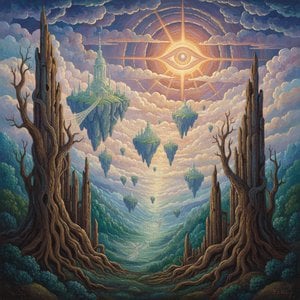
Beyond Symbolism: Exploring the Spiritual Landscapes of Mikalojus Konstantinas Čiurlionis's Art
Explore the captivating world of Mikalojus Konstantinas Čiurlionis, a pioneer of abstract art. Discover his unique blend of music and painting, spiritual themes, and lasting influence on Lithuanian culture. Learn more at ArtsDot.

Light and Legacy: An Exploration of Hungarian Impressionist Landscapes and Artistic Heritage
Explore the luminous history of Hungarian Impressionism and its deep cultural roots. Discover the soul of Nagybánya landscapes today.

Károly Ferenczy: Pioneering Hungarian Modernism & the Soul of a Nation
Explore the life & art of Károly Ferenczy, a pivotal figure in Hungarian Modernism. Discover his landscapes, portraits, and role in founding the Nagybánya colony. Expert insights for collectors & enthusiasts.