

 Visualizar na parede
 Compartilhar
 Compartilhar
 Detalhes
 Guia
Guia

 Baixar imagem
 Semelhantes
 Raio X
 Ver diaporama
 Q&A
Q&A Estatísticas
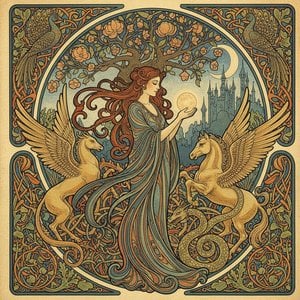
Illustration

 Ler mais
A obra de arte exibida nesta página é protegida por leis de direitos autorais, o que significa que não podemos criar ou vender legalmente uma reprodução idêntica. Esta proteção é aplicada por meio de acordos internacionais, tais como a Convenção de Berna e pelas leis nacionais, incluindo as estabelecidas por Lei de Direitos Autorais dos EUA - Título 17.
Este método cumpre plenamente as regulamentações de direitos autorais, pois não envolve a cópia ou duplicação da obra protegida. Em vez disso, trata-se de uma reinterpretação criativa — uma nova pintura que é influenciada pela original, mas não idêntica a ela.
Giclée / Impressão de Arte
Impressão giclée ou em tela de qualidade de museu, com produção rápida e opções flexíveis de acabamento. ( Comprar pintura feita à mão Alternar para Imagem Digital)




































Escolha entre os nossos tamanhos pré-definidos que respeitam as proporções originais da obra de arte.

Insira a largura e a altura desejadas para se ajustarem à sua moldura ou parede. Uma impressão pode ser apenas cortada, nunca ampliada além da imagem original; portanto, um tamanho com proporções diferentes resultará na perda de parte da imagem. Enviamos uma maquete digital para sua aprovação antes de realizarmos a impressão. A imagem exibida nesta página não mostra o corte real — apenas a maquete o faz.
Entrega mundial () em 2 semanas, em vez das 4/5 semanas padrão. (2 Novembro)

Envio expresso gratuito para todo o mundo

Tela de Linho de Alta Qualidade

Seguro de transporte completo

Garantia de Reembolso de Impostos Alfandegários

Garantia de Fidelidade Cromática

Política de Devolução em 100 Dias (Apenas para Defeitos)

Garantia de reembolso de 100%

Oferta de desconto por quantidade
 A opção de vidro está disponível apenas para tamanhos inferiores a 110 cm

Illustration
Giclée / Impressão de Arte
Tamanho da Reprodução
-


Preço Total
€ 55
Obras Relacionadas


Biografia do Artista
Jeno Remsey: A Hungarian Visionary of Rural Life
Jeno Remsey (1885-1980), a name perhaps less familiar than some of his contemporaries, nevertheless represents a significant and deeply evocative voice within early 20th-century Hungarian art. Born in Nagykovácsi, Hungary, Remsey’s life was inextricably linked to the landscapes and people of his homeland, which he masterfully captured through a distinctive style that blended elements of Art Nouveau with expressive realism – a potent combination reflecting both the beauty and the hardships of rural Hungarian existence. His work offers a poignant glimpse into a disappearing world, imbued with a quiet dignity and a profound connection to folklore and tradition.Early Life and Artistic Training
Remsey’s early life provided fertile ground for his artistic development. He initially pursued training as an industrial designer between 1905 and 1909, suggesting an initial interest in form and function. However, it was the establishment of the Gödöllő Artist Colony that truly shaped his trajectory. This influential environment exposed him to a network of artists and provided a space for experimentation with various mediums – painting, etching, sculpture, tapestry design, and even stained-glass work. His time at Gödöllő marked a crucial shift towards landscape and portraiture, establishing the core themes that would define his oeuvre. Notably, he received the Hors Conours Certificate in 1909 from Vienna, a prestigious recognition of his artistic talent.Themes and Style: Folklore, Light, and Emotion
Remsey’s art is deeply rooted in Hungarian folklore and the rhythms of rural life. His landscapes aren't merely depictions of scenery; they are imbued with a sense of place – the rolling hills, the weathered farmhouses, the quiet dignity of the peasantry. He frequently depicted biblical scenes alongside traditional Hungarian myths and legends, suggesting a spiritual dimension to his work. A key element in Remsey’s style is his masterful use of light. He sought to capture not just its physical presence but also its emotional resonance – the golden glow of dawn, the dramatic shadows of twilight, all contributing to the evocative atmosphere of his paintings. Furthermore, his works are characterized by a palpable sense of pathos and a subtle grotesqueness, hinting at the struggles and complexities inherent in rural life. This expressive quality aligns him with elements of Expressionism, though he maintained a distinct Hungarian sensibility.Notable Achievements and Recognition
Throughout his career, Remsey garnered significant recognition for his artistic contributions. He was elected an honorary citizen of Gödöllő in 1977, a testament to his deep connection with the community and his enduring legacy. He received the Benczúr-award in 1945 – a highly esteemed honor bestowed by the prestigious Hungarian Fine Arts Association – and the Hors Conours Certificate in 1910 from Vienna. His work was exhibited internationally, including at the 1957 Paris International Exposition, showcasing his talent to a wider European audience. He also played an active role in promoting the arts within Hungary, founding the Federation of Spiritual Artists in 1924 and establishing the literary journal, *The Torch*, in 1932. His dramatic work, *George Martinuzzi*, even graced the stage of the National Theatre in 1942.Legacy and Enduring Influence
Jeno Remsey’s legacy extends beyond his individual works; he represents a vital link to Hungary's artistic heritage. His paintings offer a poignant and enduring portrait of rural life, capturing both its beauty and its hardships with remarkable sensitivity. His distinctive style – the harmonious blend of Art Nouveau aesthetics, expressive realism, and a deep engagement with folklore – continues to resonate today. Remsey’s work serves as a reminder of the importance of preserving cultural traditions and celebrating the artistic voices that capture the essence of a place and its people. His paintings are held in public collections, including the Hungarian National Gallery in Budapest, ensuring his art will continue to be appreciated for generations to come.
Jeno Remsey
1885 - 1980 , Hungary
Dados Rápidos
- Full Name: Jenő György Remsey
- Nationality: Hungarian
- Date Of Birth: 1885
- Date Of Death: 1980
- Place Of Birth: Nagykovácsi, Hungary
- Notable Artworks:
- Coffee in Nizza
- The Hungarian history of the Reformation
- Artistic Movement Or Style: Art Nouveau, Expressionism
- Artists Who Influenced This Artist: ['Joseph Rippl-Rónai']
- Artists Or Movements Influenced By This Artist:
- Biblical stories
- Folklore
Artigos Relacionados

Luis Royo: Exploring the Intersection of Fantasy, Feminism & Digital Art
Explore the captivating world of Luis Royo, a pioneer in fantasy & digital art. Discover his signature style, feminist themes, and lasting impact on contemporary illustration. Expert analysis for collectors.

Digital Painting 101: A Collector's Guide to the New Era of Digital Mastery and Algorithmic Art
Master the new era of art with our expert guide to digital painting. Discover how modern aesthetics like Glitch Pop meet traditional mastery, offering sophisticated insights for collectors looking to curate meaningful, high-value contemporary works for their home.
Edmund Dulac: A Master of Golden Age Illustration – Exploring Myth, Symbolism & Art Nouveau Legacy
Explore the captivating world of Edmund Dulac, a master of Golden Age illustration! Discover his enchanting fairy tales, Art Nouveau style, and lasting influence on art & design. Learn about *The Rubaiyat* and more.

Angelo Chiacchio: A Mid-Century American Illustration Master & the Rise of Commercial Art
Explore the captivating world of Angelo Chiacchio, a master of mid-century American illustration. Discover his evolution, signature style, and lasting impact on commercial art & design. Learn about his legacy at the Museum of American Illustration.

Kay Rasmus Nielsen: A Golden Age Illustrator's Enchanting Legacy of Symbolism & Narrative
Explore the captivating world of Kay Rasmus Nielsen, a celebrated Golden Age illustrator renowned for his Art Nouveau fairy tale art & Disney contributions. Discover his unique style, enduring legacy, and how to collect his enchanting works.