

 Visualizar na parede
 Compartilhar
 Compartilhar
 Detalhes
 Guia
Guia

 Baixar imagem
 Semelhantes
 Raio X
 Ver diaporama
 Perguntas e Respostas
 Estatísticas
Self-portrait

 Ler mais
A obra de arte exibida nesta página é protegida por leis de direitos autorais, o que significa que não podemos criar ou vender legalmente uma reprodução idêntica. Esta proteção é aplicada por meio de acordos internacionais, tais como a Convenção de Berna e pelas leis nacionais, incluindo as estabelecidas por Lei de Direitos Autorais dos EUA - Título 17.
Este método cumpre plenamente as regulamentações de direitos autorais, pois não envolve a cópia ou duplicação da obra protegida. Em vez disso, trata-se de uma reinterpretação criativa — uma nova pintura que é influenciada pela original, mas não idêntica a ela.
Giclée / Impressão de Arte
Impressão giclée ou em tela de qualidade de museu, com produção rápida e opções flexíveis de acabamento. ( Comprar pintura feita à mão Alternar para Imagem Digital)




































Escolha entre os nossos tamanhos pré-definidos que respeitam as proporções originais da obra de arte.

Insira a largura e a altura desejadas para se ajustarem à sua moldura ou parede. Uma impressão pode ser apenas cortada, nunca ampliada além da imagem original; portanto, um tamanho com proporções diferentes resultará na perda de parte da imagem. Enviamos uma maquete digital para sua aprovação antes de realizarmos a impressão. A imagem exibida nesta página não mostra o corte real — apenas a maquete o faz.
Entrega mundial () em 2 semanas, em vez das 4/5 semanas padrão. (4 Novembro)

Envio expresso gratuito para todo o mundo

Tela de Linho de Alta Qualidade

Seguro de transporte completo

Garantia de Reembolso de Impostos Alfandegários

Garantia de Fidelidade Cromática

Política de Devolução em 100 Dias (Apenas para Defeitos)

Garantia de reembolso de 100%

Oferta de desconto por quantidade
 A opção de vidro está disponível apenas para tamanhos inferiores a 110 cm

Self-portrait
Giclée / Impressão de Arte
Tamanho da Reprodução
-


Preço Total
€ 56
Obras Relacionadas


Biografia do Artista
Jeno Gábor: A Hungarian Visionary of Dance and Light
Born in Pécs, Hungary, in 1893, Jeno Gábor emerged as a significant figure in early 20th-century European art, primarily recognized for his captivating depictions of dance, intimate portraits, and evocative nudes. His work stands apart not merely for its technical skill but also for its unique blend of classical influences with a distinctly modernist sensibility – a harmonious marriage of tradition and innovation that continues to intrigue viewers today. While biographical details remain somewhat sparse compared to some of his contemporaries, Gábor’s artistic journey reveals a dedication to capturing the essence of movement, emotion, and the subtle beauty of the human form.
Gábor's early life in Pécs, a city steeped in Hungarian history and culture, undoubtedly shaped his artistic sensibilities. The region’s rich artistic heritage, including its traditions of portraiture and decorative arts, likely provided a foundation for his later explorations. His formal training remains somewhat undocumented, suggesting he may have initially developed his skills through self-study and observation before seeking instruction. However, the influence of the avant-garde movements circulating in Europe during this period – particularly Cubism and early Modernism – is undeniable in his later works.
The Dance Motif: Capturing Movement’s Essence
Perhaps Gábor's most enduring legacy lies in his series of paintings dedicated to dance. These aren’t merely static representations of performers; rather, they strive to convey the *feeling* of movement – its rhythm, energy, and grace. He frequently depicted dancers in dynamic poses, often bathed in dramatic lighting that heightened their theatricality. His use of color is particularly noteworthy here: bold, saturated hues are juxtaposed with areas of subdued tone, creating a visual tension that mirrors the excitement and complexity of a dance performance. The works demonstrate an acute understanding of anatomy and movement, capturing not just the physical form but also the emotional state of the dancers.
Several factors contributed to Gábor’s fascination with dance. He was known to be a passionate admirer of ballet and theatrical performances, immersing himself in the world of performance art. This personal engagement translated directly into his paintings, imbuing them with a palpable sense of vitality and drama. His depictions often evoke a feeling of timelessness, suggesting that these scenes are not merely moments captured but rather enduring representations of human expression.
Portraits and Nudes: A Classical Foundation
Alongside his dance paintings, Gábor produced a significant body of work in the genres of portraiture and nude studies. These works reveal a strong grounding in classical artistic traditions – particularly the Italian Renaissance masters. He skillfully employed techniques such as chiaroscuro (the dramatic contrast between light and shadow) to sculpt form and create a sense of depth and volume. His portraits are characterized by their psychological insight, capturing not just physical likeness but also the inner character of his subjects.
His nude paintings, while undoubtedly influenced by classical precedents, possess a distinctly modern sensibility. He avoided overtly sensual depictions, instead focusing on conveying a sense of vulnerability, introspection, and quiet dignity. The figures are often presented in contemplative poses, inviting viewers to contemplate their humanity. His use of muted color palettes and subtle lighting further enhances the mood of these works, creating an atmosphere of serene contemplation.
A Unique Artistic Voice: Cubist Influences and Beyond
While firmly rooted in classical traditions, Gábor’s work also exhibits a clear engagement with the burgeoning modernist movements of his time. The influence of Cubism is particularly evident in his self-portrait – a striking example of geometric abstraction that challenges traditional notions of representation. The fragmented forms and multiple perspectives create a sense of dynamism and complexity, reflecting the artist's own evolving artistic vision.
Beyond Cubism, Gábor’s work also demonstrates an interest in other avant-garde trends, including Expressionism and Fauvism. He experimented with bold color palettes and expressive brushstrokes, pushing the boundaries of traditional painting techniques. His willingness to embrace experimentation and innovation ultimately contributed to his unique artistic voice – a distinctive blend of classical refinement and modernist dynamism.
Legacy and Recognition
Jeno Gábor’s career spanned several decades, during which he established himself as a respected artist in Hungary and beyond. His work was exhibited in numerous galleries and museums throughout Europe, earning him critical acclaim for his technical skill, artistic vision, and emotional depth. Despite the relative obscurity of his biography compared to some of his contemporaries, Gábor’s paintings continue to be appreciated for their beauty, elegance, and enduring appeal. His legacy as a Hungarian artist who successfully bridged the gap between classical tradition and modern innovation remains secure.
Today, works by Jeno Gabor are held in private collections and museums, offering glimpses into the life and art of this fascinating figure. His paintings continue to resonate with viewers, inviting them to contemplate the timeless themes of movement, emotion, and the human condition.

Jeno Gabor
1893 - 1968 , Hungary
Dados Rápidos
- Full Name: Jeno Gabor
- Nationality: Hungarian
- Date Of Birth: 1893
- Date Of Death: 1968
- Place Of Birth: Pécs, Hungary
- Notable Artworks:
- Watering The Cacti
- Self-portrait
- Construction Worker
- Artistic Movement Or Style: Classical with expression
Artigos Relacionados

Abstração Geométrica: 10 Obras-Primas que Moldaram a Arte Moderna | ArtsDot.com
Descubra as 10 obras-primas da Abstração Geométrica que revolucionaram a arte moderna! Explore Kandinsky, Mondrian e outros artistas icônicos. Encontre reproduções de alta qualidade para decorar sua casa com ArtsDot.com.

Beyond Form & Color: Geometric Abstraction's Enduring Legacy in Art History
Explore the captivating world of geometric abstraction! Discover its origins, key artists like Malevich & Mondrian, and why this movement remains highly valued by art collectors today. Expert insights at ArtsDot.

Kandinsky: As 25 Obras-Primas que Definem o Abstracionismo | ArtsDot
Descubra as 25 obras-primas de Wassily Kandinsky, pioneiro da arte abstrata! Explore a história, cores e significado por trás de cada pintura. Encontre reproduções de alta qualidade e inspire sua decoração em ArtsDot.com.
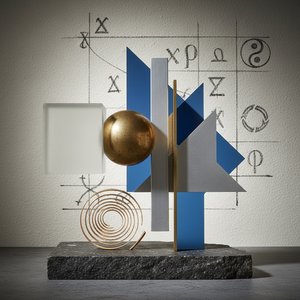
Beyond Form: Exploring the Philosophical Foundations of Geometric Abstraction
Explore the philosophical roots & artistic evolution of geometric abstraction with ArtsDot. Discover Mondrian, Malevich, De Stijl & more. Expert insights for collectors and art enthusiasts.

Beyond Form & Color: Geometric Abstraction's Evolution in 20th/21st Century Art
Explore the evolution of geometric abstraction from Cubism to contemporary art. Discover key artists like Malevich & Mondrian, investment insights, and expert collecting advice at ArtsDot.