

 Compartilhar
 Compartilhar
 Detalhes
 Guia
Guia

 Baixar imagem
 Semelhantes
 Ver diaporama
 Perguntas e Respostas
 Estatísticas
Naiad

- 74.0 x 195.0 cm


 Ler mais
Giclée / Impressão de Arte
Impressão giclée ou em tela de qualidade de museu, com produção rápida e opções flexíveis de acabamento. ( Comprar pintura feita à mão Alternar para Imagem Digital)




































Escolha entre os nossos tamanhos pré-definidos que respeitam as proporções originais da obra de arte.

Insira a largura e a altura desejadas para se ajustarem à sua moldura ou parede. Uma impressão pode ser apenas cortada, nunca ampliada além da imagem original; portanto, um tamanho com proporções diferentes resultará na perda de parte da imagem. Enviamos uma maquete digital para sua aprovação antes de realizarmos a impressão. A imagem exibida nesta página não mostra o corte real — apenas a maquete o faz.
Entrega mundial () em 2 semanas, em vez das 4/5 semanas padrão. (6 Novembro)

Envio expresso gratuito para todo o mundo

Tela de Linho de Alta Qualidade

Seguro de transporte completo

Garantia de Reembolso de Impostos Alfandegários

Garantia de Fidelidade Cromática

Política de Devolução em 100 Dias (Apenas para Defeitos)

Garantia de reembolso de 100%

Oferta de desconto por quantidade
 A opção de vidro está disponível apenas para tamanhos inferiores a 110 cm

Naiad
Giclée / Impressão de Arte
Tamanho da Reprodução
-


Preço Total
€ 56
A Whisper from the Waters: Jean Goujon’s Naiad
Jean Goujon's "Naiad," sculpted in 1547, is more than just a depiction of a water nymph; it’s a frozen moment of graceful longing and timeless beauty. This limestone relief, now housed within the Royal Łazienki Park in Warsaw, Poland, offers a captivating glimpse into the heart of Renaissance Mannerism – a style characterized by its elegant fluidity, heightened emotion, and subtle distortions that imbue figures with an almost palpable sense of movement.
The sculpture immediately draws the eye to the reclining figure, whose form is both powerfully sculpted and exquisitely delicate. Goujon masterfully renders the flowing drapery, creating an illusion of water swirling around her body, a direct reference to the nymph’s aquatic origins. The pose itself—one arm extended downwards as if reaching for the depths, the other gracefully bent—suggests a quiet contemplation, a yearning for something beyond the visible world. Her face, though partially obscured by the folds of her garment, retains an expression of serene vulnerability, hinting at both beauty and a touch of melancholy.
Dominating the scene to the right is a smaller winged figure – often interpreted as an angel or cherub – seemingly observing the naiad with a mixture of concern and admiration. This pairing elevates the sculpture beyond a simple depiction of a mythological subject; it introduces elements of divine intervention and perhaps even a cautionary tale, suggesting the potential dangers inherent in pursuing unattainable desires. The contrast in scale between the two figures further emphasizes this dynamic, creating a visual dialogue that invites interpretation.
The Renaissance Embrace: Style and Technique
Goujon’s “Naiad” is a quintessential example of Mannerist sculpture, a style flourishing during the late 15th and early 16th centuries. Unlike the idealized forms of High Renaissance art, Mannerism embraced asymmetry, elongated proportions, and dramatic lighting to evoke intense emotion and psychological complexity. Goujon skillfully employs these techniques here, subtly distorting the naiad’s form – her limbs are slightly exaggerated, her features delicately rendered – to create a sense of heightened realism and emotional depth.
The sculpture's surface is remarkably smooth, achieved through meticulous carving and polishing. The artist demonstrates a profound understanding of texture, particularly in the rendering of the drapery, which appears both fluid and substantial. Notice how Goujon uses subtle variations in tone to create an illusion of light and shadow, enhancing the three-dimensionality of the relief and drawing the viewer’s eye across its surface. The use of limestone – a relatively soft stone – allowed for intricate detailing and graceful curves, essential elements of the Mannerist style.
A Mythological Echo: Symbolism and Context
The naiad herself is a figure deeply rooted in Greek mythology, representing the spirits of springs, streams, and wells. In ancient Greece, these nymphs were often associated with fertility, purity, and healing – qualities that resonated strongly within Renaissance culture. The sculpture’s placement within the Łazienki Park, originally designed as a royal retreat, further reinforces this connection to nature and the divine.
The inclusion of the winged figure adds another layer of symbolic meaning. Angels and cherubs frequently represented divine grace and protection in Renaissance art, suggesting that the naiad’s yearning is not merely a personal desire but also a reflection of humanity's longing for spiritual fulfillment. The sculpture can be seen as an allegory for the pursuit of beauty, knowledge, or even immortality – themes that preoccupied artists and intellectuals during this period.
A Legacy in Stone: Reproduction and Appreciation
Reproductions of Jean Goujon’s “Naiad” offer a remarkable opportunity to bring this exquisite work of art into your home or office. The original sculpture, crafted over 500 years ago, is a testament to the enduring power of human creativity and artistic skill. When commissioning a reproduction, consider the materials used – high-quality canvas stretched over a wooden frame will faithfully capture the essence of Goujon’s masterpiece.
More than just a decorative object, “Naiad” invites contemplation and reflection. Its graceful lines, evocative symbolism, and masterful technique make it a timeless treasure—a poignant reminder of the beauty, mystery, and enduring allure of the natural world and the human spirit. It’s a piece that speaks to our deepest longings and reminds us of the power of art to transcend time and connect us to the past.
Perguntas e Respostas
Qual tamanho de reprodução é sugerido para "Naiad", de Jean Goujon?
Sugere-se uma reprodução de Medium para "Naiad", de Jean Goujon. O tamanho pode ser ajustado mantendo as proporções.
Para que uso é sugerida a reprodução de "Naiad", de Jean Goujon?
A recomendação de uso para uma impressão de "Naiad" é Statement.
Qual disposição melhor se adapta ao formato de "Naiad", de Jean Goujon?
O formato (Panoramic) e o ambiente recomendado (Living Room) são as duas informações de posicionamento registradas para "Naiad", de Jean Goujon.
Obras Relacionadas


Biografia do Artista
O Escultor que Moldou a Elegância Parisiense
Jean Goujon (c. 1510 – c. 1567) ergue-se como um pilar fundamental da escultura e arquitetura do Renascimento francês, personificando o fervor estilístico do Maneirismo enquanto se fundamenta, simultaneamente, nos ideais clássicos. Nascido na Normandia, os seus primeiros anos permanecem envoltos em obscuridade, contudo, a sua produção prolífica estabeleceu-o rapidamente como uma das vozes artísticas mais proeminentes da época — um testemunho do seu talento prodigioso e da sua dedicação inabalável ao ofício. A jornada de Goujon teve início com experiências formativas na Itália, onde absorveu a grandiosidade da escultura romana e integrou os seus princípios no seu próprio estilo distintivo. Esta influência é palpável em toda a sua obra, sendo particularmente evidente no seu manuseio magistral dos drapeados e na precisão anatómica.
A sua ascensão artística começou na Catedral de Rouen (1541-42), onde assumiu a tarefa monumental de esculpir o monumento funerário de Louis de Brézé, senhor d'Anet — uma comissão que revelou a sua crescente habilidade e ambição. Este projeto ambicioso consolidou a sua reputação como uma estrela ascendente no cenário escultórico francês. Simultaneamente, aperfeiçoou a sua destreza arquitetónica na Igreja de Saint-Maclou, demonstrando uma capacidade inata de fundir a visão artística com a engenharia estrutural. O edifício resultante permanece como um magnífico exemplo da arquitetura eclesiástica renascentista, refletindo o compromisso de Goujon tanto com a beleza estética quanto com a integridade funcional.
Uma Parceria de Grandeza Visionária
Ao mudar-se para Paris em 1544, Goujon iniciou uma parceria crucial com Pierre Lescot, o arquiteto responsável pela ambiciosa reconstrução da catedral de Saint-Germain-l'Auxerrois. Juntos, conceberam e executaram decorações escultóricas deslumbrantes — mais notavelmente o púlpito — uma obra-prima que exemplifica as sensibilidades neoclássicas de Lescot e a técnica magistral de drapeado de Goujon. Esta era de colaboração definiu a linguagem visual do Renascimento francês, à medida que Goujon começou a infundir a pedra com um sentido de movimento fluido e graça etérea.
O auge da sua influência é talvez mais visível nas suas contribuições para o Louvre. O seu trabalho na Fachada da Cour Carrée (ala Lescot) permanece como uma conquista icónica, exibindo elegância clássica através de entalhes intrincados que refletem o brilho artístico francês. Nestas obras, pode-se observar o delicado jogo de luz e sombra sobre as figuras esculpidas, uma marca registada da sua capacidade de dar vida ao mármore frio. O seu domínio estendeu-se à Fachada do Louvre (detalhe), onde a sua requintada atenção ao detalhe criou uma obra-prima do estilo maneirista, fundindo a elegância clássica com entalhes complexos que continuam a cativar os espectadores séculos depois.
Legado de Graça e Forma Clássica
O legado de Goujon é definido por uma capacidade inigualável de harmonizar a tensão do Maneirismo com a serenidade do Classicismo. As suas esculturas apresentam frequentemente ninfas e figuras alegóricas que parecem flutuar nos seus contextos arquitetónicos, uma técnica realizada de forma mais célebre nas suas Cariátides. Estas dez figuras magistrais representam o auge da escultura renascentista francesa do século XVI, trazendo ao espectador um sentido de grandeza clássica e elegância sofisticada. Através destas obras, Goujon fez mais do que decorar edifícios; ele esculpiu a própria identidade do refinamento estético francês.
A importância histórica do seu trabalho não pode ser subestimada, uma vez que a sua abordagem à anatomia e ao drapeado influenciou gerações de artistas europeus. A sua capacidade de transformar pedra pesada em formas fluidas e rítmicas estabeleceu um padrão para o Classicismo francês que perduraria muito após a sua morte. Hoje, os vestígios do seu génio — desde os detalhes intrincados das alas do Louvre até à sua profunda influência na ornamentação arquitetónica — servem como um testemunho duradouro de um homem que verdadeiramente moldou a elegância de Paris.

Jean Goujon
1510 - 1567 , França
Dados Rápidos
- Artistic Movement Or Style: Maneirismo
- Artists Or Movements Influenced By This Artist: ['Classicismo Francês']
- Artists Who Influenced This Artist: ['Michelangelo']
- Date Of Birth: c. 1510 Normandia, França
- Date Of Death: c. 1567
- Full Name: Jean Goujon
- Nationality: Francês
- Notable Artworks:
- Ninfas (detalhe)
- Pietà
- Guerra e Paz
- Fontaine des Innocents
- Esculturas do Louvre
- Place Of Birth: Normandia, França
Artigos Relacionados
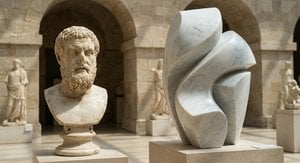
The Enduring Allure of Marble in Art History: From Classical Sculpture to Modern Abstraction
Explore the captivating history of marble sculpture from ancient Greece to modern art. Discover renowned artists like Canova & Michelangelo, carving techniques, and investment insights at ArtsDot.

The Enduring Form: Sculpture Across History, Technique & Emotional Resonance
Explore the rich history of sculpture with ArtsDot. Discover key techniques, influential artists & investment potential for discerning collectors. Expert insights into valuing and collecting timeless masterpieces.

The Enduring Form: Exploring Themes & Techniques in Sculpture Across Historical Periods
Explore the rich history of sculpture from ancient masterpieces to contemporary innovations. Discover key techniques, influential artists & investment potential for discerning art collectors.

Esculturas em Bronze Icônicas: 10 Obras que Revolucionaram a Arte | ArtsDot
Descubra as 10 esculturas em bronze mais icônicas da história! Explore a arte de Rodin, Michelangelo e outros mestres. Encontre reproduções de alta qualidade para sua casa em ArtsDot.com.

As 10 Obras em Bronze Mais Icônicas que Transformaram a História da Arte | ArtsDot
Descubra as 10 esculturas em bronze mais influentes da história! Explore a arte de Rodin, Michelangelo e outros mestres. Reproduções de alta qualidade para decorar sua casa com elegância. ArtsDot.