


 Visualizar em escala
 Enviar
 Compartilhar
 Ver detalhes
 Guia de Obras do Aluno

 Baixar imagem
 Semelhantes
 Raio X
 Apresentação de slides
 Estatísticas
Nāve


 Ver mais
Giclée / Impressão de Arte
Impressão giclée ou em tela de qualidade de museu, com produção rápida e opções flexíveis de acabamento. ( Encomendar reprodução pintada à mão Ver Imagem Digital)




































Escolha entre os nossos tamanhos pré-definidos que respeitam as proporções originais da obra de arte.

Você pode inserir suas próprias dimensões para se ajustar a uma moldura ou espaço específico. Se o tamanho selecionado não corresponder às proporções da imagem original, iremos recortar a obra de arte ou estender a imagem com uma borda espelhada ou preenchimento sólido. Um mockup digital será enviado para sua aprovação antes do início da produção.
Por favor, observe que a visualização na tela não reflete o recorte ou a extensão real. Apenas o mockup mostrará com precisão a composição final.
Embora tamanhos personalizados estejam disponíveis, recomendamos selecionar uma dimensão da lista predefinida para preservar as proporções originais.
Entrega mundial () em 2 semanas, em vez das 4/5 semanas padrão. (26 Setembro)

Envio expresso gratuito para todo o mundo

Tela de Linho Premium

Seguro de transporte total

Garantia de Reembolso de Impostos Alfandegários

Garantia de Fidelidade de Cor

Política de Devolução em 100 Dias (Apenas para Defeitos)

Garantia de reembolso de 100%

Desconto para múltiplas unidades
 A opção de vidro está disponível apenas para tamanhos inferiores a 110 cm

Nāve
Giclée / Impressão de Arte
Dimensões da Reprodução
-


Preço Total
$ 62
Understanding the Artist's Vision
Janis Rozentāls was a prominent Latvian artist known for his contributions to the development of Latvian art. His work often featured everyday scenes, portraits, and landscapes, but Nāve stands out for its unique blend of realism and symbolism. The painting depicts a woman holding a baby in her arms, surrounded by other elements that add to the overall meaning of the piece.- The woman's gentle gaze towards the baby conveys a sense of care and nurturing.
- The presence of a cat and bird in the scene may symbolize the cycle of life and death.
- The two bottles in the background could represent the duality of life and death.
Appreciating the Artistic Value
Nāve is not only a significant work by Janis Rozentāls but also an important piece in the history of Latvian art. Its themes and symbolism continue to fascinate art lovers today. For those interested in exploring more of Janis Rozentāls' work, https://ArtsDot.com offers high-quality reproductions of his paintings, including Nāve. Visit Nāve, 1897 by Janis Rozentāls to discover more about this captivating piece.The Latvian National Museum of Arts is home to an extensive collection of Latvian art, including works by Janis Rozentāls. To learn more about the museum and its collections, visit https://ArtsDot.com. For a deeper understanding of Janis Rozentāls' life and work, see his biography on Wikipedia.
Obras Relacionadas


Biografia do Artista
A Pioneer of Latvian Painting: The Life and Art of Janis Rozentāls
Janis Rozentāls, born on March 18, 1866, in the tranquil setting of Bebri Farmstead near Saldus, Latvia, stands as a monumental figure in the history of Latvian art. His life’s journey, from the son of a blacksmith to a celebrated painter, is a testament to his unwavering dedication and profound artistic talent. Rozentāls' early years were deeply intertwined with the rural landscape of Courland Governorate, an environment that would indelibly shape his artistic vision and provide him with a constant source of inspiration. He received his initial education at H. Krause’s Elementary School in Saldus and later attended Kuldīga District School, but it was a fervent desire to express himself through art that ultimately led him to Riga at the age of fifteen – a pivotal moment marking the beginning of his formal artistic training.Blending Tradition and Modernity: Artistic Development and Style
Rozentāls’ artistic development is characterized by a remarkable synthesis of influences, primarily drawing from Impressionism and Art Nouveau, yet always filtered through a distinctly Latvian sensibility. He wasn't merely adopting these styles; he was transforming them, imbuing them with a unique character that resonated deeply with the burgeoning national consciousness of his time. A defining feature of his compositions is an intentional asymmetry coupled with a flowing, wavelike rhythm – hallmarks of Art Nouveau. However, Rozentāls masterfully balanced this decorative quality with a subtle understanding of tonal variations and color relationships, preventing his work from becoming overly ornamental or losing its emotional depth. He skillfully combined flatness with soft transitions, creating images that were both visually striking and profoundly evocative. His subject matter was remarkably diverse, encompassing portraits that offered intimate glimpses into the inner lives of his subjects, landscapes celebrating the breathtaking beauty of Latvian nature – particularly vibrant spring scenes brimming with life and color – and symbolic works inspired by biblical narratives and mythological themes. In 1910, he received a significant commission to create decorative friezes for the Riga Latvian Society, showcasing his ability to execute monumental projects while maintaining artistic integrity and sensitivity. Beyond painting, Rozentāls was also a prolific graphic artist, producing book designs, magazine illustrations, posters, and drawings – demonstrating the breadth of his creative talent and versatility.A Finnish Interlude: Marriage and Artistic Exchange
A transformative chapter in Rozentāls’ life unfolded in 1902 when he met Elli Forssell, a captivating Finnish singer, in Riga. Their marriage in 1903 proved to be more than just a personal union; it served as a catalyst for artistic exchange and broadened his horizons immeasurably. The connection with Finland profoundly influenced his interests, leading him to deeply appreciate the work of Finnish artists such as Gallen-Kallela, Järnefelt, Halonen, and Saarinen. He wrote extensively about their art, recognizing in them a kindred spirit – a shared commitment to expressing national identity through innovative artistic forms. From 1905 to 1916, the couple resided in Helsinki, providing Rozentāls with an immersive experience of Finnish culture and further enriching his artistic perspective. This period was marked by continued artistic productivity, as he seamlessly integrated his Latvian roots with the influences of his adopted environment, resulting in a uniquely hybrid style that reflected both his heritage and his new surroundings.Lasting Legacy: Major Works and Historical Significance
Rozentāls’ legacy is firmly established through a remarkable body of work that continues to captivate audiences today. His portraits – including those of A. Dombrovskis, Rūdolfs Blaumanis, and his beloved wife Elli Forssell – are not merely likenesses but insightful studies of character and personality, capturing the essence of their subjects with remarkable sensitivity and detail. Landscapes such as “From Church” (1894) and “Picnic” (1913) beautifully capture the serene beauty of the Latvian countryside, imbued with a sense of nostalgia and reverence for nature’s enduring power. His symbolic works – including "Temptation" and "Eve with the Apple" – explore universal themes of morality, desire, and spirituality with a unique blend of realism and symbolism, inviting viewers to contemplate profound questions about human existence. He also created altar pieces for Latvian churches, adapting his style to suit a broader audience while maintaining artistic quality and reverence. Janis Rozentāls died on December 26, 1916, in Helsinki, Finland, but was later reburied in Forest Cemetery, Riga, in 1920. His impact extends far beyond his paintings; the Janis Rozentāls Art High School in Riga stands as a lasting testament to his dedication to artistic education, and a memorial museum located in the building he designed in Saldus preserves his life and work for future generations. He remains a pivotal figure in Latvian art history, celebrated not only for his artistic achievements but also for his significant contribution to the development of a distinct national identity through art – truly a pioneer who helped shape the visual language of Latvia.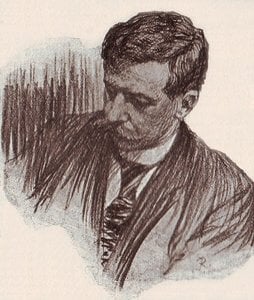
Janis Rozentāls
1866 - 1916 , Letônia
Informações Rápidas
- Artistic Movement Or Style: Impressionismo, Art Nouveau
- Artists Or Movements Influenced By This Artist: ['Latviano-artístico']
- Date Of Birth: 18 Mar 1866
- Date Of Death: 26 Dez 1916
- Full Name: Janis Rozentāls
- Nationality: Letão
- Notable Artworks:
- Nāve
- Da Igreja
- Piquenique
- Place Of Birth: Saldus, Letônia
Artigos Relacionados

Echoes of Society: Exploring Social Realism's Enduring Legacy in Art
Explore the powerful world of Social Realism art! Discover key artists, masterpieces & its profound social commentary. Expert insights into this influential movement's history and enduring legacy.

Romantic Realism's Finest: 10 Masterpieces for Your Home | ArtsDot
Explore 10 defining masterpieces of Romantic Realism! Discover Courbet, Millet & Daumier's powerful paintings—capturing emotion and social realities. Find museum-quality reproductions for your home at ArtsDot.com.

The Poetic Truth of Observation: Exploring 19th-Century Realism in Painting
Explore the captivating world of 19th-century Realism! Discover key artists like Courbet & Millet, masterpieces, and the powerful social commentary behind this influential art movement. Expert insights at ArtsDot.

Realismo Acadêmico: 10 Obras-Primas que Moldaram a História da Arte | ArtsDot
Descubra as 10 obras-primas do Realismo Acadêmico que revolucionaram a arte! Explore Bouguereau, Gérôme e Cabanel. Reproduções de alta qualidade para decorar sua casa com beleza clássica. Explore a coleção completa em ArtsDot.com.

The Evocative Embrace of Reality: Exploring Romantic Realism in 19th-Century Painting
Explore the captivating world of Romantic Realism! Discover key artists like Courbet & Millet, masterpieces, and the social context behind this influential art movement. Expert insights for collectors at ArtsDot.