

 Visualizar em escala
 Enviar
 Compartilhar
 Ver detalhes

 Baixar
 Semelhantes
 Raio X
 Apresentação de slides
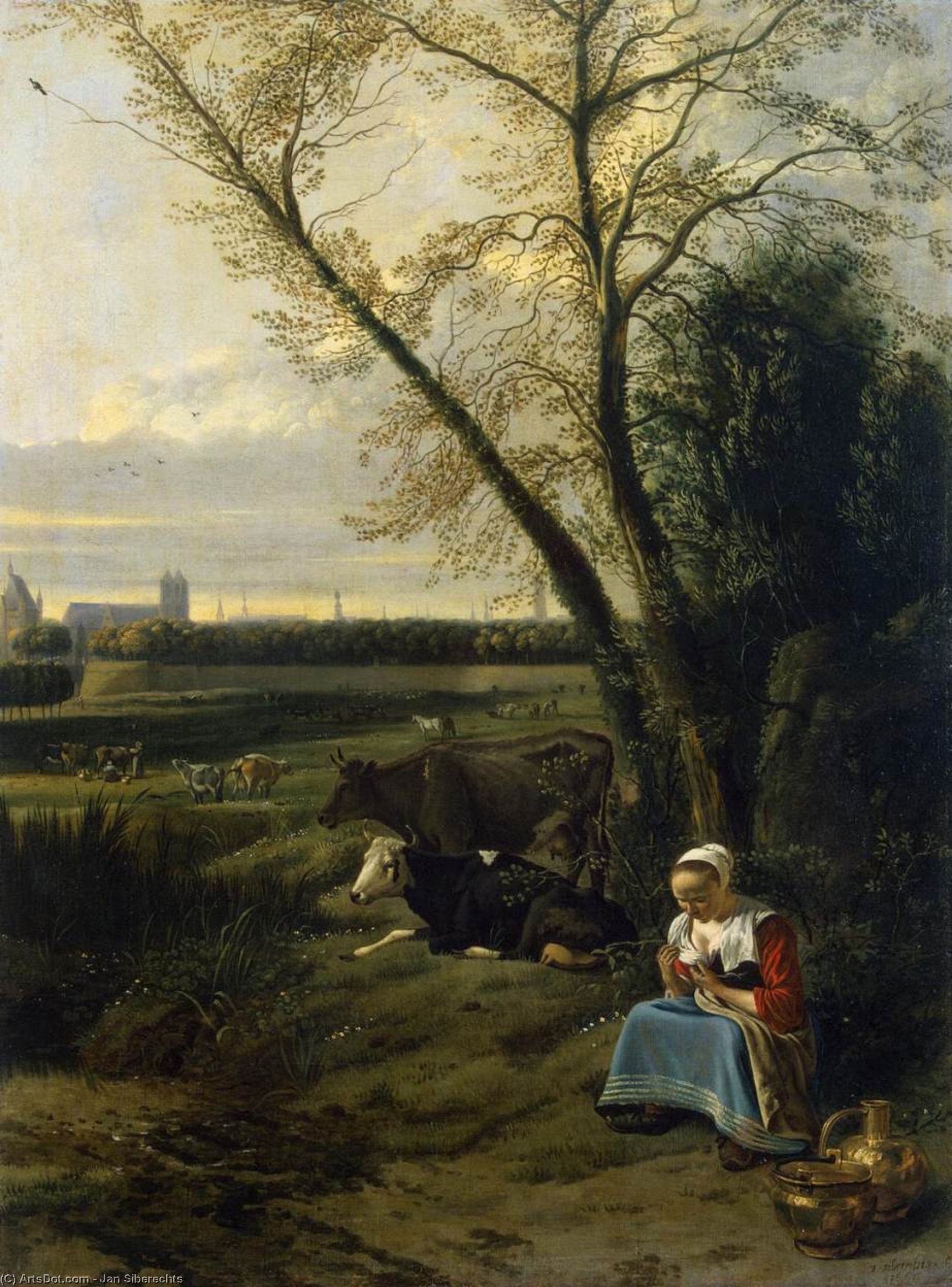
Shepherdess
 Oil On Canvas
- WallArt
- Baroque Landscape
 1660
1660 104.0 x 78.0 cm
 Museu Hermitage
 Ver mais
Giclée / Impressão de Arte
Impressão giclée ou em tela de qualidade de museu, com produção rápida e opções flexíveis de acabamento. ( Alternar para pintura feita à mão Baixar imagem em alta resolução)




P118B $10

P118H $10

P118W $10

P438Z $10

P508JH $12

P508YH $12

P805H $10

P805Z $10

P919BZ $10

P919G $10

P919XJ $10

P959ZH $10

P968JZ $12

W106C $8

W218G $10

W218JH $8

W218Y $10

W307PJ $10

W316G $10

W316PJ $8

W316Y $10

W398PJ $8

W4111J $10

W500HY $15

W500JH $15

W692G $12

W849H $8

W940BG $15

W953PJ $8




Escolha entre os nossos tamanhos pré-definidos que respeitam as proporções originais da obra de arte.

Você pode inserir suas próprias dimensões para se ajustar a uma moldura ou espaço específico. Se o tamanho selecionado não corresponder às proporções da imagem original, iremos recortar a obra de arte ou estender a imagem com uma borda espelhada ou preenchimento sólido. Um mockup digital será enviado para sua aprovação antes do início da produção.
Por favor, observe que a visualização na tela não reflete o recorte ou a extensão real. Apenas o mockup mostrará com precisão a composição final.
Embora tamanhos personalizados estejam disponíveis, recomendamos selecionar uma dimensão da lista predefinida para preservar as proporções originais.
Entrega mundial () em 2 semanas, em vez das 4/5 semanas padrão. (9 Agosto)

Envio Expresso Gratuito para todo o Mundo

Tela de Linho Premium

Seguro de transporte total

Garantia de Reembolso de Impostos Alfandegários

Garantia de Fidelidade de Cor

Política de Devolução de 60 Dias (Apenas para Defeitos)

Garantia de reembolso de 100%

Desconto para múltiplas unidades
 A opção de vidro está disponível apenas para tamanhos inferiores a 110 cm

Shepherdess
Giclée / Impressão de Arte
Dimensões da Reprodução
-


Preço Total
$ 62
Descrição do Item
A Pastoral Vision: Jan Siberechts’ “Shepherdess”
Jan Siberechts' "Shepherdess," painted around 1660, isn’t merely a depiction of rural life; it’s a carefully constructed tableau brimming with quiet dignity and an almost palpable sense of serenity. This oil on canvas, currently residing in the Hermitage Museum in St. Petersburg, Russia, offers a glimpse into a world where humanity exists in harmonious balance with nature – a rare and profoundly affecting vision for its time. The painting immediately draws the eye to the central figure, a young shepherdess seated beneath a gnarled, skeletal tree, her posture relaxed yet imbued with an understated grace. She’s not actively engaged in labor; instead, she seems lost in contemplation, holding a small bird – a symbol of innocence and connection to the natural world – gently in her hands.
Siberechts, a Flemish artist working during a period of transition between the Dutch Golden Age and the rise of English landscape painting, skillfully blends influences. His early works, like this one, reveal a clear debt to the Dutch Italianates—artists who had embraced the idealized landscapes of Italy—noting their emphasis on golden light and tranquil scenes. However, Siberechts quickly developed his own distinct style, characterized by meticulous detail and an almost photographic realism, particularly evident in the rendering of textures – from the rough bark of the tree to the soft fur of the cow grazing nearby.
The Language of Light and Color
The painting’s power lies not just in its subject matter but also in Siberechts' masterful use of light and color. The palette is dominated by earthy tones—ochres, browns, and greens—creating a sense of groundedness and connection to the land. Yet, these muted hues are punctuated by vibrant accents – the red bodice of the shepherdess, the blue of her skirt, and the yellow of the bird – which draw the eye and inject a subtle energy into the scene. The light filtering through the branches of the tree casts dappled shadows across the landscape, adding depth and dimension to the composition.
Notably, Siberechts employed a technique known as *chiaroscuro*, skillfully contrasting areas of light and shadow to create a dramatic effect. This is particularly evident in the way he illuminates the shepherdess’s face, highlighting her features and drawing attention to her serene expression. The use of atmospheric perspective—where distant objects appear paler and less distinct—further enhances the sense of depth and space.
Symbolism and Context
Beyond its aesthetic beauty, “Shepherdess” is rich in symbolic meaning. The shepherdess herself represents innocence, purity, and a connection to the natural world – values highly prized during the 17th century. The bird she holds symbolizes hope, freedom, and the fleeting nature of life. The presence of the cow reinforces this pastoral theme, evoking images of abundance and fertility. Considering Siberechts’ later work in England, it's fascinating to note how he retained these core Flemish elements while adapting his style to suit a new audience.
Painted during a period of significant social and political upheaval in Europe, “Shepherdess” offers a respite from the turmoil of the time. It’s a reminder of a simpler way of life—a world where humans lived in harmony with nature and found contentment in the rhythms of rural existence. The painting's enduring appeal lies in its ability to transport us to this idyllic realm, inviting us to pause and reflect on our own relationship with the natural world.
A Legacy of Landscape Painting
Jan Siberechts’ “Shepherdess” holds a significant place in art history as one of the earliest examples of English landscape painting. His meticulous attention to detail, his masterful use of light and color, and his ability to capture the essence of rural life paved the way for future generations of British artists. His work influenced figures like William-Adolphe Bouguereau, whose own depictions of shepherdesses—such as “The Little Shepherdess”—demonstrate a clear debt to Siberechts’ pioneering vision.
Today, "Shepherdess" continues to captivate viewers with its timeless beauty and profound emotional resonance. It stands as a testament to the enduring power of art to transport us to other worlds and remind us of the values that matter most—peace, harmony, and connection to nature.
Obras Relacionadas


Biografia do Artista
A Flemish Vision in England: The Life and Art of Jan Siberechts
Jan Siberechts, born in Antwerp in 1627, stands as a remarkable confluence of artistic currents—a pivotal figure bridging the rich heritage of Flemish painting with the nascent landscape tradition blossoming across the English Channel. His life’s journey is marked by serendipitous encounters, astute patronage, and an enduring legacy that continues to inspire admiration for his pioneering contribution to British art history. The son of a sculptor also named Jan Siberechts, he imbibed artistic sensibilities from his father's workshop early on, honing skills that would define his distinctive oeuvre. By 1648, he achieved master status within the esteemed Guild of Saint Luke in Antwerp—a testament to his exceptional craftsmanship and recognition as a respected artist of his time. While definitive documentation remains scarce, art historians speculate about a possible foray into Italy during the late 1640s or early 1650s; this potential exposure to Italianate landscape painting—characterized by classical compositions and masterful atmospheric perspective—undoubtedly shaped his evolving artistic vision.Early Influences and Artistic Formation
His formative years were steeped in the traditions of Flemish Baroque, particularly under the tutelage of Nicolaes Berchem and Karel Dujardin. These masters championed luminous palettes and nuanced depictions of light effects, principles that resonated deeply within Siberechts’ artistic inclinations. The influence of Dutch painters like Berchem and Dujardin is palpable in his early works—particularly those exploring pastoral scenes—where meticulous observation combined with expressive brushwork to convey a profound sense of place. These artists skillfully captured the subtleties of natural beauty, mirroring Siberechts' own dedication to capturing the essence of Flemish countryside life. Furthermore, he absorbed lessons from Rembrandt and Caravaggio, whose dramatic use of chiaroscuro –the interplay between light and shadow– instilled in him an understanding of artistic technique that would inform his later endeavors.From Flemish Countryside to English Estates
The 1660s witnessed a transformative shift in Siberechts’ artistic trajectory—a decisive embrace of the landscapes of Flanders and the rhythms of rural existence. This wasn't merely topographical accuracy; it was an immersive portrayal imbued with emotional depth, populated by figures rendered with remarkable realism and bathed in atmospheric hues. Siberechts skillfully manipulated reflections on water surfaces, creating visual echoes that heightened the sense of space and adding layers of complexity to his compositions—a technique reminiscent of David Teniers the Younger’s celebrated depictions of Flemish farmyards. His meticulous attention to detail—from the textures of clothing to the expressions on faces—elevated his paintings beyond mere representations of scenery; they conveyed narratives of daily life and captured the spirit of a bygone era.A Patronage That Shaped His Career
Siberechts’ artistic ambitions found fertile ground in the patronage of influential figures, notably George Villiers, 2nd Duke of Buckingham. Recognizing Siberechts' singular talent—a rare gift for capturing both beauty and emotion—Buckingham invited him to England, initiating a period of unprecedented professional success. This pivotal encounter propelled Siberechts into a new artistic realm where he undertook numerous commissions documenting the estates of prominent aristocrats—a practice that established him as a pioneer of English landscape painting. He skillfully blended classical compositional principles with Flemish realism, crafting vistas that celebrated the grandeur of stately homes while simultaneously immersing viewers in the tranquil beauty of their surrounding landscapes.Legacy and Enduring Influence
Jan Siberechts’ contribution to British art history is undeniable—he is rightfully hailed as “the father of English landscape.” His topographical views weren't merely records of estates; they were artistic interpretations that profoundly impacted subsequent generations of painters. Approximately one hundred works attributed to Siberechts survive, offering invaluable insight into his prolific output and stylistic evolution. He championed a distinctive approach characterized by luminous colors, meticulously rendered figures, and atmospheric landscapes—a legacy that continues to captivate audiences today. His influence extends beyond mere technique; it resides in his ability to convey a sense of place and belonging—a quality that transcends time and resonates powerfully with viewers who appreciate the artistry of a bygone era. His paintings remain enduring symbols of Flemish artistic heritage, forever enshrined as masterpieces of Baroque landscape art.
Jan Siberechts
1627 - 1703 , Bélgica
Informações Rápidas
- Artistic Movement Or Style: Barroco, Paisagem
- Artists Or Movements Influenced By This Artist:
- Peter Tillemans
- British landscape
- Artists Who Influenced This Artist:
- Nicolaes Berchem
- Karel Dujardin
- Date Of Birth: 1627
- Date Of Death: 1703
- Full Name: Jan Siberechts
- Nationality: Flamengo
- Notable Artworks:
- O Ford
- PAÍSAGE AVEC FIGURES
- Belsize Estate
- Place Of Birth: Antuérpia, Bélgica
Artigos Relacionados

John Constable: As 25 Obras-Primas que Definem o Mestre da Paisagem Inglesa | ArtsDot
Descubra as 25 obras-primas de John Constable, o mestre da paisagem inglesa! Explore a arte romântica, cores vibrantes e histórias fascinantes por trás de 'Hay Wain' e outras pinturas icônicas. Encontre reproduções de alta qualidade para decorar sua casa com ArtsDot.com.

Jan Brueghel the Elder: A Master of Flemish Landscape & Allegory – Exploring Innovation & Influence
Explore the captivating world of Jan Brueghel the Elder, a Flemish Baroque master renowned for his stunning landscapes & allegorical paintings. Discover his collaborations with Rubens and lasting artistic legacy.

Os 10 Melhores Quadros de Paisagem: Arte, História e Decoração Inspiradora
Descubra os 10 quadros de paisagem mais icônicos da história da arte! Explore Monet, Van Gogh e outros mestres, suas técnicas e inspirações. Encontre reproduções de alta qualidade para decorar sua casa com beleza e elegância em ArtsDot.com.

Cultivating Visions: A Historical Journey Through Rural Landscapes in Art
Explore the rich history of rural landscape painting with ArtsDot. Discover Impressionist masterpieces, key artists & movements. Find your perfect serene artwork and bring nature's beauty home.

Os 10 Mestres da Paisagem Romântica: Arte para Inspirar a Sua Casa
Descubra os 10 quadros mais emblemáticos da Paisagem Romântica! Explore a história de Turner, Friedrich e outros mestres. Encontre reproduções de arte exclusivas para inspirar sua decoração em ArtsDot.com.

