


 Visualizar em escala
 Enviar
 Compartilhar
 Ver detalhes
 Guia de Obras do Aluno

 Baixar imagem
 Semelhantes
 Raio X
 Apresentação de slides
 Estatísticas
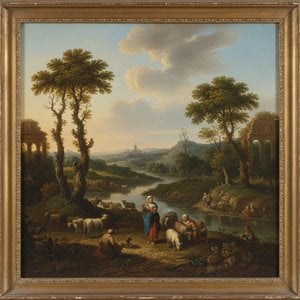
Forest Landscape
 Etching
- Baroque
 1643
1643- Early Modern
 27.0 x 32.0 cm
 Museu de Belas Artes (Budapeste)
 Ver mais
Giclée / Impressão de Arte
Impressão giclée ou em tela de qualidade de museu, com produção rápida e opções flexíveis de acabamento. ( Encomendar reprodução pintada à mão Ver Imagem Digital)




P118B €10

P118H €10

P118W €10

P438Z €10

P508JH €12

P508YH €12

P805H €10

P805Z €10

P919BZ €10

P919G €10

P919XJ €10

P959ZH €10

P968JZ €12

W106C €8

W218G €10

W218JH €8

W218Y €10

W307PJ €10

W316G €10

W316PJ €8

W316Y €10

W398PJ €8

W4111J €10

W500HY €15

W500JH €15

W692G €12

W849H €8

W940BG €15

W953PJ €8




Escolha entre os nossos tamanhos pré-definidos que respeitam as proporções originais da obra de arte.

Digite a largura e a altura de que necessita, para se ajustar à sua moldura ou à sua parede. Uma impressão só pode ser cortada, nunca ampliada além da imagem original, pelo que um tamanho com uma proporção diferente perderá parte da imagem. Enviamos-lhe uma maquete digital para aprovação antes de imprimirmos qualquer coisa. A imagem apresentada nesta página não mostra o corte real — apenas a maquete o faz.
Entrega mundial () em 2 semanas, em vez das 4/5 semanas padrão. (23 Outubro)

Envio expresso gratuito para todo o mundo

Tela de Linho Premium

Seguro de transporte total

Garantia de Reembolso de Impostos Alfandegários

Garantia de Fidelidade de Cor

Política de Devolução em 100 Dias (Apenas para Defeitos)

Garantia de reembolso de 100%

Desconto para múltiplas unidades
 A opção de vidro está disponível apenas para tamanhos inferiores a 110 cm

Forest Landscape
Giclée / Impressão de Arte
Dimensões da Reprodução
-


Preço Total
€ 54
A Journey into the Italianate Dream
To gaze upon this depiction of a forest landscape is to step across the threshold of time, transported to the sun-dappled, yet subtly shadowed corners of Italia in the early seventeenth century. This piece captures the very essence of the Dutch fascination with the Mediterranean world—a yearning for the classical grandeur and luminous atmosphere that beckoned Northern European artists away from their familiar northern skies. It speaks volumes about the cultural currents of the time, when study trips to Italy were not merely leisure pursuits but vital academic pilgrimages for painters seeking mastery.
The Hand of Jan Both: Mastering Mediterranean Light
Created around 1643 by Jan Both, this work places us squarely within his mature period. Both was a key figure in the "Dutch Italianate" movement, an artistic current defined by its deep absorption of Roman and Venetian landscape ideals. While the subject matter is profoundly natural—a gently sloping hillside descending toward placid waters, framed by dense, brooding foliage—the execution reveals a meticulous technical prowess. The style leans heavily into the detailed realism characteristic of Dutch Golden Age drawing or etching. Notice how the lines themselves become carriers of light and shadow; they are not merely outlines but carefully modulated tonal passages built through expert hatching and cross-hatching.
Technique and Atmosphere: An Etcher's Precision
The physical evidence suggests a technique rooted in drypoint or fine etching upon copper plate. This medium allowed Both to achieve an astonishing level of linear precision, giving the forest its palpable texture. The light is not harsh; rather, it is diffused, suggesting the soft veil of an overcast day or the deep cool shade beneath a canopy. This masterful handling of shadow creates an incredible sense of depth—a visual recession where foreground details give way to atmospheric haze in the distance. The organic shapes of the trees and the water’s edge are rendered with such care that one can almost hear the quiet murmur of the stream.
Symbolism of Solitude and Nature's Embrace
Beyond its technical brilliance, the painting resonates with profound emotional undertones. The subtle inclusion of small figures wandering through the woods transforms the scene from a mere topographical study into a meditation on human experience. These travelers seem absorbed in their own contemplation, dwarfed by the immensity and tranquility of nature. This quietude speaks to an era grappling with both intense artistic patronage (as Both himself experienced) and a growing appreciation for the sublime power of the natural world—a refuge from the bustling life of the city.
Bringing the Italianate Spirit Home
For the collector or designer, this reproduction offers more than just decoration; it offers an atmosphere. It is a window into scholarly aspiration, a celebration of masterful draftsmanship, and an invitation to pause. The deep greens, muted earth tones, and the silvery quality of the water lend themselves beautifully to creating a space that feels both historically rich and serenely contemporary—a perfect anchor for any room seeking the quiet dignity of a classical landscape.
Perguntas e Respostas
Qual é a cor predominante de "Forest Landscape" de Jan Both?
Black (#050504) é a cor predominante de "Forest Landscape" de Jan Both.
Que tema e atmosfera combinam em "Forest Landscape" de Jan Both?
"Forest Landscape" de Jan Both combina forest landscape, dutch art, 17th century scene, serene nature, detailed drawing, italian influence, monochromatic tone com uma atmosfera Serene.
Em que período foi feita a obra "Forest Landscape" de Jan Both?
O período histórico de "Forest Landscape" de Jan Both é Early Modern. Esta classificação situa a obra na história da arte.
Obras Relacionadas


Biografia do Artista
Jan Both (1610-1652): O Mestre da Luz Mediterrânea
Jan Dirksz Both foi um pintor, desenhista e gravador holandês que emergiu como uma das figuras mais proeminentes no florescente movimento de paisagem "Italianizante" durante a Era de Ouro Holandesa. Nascido por volta de 1615/16pos18 em Utrecht, ele era o irmão mais novo de Andries Both; juntos, herdaram do pai, Dirck Both, um pintor de vidro ou vitralista, um profundo apreço pelo artesanato artístico. Embora os detalhes biográficos permaneçam algo escassos, pesquisas acadêmicas sugerem que a formação de Jan incluiu instruções de mestres como Abraham Bloemaert e Gerrit van Honthorst, posicionando-o entre os artistas mais influentes de sua época.- Juventude e Formação: Os anos formativos de Both foram passados em Utrecht, onde ele aperfeiçoou suas habilidades ao lado de seu irmão Andries, absorvendo técnicas da prática de vitralismo de seu pai – um ofício profundamente enraizado nas tradições flamengas.
- Influência Romana: Por volta de 1638, Jan e Andries embarcaram em uma jornada transformadora rumo a Roma via França, mergulhando no fervor artístico da corte papal e encontrando luminares como Bloemaert e Gerrit van Honthorst. Essa exposição moldou profundamente suas sensibilidades estilísticas.
O Estilo Romanista e a Colaboração com Lorrain
Roma revelou-se um cadinho para o desenvolvimento artístico de Both. Enquanto Andries focava em cenas de gênero ao estilo de Pieter van Laer, Jan dedicou-se primordialmente à pintura de paisagens — um estilo fortemente devedor de Claude Lorrain — capturando a beleza etérea da região mediterrânea com uma maestria inigualável de luz e cor. Notavelmente, ele colaborou estreitamente com Herman van Swanevelt em um projeto monumental para o Palácio do Buen Retiro, em Madrid, demonstrando sua ambição e destreza artística nos mais altos escalões do mecenato europeu. Esta parceria consolidou a reputação de Both como um inovador pioneiro na pintura de paisagem.Obras Notáveis e Características Artísticas
A obra de Both é caracterizada por paisagens expansivas e imaginativas, banhadas por uma luz dourada e luminosa — uma marca registrada do estilo de Lorrain e indicativa das correntes artísticas mais amplas que circulavam pela Europa. Sua obra-prima, “Paisagem com Bandidos Conduzindo Prisioneiros” (Museum of Fine Arts, Boston), exemplifica este brilho estético. A estrada diagonal conduz o olhar para dentro da cena, justapondo figuras realistas contra um pano de fundo de vistas idílicas, povoadas por uma vegetação meticulosamente renderizada. Motivos recorrentes incluem figuras religiosas ou mitológicas — como visto em “O Julgamento de Paris” (Londres, National Gallery) — muitas vezes executadas por colegas artistas de Utrecht, como Cornelis van Poelenburch, ressaltando o envolvimento de Both com os ideais humanistas e as convenções artísticas da época.Legado e Influência
O irmão de Jan Both, Andries, sucumbiu tragicamente a uma doença em Veneza durante a viagem de retorno de Roma. Apesar da brevidade de sua vida, Andries estabeleceu-se como um artista respeitado, especializado em cenas camponesas — um gênero que refletia as realidades sociais do período. O legado artístico de Jan Both estende-se para além das pinturas individuais; ele atuou como mestre de alunos talentosos, como Barend Bispinck e Willem de Heusch, garantindo que suas inovações estilísticas continuassem a inspirar gerações de artistas. Sua obra permanece celebrada por sua atmosfera evocativa, técnica magistral e contribuição para o desenvolvimento da pintura de paisagem holandesa — um testemunho da influência duradoura de Both na história da arte europeia.Coleções
- Fitzwilliam Museum na Universidade de Cambridge
- Hermitage, São Petersburgo
- Kunsthistorisches Museum, Viena
- Louvre, Paris
- Mauritshuis Royal Picture Gallery

Jan Both
1610 - 1652 , Países Baixos
Informações Rápidas
- Artistic Movement Or Style: Pintura de Paisagem Italianizante
- Artists Or Movements Influenced By This Artist: ['Claude Lorrain']
- Artists Who Influenced This Artist:
- Abraham Bloemaert
- Gerrit van Honthorst
- Date Of Birth: Utrecht, Países Baixos (1610)
- Date Of Death: 9 de agosto de 1652
- Full Name: Jan Dirksz Both
- Nationality: Holandês
- Notable Artworks:
- Santa Ana com a Virgem e o Menino
- Paisagem com bandidos conduzindo prisioneiros
- O Julgamento de Paris
- Place Of Birth: Utrecht
Artigos Relacionados

A Era de Ouro Holandesa: 10 Mestras-Obras Imperdíveis para Decorar com Arte
Descubra as 10 obras-primas da Era de Ouro Holandesa! Explore a história, técnica e beleza atemporal de Rembrandt, Vermeer e outros mestres. Encontre reproduções de arte exclusivas para decorar sua casa com elegância em ArtsDot.com.

Golden Light & Dutch Skies: Bringing the Magic of Dutch Golden Age Landscapes into Your Home
Transform your home with the breathtaking light of Dutch Golden Age landscapes. Discover how hand-painted oil reproductions of masterworks like Ruisdael and Vermeer bring timeless elegance, atmosphere, and soulful texture to modern interiors. Elevate your space with museum-quality art.

Charles Leickert: Capturing the Dutch Golden Age Light – A Comprehensive Study of Technique, Context, and Legacy
Explore the captivating winter landscapes of Charles Leickert, a master of Dutch Golden Age light & atmosphere. Discover his techniques, symbolism, and lasting legacy – a comprehensive study for art enthusiasts and collectors.
Nicolaes Berchem: Dutch Golden Age Pastoralism & the Evolution of Landscape Painting
Explore the captivating world of Nicolaes Berchem, a leading Dutch Golden Age painter. Discover his idyllic landscapes, masterful technique & lasting influence on art history. Learn more at ArtsDot.

Golden Age Reflections: Dutch Baroque Painting & Cultural Innovation
Explore the Dutch Golden Age of painting! Discover key artists like Vermeer & ter Borch, their innovative techniques, and the rich cultural context behind these Baroque masterpieces. Learn about collecting & appreciating this iconic art period.
