


 Visualizar em escala
 Enviar
 Compartilhar
 Ver detalhes
 Guia de Obras do Aluno

 Baixar imagem
 Semelhantes
 Raio X
 Apresentação de slides
 Estatísticas
Tea
 Oil On Canvas
- WallArt
- Realism
 1872
1872- 19th Century
 66.0 x 48.0 cm
 Museu Metropolitano de Arte
 Ver mais
Giclée / Impressão de Arte
Impressão giclée ou em tela de qualidade de museu, com produção rápida e opções flexíveis de acabamento. ( Encomendar reprodução pintada à mão Ver Imagem Digital)




P118B €10

P118H €10

P118W €10

P438Z €10

P508JH €12

P508YH €12

P805H €10

P805Z €10

P919BZ €10

P919G €10

P919XJ €10

P959ZH €10

P968JZ €12

W106C €8

W218G €10

W218JH €8

W218Y €10

W307PJ €10

W316G €10

W316PJ €8

W316Y €10

W398PJ €8

W4111J €10

W500HY €15

W500JH €15

W692G €12

W849H €8

W940BG €15

W953PJ €8




Escolha entre os nossos tamanhos pré-definidos que respeitam as proporções originais da obra de arte.

Digite a largura e a altura de que necessita, para se ajustar à sua moldura ou à sua parede. Uma impressão só pode ser cortada, nunca ampliada além da imagem original, pelo que um tamanho com uma proporção diferente perderá parte da imagem. Enviamos-lhe uma maquete digital para aprovação antes de imprimirmos qualquer coisa. A imagem apresentada nesta página não mostra o corte real — apenas a maquete o faz.
Entrega mundial () em 2 semanas, em vez das 4/5 semanas padrão. (23 Outubro)

Envio expresso gratuito para todo o mundo

Tela de Linho Premium

Seguro de transporte total

Garantia de Reembolso de Impostos Alfandegários

Garantia de Fidelidade de Cor

Política de Devolução em 100 Dias (Apenas para Defeitos)

Garantia de reembolso de 100%

Desconto para múltiplas unidades
 A opção de vidro está disponível apenas para tamanhos inferiores a 110 cm

Tea
Giclée / Impressão de Arte
Dimensões da Reprodução
-


Preço Total
€ 54
A Moment Frozen in Victorian Elegance
In the quiet, sun-dappled atmosphere of James Jacques Joseph Tissot’s Tea, we are invited into a private sanctuary of nineteenth-century refinement. This exquisite oil painting, dating from 1872, serves as more than just a depiction of a domestic ritual; it is a window into the soul of the Victorian era. The scene centers on a woman poised with grace in a tea room, her presence commanding yet serene. Clad in a sophisticated black dress accented by a delicate yellow ribbon at her throat, she embodies the meticulous fashion and social etiquette of her time. As she tends to the teapot, surrounded by the fine porcelain of cups and bowls, there is an intimate sense of stillness, as if the bustling world outside has momentarily ceased to exist.
The composition masterfully balances the intimacy of the interior with a breathtaking glimpse of the wider world. Beyond the immediate warmth of the tea service, the eye is drawn through the window to the dense, sprawling cityscape and the shimmering waters of the Thames. This juxtaposition between the sheltered, domestic sphere and the industrial vitality of London creates a profound narrative tension. It reminds the viewer that even in our most private moments of repose, the pulse of the modern city beats just beyond the glass. The inclusion of a distant boat on the river adds a layer of movement and life, grounding this elegant portrait within the real, breathing geography of Tissot’s adopted home.
Mastery of Realism and Light
Tissot, a painter who bridged the gap between the meticulous detail of Realism and the atmospheric light of Impressionism, demonstrates his technical prowess through the textures present in this work. Every element—from the reflective surface of the tea service to the heavy, luxurious fabric of the woman’s gown—is rendered with an almost tactile precision. His ability to capture the play of light across different surfaces creates a sense of depth that draws the collector into the room. The artist uses light not merely to illuminate, but to sculpt the scene, highlighting the delicate contours of the porcelain and the soft shadows that dance within the tea room.
For the discerning art lover or interior designer, Tea offers a versatile emotional resonance. It possesses a quiet dignity that can anchor a sophisticated living space, providing a focal point of calm and historical depth. The painting’s palette, rich with deep blacks, warm yellows, and the soft blues of the distant London sky, makes it an ideal piece for those looking to introduce a sense of timeless luxury and narrative complexity into a room. To possess a reproduction of this work is to hold a fragment of history—a beautifully preserved moment of Victorian grace that continues to inspire awe and contemplation in the modern age.
Perguntas e Respostas
Como é descrita a atmosfera de "Tea" de James Tissot?
O clima geral de "Tea" de James Tissot é Elegant. O clima descreve a atmosfera geral da obra.
Como "Tea" se encaixa nos temas e no estilo de James Tissot?
"Tea" compartilha com as outras obras de James Tissot o seu estilo Realism e os temas recorrentes: realism and impressionism, victorian social elegance, london urban life, domestic genre painting, refined society scenes.
Quão intensas são as cores em "Tea" de James Tissot?
A intensidade de cor de "Tea" é Monochromatic. A intensidade descreve o quão vibrantes as cores parecem ser.
Obras Relacionadas


Biografia do Artista
James Jacques Joseph Tissot (1836-1902): Um Visionário Vitoriano Unindo o Realismo e o Impressionismo
James Jacques Joseph Tissot, nascido em 15 de outubro de 1836, em Paris, França, foi um pintor prolífico cuja carreira atravessou décadas e consolidou seu lugar como um dos artistas mais celebrados da era vitoriana. Embora inicialmente formado como arquiteto, Tissot abandonou rapidamente este caminho pelo fascínio cativante da pintura, dedicando-se a capturar a grandeza e as complexidades da sociedade parisiense ao lado de profundas narrativas bíblicas. Seu estilo distinto — uma mistura magistral de realismo e técnicas impressionistas — continua a fascinar historiadores da arte e colecionadores por igual.- Juventude e Formação Artística: Os anos formativos de Tissot foram marcados por uma criação privilegiada em uma família rica, o que lhe proporcionou acesso a uma instrução artística excepcional. Ele estudou arquitetura na École Polytechnique antes de transitar para o desenho sob a tutela de Alexandre Cabanel e Jean-Léon Gérôme, absorvendo as influências estilísticas do realismo acadêmico predominante em sua época. Essas experiências fundamentais instilaram nele uma atenção meticulosa aos detalhes e uma abordagem disciplinada da composição — traços que caracterizariam toda a sua obra.
- Paris Vitoriana e o Retrato Social: O grande triunfo artístico de Tissot surgiu com suas representações da vida parisiense durante a Belle Époque. Ele documentou meticulosamente cenas de teatros, casas de ópera e encontros elegantes, capturando não apenas o esplendor visual, mas também as nuances sutis do comportamento social. Suas telas — como “O Chapéu de Rubens” e “Chá” — tornaram-se representações icônicas da elegância e sofisticação vitoriana, refletindo as ansiedades e aspirações de uma sociedade em rápida transformação.
- Narrativas Bíblicas e Composição Dramática: Além das paisagens urbanas, Tissot destacou-se ao retratar histórias bíblicas com uma teatralidade notável. Ele abordou essas narrativas com um compromisso inabalável com a precisão histórica, combinado com pinceladas expressivas — uma marca registrada do Impressionismo —, criando imagens emocionalmente ressonantes que cativavam o público. Obras memoráveis incluem “A Busca do Santo Graal” e “A Última Ceia”, demonstrando sua habilidade em transmitir profundidade espiritual junto ao dinamismo visual.
- Técnica e Evolução Artística: A técnica artística de Tissot evoluiu consideravelmente ao longo de sua carreira. Inicialmente favorecendo o realismo acadêmico, ele gradualmente abraçou as influências impressionistas, experimentando pinceladas mais soltas e capturando momentos fugazes de luz e cor. Essa mudança estilística permitiu que ele dotasse suas pinturas com um sentido palpável de atmosfera e emoção — um afastamento da formalidade estática de seus trabalhos anteriores.
- Legado e Significância Histórica: Jacques Joseph Tissot faleceu em 8 de agosto de 1902, deixando para trás um corpo de trabalho impressionante que continua a inspirar admiração. Suas pinturas estão abrigadas em museus proeminentes ao redor do mundo, incluindo a Bibliothèque Nationale Centrale e o Getty Museum, testemunho de seu legado artístico duradouro. Mais do que simplesmente documentar sua era, Tissot elevou a pintura a uma forma de contar histórias — uma poderosa mistura de observação e imaginação que solidificou sua posição como um dos artistas mais influentes do período vitoriano.
Exploração Adicional
Você pode mergulhar mais profundamente na jornada artística de Tissot visitando estes recursos:- James Tissot - Wikipedia:https://en.wikipedia.org/wiki/James_Tissot
- Jacques Joseph Tissot - Getty Museum:https://www.getty.edu/art/collection/person/103KY1
- Jacques Joseph Tissot: Uma Crônica da Vida Parisiense e Evolução Narrativa:/en/articles/jacques-joseph-tissot-a-chronicle-of-parisian-life-narrative-evolution-en/
- James Tissot (1836-1902), Ambiguamente Moderno | Musée d’Orsay:https://www.musee-orsay.fr/en/whats-on/exhibitions/presentation/james-tissot-1836-1902-ambiguously-modern

James Tissot
1836 - 1902 , França
Informações Rápidas
- Artistas Ou Movimentos Influenciados Por Este Artista: ['Impressionismo']
- Artistas Que Influenciaram Este Artista:
- Gustave Courbet
- Jean-François Millet
- Data De Falecimento: 8 de agosto de 1902
- Data De Nascimento: 15 de outubro de 1836
- Local De Nascimento: Paris, França
- Movimento Ou Estilo Artístico: Realismo e Impressionismo
- Nacionalidade: Francês
- Nome Completo: Jacques Joseph Tissot
- Obras De Arte Notáveis:
- O Chapéu de Rubens
- Chá
Artigos Relacionados

James Abbott McNeill Whistler: As 25 Obras-Primas que Definem um Mestre da Arte
Descubra as 25 obras-primas de James Abbott McNeill Whistler, o mestre do Impressionismo e dos 'Nocturnes'. Explore a história por trás de cada pintura, cores e técnicas. Encontre reproduções de arte exclusivas para decorar sua casa com elegância em ArtsDot.com!

Romantic Realism's Finest: 10 Masterpieces for Your Home | ArtsDot
Explore 10 defining masterpieces of Romantic Realism! Discover Courbet, Millet & Daumier's powerful paintings—capturing emotion and social realities. Find museum-quality reproductions for your home at ArtsDot.com.

As 25 Obras-Primas de Alfred Munnings: Arte Equina e a Alma Inglesa | ArtsDot
Descubra as 25 obras-primas de Alfred Munnings, o mestre da pintura equina e da alma inglesa. Explore a história, técnica e beleza atemporal de cada quadro. Reproduções de arte exclusivas em ArtsDot.com! Explore a coleção online.
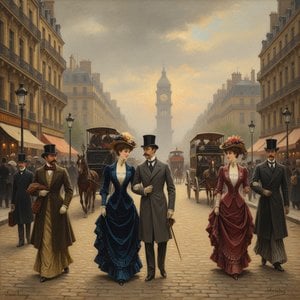
Jacques Joseph Tissot: A Chronicle of Parisian Life & Narrative Evolution
Explore the captivating world of Jacques Joseph Tissot, a master painter of Belle Époque society. Discover his realism, Impressionistic style, and lasting influence on art history. Learn more at ArtsDot.

The Gaze of a Changing World: Victorian Realism & Modern Life
Explore the captivating world of Victorian Realism! Discover genre painting's rise, social commentary in art, & masters like Fedotov and Wilkie. Expert analysis & high-quality reproductions at ArtsDot.