

 Visualizar na parede
 Compartilhar
 Compartilhar
 Detalhes
 Guia
Guia

 Baixar imagem
 Semelhantes
 Raio X
 Ver diaporama
 Perguntas e Respostas
 Estatísticas
Grainfields

- 47.0 x 57.0 cm


 Ler mais
Giclée / Impressão de Arte
Impressão giclée ou em tela de qualidade de museu, com produção rápida e opções flexíveis de acabamento. ( Comprar pintura feita à mão Alternar para Imagem Digital)




P118B €10

P118H €10

P118W €10

P438Z €10

P508JH €12

P508YH €12

P805H €10

P805Z €10

P919BZ €10

P919G €10

P919XJ €10

P959ZH €10

P968JZ €12

W106C €8

W218G €10

W218JH €8

W218Y €10

W307PJ €10

W316G €10

W316PJ €8

W316Y €10

W398PJ €8

W4111J €10

W500HY €15

W500JH €15

W692G €12

W849H €8

W940BG €15

W953PJ €8




Escolha entre os nossos tamanhos pré-definidos que respeitam as proporções originais da obra de arte.

Insira a largura e a altura desejadas para se ajustarem à sua moldura ou parede. Uma impressão pode ser apenas cortada, nunca ampliada além da imagem original; portanto, um tamanho com proporções diferentes resultará na perda de parte da imagem. Enviamos uma maquete digital para sua aprovação antes de realizarmos a impressão. A imagem exibida nesta página não mostra o corte real — apenas a maquete o faz.
Entrega mundial () em 2 semanas, em vez das 4/5 semanas padrão. (4 Novembro)

Envio expresso gratuito para todo o mundo

Tela de Linho de Alta Qualidade

Seguro de transporte completo

Garantia de Reembolso de Impostos Alfandegários

Garantia de Fidelidade Cromática

Política de Devolução em 100 Dias (Apenas para Defeitos)

Garantia de reembolso de 100%

Oferta de desconto por quantidade
 A opção de vidro está disponível apenas para tamanhos inferiores a 110 cm

Grainfields
Giclée / Impressão de Arte
Tamanho da Reprodução
-


Preço Total
€ 56
A Moment Frozen in Time: Exploring Jacob van Ruisdael’s “Grainfields”
Jacob van Ruisdael's "Grainfields," painted around 1665, isn’t merely a depiction of a rural Dutch landscape; it’s a profound meditation on the relationship between humanity and nature, a quiet drama unfolding beneath an expansive sky. This remarkable work, now housed within the Metropolitan Museum of Art in New York, offers a glimpse into the heart of the Dutch Golden Age – a period defined by burgeoning prosperity, artistic innovation, and a deep appreciation for the beauty of the natural world. Ruisdael, considered the pre-eminent landscape painter of his era, masterfully captures not just the visual elements of the scene but also an underlying sense of serenity and timelessness that continues to resonate with viewers today.The Canvas as Window: Composition and Technique
Ruisdael’s genius lies in his ability to create a remarkably immersive experience within the confines of a canvas. The composition is deceptively simple, yet profoundly effective. A gently sloping road, barely discernible amidst the undulating grainfields, draws the eye into the heart of the scene. Two figures – likely laborers tending their harvest – stand at the field’s edge, small and unassuming against the vastness of the landscape. Their presence isn't intrusive; rather, they serve as anchors, grounding us in this world while simultaneously emphasizing its scale and solitude. The artist employs a technique characterized by subtle gradations of light and shadow, creating an atmospheric depth that is both realistic and dreamlike. Notice how he uses broken brushstrokes to suggest the texture of the earth, the rustle of the grain, and the hazy distance of the horizon. Crucially, Ruisdael’s decision to dominate the composition with the sky – occupying nearly two-thirds of the canvas – elevates the scene beyond a simple depiction of farmland. It imbues the landscape with a sense of grandeur and spiritual significance, echoing the vastness of God's creation.Echoes of History: Context and Influences
To understand “Grainfields,” it’s essential to consider its historical context. The Dutch Golden Age witnessed an unprecedented economic boom fueled by trade and agriculture. Landscapes like this one weren’t simply decorative; they reflected a national identity deeply rooted in the land. Ruisdael, influenced by earlier landscape painters such as Cornelis Vroom and Allart van Everdingen, built upon established traditions while forging his own distinctive style. His trip to Germany in 1650 exposed him to new artistic influences, particularly the dramatic lighting and atmospheric perspective of Northern European masters. The painting also reflects a broader shift in Dutch society – a growing interest in secular subjects alongside traditional religious themes. The focus on everyday life, as depicted here, signaled a move away from solely didactic art towards works that celebrated beauty and offered moments of contemplation.Symbolism and Emotional Resonance
Beyond its technical brilliance, “Grainfields” is rich in symbolic meaning. The figures at the edge of the field represent humanity’s connection to the land – a relationship built on labor, resilience, and an understanding of nature's rhythms. The windmill, a ubiquitous symbol of Dutch ingenuity and prosperity, stands as a testament to human adaptation and mastery over the environment. However, there is also a sense of melancholy in the scene, perhaps reflecting the hardships of rural life or the fleeting nature of time. The overcast sky hints at an impending storm, suggesting that even in this seemingly idyllic landscape, forces beyond our control are always present. Ultimately, “Grainfields” evokes a feeling of quiet contemplation – a reminder to appreciate the beauty and fragility of the natural world and to find solace in its enduring presence.Bringing Ruisdael Home: Reproductions and Interior Design
Reproductions of "Grainfields" offer a remarkable opportunity to bring this iconic work into your home or office. When selecting a print, consider the quality of the reproduction – seek out options that accurately capture the subtle nuances of Ruisdael’s brushwork and atmospheric effects. The painting's muted palette—dominated by earthy browns, greens, and grays—works beautifully in a variety of interior settings. It complements both rustic and contemporary styles, adding a touch of timeless elegance and contemplative serenity to any space. Whether displayed as a statement piece or incorporated into a larger gallery wall, “Grainfields” is sure to become a cherished focal point, inviting viewers to pause, reflect, and connect with the enduring beauty of the Dutch countryside.Perguntas e Respostas
Qual é a identidade cromática de "Grainfields", de Jacob Van Ruisdael?
"Grainfields", de Jacob Van Ruisdael utiliza uma paleta Earthy, com Celadon (#beb8bc) como cor dominante.
Existem obras semelhantes a "Grainfields"?
Obras semelhantes a "Grainfields" estão listadas na página de Obras semelhantes desta obra.
Qual é o formato de "Grainfields"?
"Grainfields", de Jacob Van Ruisdael é uma composição em Landscape. Vale a pena conferir as proporções antes de escolher o tamanho da impressão.
Obras Relacionadas


Biografia do Artista
Os Primeiros Anos e a Formação de um Mestre
Jacob Isaackszoon van Ruisdael, nascido em Haarlem, nos Países Baixos, em 1628, emergiu durante o apogeu da chamada Idade de Ouro Holandesa. Este período foi marcado por uma extraordinária prosperidade econômica e um florescimento cultural sem precedentes, que se refletiu intensamente na pintura paisagística. Ruisdael não apenas testemunhou essa era vibrante, mas tornou-se seu mais emblemático cronista visual. Sua família possuía uma oficina de pintores, o que lhe proporcionou um ambiente propício para desenvolver suas habilidades artísticas desde cedo. Embora os detalhes precisos de sua formação permaneçam obscuros, é certo que ele recebeu instrução em desenho e pintura, absorvendo as técnicas e convenções da época.
A Versatilidade de um Olhar Incomparável
Ruisdael rapidamente se destacou pela notável versatilidade de seu talento. Ao contrário de muitos artistas que se especializavam em um único gênero, ele explorou uma ampla gama de temas paisagísticos com igual maestria. Desde 1646, dedicou-se a retratar as paisagens rurais holandesas, capturando a serenidade dos campos, a beleza das florestas e a atmosfera melancólica dos pântanos. Uma viagem à Alemanha em 1650 parece ter exercido uma influência significativa sobre sua obra, levando-o a incorporar elementos mais dramáticos e heroicos em suas composições. Em seus trabalhos posteriores, produzidos principalmente em Amsterdã, Ruisdael aventurou-se na representação de panoramas urbanos e paisagens marítimas, frequentemente com o céu ocupando uma porção considerável da tela – um recurso que se tornou uma marca registrada de seu estilo.
Luz, Composição e a Essência da Natureza
A arte de Ruisdael é caracterizada por uma sensibilidade excepcional à luz e à atmosfera. Ele conseguia capturar as nuances sutis do céu em constante mudança, transmitindo a sensação de movimento e a beleza efêmera dos fenômenos naturais. Sua habilidade na composição era igualmente notável; ele organizava os elementos da paisagem de forma harmoniosa e equilibrada, criando obras que eram ao mesmo tempo realistas e poéticas. “Cachoeira em uma Paisagem Rochosa e Montanhosa”, por exemplo, demonstra sua capacidade de representar a força bruta da natureza com um senso de drama e grandiosidade. Já “Vista de Haarlem com Branqueamento” exemplifica sua maestria na captura da essência da paisagem holandesa, revelando a vida cotidiana em harmonia com o ambiente natural. E “Vista do Dam e do Damrak em Amsterdã” destaca seu talento para a pintura urbana, retratando a cidade vibrante com detalhes precisos e uma atmosfera envolvente.
Influência Duradoura e Legado Imortal
A influência de Ruisdael na história da paisagem é profunda e duradoura. Sua obra inspirou gerações de artistas em toda a Europa, moldando o desenvolvimento do Romantismo Inglês, da Escola de Barbizon na França e da Escola do Rio Hudson nos Estados Unidos. Ele também exerceu um impacto significativo sobre outros pintores holandeses, que buscaram emular sua técnica e sensibilidade. Sua capacidade de transmitir emoção através da paisagem, combinada com sua maestria na representação da luz e da atmosfera, estabeleceu novos padrões para a pintura ao ar livre e abriu caminho para as inovações do Impressionismo.
Obras Notáveis e o Reconhecimento Universal
Entre suas obras mais emblemáticas destacam-se:
- Vista de Haarlem com Branqueamento
- Cachoeira em uma Paisagem Rochosa e Montanhosa
- Vista do Dam e do Damrak em Amsterdã
As obras de Ruisdael podem ser encontradas em importantes coleções ao redor do mundo, incluindo a National Gallery de Londres, o Rijksmuseum de Amsterdã e o Museu Hermitage de São Petersburgo. Seu legado permanece vivo até hoje, inspirando artistas e amantes da arte com sua beleza atemporal e sua profunda conexão com a natureza.

Jacob Van Ruisdael
1628 - 1682 , Países Baixos
Dados Rápidos
- Artistas Que O Influenciaram: ['Hendrick Vroom']
- Artistas/Movimentos Influenciados:
- Romantismo Inglês
- Escola de Barbizon
- Data Da Morte: 1682, Amsterdã
- Data De Nascimento: 1628, Haarlem
- Local De Nascimento: Haarlem, Países Baixos
- Movimento Artístico: Idade de Ouro Holandesa
- Nacionalidade: Holandês
- Nome Completo: Jacob Isaackszoon van Ruisdael
- Obras Notáveis:
- Vista de Haarlem
- Cachoeira rochosa
- Paisagem urbana Amsterdã
Artigos Relacionados

Jacob van Ruisdael: Master of Dutch Landscape & the Evocation of National Identity
Explore the life & work of Jacob van Ruisdael, the preeminent Dutch landscape painter. Discover his technical brilliance, symbolic depth, and lasting influence on art history. Learn about collecting Ruisdael's masterpieces.

A Era de Ouro Holandesa: 10 Mestras-Obras Imperdíveis para Decorar com Arte
Descubra as 10 obras-primas da Era de Ouro Holandesa! Explore a história, técnica e beleza atemporal de Rembrandt, Vermeer e outros mestres. Encontre reproduções de arte exclusivas para decorar sua casa com elegância em ArtsDot.com.

Golden Light & Dutch Skies: Bringing the Magic of Dutch Golden Age Landscapes into Your Home
Transform your home with the breathtaking light of Dutch Golden Age landscapes. Discover how hand-painted oil reproductions of masterworks like Ruisdael and Vermeer bring timeless elegance, atmosphere, and soulful texture to modern interiors. Elevate your space with museum-quality art.
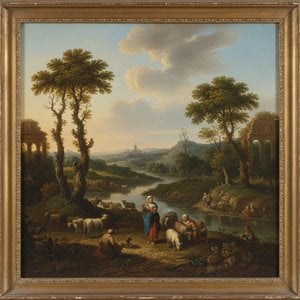
Nicolaes Berchem: Dutch Golden Age Pastoralism & the Evolution of Landscape Painting
Explore the captivating world of Nicolaes Berchem, a leading Dutch Golden Age painter. Discover his idyllic landscapes, masterful technique & lasting influence on art history. Learn more at ArtsDot.

Charles Leickert: Capturing the Dutch Golden Age Light – A Comprehensive Study of Technique, Context, and Legacy
Explore the captivating winter landscapes of Charles Leickert, a master of Dutch Golden Age light & atmosphere. Discover his techniques, symbolism, and lasting legacy – a comprehensive study for art enthusiasts and collectors.


