

 Visualizar na parede
 Compartilhar
 Compartilhar
 Detalhes
 Guia
Guia

 Baixar imagem
 Semelhantes
 Raio X
 Ver diaporama
 Perguntas e Respostas
 Estatísticas
Wegener's theory

- 54.0 x 61.0 cm


 Ler mais
A obra de arte exibida nesta página é protegida por leis de direitos autorais, o que significa que não podemos criar ou vender legalmente uma reprodução idêntica. Esta proteção é aplicada por meio de acordos internacionais, tais como a Convenção de Berna e pelas leis nacionais, incluindo as estabelecidas por Lei de Direitos Autorais dos EUA - Título 17.
Este método cumpre plenamente as regulamentações de direitos autorais, pois não envolve a cópia ou duplicação da obra protegida. Em vez disso, trata-se de uma reinterpretação criativa — uma nova pintura que é influenciada pela original, mas não idêntica a ela.
Giclée / Impressão de Arte
Impressão giclée ou em tela de qualidade de museu, com produção rápida e opções flexíveis de acabamento. ( Comprar pintura feita à mão Alternar para Imagem Digital)




P118B €10

P118H €10

P118W €10

P438Z €10

P508JH €12

P508YH €12

P805H €10

P805Z €10

P919BZ €10

P919G €10

P919XJ €10

P959ZH €10

P968JZ €12

W106C €8

W218G €10

W218JH €8

W218Y €10

W307PJ €10

W316G €10

W316PJ €8

W316Y €10

W398PJ €8

W4111J €10

W500HY €15

W500JH €15

W692G €12

W849H €8

W940BG €15

W953PJ €8




Escolha entre os nossos tamanhos pré-definidos que respeitam as proporções originais da obra de arte.

Insira a largura e a altura desejadas para se ajustarem à sua moldura ou parede. Uma impressão pode ser apenas cortada, nunca ampliada além da imagem original; portanto, um tamanho com proporções diferentes resultará na perda de parte da imagem. Enviamos uma maquete digital para sua aprovação antes de realizarmos a impressão. A imagem exibida nesta página não mostra o corte real — apenas a maquete o faz.
Entrega mundial () em 2 semanas, em vez das 4/5 semanas padrão. (4 Novembro)

Envio expresso gratuito para todo o mundo

Tela de Linho de Alta Qualidade

Seguro de transporte completo

Garantia de Reembolso de Impostos Alfandegários

Garantia de Fidelidade Cromática

Política de Devolução em 100 Dias (Apenas para Defeitos)

Garantia de reembolso de 100%

Oferta de desconto por quantidade
 A opção de vidro está disponível apenas para tamanhos inferiores a 110 cm

Wegener's theory
Giclée / Impressão de Arte
Tamanho da Reprodução
-


Preço Total
€ 56
Jacek Yerka's 'Wegener’s Theory': A Surreal Dive into Geological Imagination
- Subject Matter: Jacek Yerka’s ‘Wegener’s Theory’, painted in 2001, presents a strikingly surreal depiction of the ocean floor. It’s not merely an underwater scene; it's a meticulously constructed dreamscape populated with floating islands, diverse marine life, and enigmatic structures – a visual exploration of the controversial continental drift theory proposed by Alfred Wegener.
- Style & Technique: The painting exemplifies Yerka’s signature surrealist style, characterized by meticulous detail and a blending of realistic observation with fantastical elements. Employing a layered technique reminiscent of Flemish masters, Yerka builds up textures and forms through multiple glazes of ink and pigment, creating a rich, almost tactile surface. This painstaking approach lends the artwork an incredible depth and luminosity, drawing the viewer into its intricate world.
A Reflection on Scientific Theory and the Subconscious Mind
- Historical Context: ‘Wegener’s Theory’ is deeply rooted in the early 20th-century scientific debate surrounding continental drift. Alfred Wegener's hypothesis, initially met with skepticism, proposed that continents were once joined together and had gradually drifted apart over millions of years. Yerka’s artwork can be interpreted as a visual representation of this challenging idea – a world where geological processes manifest in an imaginative, dreamlike realm. The painting also subtly references the Lettrism Art Movement, which sought to apply theoretical concepts to artistic expression, mirroring Wegener's own approach to scientific inquiry.
- Symbolic Elements: The central floating island, housing a building, immediately disrupts our expectations of reality, inviting contemplation about the nature of knowledge and perception. The diverse marine life – from colossal fish to octopuses and squid – symbolizes the vastness and mystery of the ocean depths, while the scattered islands represent fragmented pieces of evidence in Wegener’s theory.
Yerka's Surrealist Vision: A Dialogue with Masters
- Artistic Influences: Yerka’s work shares affinities with other surrealist artists like Joan Miró and Michael So, particularly in its exploration of dreamlike scenarios and abstract forms. However, unlike some purely fantastical works, ‘Wegener’s Theory’ grounds itself in a specific scientific concept, elevating the surreal to a level of intellectual engagement.
- Emotional Impact: The painting evokes a sense of wonder, mystery, and perhaps even unease. Its intricate details and unsettling juxtaposition of elements invite viewers to question their assumptions about reality and consider the profound implications of scientific discovery.
Dimensions & Details
- Size: 54 x 61 cm
- Date: 2001
- Artist: Jacek Yerka
- Birth Year: 1952
- Medium: Ink and Pigment on Canvas
Perguntas e Respostas
Qual disposição melhor se adapta ao formato de "Wegener's theory", de Jacek Yerka?
O formato (Landscape) e o ambiente recomendado (Living Room) são as duas informações de posicionamento registradas para "Wegener's theory", de Jacek Yerka.
Que sentimento "Wegener's theory", de Jacek Yerka expressa dentro de Surrealism?
A emoção Mysterious de "Wegener's theory" acompanha seu estilo Surrealism.
Qual era a idade de Jacek Yerka quando "Wegener's theory" foi criada?
Jacek Yerka criou "Wegener's theory" aos 49 anos. O artista nasceu em 1952 e a obra data de 2001.
Obras Relacionadas


Biografia do Artista
Early Life and Artistic Beginnings
Nascido em 1952 na cidade histórica de Toruń, na Polônia, Jacek Yerka emergiu de uma família profundamente enraizada no mundo da arte. Ambos os seus pais eram graduados da renomada Academia de Belas Artes local, imergindo-o desde cedo num universo de tintas, pincéis e técnicas artísticas. Este ambiente familiar, rico em tradição artística, moldou profundamente o seu futuro percurso profissional. A infância de Yerka foi marcada por uma predileção por atividades criativas solitárias – desenho e escultura – em detrimento das brincadeiras ao ar livre, o que lhe causava desafios sociais no início da escola primária, que ele descrevia como “uma realidade cinzenta, por vezes aterradora”. No entanto, a sua aptidão para o desenho conquistou-lhe respeito no ensino secundário.Artistic Journey and Development
Inicialmente considerando carreiras na astronomia ou na medicina, Yerka optou finalmente pela arte e pelo design gráfico. Durante os seus estudos na Universidade Nicolaus Copernicus em Toruń, resistiu à pressão de adotar estilos contemporâneos, mantendo-se fiel à técnica flamenga clássica que define a sua obra. Esta dedicação à meticulosidade e aos métodos tradicionais tornou-se uma marca distintiva da sua identidade artística. Yerka sempre demonstrou um interesse particular pela precisão e pelo detalhe, buscando imitar as técnicas dos mestres flamengos.Influences and Inspirations
A visão artística de Yerka é profundamente enraizada nas obras de grandes mestres do passado. Cita Hieronymus Bosch, Pieter Bruegel, Cagliostro, Jan van Eyck e Hugo van der Goes como influências-chave. Estes artistas despertaram nele uma fascinação pelo detalhe intrincado, pela iconografia simbólica e por narrativas fantásticas. Além da história da arte, Yerka encontra inspiração em conceitos científicos e nas suas próprias memórias da infância. A sua imaginação é alimentada por um desejo de combinar o rigor científico com a beleza da arte, criando paisagens surreais que desafiam a lógica e a realidade.Key Characteristics of His Work
A obra de Yerka distingue-se por uma série de características marcantes:- Surrealismo: As suas pinturas estão firmemente enraizadas na tradição surrealista, fundindo a realidade com imagens oníricas e fantásticas.
- Técnica Flamenga: Emprega um estilo pictórico meticuloso e detalhado, reminiscente dos mestres flamengos, caracterizado por uma atenção obsessiva aos detalhes e à representação realista.
- Detalhe Intenso: As suas obras são marcadas por um nível de detalhe extraordinário, convidando o espectador a explorar narrativas ocultas em cada composição.
- Mundos Fantásticos: Yerka cria paisagens imaginárias habitadas por criaturas bizarras e arquitetura extravagante, onde o impossível torna-se realidade.
- Temas Científicos e Mitológicos: Frequentemente combina conceitos científicos com a expressão artística e referências mitológicas, criando obras que exploram as fronteiras entre a ciência, a fantasia e a mitologia.
Notable Works and Achievements
O portfólio de Yerka inclui inúmeras obras aclamadas, como “The Angels’ Kitchen” e “Wegener's Theory.” A sua arte tem sido exposta internacionalmente na Polônia, Alemanha, Mônaco, França e nos Estados Unidos. Além disso, colaborou com o produtor hollywoodiano Renee Daalder no design do filme de ficção científica “Strawberry Fields,” expandindo ainda mais o seu alcance global. Yerka é reconhecido como um artista visionário que combina a precisão técnica da tradição flamenga com uma imaginação fértil e uma abordagem inovadora à arte.Historical Significance and Legacy
A visão artística única de Jacek Yerka conquistou-lhe um lugar significativo no mundo da arte contemporânea. A sua capacidade de fundir o surreal, o científico e o mitológico cria obras cativantes que ressoam com o público mundial. Continua a inspirar artistas e a fascinar os espectadores com as suas pinturas meticulosamente elaboradas e imaginativas, deixando uma marca indelével na história da arte polonesa e internacional. A sua obra é um testemunho do poder da imaginação humana e da beleza da tradição artística.
Jacek Yerka
1952 - , Polónia
Dados Rápidos
- Artistic Movement Or Style: Surrealismo
- Artists Or Movements Influenced By This Artist: ['Flemish Painting']
- Artists Who Influenced This Artist:
- Hieronymus Bosch
- Pieter Bruegel
- Jan van Eyck
- Date Of Birth: 1952
- Full Name: Jacek Yerka (Jacek Kowalski)
- Nationality: Polonês
- Notable Artworks:
- The Angels' Kitchen
- Wegener's Theory
- Place Of Birth: Toruń, Polônia
Artigos Relacionados

Katsushika Hokusai: As 25 Obras-Primas que Definem um Mestre da Arte Japonesa
Descubra as 25 obras-primas de Katsushika Hokusai, o mestre do ukiyo-e! Explore a história por trás de 'A Grande Onda' e outras gravuras japonesas icônicas. Encontre reproduções de arte exclusivas para decorar sua casa com elegância em ArtsDot.com.

Surrealismo: 10 Obras-Primas que Definiram um Movimento Artístico Inovador | ArtsDot.com
Mergulhe no universo onírico do Surrealismo! Explore 10 obras-primas de Dalí, Magritte e outros artistas icônicos. Descubra a história, técnica e emoção por trás dessas pinturas revolucionárias. Encontre reproduções de arte exclusivas em ArtsDot.com.

Jacek Yerka: Surreal Visions & Nostalgia in Contemporary Polish Painting
Explore the captivating surreal worlds of Jacek Yerka, a leading Polish painter renowned for his meticulous Flemish technique & dreamlike landscapes. Discover his unique style and learn about collecting this exceptional artist's work.
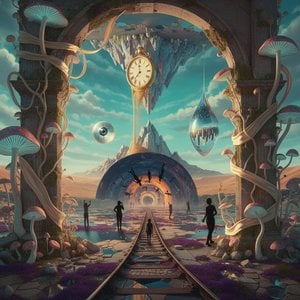
Dreamscapes & Disrupted Realities: Exploring Surrealism's Enduring Influence
Explore the fascinating world of Surrealism! Discover its origins, key artists like Dalí & Magritte, and enduring influence on art & culture. Expert insights & high-quality reproductions at ArtsDot.

Salvador Dalí: As 25 Obras-Primas do Surrealismo para Decorar com Arte
Descubra as 25 obras-primas de Salvador Dalí, ícone do surrealismo! Explore a história por trás de quadros famosos como 'A Persistência da Memória' e inspire sua decoração com arte. Reproduções de alta qualidade em ArtsDot.com.