
- Início

- Reprodução de Pintura a Óleo
- Hung Liu
- Autoportreto com Chapéu Escuro

 Comprar impressão Comprar imagem em alta resolução
 Enviar
 Compartilhar
 Details
 Adicionar aos favoritos

 Baixar
 Semelhantes
 X-Ray
X-Ray
 Slideshow
Autoportreto com Chapéu Escuro


Reprodução em Óleo Feita à Mão
Óleo sobre tela pintado à mão no seu tamanho e moldura, feito sob encomenda pelos nossos artistas.




P118B $10

P118H $10

P118W $10

P438Z $10

P508JH $12

P508YH $12

P805H $10

P805Z $10

P919BZ $10

P919G $10

P919XJ $10

P959ZH $10

P968JZ $12

W106C $8

W218G $10

W218JH $8

W218Y $10

W307PJ $10

W316G $10

W316PJ $8

W316Y $10

W398PJ $8

W4111J $10

W500HY $15

W500JH $15

W692G $12

W849H $8

W940BG $15

W953PJ $8




 Saiba mais
Escolha entre os nossos tamanhos pré-definidos que respeitam as proporções originais da obra de arte.

Pode inserir as suas próprias dimensões para se adequar a uma moldura ou espaço específico. Se o tamanho selecionado não corresponder às proporções da imagem original, iremos cortar a obra de arte ou estender a pintura com elementos adicionais pintados à mão. Um esboço digital será enviado para sua aprovação antes do início da produção.
Tenha em atenção que a pré-visualização no ecrã não reflete o corte ou extensão real. Apenas o esboço mostrará com precisão a composição final.
Embora tamanhos personalizados estejam disponíveis, recomendamos selecionar uma dimensão da lista predefinida para preservar as proporções originais.
Após o pedido, a equipa ArtsDot.com enviará um e-mail ao cliente para solicitar instruções e fornecer uma prévia do esboço.
Entrega Mundial () em 3 a 4 semanas, em vez das 5 semanas padrão. (1 Julho). Sem comprometer a qualidade.

Envio Expresso Gratuito para todo o Mundo

Tela de Linho Premium

Seguro de envio completo

Garantia de Reembolso de Impostos Alfandegários

Garantia de Fidelidade de Cores

Política de Devolução de 60 Dias (Apenas para Defeitos)

Garantia de 100% de Reembolso

Desconto para múltiplas unidades
 A opção de vidro está disponível apenas para tamanhos inferiores a 110 cm

Autoportreto com Chapéu Escuro
Técnica de Reprodução
Dimensões da Reprodução
-


Preço Total Final
-
Descrição da Obra
A Voz Silenciosa da Revolução: Hung Liu e o Retrato da Esperança
Hung Liu não é apenas uma artista; ela é um testemunho vivo da transformação histórica da China do século XX. Sua jornada artística começou em Changchun, onde nasceu em 1948, sob o peso de uma nova ordem comunista e das ondas políticas que moldaram uma época marcante. A prisão de seu pai por associações passadas ao Kuomintang deixou uma marca indelével em sua infância, despertando dentro dela uma sensibilidade à injustiça e à fragilidade da verdade – temas que se tornariam fios constantes em toda a obra de Liu. Sua mudança para Pequim aos dez anos, onde frequentou o Experimental High School Attached to Beijing Normal University, abriu portas à educação, mas também a uma imersão em um ambiente cada vez mais controlado pela ideologia maoísta. Esse período culminou na Cultura Revolucionária, uma década de caos social e político durante a qual Liu foi enviada para “reeducação”, como milhões de outros jovens estudantes, acompanhando o fluxo da história chinesa. Sua formação acadêmica inicial na Academia Central de Artes de Pequim, onde estudou pintura realista, estabeleceu as bases para uma abordagem artística que valorizava a precisão técnica e a capacidade de transmitir emoções profundas. A obra de Liu é profundamente influenciada pelo contexto histórico da China pós-guerra civil, marcada pela luta pela liberdade e pela busca por identidade nacional após décadas de domínio imperial. Sua experiência como artista foi moldada pelas políticas culturais do período maoísta, que enfatizaram a importância da arte como instrumento de propaganda ideológica e transformação social. Essa perspectiva estética refletiu-se em suas pinturas murais monumentais, que celebravam os feitos heroicos do povo chinês e promoviam valores comunistas – uma escolha artística consciente que demonstra seu compromisso com o pensamento político marxista-leninista. Além disso, Liu explorou temas como a memória coletiva e o impacto da história na vida cotidiana dos indivíduos, buscando criar obras que fossem capazes de provocar reflexões sobre o passado e inspirar ações para o futuro. Um ponto crucial em sua trajetória artística é o seu trabalho como artista residente nos Estados Unidos desde 1988, onde estabeleceu uma carreira internacional e conquistou reconhecimento crítico por suas pinturas inovadoras e originais. Sua abordagem estética combinou elementos do realismo clássico com técnicas contemporâneas de pintura mixta e instalação espacial, criando obras que desafiaram as convenções tradicionais da arte occidental e exploraram novas possibilidades expressivas. Essa liberdade artística permitiu que Liu desenvolvesse um estilo próprio que valorizava a beleza natural e a força emocional das imagens – uma estética inspirada pela tradição artística oriental e influenciada pelas ideias filosóficas do pensamento zen e budista. A obra de Hung Liu é marcada por uma profunda sensibilidade à beleza da natureza e pela capacidade de transmitir emoções humanas complexas através da pintura. Sua técnica meticulosa e atenção aos detalhes refletem um profundo conhecimento da história da arte occidental e oriental, bem como uma compreensão das teorias científicas sobre a percepção sensorial e o funcionamento do cérebro humano. Além disso, Liu explorou temas como o papel da mulher na sociedade e a importância da identidade cultural na formação da personalidade humana – questões que se tornaram foco de suas pinturas mais significativas e que contribuíram para promover valores feministas e multiculturalistas. Sua obra é considerada um marco na história da arte contemporânea por sua inovação estética, seu profundo significado filosófico e sua capacidade de inspirar reflexões sobre questões existenciais fundamentais. A artista Hung Liu (1948-2021) é uma figura emblemática da arte contemporânea chinesa e americana, cuja obra permanece relevante para artistas e estudiosos em todo o mundo. Sua trajetória artística foi marcada por uma busca constante pela beleza e pela expressão emocional, combinando elementos do realismo clássico com técnicas inovadoras de pintura mixta e instalação espacial – uma abordagem estética que desafiou as convenções tradicionais da arte occidental e explorou novas possibilidades expressivas. Além disso, Liu abordou temas como a memória coletiva e o impacto da história na vida cotidiana dos indivíduos, buscando criar obras que fossem capazes de provocar reflexões sobre o passado e inspirar ações para o futuro. Sua obra é considerada um marco na história da arte contemporânea por sua inovação estética, seu profundo significado filosófico e sua capacidade de inspirar reflexões sobre questões existenciais fundamentais.Obras Relacionadas


Biografia do Artista
A Life Forged in Revolution: The Early Years and Artistic Awakening of Hung Liu
Hung Liu’s story is inextricably linked to the tumultuous history of 20th-century China. Born in Changchun in 1948, her childhood unfolded under the shadow of a newly established communist regime and the subsequent political upheavals that would define an era. The imprisonment of her father for his past affiliations with the Kuomintang cast a long shadow, instilling within young Hung a sensitivity to injustice and the fragility of truth – themes that would resonate profoundly throughout her artistic career. Her move to Beijing at age ten, attending the prestigious Experimental High School Attached to Beijing Normal University, offered access to education but also immersion in an environment increasingly controlled by Maoist ideology. This period culminated in the Cultural Revolution, a decade of social and political chaos during which Liu was sent, like millions of other young people, for “re-education” through labor. From 1968 to 1972, she lived and worked among villagers in Huairou, experiencing firsthand the hardships and resilience of rural life. This experience wasn’t merely a period of enforced hardship; it was a formative encounter with humanity at its most vulnerable, an encounter that would later fuel her artistic vision. It was during these years, despite restrictions, that she secretly began to sketch and photograph those around her, acts of quiet rebellion and nascent artistic expression. These early experiences instilled in Liu a deep empathy for the marginalized and a critical perspective on official narratives – qualities that became hallmarks of her work.Weeping Realism: A Unique Artistic Language
Liu’s artistic style is instantly recognizable, a captivating blend of technical skill and emotional depth. Trained initially in Socialist Realism—a highly controlled and academic approach to art—she consciously rejected its rigid constraints, forging her own path that embraced both the formal rigor of her training and a deeply personal expressive voice. Her paintings are characterized by layered brushstrokes combined with generous washes of linseed oil, creating a distinctive “drippy” effect that lends an ethereal quality to her subjects. This technique isn’t merely aesthetic; it's symbolic. The dissolving forms and blurred edges evoke the passage of time, the erosion of memory, and the inherent instability of historical narratives. Her partner, critic Jeff Kelley, aptly described this style as “weeping realism,” capturing the sense of melancholy and loss that permeates much of her work. From the mid-1980s onward, Liu began incorporating found photographs—primarily 19th and early 20th-century images of Chinese individuals—into her paintings. These weren’t simply reproductions; they were starting points for a process of reimagining and recontextualization. She often focused on marginalized figures – prostitutes, laborers, refugees – those whose stories had been overlooked or silenced by official histories. Liu believed she was “giving a spirit” to these forgotten individuals, imbuing them with dignity and agency through her art. The use of linseed oil, in particular, became central to her process, creating a sense of layered history and the inevitable decay of memory.Themes of Memory, Migration, and the Human Condition
Hung Liu’s work consistently grapples with profound themes of memory, migration, identity, and the human condition. Her exploration of historical photographs wasn't simply an aesthetic choice; it was a deliberate engagement with questions of truth, representation, and power. By appropriating these images, she challenged their original context and invited viewers to reconsider the stories they told. Her *American Exodus* series, inspired by Dorothea Lange’s iconic photographs of the Dust Bowl era, demonstrates her ability to translate her concerns about displacement and hardship to an American context. Similarly, her *Strange Fruit* paintings addressed the horrific experiences of Korean “comfort women” forced into sexual slavery during World War II, a subject rarely acknowledged in mainstream historical narratives. Liu's own experience as an immigrant profoundly shaped her artistic vision. She understood firsthand the complexities of navigating new cultures, the challenges of belonging, and the enduring power of memory. Her work often explores the tension between assimilation and preservation of cultural identity, reflecting her own journey from China to America. The layering of photographic elements with brushstrokes and washes creates a visual dialogue between the past and present, suggesting that history is not simply a collection of facts but a living, breathing process shaped by human experience.From Socialist Realism to Personal Vision
Initially trained in the strict conventions of Socialist Realism—a style emphasizing idealized depictions of socialist life—Liu gradually moved away from this prescribed approach. While she retained a technical proficiency honed during her formal education, she began to prioritize emotional resonance and personal expression over adherence to official dogma. This shift was partly influenced by her time in America, where she encountered a wider range of artistic styles and conceptual approaches. Her studies with Allan Kaprow at the University of California, San Diego, exposed her to the burgeoning field of Conceptual Art, challenging traditional notions of representation and authorship. Liu’s work became increasingly layered and complex, incorporating elements of photography, mixed media, and installation—reflecting a desire to move beyond the limitations of painting as a purely visual medium. The incorporation of objects such as Chinese temple money and abacuses in her installations further underscored her interest in exploring cultural memory and historical context.Legacy and Lasting Impact
Hung Liu’s contributions to contemporary art are significant and far-reaching. She was a pioneer in bridging Eastern and Western artistic traditions, bringing a unique perspective informed by both Chinese history and American experience. She was among the first artists from China to achieve international recognition, paving the way for future generations of Chinese artists working on the global stage. Her work has been exhibited extensively and collected by prestigious museums worldwide, including the San Francisco Museum of Modern Art, the Whitney Museum of American Art, and the Metropolitan Museum of Art. Liu’s legacy extends beyond her individual artworks. She challenged conventional notions of history painting, expanded the possibilities of photographic appropriation, and created a powerful visual language for exploring themes of memory, migration, and social justice. Her art continues to resonate with audiences today, offering a poignant reminder of the importance of remembering the past and honoring the stories of those who have been marginalized or forgotten.
Hung Liu
1948 - 2021 , China
Informações Rápidas
- Artistic Movement Or Style: Realismo choroso
- Artists Or Movements Influenced By This Artist: ['Fotografia histórica']
- Artists Who Influenced This Artist: ['Socialismo Realista']
- Date Of Birth: 1948-02-17
- Date Of Death: 2021-08-07
- Full Name: Hung Liu
- Nationality: China-Americana
- Notable Artworks:
- Mulheres Trabalhando
- Alienígena Residente
- Fruto Estranho
- Place Of Birth: Changchun, China
Artigos Relacionados
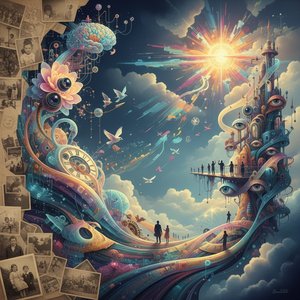
Transformando Memórias em Sonhos: A Estética Surrealista e o Potencial da Inteligência Artificial na Reinterpretação Fotográfica
Transforme suas fotos em obras de arte surrealistas únicas com a ArtsDot! Artistas talentosos e IA para reproduções personalizadas de alta qualidade. Crie um legado visual atemporal.


A Alma em Cada Pincelada: Um Legado de Arte e Memórias para Sua Família
Transforme suas memórias em arte atemporal com ArtsDot! Reproduções fiéis e retratos personalizados feitos por artistas experientes. Crie um legado familiar duradouro e decore sua casa com obras de arte únicas e de alta qualidade.

The Enduring Portrait of Kinship: Family Representations Across Art History
Explore the rich history of family portraiture through art! Discover masterpieces from across centuries & learn how artists captured kinship, intimacy, and societal values. Expert insights for collectors & enthusiasts.

F.A.Q.: Retratos de Família – Um Guia para Colecionadores Exigentes
Descubra como encomendar um retrato de família exclusivo com a . Artistas renomados, qualidade museológica e consultoria personalizada para colecionadores exigentes.

Da Selfie ao Retrato de Estúdio: Uma Transformação Moderna na Pintura a Óleo
Descubra a arte de transformar memórias em retratos a óleo personalizados e reproduções de alta qualidade. Artistas experientes, técnicas clássicas e investimento seguro para colecionadores exigentes. ArtsDot.com.



