

 Visualizar em escala
 Enviar
 Compartilhar
 Ver detalhes

 Baixar
 Semelhantes
 Raio X
 Apresentação de slides
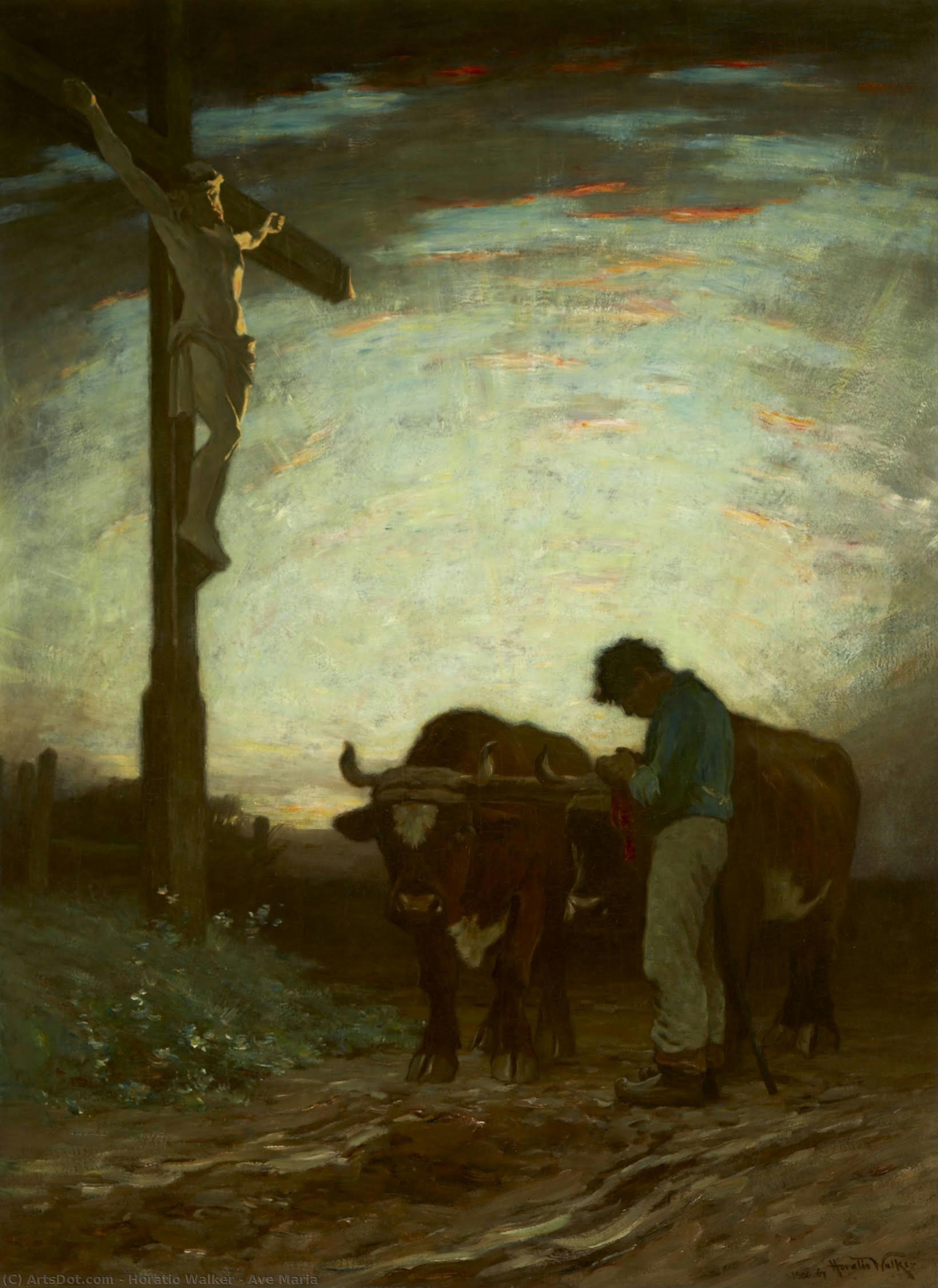
Ave Maria


 Ver mais
Giclée / Impressão de Arte
Impressão giclée ou em tela de qualidade de museu, com produção rápida e opções flexíveis de acabamento. ( Encomendar reprodução pintada à mão Comprar imagem em alta resolução)




P118B $10

P118H $10

P118W $10

P438Z $10

P508JH $12

P508YH $12

P805H $10

P805Z $10

P919BZ $10

P919G $10

P919XJ $10

P959ZH $10

P968JZ $12

W106C $8

W218G $10

W218JH $8

W218Y $10

W307PJ $10

W316G $10

W316PJ $8

W316Y $10

W398PJ $8

W4111J $10

W500HY $15

W500JH $15

W692G $12

W849H $8

W940BG $15

W953PJ $8




Escolha entre os nossos tamanhos pré-definidos que respeitam as proporções originais da obra de arte.

Você pode inserir suas próprias dimensões para se ajustar a uma moldura ou espaço específico. Se o tamanho selecionado não corresponder às proporções da imagem original, iremos recortar a obra de arte ou estender a imagem com uma borda espelhada ou preenchimento sólido. Um mockup digital será enviado para sua aprovação antes do início da produção.
Por favor, observe que a visualização na tela não reflete o recorte ou a extensão real. Apenas o mockup mostrará com precisão a composição final.
Embora tamanhos personalizados estejam disponíveis, recomendamos selecionar uma dimensão da lista predefinida para preservar as proporções originais.
Entrega mundial () em 2 semanas, em vez das 4/5 semanas padrão. (17 Agosto)

Envio Expresso Gratuito para todo o Mundo

Tela de Linho Premium

Seguro de transporte total

Garantia de Reembolso de Impostos Alfandegários

Garantia de Fidelidade de Cor

Política de Devolução de 60 Dias (Apenas para Defeitos)

Garantia de reembolso de 100%

Desconto para múltiplas unidades
 A opção de vidro está disponível apenas para tamanhos inferiores a 110 cm

Ave Maria
Giclée / Impressão de Arte
Dimensões da Reprodução
-


Preço Total
$ 62
Descrição do Item
Horatio Walker e o Espírito Religioso de “Ave Maria”: Uma Jornada pela Barbizon Canadense
Horatio Walker (1858-1938) emergiu da humildade de Listowel, Ontário, onde as sementes do talento artístico foram cuidadosamente cultivadas. Seus pais, Thomas e Jeanne Maurice Walker, inculcaram o valor da educação e da expressão criativa que moldaram profundamente seu caminho na vida. Embora seu pai perseguisse diversas profissões – marceneiro, comércio de madeira e até mesmo esculturas –, ele consistentemente incentivou o talento artístico precoce de Horatio, despertado por uma primeira exposição à beleza rural do Quebec. Essa experiência inicial inflamou uma fascinação permanente pela vida campesina canadense e pelas paisagens pitorescas da região francocanadense. Em 1873, Walker se mudou para Toronto, iniciando um aprendizado na renomada Notman & Fraser fotográfica, onde adquiriu habilidades técnicas essenciais para o desenvolvimento de sua carreira artística.- Estilo Barbizon: Walker encontrou inspiração no movimento Barbizon francês, caracterizado pela pintura ao ar livre e pela representação realista da natureza, buscando capturar a luz e as sombras em cenas cotidianas do campo.
- Técnica Óleo Sobre Tela: Sua maestria técnica se manifestou na aplicação cuidadosa da tinta óleo sobre tela, utilizando camadas finas para criar profundidade e textura, buscando transmitir emoções genuínas através das cores e formas.
- Tema Religioso: “Ave Maria”, como obra central de sua produção artística, reflete a profunda influência religiosa em Walker, expressando o espírito contemplativo da fé católica em uma composição que combina elementos simbólicos e técnicas inovadoras.
- Influência Barbizon: O movimento Barbizon exerceu uma influência significativa sobre Walker, inspirando-o a utilizar técnicas inovadoras para representar paisagens rurais com realismo e beleza estética.
- Simbolismo Religioso: A cruz e o homem são elementos simbólicos importantes na composição da pintura, representando a fé cristã e buscando transmitir mensagens espirituais profundas ao espectador.
- Expressão Emocional: Walker buscava capturar emoções genuínas através das cores e formas utilizadas na pintura, criando uma obra que convida à contemplação e à reflexão sobre temas religiosos universais.
Obras Relacionadas


Biografia do Artista
Early Life and Artistic Foundations
Horatio Walker, born in Listowel, Upper Canada, in 1858, emerged from a modest background where the seeds of artistic inclination were nonetheless carefully nurtured. His parents, Thomas and Jeanne Maurice Walker, instilled a value for education and creative expression that would profoundly shape his life’s path. Though his father pursued various trades – cabinetmaking, timber trading, and even dabbling in sculpture – he consistently encouraged young Horatio's burgeoning talent for drawing. Early trips with his father to the Quebec City region introduced him to Île d’Orléans, a landscape that would become inextricably linked with his artistic identity. This initial exposure sparked a lifelong fascination with rural life and the picturesque beauty of the Canadian countryside. In 1873, Walker moved to Toronto, beginning an apprenticeship at the renowned Notman & Fraser photographic studio. This formative experience proved invaluable, providing him not only with technical skills in composition and lighting but also exposing him to a vibrant artistic milieu. It was here he studied under Robert Ford Gagen and John Arthur Fraser, honing his abilities in watercolour and miniature portraiture.European Influences and the Shaping of a Style
Driven by an ambition to refine his skills and broaden his artistic horizons, Walker embarked on a journey to Europe in 1876. He immersed himself in the art world of France, studying the works of both the Barbizon painters and the emerging Impressionists. The Barbizon school’s emphasis on realism, their dedication to depicting rural scenes with honesty and sensitivity, resonated deeply with Walker's own artistic sensibilities. Simultaneously, he absorbed elements of Impressionist technique, particularly their innovative use of light and color, which began to subtly infuse his work. This period was crucial in solidifying his aesthetic direction, blending a commitment to realistic representation with an increasingly nuanced understanding of atmospheric effects. Upon returning to North America, Walker actively sought connection within the artistic community, joining organizations like the American Watercolor Society, fostering opportunities for exhibition and collaboration. His marriage to Jeanette Pretty in 1883 marked a period of personal stability, allowing him to further dedicate himself to his craft.Mature Period: Capturing the Essence of Rural Canada
The years following 1883 witnessed the full flowering of Walker’s distinctive style. He developed a remarkable ability to capture the beauty and tranquility of the Canadian landscape, particularly the agrarian scenes of Quebec. His paintings are characterized by meticulous attention to detail, a soft and harmonious color palette, and a profound sense of atmosphere. The influence of his early photographic training is evident in the carefully composed arrangements and sharp focus found in many of his works. However, it was his deep connection to Île d’Orléans that truly defined his artistic vision. He purchased a home there in 1888, establishing a permanent base from which to observe and document the rhythms of rural life. Walker's paintings weren’t merely depictions of scenery; they were celebrations of a way of life – the hard work, the quiet dignity, and the enduring connection between people and the land. His success grew steadily, with exhibitions throughout North America and Europe garnering critical acclaim and numerous awards. A significant milestone arrived in 1913 when he was elected a full member of the Royal Canadian Academy, solidifying his position as one of Canada’s leading artists.Legacy and Historical Significance
In 1928, Horatio Walker retired to Sainte-Pétronille, Quebec, but even in retirement, he continued to paint occasionally, remaining an active participant in the art community until his death in 1938. Though his fame waned somewhat after his passing, particularly during the shifts in artistic taste that followed the Quiet Revolution in Quebec, a renewed appreciation for his work emerged in recent decades. Walker is now recognized as a pivotal figure in Canadian art history – a master of landscape painting who captured the essence of rural Canada with unparalleled sensitivity and skill. He bridged the gap between European traditions like the Barbizon school and a uniquely Canadian artistic vision. His paintings offer not only beautiful depictions of the natural world but also valuable insights into the social and cultural life of French-Canadian communities in the late 19th and early 20th centuries. Oxen Drinking and Ploughing – The First Gleam, remain iconic representations of his artistic achievement, testaments to a talent that continues to resonate with audiences today. He is remembered as “the herald of Île d’Orléans,” an artist who dedicated his life to celebrating the beauty and dignity of rural Canada.
Horatio Walker
1858 - 1938 , Canada
Informações Rápidas
- Artistic Movement Or Style: Barbizon School, Realism
- Artists Or Movements Influenced By This Artist: Canadian landscape painting
- Artists Who Influenced This Artist:
- Barbizon painters
- Jean-François Millet
- Gainsborough
- Constable
- Date Of Birth: May 12, 1858
- Date Of Death: September 27, 1938
- Full Name: Horatio Walker
- Nationality: Canadian
- Notable Artworks:
- Sheepyard, Moonlight
- Ave Maria
- Oxen Drinking
- Ploughing—The First Gleam
- Place Of Birth: Listowel, Canada
Artigos Relacionados

George Agnew Reid: A Canadian Impressionist's Pursuit of Light, Colour, and National Identity
Explore the life & work of George Agnew Reid, a pivotal figure in Canadian Impressionism. Discover his genre paintings, mural commissions, and lasting influence on art education & national identity. A comprehensive guide for collectors & enthusiasts.

The Barbizon School: Pioneering Realism & the Pastoral Vision in 19th-Century French Painting
Explore the Barbizon School's pivotal role in 19th-century French painting. Discover how these artists revolutionized landscape art with their commitment to Realism and a profound connection to nature. Learn about key figures like Rousseau, Millet & Corot.

Arthur Lismer: A Pioneer of Canadian Modernism & the Group of Seven's Visionary Spirit
Explore the life & art of Arthur Lismer, a pivotal figure in Canadian Modernism and founding member of the Group of Seven. Discover his landscapes, teaching legacy & lasting influence on Canadian art history.

Echoes of Rural Life: Art's Enduring Representations of the Countryside
Explore the rich history of rural life in art! Discover masterpieces from Millet to Mauve & beyond. Learn about Realism, Barbizon School & find inspiration for your home with ArtsDot.

The Hague School: Realism, Atmosphere & the Dawn of Dutch Impressionism
Explore the Hague School's pivotal role in Dutch art history. Discover realism, atmospheric landscapes & its influence on Impressionism. Learn about key artists like Mauve & Maris with ArtsDot.


