


 Visualizar em escala
 Enviar
 Compartilhar
 Ver detalhes
 Guia de Obras do Aluno

 Baixar imagem
 Semelhantes
 Raio X
 Apresentação de slides
 Estatísticas
Cloud Shadows
 Impressionism
 61.0 x 82.0 cm
 Pallant House Gallery
 Ver mais
A obra de arte exibida nesta página é protegida por leis de direitos autorais, o que significa que não podemos criar ou vender legalmente uma reprodução idêntica. Esta proteção é aplicada por meio de acordos internacionais, tais como a Convenção de Berna e pelas leis nacionais, incluindo as estabelecidas por Lei de Direitos Autorais dos EUA - Título 17.
Como uma alternativa respeitosa e legal, oferecemos obras de arte personalizadas e pintadas à mão, inspiradas na obra original. Nossos artistas profissionais e experientes estudam cuidadosamente o estilo, a atmosfera e a essência artística da obra original para criar uma peça nova e única que evoque a mesma sensação — permanecendo como uma criação original por direito próprio.
Este método cumpre plenamente as regulamentações de direitos autorais, pois não envolve a cópia ou duplicação da obra protegida. Em vez disso, trata-se de uma reinterpretação criativa — uma nova pintura que é influenciada pela original, mas não idêntica a ela.
Reprodução em Óleo Feita à Mão
Óleo sobre tela pintado à mão no tamanho e moldura de sua escolha, feito sob encomenda pelos nossos artistas. ( Alternar para Impressão Ver Imagem Digital)




































Escolha entre os nossos tamanhos pré-definidos que respeitam as proporções originais da obra de arte.

Digite a largura e a altura de que necessita, para se ajustar à sua moldura ou à sua parede. Esta obra é pintada à mão, por isso, para um tamanho com uma proporção diferente, o artista pode pintar um pouco mais ao redor da imagem ou cortar um pouco — você escolhe. Enviamos-lhe uma maquete digital para aprovação antes de a pintura começar. A imagem exibida nesta página não mostra o resultado real — apenas a maquete mostra.
Após o pedido, a equipa ArtsDot.com enviará um e-mail ao cliente para solicitar instruções e fornecer uma prévia do esboço.
Entrega mundial () em 3 a 4 semanas, em vez das 5 semanas padrão. (24 Outubro). Sem comprometer a qualidade.

Envio expresso gratuito para todo o mundo

Tela de Linho Premium

Seguro de transporte total

Garantia de Reembolso de Impostos Alfandegários

Garantia de Fidelidade de Cor

Política de Devolução em 100 Dias (Apenas para Defeitos)

Garantia de reembolso de 100%

Desconto para múltiplas unidades
 A opção de vidro está disponível apenas para tamanhos inferiores a 110 cm

Cloud Shadows
Técnica de Reprodução
Dimensões da Reprodução
-


Preço Total
€ 231
Obras Relacionadas


Biografia do Artista
A Life Forged in the Fires of Change
Born in Frankfurt am Main, Hans Feibusch’s early years were a tapestry of artistic awakening and historical upheaval. The son of a dental surgeon and an amateur painter, his creative spirit was nurtured by the delicate brushstrokes of his mother and the rigorous academic training he received under Karl Hofer at the Berlin University of the Arts. His youth, however, was not merely one of quiet study; the shadows of World War I loomed large as he served on the Russian front, an experience that would forever color his understanding of human resilience and the fragility of existence. In the vibrant, pre-war atmosphere of Germany and later Paris, Feibusch absorbed the rhythmic energy of Expressionism and the daring palettes of Fauvism, honing a style that balanced meticulous realism with a profound, emotive intensity.
From Exile to the Sacred Walls of England
The ascent of Nazism in 1933 forced a dramatic and painful redirection of Feibusch’s destiny. Driven by the necessity to protect his family, he fled Germany for England, carrying with him the weight of displacement and the richness of his Jewish heritage. It was within this new, often uncertain landscape that Feibusch found his most enduring calling: the transformation of Anglican sacred spaces. He did not merely decorate; he breathed life into stone and mortar. Through a series of monumental murals spanning nearly thirty churches across England, he wove together themes of faith, suffering, and transcendence. His work in places like Ely Cathedral stands as a testament to an artist who could bridge the gap between his ancestral traditions and the liturgical heart of the Church of England, creating a visual language that was both deeply personal and universally spiritual.
The Eternal Dance of Color and Spirit
Feibusch’s oeuvre is characterized by a breathtaking vitality, where color serves as a primary vessel for emotion. Whether capturing the sun-drenched landscapes of Sicily in Taormina, Sicily or the rhythmic ecstasy of human connection in his 1950 masterpiece The Dance, his brushwork remains unapologetically expressive. His mastery lies in the ability to evoke the sublime through several key elements:
- Bold Chromaticism: The use of vibrant, often clashing hues that command attention and stir the soul.
- Dynamic Motion: A sense of rhythmic vitality that makes even a static mural feel alive with movement.
- Symbolic Depth: An intricate layering of Jewish cultural motifs and Christian iconography.
As we look back upon his century-long journey, Feibusch remains a singular figure—a painter who turned the trauma of exile into a legacy of light, leaving behind a trail of sacred beauty that continues to inspire awe in all who enter his painted sanctuaries.

Hans Feibusch
1898 - 1998
Informações Rápidas
- Artistic Movement Or Style: Expressionist Color
- Artists Or Movements Influenced By This Artist:
- Jankel Adler
- Marc Chagall
- Artists Who Influenced This Artist:
- Rudolf Hofer
- Andre Lhote
- Date Of Birth: 1898
- Date Of Death: 1998
- Full Name: Hans Nathan Feibusch
- Nationality: German
- Notable Artworks:
- Taormina, Sicily
- Narcissus
- Wooded Landscape
- Place Of Birth: Frankfurt am Main, Germany
Artigos Relacionados

Evocations of Place: A Historical Journey Through Landscape Art
Explore the rich history of landscape art with ArtsDot. Discover renowned artists, movements like Impressionism & tonalism, and expert guidance for collecting timeless pieces. Find your perfect serene escape today!

Evocations of Place: A Historical Journey Through Landscape Art
Explore the rich history of landscape art with ArtsDot. Discover renowned artists, movements like Impressionism & Romanticism, and expert guidance for collecting timeless pieces. Find your perfect serene escape today!

Os 10 Mestres da Paisagem Romântica: Arte para Inspirar a Sua Casa
Descubra os 10 quadros mais emblemáticos da Paisagem Romântica! Explore a história de Turner, Friedrich e outros mestres. Encontre reproduções de arte exclusivas para inspirar sua decoração em ArtsDot.com.
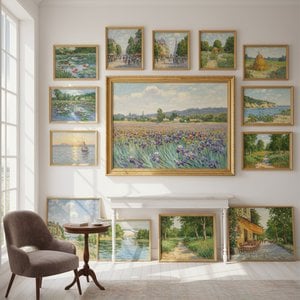
Paisagens Impressionistas Icônicas: 10 Obras que Mudaram a Arte | ArtsDot
Descubra as 10 obras impressionistas que revolucionaram a arte! Explore Monet, Renoir e outros mestres da paisagem. Encontre reproduções de alta qualidade para decorar sua casa com a beleza do Impressionismo em ArtsDot.com.

Os 10 Mestres do Impressionismo e a Paisagem que Mudou a Arte | ArtsDot
Descubra os 10 quadros impressionistas que revolucionaram a arte! Explore Monet, Renoir e outros mestres da paisagem francesa. Encontre reproduções de alta qualidade para decorar sua casa com beleza e história em ArtsDot.com.