


A imagem segue as suas escolhas: , .
Descrição do Item
Discover 'untitled (8874)', a captivating Symbolist artwork by Gustave Moreau. Featuring mythic themes, intricate details, and rich colors, this hand-painted reproduction captures drama, mysticism, and artistic elegance.
 Ler mais
Biografia do Artista
Explore a obra singular de Gustave Moreau (1826-1898), mestre do simbolismo francês! Mitologia, religião e sonhos em pinturas exuberantes e enigmáticas. Influenciou Matisse & Rouault.
Reprodução em Óleo Feita à Mão
Óleo sobre tela pintado à mão no tamanho e moldura de sua escolha, feito sob encomenda pelos nossos artistas. ( Alternar para Impressão Alternar para Imagem Digital)
Saiba mais sobre esta pintura
 Visualizar na parede
 Compartilhar
 Compartilhar
 Detalhes
 Guia
Guia

 Baixar imagem
 Semelhantes
 Raio X
 Ver diaporama
 Perguntas e Respostas
 Estatísticas
Encomende a sua pintura em quatro passos simples
Não tenha pressa. Você pode alterar qualquer resposta; o preço no seu carrinho de compras será atualizado conforme cada escolha.
1 Passo um de quatro
Qual tamanho você gostaria?
Estes tamanhos mantêm as proporções da pintura original. A ilustração mostra a sua escolha numa parede, acima de um sofá de dois metros.
Ou informe suas próprias medidas
Escolha entre os nossos tamanhos pré-definidos que respeitam as proporções originais da obra de arte.

Insira a largura e a altura desejadas para se ajustarem à sua moldura ou parede. Como esta obra é pintada à mão, para um tamanho com proporções diferentes, o artista poderá pintar um pouco mais ao redor da imagem ou reduzir ligeiramente a composição — você escolhe. Enviamos uma maquete digital para sua aprovação antes de iniciar a pintura. A imagem exibida nesta página não representa o resultado real — apenas a maquete mostra o resultado final.
2 Passo dois de quatro
Como deve ser preparado: enrolado, esticado ou emoldurado?
Os preços abaixo referem-se ao tamanho escolhido na primeira etapa.
Escolha as bordas da tela esticada
Escolha sua moldura

Branco €1

Bordas esfumaçadas €1

Bordas estendidas €1

P118B €10

P118H €10

P118W €10

P438Z €10

P508JH €12

P508YH €12

P805H €10

P805Z €10

P919BZ €10

P919G €10

P919XJ €10

P959ZH €10

P968JZ €12

W106C €8

W218G €10

W218JH €8

W218Y €10

W307PJ €10

W316G €10

W316PJ €8

W316Y €10

W398PJ €8

W4111J €10

W500HY €15

W500JH €15

W692G €12

W849H €8

W940BG €15

W953PJ €8

H24-GOLD €30

H24-SILVER €30

H36-GOLD €45

H36-SILVER €45
Com moldura
Moldura: . Dimensões totais com a moldura: .
3 Passo três de quatro
Gostaria de alterar algo na pintura?
A maioria das pessoas responde que não. Como cada pintura é feita à mão, nosso artista também pode adaptá-la para você.
Após o pedido, a equipe da ArtsDot.com enviará um e-mail ao cliente para instruções e fornecerá uma prévia da montagem
4 Passo quatro de quatro
Algumas opções de acabamento
Todos eles são opcionais. As respostas já selecionadas não têm custo adicional.
Quem o pintou?
Entrega mundial () em 3 a 4 semanas, em vez das 5 semanas padrão. (8 Novembro). Sem comprometer a qualidade.
Uma placa de identificação, como em um museu?
Detalhes da Placa de Bronze Gravada
This elegant plaque features the artist's name and the title of the artwork, finely engraved for a timeless presentation.
It is made from bronze with a refined, elegant finish. The text is precisely laser-engraved for a sharp and permanent result. Measuring 9x2 cm, the plaque is compact yet easy to read. It's built to be durable and scratch-resistant, offering a professional, museum-quality look. Mounting is simple thanks to the included adhesive backing.
Detalhes da Placa de Acrílico Transparente
The plaque includes essential engraved details such as the artist's name, the title of the artwork, the date it was created, the type of media used-like oil on canvas or watercolor-a brief description of the piece, and a QR code that links to the complete artwork information.
It is crafted from clear acrylic, offering a sleek, modern appearance. The text is UV-engraved in black to ensure strong visual contrast. With a size of 10x15 cm, it ensures optimal readability. It comes equipped with two metal hooks for secure wall mounting. The plaque is designed to be weather-resistant, making it suitable for various environments, and it includes interactive features that work seamlessly with smartphone scanning.
Detalhes da Placa de Acrílico Preto
This elegant plaque includes engraved information such as the artist's name, the title of the artwork, the date it was created, the type of media used (like oil on canvas or watercolor), a short description of the artwork, and a QR code for quick access to more information.
The plaque itself is made from refined black acrylic with a premium finish. The text is laser-engraved in white for high contrast and readability. Its size is 10x15 cm, designed to be easy to read. It comes with two metal hooks for professional mounting. The design is sleek and fits any interior style. It is also weather-resistant and durable, with built-in digital integration for mobile compatibility.
Um verniz protetor?
Para quando você precisa?
✓ Verifique e peça
A sua pintura, conforme encomendada

untitled (8874)
Técnica de Reprodução
Tamanho da Reprodução
-

Artista Sênior de Elite
Mais detalhes, refinamento e tempo de produção adicional
-

Moldura para Reprodução
-
-
Para obras de arte ou reproduções com mais de 105 cm (aproximadamente 41 polegadas) em qualquer um dos lados, a moldura será enviada como um kit desmontado. Este método garante uma entrega segura e evita danos durante o transporte.
Montagem profissional necessária — este não é um produto DIY (faça você mesmo).
O kit deve ser montado e a tela esticada por um profissional de molduraria experiente, utilizando cola de madeira (não inclusa), um alicate de esticar tela e grampos para manter as travessas alinhadas enquanto a cola seca. A montagem incorreta ou a tensão desigual da tela podem danificar permanentemente a obra de arte e não estão cobertas pela nossa garantia.
 Para obras de arte ou reproduções com mais de 105 cm (aproximadamente 41 polegadas) em qualquer um dos lados, a moldura será enviada como um kit desmontado. Este método garante uma entrega segura e evita danos durante o transporte.
Todas as barras de madeira maciça estão incluídas, precisamente cortadas ao tamanho certo.
Montado com os parafusos fornecidos, além de cola para madeira para as junções dos cantos, que não está inclusa e deve ser providenciada pelo seu moldurista.
São necessárias ferramentas profissionais não incluídas: um alicate de estiramento de tela (esticador) e grampos para manter as ripas alinhadas enquanto a cola seca.
Importante:
As junções dos cantos requerem cola para madeira, as ripas devem ser mantidas com grampos até que a cola esteja completamente seca, e o estiramento da tela na moldura montada requer um alicate de esticar tela. Nenhum destes itens está incluído no kit. Por favor, certifique-se de contar com um profissional de molduraria experiente antes de encomendar este tamanho.

Etiqueta de identificação
-
-

Verniz de Proteção
Verniz brilhante (realça as cores e protege contra a luz e a umidade)
-

Personalizar minha obra
Exemplos de alterações possíveis: Substituir o rosto por uma foto do cliente; Adicionar um animal de estimação (ex.: substituir gato por cachorro); Incluir uma mensagem oculta no fundo; Alterar a paisagem ou os elementos do fundo.
-

Urgente
Entrega mundial () em 3 a 4 semanas, em vez das 5 semanas padrão. (8 Novembro). Sem comprometer a qualidade.
-
Envio Expresso
Entrega mundial para em 5 semanas. (15 Novembro).
Com envio incluído
Preço Total
€ 235
A opção de vidro está disponível apenas para tamanhos inferiores a 110 cm
Incluído em todos os pedidos
- Envio expresso gratuito para todo o mundo
- Tela de Linho de Alta Qualidade
- Seguro de transporte completo
- Garantia de Reembolso de Impostos Alfandegários
- Garantia de Fidelidade Cromática
- Política de Devolução em 100 Dias (Apenas para Defeitos)
- Garantia de reembolso de 100%
- Oferta de desconto por quantidade


Captivating Subject and Mythic Inspiration
This striking artwork depicts a regal, mythic figure perched atop a rugged rocky outcrop, embodying themes of strength, transcendence, and divine aspiration. Dressed in an elaborate, ornate costume, the figure exudes nobility and mysticism, suggesting a hero or deity from legend. The commanding pose and elevated position evoke a sense of reverence and awe, inviting viewers into a world where human ambition meets divine symbolism. The background, with its soft, pastel sky and distant birds, enhances the scene’s sense of vastness and spiritual elevation, making it a compelling centerpiece for any space seeking a touch of mythic grandeur.Distinctive Style and Artistic Technique
This work exemplifies a masterful blend of realism and decorative symbolism characteristic of the Symbolist movement. The artist employs layered brushwork, combining meticulous detailing in the costume and facial features with more expressive, loose strokes in the landscape and sky. The use of rich, vibrant colors—deep reds, luminous golds, and serene blues—creates a luminous, almost otherworldly atmosphere. The textured surfaces, from the smoothness of the sky to the roughness of the rocks, add tactile depth, inviting viewers to explore the intricate details and painterly richness. The composition’s careful management of perspective and light enhances the three-dimensionality of the figure, making it a dynamic and immersive visual experience.Historical Context and Artistic Significance
Created during the late 19th century, this piece reflects the Symbolist movement’s fascination with myth, allegory, and the exploration of the human psyche. Gustave Moreau, a pioneering figure in this genre, sought to elevate mythological and spiritual themes beyond mere storytelling, infusing them with personal symbolism and emotional depth. His work often features intricate patterns and symbolic motifs that evoke a sense of mystery and transcendence. As a leading artist of the Symbolist movement, Moreau’s paintings challenged conventional realism, emphasizing mood, imagination, and spiritual insight—qualities that continue to resonate with contemporary viewers and collectors.Symbolism and Emotional Impact
The artwork’s rich symbolism and dramatic composition evoke a profound emotional response. The figure’s regal attire and commanding stance symbolize nobility, aspiration, and divine connection, inspiring feelings of reverence and contemplation. The sunset hues and mystical atmosphere evoke a sense of transition—dawn or dusk—symbolizing transformation, hope, and the eternal quest for enlightenment. This piece invites viewers to reflect on their own aspirations and spiritual journeys, making it a powerful addition to any collection or interior design that seeks to inspire and elevate the human spirit.Perfect for Collectors and Interior Spaces
Ideal for art lovers, collectors, and interior designers, this high-quality reproduction captures the intricate details and luminous colors of the original masterpiece. Its timeless subject matter and symbolic richness make it a versatile focal point in both classical and contemporary interiors. Whether displayed in a private collection, a sophisticated office, or a stylish living room, this artwork offers a captivating visual narrative that sparks curiosity and admiration. Its enduring beauty and profound symbolism make it a treasured piece that elevates any environment with its mythic allure and artistic mastery.Perguntas e Respostas
A que período da carreira de Gustave Moreau pertence "untitled (8874)"?
Dentro da trajetória de Gustave Moreau, "untitled (8874)" pertence ao período Mature Period. Esta fase permite compará-la com outras obras do artista.
Onde se recomenda exibir o formato Portrait de "untitled (8874)"?
O formato (Portrait) e o ambiente recomendado (Living Room) são as duas informações de posicionamento registradas para "untitled (8874)", de Gustave Moreau.
Como "untitled (8874)" se insere na trajetória artística de Gustave Moreau?
Na produção de Gustave Moreau, "untitled (8874)" insere-se no estilo Symbolist Movement, acompanhando os temas de romantic symbolism, biblical myth, spiritual depth, artist vision, decorative art.
Obras Relacionadas


Gustave Moreau
1826 - 1898, França
Biografia do Artista
A Dream Weaver of Symbolism: The Life and Art of Gustave Moreau
Gustave Moreau, a name inextricably linked to the ethereal beauty and profound mysteries of Symbolist painting, emerged from 19th-century Paris as an artist utterly distinct in his vision. Born in 1826 into a comfortable bourgeois family—his father an architect and archivist—Moreau’s early life was steeped in intellectual curiosity and a deep appreciation for aesthetics. From a remarkably young age, he displayed a prodigious talent for drawing, nurtured through the rigorous training of the École des Beaux-Arts under masters like François-Édouard Picot. However, Moreau's artistic trajectory swiftly diverged from the prevailing Realist and Impressionist currents of his time. He wasn’t driven by a desire to capture fleeting moments or represent objective reality; instead, he sought to unlock the hidden realms of myth, religion, and the intricate workings of the human psyche through a deeply personal and symbolic visual language. His journey was one of inward exploration, translating subjective emotions and spiritual yearnings onto canvas with an almost obsessive attention to detail and a palette often rich in vibrant, unexpected hues.The Forge of Imagination: Influences and Artistic Development
Moreau’s artistic development wasn't forged in isolation. While consciously rejecting the dominant trends of his era, he drew inspiration from a remarkably diverse range of sources. The dramatic use of color and exotic subject matter found in the works of Eugène Delacroix ignited within him a passionate interest in narrative painting imbued with intense emotionality. He held Renaissance masters—Michelangelo and Leonardo da Vinci, in particular—in high regard, deeply admiring their mastery of composition, anatomical precision, and their remarkable ability to penetrate the complexities of human psychology. Yet, Moreau wasn’t merely imitating these giants; he was skillfully synthesizing their influences into something entirely new, a distinctly personal style. His pivotal journey to Italy during the 1850s proved transformative, immersing him in the art of antiquity and the Renaissance. This experience provided an unparalleled wealth of motifs and stylistic cues that would subsequently populate his paintings—a treasure trove of imagery he meticulously studied and absorbed. He undertook countless copies of Old Master works, not as mere reproductions, but as a means of understanding their techniques and unlocking the secrets behind their enduring power. This dedication to meticulous study, combined with an increasingly fervent interest in mythology and literature, formed the bedrock of his unique artistic vision.A World of Symbols: Themes and Techniques
Moreau’s paintings are not simply illustrations of myths or biblical stories; they are complex allegories designed to provoke contemplation and interpretation. He didn't aim to retell these narratives literally but rather to explore their underlying psychological and spiritual truths. His canvases are often teeming with symbolic imagery—serpents representing temptation, jewels signifying earthly desires, and figures embodying abstract concepts such as grief, loss, or redemption. He masterfully created an atmosphere of dreaminess through intricate detail, rich textures, and a frequently unsettling juxtaposition of light and shadow. Moreau’s technique was characterized by a deliberate layering of paint—a painstaking process that resulted in surfaces shimmering with iridescent colors and evoking a sense of otherworldly beauty. His skillful use of gold leaf further enhanced this effect, lending his works a Byzantine quality that underscored their spiritual dimension. Crucially, Moreau wasn't concerned with capturing realistic textures or perspectives; instead, he prioritized the expressive power of color and form to convey mood and meaning—a deliberate departure from conventional artistic practices.Notable Works and Lasting Legacy
Throughout his prolific career, Gustave Moreau produced a remarkable body of work, including iconic paintings such as *Salome Dancing before Herod*, *Jupiter and Semele*, *Orpheus*, *The Apparition*, and *Desdemona*. *Salome Dancing before Herod*, perhaps his most celebrated painting, exemplifies his opulent style and enduring fascination with biblical narratives. *Jupiter and Semele* showcases his masterful command of composition and color, while *Orpheus* explores the themes of loss and artistic inspiration through multiple iterations. Moreau’s influence extended far beyond his own lifetime. He accepted a professorship at the École des Beaux-Arts in 1893, where he profoundly impacted generations of artists, including Henri Matisse and Georges Rouault, encouraging them to embrace imagination, symbolism, and individual expression. Despite initially facing mixed reactions from critics, Moreau’s work gained increasing recognition in the decades following his death in 1898, culminating in the establishment of the Musée Gustave Moreau in Paris—a dedicated space for showcasing his extraordinary artistic legacy. Today, Gustave Moreau is widely regarded as a pivotal figure in the Symbolist movement and a significant precursor to modern art, his paintings continuing to captivate audiences with their evocative beauty and profound psychological depth.


Artigos Relacionados

The Ethereal Realm on Canvas: Exploring Themes of Fantasy & Imagination in Art History
Explore the captivating world of fantasy & surreal art history with ArtsDot. Discover iconic artists like De Chirico & Moreau, and expert guidance for collecting timeless masterpieces. Find your dream artwork today!
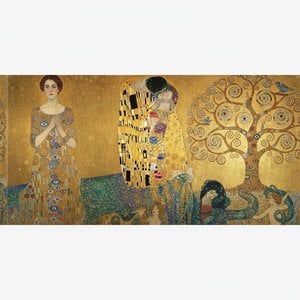
Gustav Klimt: As 25 Obras-Primas que Definem um Ícone da Arte e Decoração
Descubra as 25 obras-primas de Gustav Klimt, ícone da Secession Vienense e do Art Nouveau. Explore a beleza dourada, o simbolismo e a paixão em cada pintura. Encontre reproduções de arte exclusivas para decorar sua casa com elegância na ArtsDot.com!

Echoes of Olympus: Mythological Narratives in Western Art Through the Ages
Explore the captivating history of mythological narratives in Western art! From ancient Greece to modern masterpieces, discover iconic artworks & symbolism. Expert analysis and high-quality reproductions at ArtsDot.