


 Visualizar na parede
 Compartilhar
 Compartilhar
 Detalhes

 Baixar imagem
 Semelhantes
 Raio X
 Slideshow
 Estatísticas
untitled (8569)

 Ler mais
Giclée / Impressão de Arte
Impressão giclée ou em tela de qualidade de museu, com produção rápida e opções flexíveis de acabamento. ( Comprar pintura feita à mão Alternar para Imagem Digital)




P118B $10

P118H $10

P118W $10

P438Z $10

P508JH $12

P508YH $12

P805H $10

P805Z $10

P919BZ $10

P919G $10

P919XJ $10

P959ZH $10

P968JZ $12

W106C $8

W218G $10

W218JH $8

W218Y $10

W307PJ $10

W316G $10

W316PJ $8

W316Y $10

W398PJ $8

W4111J $10

W500HY $15

W500JH $15

W692G $12

W849H $8

W940BG $15

W953PJ $8




Escolha entre os nossos tamanhos pré-definidos que respeitam as proporções originais da obra de arte.

Você pode inserir suas próprias dimensões para se ajustar a uma moldura ou espaço específico. Se o tamanho selecionado não corresponder às proporções da imagem original, iremos recortar a obra de arte ou estender a imagem com uma borda espelhada ou preenchimento sólido. Um mockup digital será enviado para sua aprovação antes do início da produção.
Por favor, observe que a visualização na tela não reflete o recorte ou a extensão real. Apenas o mockup mostrará com precisão a composição final.
Embora tamanhos personalizados estejam disponíveis, recomendamos selecionar uma dimensão da lista predefinida para preservar as proporções originais.
Entrega mundial () em 2 semanas, em vez das 4/5 semanas padrão. (10 Setembro)

Envio expresso gratuito para todo o mundo

Tela de Linho de Alta Qualidade

Seguro de transporte completo

Garantia de Reembolso de Impostos Alfandegários

Garantia de Fidelidade Cromática

Política de Devolução de 100 Dias (Apenas Defeitos)

Garantia de reembolso de 100%

Oferta de desconto por quantidade
 A opção de vidro está disponível apenas para tamanhos inferiores a 110 cm

untitled (8569)
Giclée / Impressão de Arte
Tamanho da Reprodução
-


Preço Total
$ 62
A Visionary Echo of Myth and Ritual
Moreau’s “untitled (8569)” stands as a testament to the profound influence of Symbolism on late 19th-century art, transporting viewers into a realm where visual imagery transcends mere representation to embody deeper spiritual truths. Painted sometime between 1887 and 1890, this enigmatic canvas captures a dramatic tableau—a woman adorned in opulent robes dominates the center, encircled by an array of figures engaged in varied activities that hint at ceremonial processions and martial prowess. The sheer scale of the artwork contributes to its immersive quality, inviting contemplation on themes of power, beauty, and the interplay between earthly desire and divine aspiration.Style and Technique: Embracing Decorative Intensity
Moreau’s artistic approach was fundamentally opposed to the naturalistic tendencies prevalent in his era. He eschewed photographic realism, prioritizing instead a meticulously crafted decorative style characterized by rich color palettes—primarily reds, golds, and blues—and intricate detailing. The artist employed tempera on canvas, a technique known for its luminosity and permanence, allowing him to achieve remarkable textural effects that heighten the visual drama of the scene. Moreau’s meticulous brushwork is evident throughout, layering pigments with painstaking precision to create surfaces replete with shimmering textures and subtle gradations of color—a deliberate strategy designed to evoke an atmosphere of grandeur and mystery.Historical Context: The Symbolist Rebellion
The Symbolist movement arose as a reaction against the materialism and scientific rationalism that dominated Victorian society. Artists like Moreau sought refuge in mythology, folklore, and dream imagery, believing these sources offered access to universal truths beyond the grasp of empirical observation. Influenced by thinkers such as Nietzsche and Wagner—who championed artistic expression as a means of confronting existential anxieties—Moreau’s work aligns with a broader cultural preoccupation with spirituality and psychological exploration. The painting emerged during a period marked by significant social upheaval, including the Franco-Prussian War and growing concerns about industrialization; Moreau's art served as a counterpoint to these developments, reaffirming the importance of imagination and artistic vision.Symbolism Unleashed: Figures and Imagery
The composition itself is laden with symbolic significance. The central woman embodies feminine grace and regal authority, possibly referencing figures from biblical narratives or classical mythology—a deliberate allusion to archetypal themes of motherhood and divine femininity. Surrounding her are musicians, warriors, and attendants, each contributing to the overarching narrative of ritualistic ceremony and martial celebration. Recurring motifs—such as stylized floral arrangements and shimmering draperies—enhance the decorative splendor of the artwork while simultaneously conveying ideas of transcendence and spiritual illumination. The artist’s masterful use of color contributes powerfully to this symbolic resonance, reinforcing the painting's emotional impact.Emotional Resonance: A Dreamlike Atmosphere
Ultimately, “untitled (8569)” succeeds in transporting viewers into a dreamlike atmosphere—one imbued with both beauty and unease. Moreau skillfully manipulates light and shadow to create an illusion of depth and grandeur, drawing inspiration from Byzantine iconography and fostering a sense of contemplative wonder. The painting’s unsettling juxtaposition of figures and its opulent ornamentation evoke feelings of fascination and apprehension, prompting viewers to confront questions about human existence and the mysteries of consciousness. It remains a captivating exemplar of Symbolist art's ability to communicate profound emotional truths through evocative visual imagery—a timeless masterpiece that continues to inspire admiration and contemplation today.Obras Relacionadas


Biografia do Artista
A Dream Weaver of Symbolism: The Life and Art of Gustave Moreau
Gustave Moreau, a name inextricably linked to the ethereal beauty and profound mysteries of Symbolist painting, emerged from 19th-century Paris as an artist utterly distinct in his vision. Born in 1826 into a comfortable bourgeois family—his father an architect and archivist—Moreau’s early life was steeped in intellectual curiosity and a deep appreciation for aesthetics. From a remarkably young age, he displayed a prodigious talent for drawing, nurtured through the rigorous training of the École des Beaux-Arts under masters like François-Édouard Picot. However, Moreau's artistic trajectory swiftly diverged from the prevailing Realist and Impressionist currents of his time. He wasn’t driven by a desire to capture fleeting moments or represent objective reality; instead, he sought to unlock the hidden realms of myth, religion, and the intricate workings of the human psyche through a deeply personal and symbolic visual language. His journey was one of inward exploration, translating subjective emotions and spiritual yearnings onto canvas with an almost obsessive attention to detail and a palette often rich in vibrant, unexpected hues.The Forge of Imagination: Influences and Artistic Development
Moreau’s artistic development wasn't forged in isolation. While consciously rejecting the dominant trends of his era, he drew inspiration from a remarkably diverse range of sources. The dramatic use of color and exotic subject matter found in the works of Eugène Delacroix ignited within him a passionate interest in narrative painting imbued with intense emotionality. He held Renaissance masters—Michelangelo and Leonardo da Vinci, in particular—in high regard, deeply admiring their mastery of composition, anatomical precision, and their remarkable ability to penetrate the complexities of human psychology. Yet, Moreau wasn’t merely imitating these giants; he was skillfully synthesizing their influences into something entirely new, a distinctly personal style. His pivotal journey to Italy during the 1850s proved transformative, immersing him in the art of antiquity and the Renaissance. This experience provided an unparalleled wealth of motifs and stylistic cues that would subsequently populate his paintings—a treasure trove of imagery he meticulously studied and absorbed. He undertook countless copies of Old Master works, not as mere reproductions, but as a means of understanding their techniques and unlocking the secrets behind their enduring power. This dedication to meticulous study, combined with an increasingly fervent interest in mythology and literature, formed the bedrock of his unique artistic vision.A World of Symbols: Themes and Techniques
Moreau’s paintings are not simply illustrations of myths or biblical stories; they are complex allegories designed to provoke contemplation and interpretation. He didn't aim to retell these narratives literally but rather to explore their underlying psychological and spiritual truths. His canvases are often teeming with symbolic imagery—serpents representing temptation, jewels signifying earthly desires, and figures embodying abstract concepts such as grief, loss, or redemption. He masterfully created an atmosphere of dreaminess through intricate detail, rich textures, and a frequently unsettling juxtaposition of light and shadow. Moreau’s technique was characterized by a deliberate layering of paint—a painstaking process that resulted in surfaces shimmering with iridescent colors and evoking a sense of otherworldly beauty. His skillful use of gold leaf further enhanced this effect, lending his works a Byzantine quality that underscored their spiritual dimension. Crucially, Moreau wasn't concerned with capturing realistic textures or perspectives; instead, he prioritized the expressive power of color and form to convey mood and meaning—a deliberate departure from conventional artistic practices.Notable Works and Lasting Legacy
Throughout his prolific career, Gustave Moreau produced a remarkable body of work, including iconic paintings such as *Salome Dancing before Herod*, *Jupiter and Semele*, *Orpheus*, *The Apparition*, and *Desdemona*. *Salome Dancing before Herod*, perhaps his most celebrated painting, exemplifies his opulent style and enduring fascination with biblical narratives. *Jupiter and Semele* showcases his masterful command of composition and color, while *Orpheus* explores the themes of loss and artistic inspiration through multiple iterations. Moreau’s influence extended far beyond his own lifetime. He accepted a professorship at the École des Beaux-Arts in 1893, where he profoundly impacted generations of artists, including Henri Matisse and Georges Rouault, encouraging them to embrace imagination, symbolism, and individual expression. Despite initially facing mixed reactions from critics, Moreau’s work gained increasing recognition in the decades following his death in 1898, culminating in the establishment of the Musée Gustave Moreau in Paris—a dedicated space for showcasing his extraordinary artistic legacy. Today, Gustave Moreau is widely regarded as a pivotal figure in the Symbolist movement and a significant precursor to modern art, his paintings continuing to captivate audiences with their evocative beauty and profound psychological depth.
Gustave Moreau
1826 - 1898 , França
Dados Rápidos
- Artistic Movement Or Style: Simbolismo
- Artists Or Movements Influenced By This Artist:
- Matisse
- Rouault
- Artists Who Influenced This Artist:
- Delacroix
- Michelangelo
- Leonardo
- Date Of Birth: 6 de abril de 1826
- Date Of Death: 18 de abril de 1898
- Full Name: Gustave Moreau
- Nationality: Francês
- Notable Artworks:
- Salomé Dançando
- Júpiter e Semele
- Orfeu
- A Aparição
- Desdemona
- Place Of Birth: Paris, França
Artigos Relacionados

The Enduring Power of Painting: A Historical & Contemporary Exploration of Form and Emotion
Explore the rich history & enduring techniques of oil painting with ArtsDot. Discover masterpieces, learn about art collecting, and find authentic handmade reproductions crafted by skilled artists.

Oil on Canvas: A Historical & Technical Exploration of a Timeless Artistic Medium
Explore the rich history & enduring techniques of oil painting on canvas. Discover the science behind its longevity, conservation practices, and contemporary relevance. Expert insights for art enthusiasts.

Gustave Moreau: Symbolism's Enigmatic Visionary & Precursors of Modern Fantasy Art
Explore the captivating world of Gustave Moreau, the leading Symbolist painter. Discover his iconic masterpieces, influences, and lasting legacy. Expert analysis for collectors & art enthusiasts.
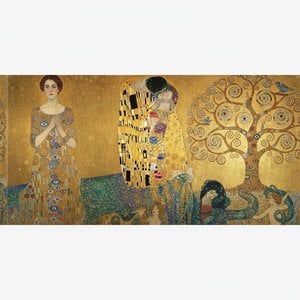
Gustav Klimt: As 25 Obras-Primas que Definem um Ícone da Arte e Decoração
Descubra as 25 obras-primas de Gustav Klimt, ícone da Secession Vienense e do Art Nouveau. Explore a beleza dourada, o simbolismo e a paixão em cada pintura. Encontre reproduções de arte exclusivas para decorar sua casa com elegância na ArtsDot.com!

The Enduring Legacy of Oil on Canvas: Technique, History & Aesthetic Impact
Explore the rich history & techniques of oil painting – from Renaissance masters to Impressionism. Discover pigments, layering methods, and why this timeless medium endures. Expert insights for artists & art enthusiasts.


