
- Início

- Imagem Digital
- Gustave Courbet
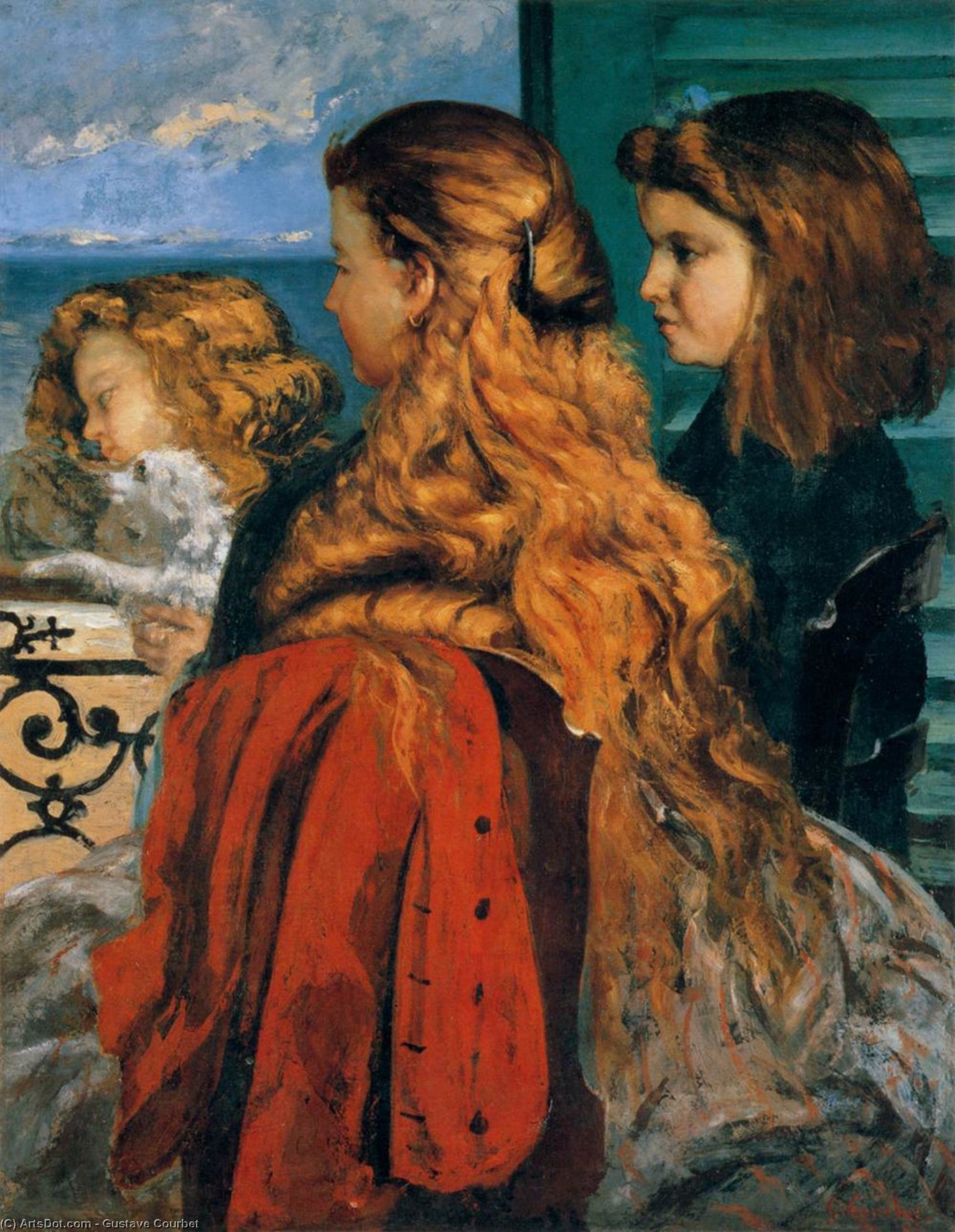
- Três Rapazes Ingleses na Janela
 Comprar impressão Encomendar pintura
 Enviar
 Compartilhar
 Details
 Adicionar aos favoritos

 Baixar
 Semelhantes
 X-Ray
X-Ray
 Slideshow
Três Rapazes Ingleses na Janela
 Óleo
Óleo- Arte de Parede
- Realismo
 1865
1865- Século XIX
 93.0 x 73.0 cm
 Glyptotèque Ny Carlsberg
Adquira uma imagem digital de alta resolução e aprimorada, muito superior à prévia online.
Cada arquivo é meticulosamente preparado por nossos especialistas internos, utilizando ferramentas avançadas e retoques manuais de alta precisão. Garantimos que cada imagem apresente clareza excepcional, fidelidade de cores e detalhes minuciosos.
O arquivo final é entregue por e-mail em até 72 horas, otimizado para uso imediato em ambientes profissionais, editoriais e de impressão. Esta é a mesma qualidade utilizada por estúdios de design de alto nível, editoras e galerias.
 Saiba mais
Imagem Digital
Baixe um arquivo de alta resolução para exibição pessoal, impressão e projetos criativos.
Incluído em cada pedido de imagem digital
Entrega Digital Especializada, Garantida
Ao escolher o ArtsDot.com, você não está apenas recebendo uma imagem — você está recebendo uma obra de arte digital profissionalmente aprimorada, elaborada com precisão e com garantia de satisfação. Aqui está tudo o que acompanha seu pedido, automaticamente:

Entrega rápida por e-mail
O seu arquivo de imagem digital em alta resolução será enviado por e-mail em até 72 horas após o pedido — pronto para uso imediato.

Arquivo Digital com IA
Sua obra de arte é otimizada profissionalmente por meio de ferramentas avançadas de IA e edição manual, garantindo o máximo de detalhes, clareza e precisão de cores.

Reenvio Gratuito Vitalício
Apagou ou perdeu o seu ficheiro acidentalmente? Não se preocupe – nós reenviamos para si a qualquer momento, gratuitamente.

Sem Taxas de Importação - Sempre
Desfrute da sua obra de arte instantaneamente, sem taxas alfandegárias, impostos ou custos de entrega — downloads digitais são sempre isentos de taxas.

Garantia de Precisão de Cores
Garantimos que sua imagem digital reflita as cores originais com a maior fidelidade possível, utilizando ferramentas profissionais e gerenciamento de cores.

Garantia de Satisfação de 60 Dias
Se você não estiver satisfeito com sua imagem digital, nós a revisaremos ou reembolsaremos 100% dentro de 60 dias — sem perguntas.

Garantia de Reembolso 100%
Não está satisfeito? Receba o reembolso total em até 60 dias após o recebimento do seu arquivo digital — sem perguntas.

Descontos para pedidos em lote
Compre 3 imagens, economize 10% - Compre 5, economize 15% - Compre 10+, economize 20%. Ideal para projetos criativos, galerias e agências.
Descrição do Colecionável
Três Meninas Inglesas à Janela: Um Momento de Intimidade no Detalhe Realista
A tela de Gustave Courbet, Três Meninas Inglesas à Janela (1865), transcende a mera representação; é um elaborado cenário de observação silenciosa e sutil comentário social. Instalada atualmente no Ny Carlsberg Glyptotek em Copenhaga, esta pintura a óleo sobre tela oferece um vislumbre cativante do estilo realista característico do artista – uma rejeição deliberada do idealismo romântico em favor de representações honestas da vida cotidiana. Com 93 x 73 cm, a obra convida-nos a permanecer e decifrar as nuances dentro da sua composição aparentemente simples.
A cena desenrola-se com notável clareza: três jovens mulheres estão posicionadas diante de uma janela, os seus olhares direcionados para a vasta vista do oceano além. A disposição não é meramente decorativa; estabelece uma relação dinâmica entre as figuras e o cenário. Duas outras pessoas – um homem à esquerda e outro à direita – são subtilmente integradas ao fundo, sugerindo uma conversa em andamento ou experiência compartilhada. Esta inclusão sugere um contexto social, convidando-nos a especular sobre as suas conexões com as meninas e a natureza da sua interação. Courbet utiliza magistralmente as relações espaciais para criar uma sensação de intimidade e prazer compartilhado, apesar da distância relativa entre as figuras.
A abordagem artística de Courbet é imediatamente reconhecível através dos seus pinceladas ousadas e paleta de cores comedida. Partindo das tonalidades vibrantes frequentemente associadas ao Romantismo, ele emprega tons terrosos – ocres, marrons e verdes acinzentados – para evocar uma sensação de calor e domesticidade. Os rostos das meninas são representados com precisão delicada, capturando as suas características juvenis e expressões de contemplação serena. Em contraste, os elementos do fundo, incluindo o arco da janela e o horizonte marítimo distante, são retratados com pinceladas mais soltas e expressivas, sugerindo um foco na captura da essência da cena em vez de detalhes meticulosos. Esta contrasta deliberada entre figura e paisagem é uma marca registrada do estilo de Courbet.
A importância da obra vai além das suas qualidades estéticas; reflete o contexto mais amplo do movimento realista no século XIX na França. Courbet, como figura proeminente neste movimento, procurou representar a vida cotidiana e as pessoas sem idealização ou embelezamento. Três Meninas Inglesas à Janela exemplifica esta abordagem ao apresentar um momento genuíno de lazer e conexão entre jovens mulheres. Além disso, a criação da pintura coincidiu com um período de mudanças sociais significativas na França, marcado pela industrialização e urbanização. O compromisso de Courbet em retratar assuntos comuns ressoou com o desejo crescente de autenticidade e crítica social dentro da arte.
A sua colocação no Ny Carlsberg Glyptotek, estabelecido por Heinrich Hirschsprung, adiciona outra camada de interesse. A coleção do museu, em grande parte focada na arte dinamarquesa dos séculos XIX e início do século XX, fornece um contexto valioso para compreender a influência e o legado de Courbet. A pintura é um testemunho da visão artística do artista e do seu impacto duradouro na história da arte. ArtsDot oferece reproduções meticulosamente elaboradas de pinturas a óleo que capturam fielmente a beleza e o detalhe desta obra-prima, permitindo-lhe trazer uma peça da história da arte para a sua própria casa.
Artista: Gustave Courbet
- Nascido: 31 de Julho de 1819, em Ornans, França
- Falecido: 31 de Dezembro de 1877, Paris, França
- Vida e Educação Precoces: A jornada artística de Courbet começou com o encorajamento da sua mãe. Recebeu formação formal na École des Beaux-Arts em Paris, mas frequentemente desafiou as convenções académicas.
- Influências Chave: Inicialmente influenciado por Delacroix e Géricault, ele acabou por rejeitar o seu idealismo romântico, forjando o seu próprio caminho para o Realismo.
Pesquisa Adicional & Obras Relacionadas
Para uma exploração mais profunda do mundo artístico de Courbet, considere explorar estas obras relacionadas:
- Claude Monet: A Lagoa das Lílias – Um estudo da luz e da atmosfera, mostrando o estilo impressionista de Monet.
- Edouard Manet: O Bebedor de Absinto – Uma exploração da vida urbana e da alienação social, refletindo as ansiedades da Paris moderna.
- Paul Gauguin: Neve, Rua Carcel – Uma representação vibrante de uma cena de rua em Tahiti, incorporando a estética simbolista de Gauguin.
Links Úteis:
- ArtsDot - Três Meninas Inglesas à Janela
- WikiArt - Três Meninas Inglesas à Janela, 1865
- Wikipedia - Gustave Courbet
- Web Gallery of Art - Três Meninas Inglesas à Janela
- Museu Courbet, Oran
- ArtsDot - Gustave Courbet
Temas: Meninas, Janela, Oceano, Lazer, Amizade, Domesticidade, Courbet, Realismo
Período Criativo: Período Maduro
Obras Relacionadas


Biografia do Artista
A Rebel’s Brush: The Life and Legacy of Gustave Courbet
Jean Désiré Gustave Courbet (1819–1877) stands as a monumental figure in the history of art, recognized unequivocally as the progenitor of Realism—a movement that irrevocably altered the trajectory of nineteenth-century painting. More than simply capturing visual impressions; his artistic endeavor was imbued with profound social and political convictions, fueled by an unwavering dedication to portraying reality without embellishment or sentimentality. Born in Ornans, France, a modest village nestled in Burgundy, Courbet’s upbringing instilled within him a spirit of independence that would become synonymous with his revolutionary approach to artmaking.Early Life and Artistic Training
Courbet's familial circumstances fostered an environment conducive to artistic pursuits. His mother, a woman of considerable intellect and conviction, actively encouraged his burgeoning talent—a nurturing gesture that defied the prevailing societal expectations for young men during his era. Despite initial reservations from some family members regarding his unconventional ambitions, Courbet persevered in his pursuit of formal training at the École des Beaux-Arts in Paris in 1839. However, he swiftly recognized the limitations imposed by the academy’s rigid doctrines and Romantic idealism—a disillusionment that propelled him toward forging his own distinctive artistic path. While acknowledging influences from luminaries like Eugène Delacroix and Théodore Géricault – artists who championed dramatic emotion and historical narrative – Courbet deliberately distanced himself from these stylistic conventions, prioritizing observation over imagination and truthfulness above tradition.The Birth of Realism: Challenging Artistic Conventions
Courbet’s artistic breakthrough arrived with his unwavering commitment to Realism—a movement that fundamentally questioned the accepted aesthetic standards of his time. Rejecting the idealized depictions favored by Romantic painters, he turned his gaze toward the everyday lives of ordinary people—particularly those engaged in labor and rural existence. This decision wasn't merely stylistic; it represented a bold assertion about the inherent dignity and significance of subjects often marginalized within artistic discourse. Early canvases explored landscapes and portraits, yet soon Courbet’s focus shifted decisively towards scenes depicting working-class life—executed on monumental scales traditionally reserved for grand historical or religious paintings. Critics initially scorned his audacious choice, perceiving it as disrespectful to established hierarchies and conventions. Yet, Courbet remained steadfast in his conviction that art should reflect the realities of human experience, unburdened by preconceived notions of beauty or grandeur. The Stone Breakers (1849), tragically destroyed during World War II, epitomized this ethos—a stark portrayal of two laborers toiling under oppressive conditions, their faces obscured by exhaustion and grime. The painting’s deliberate lack of idealized features served as a powerful rebuke to the prevailing artistic preoccupation with heroic narratives and sublime landscapes. Courbet's technique mirrored his philosophical stance: he favored an impasto style—applying paint thickly onto the canvas—that emphasized the materiality of the medium itself, mirroring the textures and colors of the subjects he depicted. This approach was revolutionary in its rejection of academic polish and celebrated instead the raw beauty of unfiltered observation.Major Works and Artistic Philosophy
Courbet’s oeuvre encompasses a remarkable range of artistic endeavors, reflecting his multifaceted intellect and unwavering dedication to exploring diverse themes. Among his most iconic creations are A Burial at Ornans (1850–51), a monumental canvas depicting a rural funeral—a scene rendered with unflinching realism that provoked considerable controversy among Parisian audiences accustomed to idealized representations of death and mourning. The painting’s sheer scale—typically reserved for historical canvases—combined with its uncompromising depiction of human emotion challenged the conventions of academic artmaking. Courbet deliberately eschewed sentimentalism, presenting mourners as ordinary individuals grappling with grief—a poignant reminder that beauty could be found in confronting uncomfortable truths. Furthermore, The Painter’s Studio (1855) stands as a symbolic meditation on artistic identity and engagement with contemporary social issues—a work imbued with Courbet's conviction that art should serve as a catalyst for societal transformation. Like his landscapes—particularly View in the Forest of Fontainebleau (1855)—Courbet’s paintings were characterized by meticulous attention to detail, capturing the natural world without romantic embellishment. His artistic philosophy extended beyond mere visual representation; it encompassed a profound belief in the transformative power of art to illuminate human experience and provoke critical reflection.Legacy and Historical Significance
Gustave Courbet's influence on subsequent generations of artists is undeniable—a testament to his enduring legacy as a pioneer of Realism and a champion of artistic freedom. While acknowledging influences from earlier masters like Caravaggio for their dramatic realism and masterful use of light and shadow, Courbet’s impact transcended stylistic imitation. He fundamentally reshaped the landscape of art by liberating painters from the constraints of Romantic idealism—encouraging them to embrace new perspectives on depicting the world around them. His unwavering advocacy for social justice resonated deeply with artists who sought to utilize their work as a vehicle for political commentary and reform. Courbet’s participation in the Salon des Refusés in 1863—an audacious act of defiance against the official Salon’s censorship—solidified his reputation as an iconoclastic rebel and cemented his place among the most influential figures in nineteenth-century art history. He died in Paris in 1877, leaving behind a body of work that continues to inspire awe and provoke debate—a legacy characterized by uncompromising honesty, artistic innovation, and an unwavering commitment to portraying reality without compromise.- Pioneer of Realism
- Challenged academic conventions
- Influenced Impressionism & Post-Impressionism
- Advocate for artistic freedom

Gustave Courbet
1819 - 1877 , França
Informações Rápidas
- Artistic Movement Or Style: Realismo
- Artists Or Movements Influenced By This Artist:
- Impressionismo
- Post-Impressionismo
- Artists Who Influenced This Artist:
- Caravaggio
- Delacroix
- Géricault
- Date Of Birth: 31 Jul 1819
- Full Name: Gustave Courbet
- Nationality: Francês
- Notable Artworks:
- A Ponte da Inundação em Optevoz
- O Château du Chillon
- A Onda
- Place Of Birth: Orléans, França

