

 Visualizar na parede
 Compartilhar
 Compartilhar
 Detalhes
 Guia
Guia

 Baixar imagem
 Semelhantes
 Raio X
 Ver diaporama
 Perguntas e Respostas
 Estatísticas
Strips


 Ler mais
A obra de arte exibida nesta página é protegida por leis de direitos autorais, o que significa que não podemos criar ou vender legalmente uma reprodução idêntica. Esta proteção é aplicada por meio de acordos internacionais, tais como a Convenção de Berna e pelas leis nacionais, incluindo as estabelecidas por Lei de Direitos Autorais dos EUA - Título 17.
Este método cumpre plenamente as regulamentações de direitos autorais, pois não envolve a cópia ou duplicação da obra protegida. Em vez disso, trata-se de uma reinterpretação criativa — uma nova pintura que é influenciada pela original, mas não idêntica a ela.
Giclée / Impressão de Arte
Impressão giclée ou em tela de qualidade de museu, com produção rápida e opções flexíveis de acabamento. ( Comprar pintura feita à mão Alternar para Imagem Digital)




P118B €10

P118H €10

P118W €10

P438Z €10

P508JH €12

P508YH €12

P805H €10

P805Z €10

P919BZ €10

P919G €10

P919XJ €10

P959ZH €10

P968JZ €12

W106C €8

W218G €10

W218JH €8

W218Y €10

W307PJ €10

W316G €10

W316PJ €8

W316Y €10

W398PJ €8

W4111J €10

W500HY €15

W500JH €15

W692G €12

W849H €8

W940BG €15

W953PJ €8




Escolha entre os nossos tamanhos pré-definidos que respeitam as proporções originais da obra de arte.

Insira a largura e a altura desejadas para se ajustarem à sua moldura ou parede. Uma impressão pode ser apenas cortada, nunca ampliada além da imagem original; portanto, um tamanho com proporções diferentes resultará na perda de parte da imagem. Enviamos uma maquete digital para sua aprovação antes de realizarmos a impressão. A imagem exibida nesta página não mostra o corte real — apenas a maquete o faz.
Entrega mundial () em 2 semanas, em vez das 4/5 semanas padrão. (7 Novembro)

Envio expresso gratuito para todo o mundo

Tela de Linho de Alta Qualidade

Seguro de transporte completo

Garantia de Reembolso de Impostos Alfandegários

Garantia de Fidelidade Cromática

Política de Devolução em 100 Dias (Apenas para Defeitos)

Garantia de reembolso de 100%

Oferta de desconto por quantidade
 A opção de vidro está disponível apenas para tamanhos inferiores a 110 cm

Strips
Giclée / Impressão de Arte
Tamanho da Reprodução
-


Preço Total
€ 56
Perguntas e Respostas
A qual artista "Strips" é atribuída?
"Strips" é atribuída a Gordon Bennett Ao.
"Strips" possui uma prévia em realidade aumentada?
Visualize "Strips", de Gordon Bennett Ao na sua própria parede através da página de Prévia em RA da obra, utilizando realidade aumentada em um dispositivo compatível.
Como "Strips" se posiciona entre os temas recorrentes de Gordon Bennett Ao?
Os temas recorrentes de Gordon Bennett Ao incluem gee's bend legacy, southern folk art, indigenous patterns, textile tradition, black american heritage, geometric abstraction, rural resilience", community expression; "Strips" foca em gee's bend quilting, alabama textiles, geometric patterns, african american art, folk art heritage, textile design”, “southern craft”.
Obras Relacionadas


Biografia do Artista
Uma figura pioneira na arte indígena australiana
Gordon Bennett Ao, um proeminente artista australiano de ascendência aborígene e anglo-celta, deixou uma marca indelével na cena artística contemporânea. Nascido em 9 de outubro de 1955, em Monto, Queensland, a vida de Bennett foi um testemunho de sua identidade multifacetada, a qual ele expressou com audácia através de sua arte. Antes de se dedicar inteiramente às artes, Bennett trabalhou na Telecom Australia até os 32 anos, uma transição que marcou o início de sua prolífica jornada artística. Conhecido por suas obras vibrantes e instigantes, a arte de Bennett desafiou percepções sobre identidade, história e a construção do conhecimento. Seu estilo audacoso, de abordagem profundamente humana, ressoou com públicos em todo o mundo. Como uma figura de liderança na arte indígena australiana contemporânea, seu trabalho não apenas refletiu sua herança, mas também pavimentou o caminho para as futuras gerações de artistas aborígenes.Obras notáveis e exposições
Embora a lista exata das obras notáveis de Bennett não seja detalhada aqui, suas contribuições para o mundo da arte estão bem documentadas em ArtsDot.com. Algumas de suas obras podem ser encontradas na seção de movimentos artísticos 1/2, oferecendo um vislumbre de sua evolução artística.Legado e influência
A influência de Bennett estende-se para além de sua própria geração, inspirando novos artistas a explorar temas de identidade e herança cultural. Suas contribuições garantiram a relevância contínua e o reconhecimento da arte indígena australiana em escala global.Lembrando Gordon Bennett Ao
Bennett faleceu em 3 de junho de 2014, mas seu legado perdura. Para aqueles interessados em explorar mais de seu trabalho ou mergulhar no mundo da arte indígena australiana, as impressões acessíveis no ArtsDot.com oferecem uma oportunidade única de vivenciar sua arte de uma maneira tangível e acessível.- A lição principal: a vida e a obra de Gordon Bennett Ao servem como um poderoso lembrete do impacto que um artista pode ter no panorama cultural mais amplo.
- Perspectivas futuras: à medida que avançamos, é essencial continuar celebrando e apoiando artistas que, como Bennett, desafiam nossas percepções e ampliam nossa compreensão do mundo.
Conclusão
A jornada extraordinária de Gordon Bennett Ao, embora interrompida precocemente, deixou uma marca indelével no mundo da arte. Seu legado serve como um farol para as futuras gerações, inspirando novas vozes e visões no cenário em constante evolução da arte indígena australiana contemporânea.
Gordon Bennett Ao
1955 - 2014 , Austrália
Dados Rápidos
- Artistic Movement Or Style: Realismo narrativo
- Artists Or Movements Influenced By This Artist: ['Realismo Social']
- Artists Who Influenced This Artist: ['Charles White']
- Date Of Birth: 1955
- Date Of Death: 2014
- Full Name: Kerry James Marshall
- Nationality: Americano
- Notable Artworks:
- Sem título (A Figura)
- Pequenos Arcos
- Passatempos
- Place Of Birth: Mount Ommanoo, Austrália
Artigos Relacionados

Gordon Parks: A Poetic Lens on American Life – Photography, Social Justice & Storytelling
Explore the profound work of Gordon Parks, a groundbreaking photographer who documented American life with unparalleled empathy and artistry. Discover his iconic images & lasting impact on social justice through Life magazine & beyond.
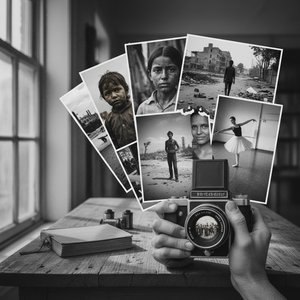
Witnessing History: Documentary Photography as an Art Movement
Explore the powerful history of documentary photography – from its origins to contemporary masters like Gordon Parks. Discover how this art form shapes our understanding of society and witness pivotal moments in time.

Sir John Watson Gordon: A Study in Scottish Landscape Painting & Tonal Impressionism
Explore the captivating portraits of Sir John Watson Gordon, a leading Scottish master. Discover his evolution from neoclassical style to atmospheric Tonalism and influence on 19th-century British art. Learn about his iconic sitters & legacy.