

 Encomendar pintura Comprar imagem em alta resolução
 Enviar
 Compartilhar
 Details
 Adicionar aos favoritos

 Baixar
 Semelhantes
 X-Ray
X-Ray
 Slideshow
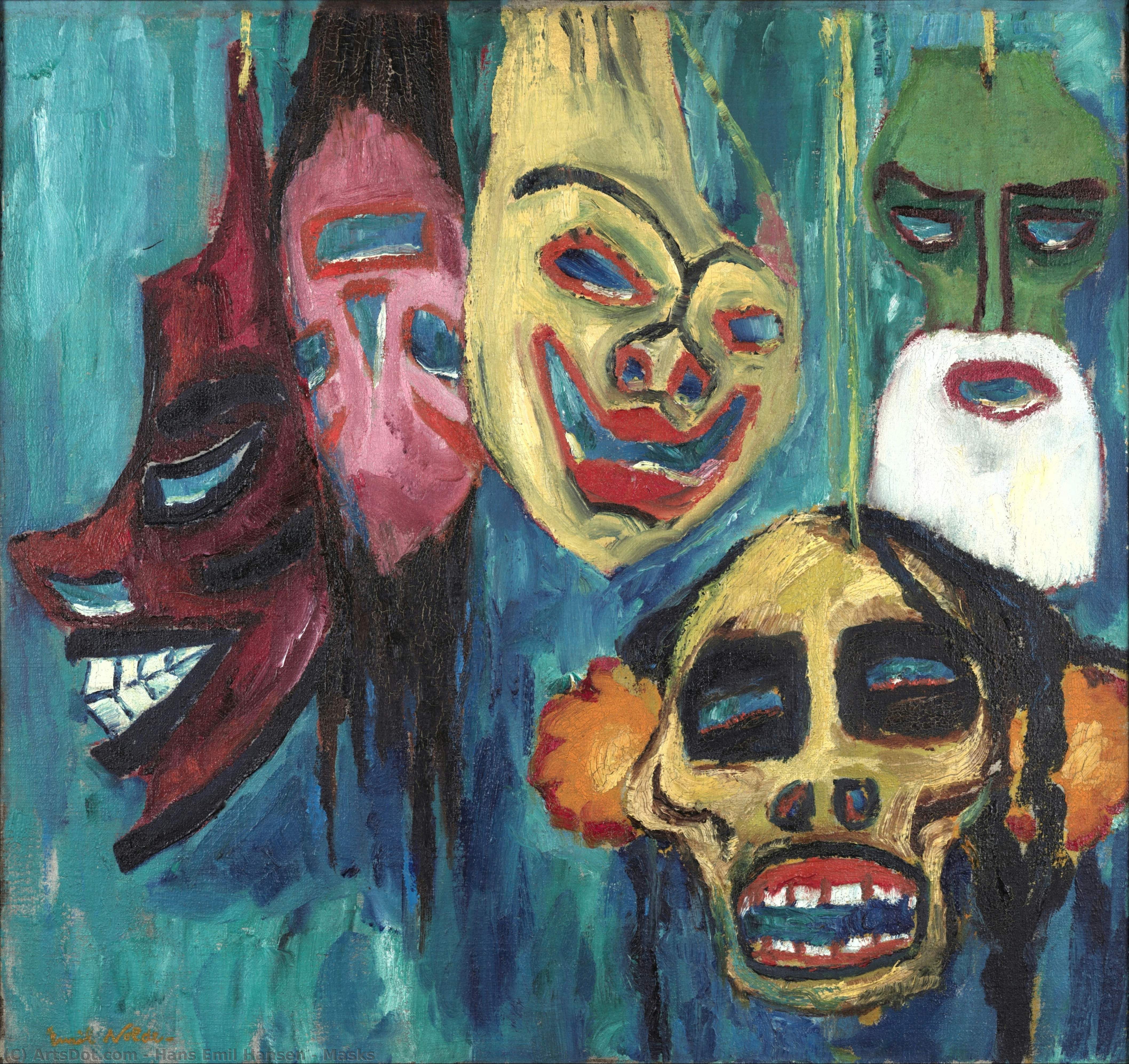
Masks
 Acrylic On Canvas
- WallArt
- Expressionist Painting
 1911
1911 100.0 x 94.0 cm
 Museu de Arte Nelson-Atkins
 Ver mais
Giclê / Impressão de Arte
Impressão giclée ou em tela de qualidade de museu, com produção rápida e opções flexíveis de acabamento.




P118B $10

P118H $10

P118W $10

P438Z $10

P508JH $12

P508YH $12

P805H $10

P805Z $10

P919BZ $10

P919G $10

P919XJ $10

P959ZH $10

P968JZ $12

W106C $8

W218G $10

W218JH $8

W218Y $10

W307PJ $10

W316G $10

W316PJ $8

W316Y $10

W398PJ $8

W4111J $10

W500HY $15

W500JH $15

W692G $12

W849H $8

W940BG $15

W953PJ $8




Escolha entre os nossos tamanhos pré-definidos que respeitam as proporções originais da obra de arte.

Você pode inserir suas próprias dimensões para se ajustar a uma moldura ou espaço específico. Se o tamanho selecionado não corresponder às proporções da imagem original, iremos recortar a obra de arte ou estender a imagem com uma borda espelhada ou preenchimento sólido. Um mockup digital será enviado para sua aprovação antes do início da produção.
Por favor, observe que a visualização na tela não reflete o recorte ou a extensão real. Apenas o mockup mostrará com precisão a composição final.
Embora tamanhos personalizados estejam disponíveis, recomendamos selecionar uma dimensão da lista predefinida para preservar as proporções originais.
Entrega mundial () em 2 semanas, em vez das 4/5 semanas padrão. (2 Julho)

Envio Expresso Gratuito para todo o Mundo

Tela de Linho Premium

Seguro de envio completo

Garantia de Reembolso de Impostos Alfandegários

Garantia de Fidelidade de Cores

Política de Devolução de 60 Dias (Apenas para Defeitos)

Garantia de 100% de Reembolso

Desconto para múltiplas unidades
 A opção de vidro está disponível apenas para tamanhos inferiores a 110 cm

Masks
Giclê / Impressão de Arte
Dimensões da Reprodução
-


Preço Total Final
-
Descrição da Obra
The Weight of Masks: An Exploration of Emil Nolde’s “Masks”
Emil Nolde's 1911 painting, "Masks," isn’t merely a depiction of theatrical adornment; it’s a profound meditation on identity, concealment, and the primal forces that reside within us all. Created during his pivotal time with the Die Brücke group in Dresden, this work embodies the Expressionist movement's core tenets – a rejection of academic realism in favor of raw emotion and subjective experience. The painting immediately confronts the viewer with five distinct masks, each rendered with an almost unsettling intensity. They aren’t idealized representations; rather, they are fragmented glimpses into hidden selves, hinting at anxieties, desires, and perhaps even suppressed violence.
Nolde's masterful use of color is paramount to the painting’s impact. Bold, saturated hues – deep reds, vibrant blues, and earthy ochres – dominate the composition, creating a sense of heightened drama and emotional urgency. The impasto technique—thickly applied paint—adds texture and physicality to the surfaces, as if the masks themselves are imbued with a palpable energy. Notice how the colors seem to bleed into one another, suggesting a merging of identities and a blurring of boundaries between the visible and the unseen.
Symbolism in Fragmented Faces
Each mask carries its own symbolic weight. The first, a dark red, toothy visage, evokes a sense of menace and perhaps even ritualistic aggression. Its exaggerated features suggest a primal instinct—a reminder of our darker impulses. Adjacent to it is an upside-down pink mask, hanging by a brown beard, hinting at vulnerability and the fragility of human appearance. The inclusion of two figures in the background – one on the right and another on the left – adds layers of interpretation. They seem to be observing these masks, perhaps contemplating their own hidden selves or the unsettling nature of human behavior. Nolde’s choice to include elements like a canoe prow from Solomon Islands and a shrunken head from Brazil further enriches the symbolism, suggesting themes of cultural difference, exoticism, and the appropriation of otherness.
The painting's historical context is crucial to understanding its deeper meaning. Nolde was grappling with the anxieties of a rapidly changing world—the rise of nationalism, the horrors of World War I, and the growing disillusionment with traditional values. "Masks" can be seen as an exploration of these turbulent times, reflecting the sense of uncertainty and fragmentation that characterized the era. The masks themselves represent the facades we present to the world, concealing our true selves beneath layers of social expectation and personal defenses.
Nolde’s Legacy and Reproduction
Emil Nolde's "Masks" stands as a testament to his unique artistic vision and his ability to capture the raw emotions of the human experience. His work continues to resonate with viewers today, offering a powerful reminder of our shared humanity—and the masks we all wear. Reproductions of this iconic painting are available through ArtsDot.com, allowing art enthusiasts to bring this evocative piece into their homes and offices. The vibrant colors and expressive brushwork of "Masks" will undoubtedly add depth and intrigue to any space, serving as a constant source of contemplation and artistic inspiration.
- Artist: Emil Nolde
- Date: 1911
- Medium: Oil on Canvas
- Size: 100 x 94 cm
- Style: Expressionism
Obras Relacionadas


Biografia do Artista
Early Life and Artistic Beginnings
Emil Nolde, a name synonymous with vibrant expressionism, was born Hans Emil Hansen on August 7, 1867, in the small village of Nolde, nestled within Schleswig-Holstein, Germany. His origins were deeply rooted in rural life—a landscape shaped by farming traditions and a strong connection to religious beliefs. This formative environment would profoundly influence his artistic vision, imbuing it with a sense of both groundedness and spiritual intensity. Despite initial reservations from his parents, who envisioned a more conventional path for their son – perhaps as a craftsman or merchant – Nolde’s unwavering passion for art ultimately prevailed. He began his artistic journey not in formal academies, but through practical experience, initially working as a wood carver and furniture decorator. This early exposure to craftsmanship instilled a meticulous attention to detail, which would later inform his distinctive painting style. It was only in his late twenties that Nolde finally dedicated himself fully to the pursuit of art, embarking on a path marked by self-education and relentless experimentation.Artistic Development and Influences
Nolde’s artistic evolution unfolded through a process of constant exploration and absorption of diverse influences. He embarked on extensive travels, immersing himself in cultures and artistic traditions far removed from his native Germany. These journeys proved to be transformative, exposing him to the raw power of primitive art – particularly masks and carvings—and sparking an enduring fascination with their symbolic depth. The works of Vincent van Gogh and Paul Gauguin served as crucial touchstones, demonstrating the expressive potential of color and form. Van Gogh’s turbulent brushstrokes and Gauguin's bold use of tropical hues ignited a desire within Nolde to break free from academic constraints and prioritize emotional impact over strict representation. Initially experimenting with Realism and Impressionism, he quickly recognized that these styles lacked the intensity needed to convey his inner world. This realization led him towards a more subjective and emotionally charged approach, laying the foundation for his signature Expressionist style.Die Brücke and Expressionist Breakthrough
In 1905, Nolde played a pivotal role in co-founding Die Brücke (The Bridge), a groundbreaking group of German Expressionist artists. This collective represented a radical departure from the established art world, seeking to dismantle traditional conventions and express profound inner emotions through unrestrained experimentation. Nolde’s contribution to Die Brücke was nothing short of transformative; his audacious use of color—often jarringly bright and intensely saturated—and his distorted forms pushed the boundaries of representation to their limits. However, despite his significant contributions, Nolde maintained a somewhat independent trajectory within the group, frequently diverging in subject matter and stylistic approach. He remained deeply committed to exploring themes that resonated with his own spiritual convictions, often depicting scenes from biblical narratives and delving into the darker aspects of human experience.Key Themes and Artistic Style
Nolde’s artistic output is characterized by a remarkable consistency in recurring themes: religious scenes imbued with profound symbolism, evocative landscapes capturing the raw beauty of nature, dramatic seascapes reflecting the power of the ocean, and poignant portraits revealing glimpses into the human psyche. A particularly compelling aspect of his work lies in his fascination with masks—both as tangible objects and potent symbols representing primal emotions and hidden identities. His artistic style is immediately recognizable by several key elements: a vibrant palette dominated by yellows, reds, and blues; distorted forms that prioritize emotional expression over realistic accuracy; and an impasto technique – the application of thick layers of paint creating a tactile surface brimming with energy. Nolde’s paintings are not merely depictions of reality; they are visceral expressions of inner experience, inviting viewers to confront their own emotions and grapple with profound questions about life, death, and spirituality.Notable Works and Historical Significance
Throughout his prolific career, Emil Nolde created a vast body of work that continues to captivate audiences worldwide. Some of his most celebrated paintings include Masks (1906-1907), a powerful exploration of primitive symbolism; The Mocking of Christ (1909), a deeply unsettling depiction of religious suffering; and the evocative Autumn Sea (1908). His series *The Legend of St. Maria Aegyptica* (1912) is particularly noteworthy for its erotic intensity and disturbing imagery. Despite facing criticism and censorship during the rise of Nazism – his work was deemed “degenerate” and removed from museums – Nolde remained steadfast in his artistic convictions, continuing to paint in secret. His legacy as a pioneering Expressionist artist endures, inspiring generations of artists with his bold experimentation, emotional intensity, and unwavering commitment to expressing the complexities of the human experience. He remains a central figure in the history of German art, celebrated for his unique vision and enduring influence.
Emil Nolde
1867 - 1956 , Alemanha
Informações Rápidas
- Artistic Movement Or Style: Expressionismo, Die Brücke
- Artists Or Movements Influenced By This Artist: ['Die Brücke']
- Artists Who Influenced This Artist:
- Van Gogh
- Gauguin
- Date Of Birth: 7 de Agosto de 1867
- Date Of Death: 15 de Abril de 1956
- Full Name: Emil Nolde (Hans Emil Hansen)
- Nationality: Alemão-Dinamarquês
- Notable Artworks:
- O Profeta
- Mocionamento de Cristo
- Jardim de Flores
- Place Of Birth: Nolde, Alemanha
Artigos Relacionados

Morris Louis: Pioneering Color Field Painting & Abstract Expressionism's Legacy
Explore the groundbreaking abstract expressionism of Morris Louis, a pioneer of Color Field painting. Discover his innovative techniques, influential series & lasting legacy in post-war American art. Learn more at ArtsDot.

Top 10 Obras-Primas em Acrílico que Revolucionaram a Arte | ArtsDot
Descubra as 10 obras-primas em acrílico que revolucionaram a arte! Explore a história, técnica e emoção por trás de ícones do expressionismo abstrato, pop art e mais. Encontre reproduções de museu na ArtsDot.com e inspire sua decoração.

Acrylic Painting: A Comprehensive Exploration of Technique, History & Contemporary Applications
Explore the world of acrylic painting! Discover its rich history, essential techniques, contemporary applications & renowned artists. Expert guide for beginners to professionals.

A Emoção Crua do Expressionismo: Uma Revolução na Arte do Século XX
Explore o Expressionismo: sua história, características e impacto na arte moderna. Guia completo para colecionadores e amantes da arte, com foco no movimento alemão.
Beatrice Parsons: A Study in Abstract Expressionism & the Poetics of Color Field Painting
Explore the captivating world of Beatrice Parsons, a pioneering British abstract expressionist. Discover her journey from garden watercolors to evocative color field paintings and learn about her place within art history.



