


 Visualizar em escala
 Enviar
 Compartilhar
 Ver detalhes

 Baixar
 Semelhantes
 Raio X
 Apresentação de slides
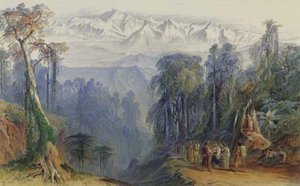
Bocche Di Cattaro, Montenegro

 Ver mais
Giclée / Impressão de Arte
Impressão giclée ou em tela de qualidade de museu, com produção rápida e opções flexíveis de acabamento. ( Encomendar reprodução pintada à mão Comprar imagem em alta resolução)




































Escolha entre os nossos tamanhos pré-definidos que respeitam as proporções originais da obra de arte.

Você pode inserir suas próprias dimensões para se ajustar a uma moldura ou espaço específico. Se o tamanho selecionado não corresponder às proporções da imagem original, iremos recortar a obra de arte ou estender a imagem com uma borda espelhada ou preenchimento sólido. Um mockup digital será enviado para sua aprovação antes do início da produção.
Por favor, observe que a visualização na tela não reflete o recorte ou a extensão real. Apenas o mockup mostrará com precisão a composição final.
Embora tamanhos personalizados estejam disponíveis, recomendamos selecionar uma dimensão da lista predefinida para preservar as proporções originais.
Entrega mundial () em 2 semanas, em vez das 4/5 semanas padrão. (16 Agosto)

Envio Expresso Gratuito para todo o Mundo

Tela de Linho Premium

Seguro de transporte total

Garantia de Reembolso de Impostos Alfandegários

Garantia de Fidelidade de Cor

Política de Devolução de 60 Dias (Apenas para Defeitos)

Garantia de reembolso de 100%

Desconto para múltiplas unidades
 A opção de vidro está disponível apenas para tamanhos inferiores a 110 cm

Bocche Di Cattaro, Montenegro
Giclée / Impressão de Arte
Dimensões da Reprodução
-


Preço Total
$ 62
Obras Relacionadas




Biografia do Artista
A Life Painted in Nonsense and Light
Edward Lear, a name inextricably linked to whimsical verse and delightfully peculiar illustrations, was far more than simply the purveyor of limericks and fantastical creatures that often define his legacy. Born in 1812 in Holloway, North London, into a family teeming with twenty-one children – a veritable whirlwind of siblings – Lear’s early life was profoundly shaped by both financial instability and an astonishingly early artistic talent. His father, Jeremiah Lear, faced considerable hardship following the Napoleonic Wars, forcing young Edward to begin earning a living through his drawings at the tender age of fifteen. This necessity, however, ignited within him a lifelong passion that would propel him across continents, capturing the world in vibrant hues and playful lines. The shadow of familial difficulty – compounded by early health challenges, including recurring epileptic seizures and bouts of melancholia he himself termed “the Morbids” – instilled within Lear a gentle solitude and an inclination towards imaginative escape; qualities that are profoundly reflected in both his art and his writing.From Ornithological Precision to Landscape’s Embrace
Lear's artistic journey began with a remarkable degree of precision. Initially employed by the Zoological Society of London, he honed his skills illustrating birds and animals – demanding an unparalleled eye for detail and anatomical accuracy. This early work brought him to the immediate attention of Edward Stanley, the 13th Earl of Derby, who commissioned Lear to meticulously document the exotic creatures residing within his private menagerie at Knowsley Hall. These formative years spent amongst lions, tigers, and parrots not only refined Lear’s draftsmanship beyond measure but also fostered a deep and enduring connection with the natural world – a connection that would become a cornerstone of his later landscape paintings. However, the relentless demands of this exacting work, coupled with increasingly debilitating respiratory issues and failing eyesight, eventually led him to relinquish the precise details of ornithological illustration. He turned instead to landscape painting, embarking on extensive and transformative travels throughout Europe and beyond. Italy, in particular, became a sanctuary – offering not only respite from his physical ailments but also an abundance of inspiring vistas that would forever shape his artistic vision. His landscapes are characterized by a unique blend of topographical accuracy and atmospheric sensitivity; he masterfully captured the subtle nuances of light and shadow, employing delicate watercolors to evoke a sense of tranquility and wonder.The Poet of Nonsense: A World Unbound
While celebrated primarily as a painter, it is perhaps for his literary contributions that Edward Lear remains most widely remembered. His “nonsense” poetry – particularly his limericks – revolutionized children’s literature and captivated audiences of all ages. *A Book of Nonsense*, published in 1846 under the pseudonym "Derry down Derry," introduced a world populated by owls and pussycats sailing in pea-green boats, dongs with luminous noses, and other delightfully absurd creations. These verses weren’t merely frivolous; they were imbued with a subtle melancholy and a playful subversion of conventional logic. Lear didn't simply invent nonsense words; he crafted entire worlds governed by their own internal rules, inviting readers to suspend disbelief and embrace the joy of imagination. *The Owl and the Pussy-Cat*, arguably his most famous poem, remains a beloved classic, its enduring appeal stemming from its lyrical rhythm and evocative imagery. Lear’s work demonstrated an innovative approach to poetry, liberating verse from rigid structures and embracing playful experimentation – a radical departure from the prevailing literary norms of the time.Influences and Artistic Development
- Early Influences: Lear’s initial artistic training focused on scientific illustration, demanding precision and observation. This foundation shaped his meticulous approach to detail, even as he later embraced more expressive styles.
- Travel & Landscape Painting: His extensive travels through Italy, Greece, Egypt, and beyond profoundly influenced his landscape work. He absorbed the light, colors, and textures of these diverse regions, developing a distinctive style characterized by atmospheric perspective and delicate brushwork.
- Literary Inspiration: While he popularized the limerick, Lear was also inspired by earlier nonsense verse traditions. His unique contribution lay in his ability to imbue this form with emotional depth and lyrical beauty.
- Personal Experiences: Lear’s lifelong struggles with health issues and melancholy deeply informed his artistic vision. The sense of isolation and longing that permeates much of his work reflects his own personal experiences.
A Legacy of Innovation and Enduring Charm
Edward Lear's influence extends far beyond the realm of children's literature. He pioneered a new form of poetic expression, liberating verse from rigid structures and embracing playful experimentation. His landscapes, though often overshadowed by his poetry, demonstrate a keen artistic sensibility and a mastery of watercolor technique. He was a true polymath – artist, illustrator, musician (he composed musical settings for Tennyson’s poems), author, and poet – whose diverse talents converged to create a unique and enduring legacy. He challenged conventional boundaries, blurring the lines between art, literature, and music. His work continues to inspire artists, writers, and dreamers alike, reminding us of the power of imagination and the beauty of embracing the absurd. His paintings can be found in esteemed collections like The Ashmolean Museum, Oxford, a testament to his skill as a landscape artist. Lear’s life, marked by both personal struggles and creative triumphs, serves as a poignant reminder that even amidst darkness, there is always room for light, laughter, and the boundless possibilities of the human spirit.
Edward Lear
1812 - 1888 , Reino Unido
Informações Rápidas
- Artistic Movement Or Style: Nonsense, Victoriano
- Date Of Birth: 12 Maio de 1812
- Date Of Death: 29 Janeiro de 1888
- Full Name: Edward Lear
- Nationality: Britânico
- Notable Artworks:
- O Coruja e a Gata-Pardo
- O Dong com Nariz Luminoso
- Place Of Birth: Londres, Reino Unido
Artigos Relacionados

John Varley I: Intimate Observation & the British Romantic Landscape
Explore the serene landscapes of John Varley I, a key figure in British Romanticism. Discover his unique watercolour style, collaboration with William Blake & lasting artistic legacy. Learn about collecting Varley's work.

Edward Lear: A Life Beyond Nonsense – Landscape, Illustration & the Poetics of Isolation
Explore the life of Edward Lear beyond his nonsense poems. Discover his stunning landscape paintings, travel illustrations & the poignant themes of isolation in this expert art history analysis.

Edward Seago: A Life Painted in Light – Nostalgia & the British Landscape Tradition
Explore the life & art of Edward Seago, a celebrated British Impressionist painter known for evocative landscapes & seascapes. Discover his captivating works and find high-quality reproductions at ArtsDot.

Thomas Girtin: Pioneering Atmospheric Landscapes & the Rise of Romantic Watercolour
Explore the captivating world of Thomas Girtin, a pioneer of Romantic watercolour painting. Discover his innovative techniques, key masterpieces & lasting influence on British art history. Learn about collecting Girtin's work today.

Richard Parkes Bonington: A Brief but Brilliant Career – Romantic Landscapes & the Dawn of Plein Air Painting
Explore the short but impactful career of Richard Parkes Bonington, a pivotal figure bridging British Romanticism & French plein air painting. Discover his luminous landscapes and lasting influence on Delacroix & beyond.


