
- Início

- Reprodução de Pintura a Óleo
- edwaert collier
- Still Life

 Comprar impressão Comprar imagem em alta resolução
 Enviar
 Compartilhar
 Details
 Adicionar aos favoritos

 Baixar
 Semelhantes
 X-Ray
X-Ray
 Slideshow
Still Life
 Dutch Golden Age
 1699
1699 76.0 x 64.0 cm
Reprodução em Óleo Feita à Mão
Óleo sobre tela pintado à mão no seu tamanho e moldura, feito sob encomenda pelos nossos artistas.




































 Saiba mais
Escolha entre os nossos tamanhos pré-definidos que respeitam as proporções originais da obra de arte.

Pode inserir as suas próprias dimensões para se adequar a uma moldura ou espaço específico. Se o tamanho selecionado não corresponder às proporções da imagem original, iremos cortar a obra de arte ou estender a pintura com elementos adicionais pintados à mão. Um esboço digital será enviado para sua aprovação antes do início da produção.
Tenha em atenção que a pré-visualização no ecrã não reflete o corte ou extensão real. Apenas o esboço mostrará com precisão a composição final.
Embora tamanhos personalizados estejam disponíveis, recomendamos selecionar uma dimensão da lista predefinida para preservar as proporções originais.
Após o pedido, a equipa ArtsDot.com enviará um e-mail ao cliente para solicitar instruções e fornecer uma prévia do esboço.
Entrega Mundial () em 3 a 4 semanas, em vez das 5 semanas padrão. (1 Julho). Sem comprometer a qualidade.

Envio Expresso Gratuito para todo o Mundo

Tela de Linho Premium

Seguro de envio completo

Garantia de Reembolso de Impostos Alfandegários

Garantia de Fidelidade de Cores

Política de Devolução de 60 Dias (Apenas para Defeitos)

Garantia de 100% de Reembolso

Desconto para múltiplas unidades
 A opção de vidro está disponível apenas para tamanhos inferiores a 110 cm

Still Life
Técnica de Reprodução
Dimensões da Reprodução
-


Preço Total Final
-
Descrição da Obra
Composition and Symbolism
The composition of the Still Life is characterized by a careful arrangement of objects, with the open book at the center, drawing the viewer's attention. The inclusion of a globe adds an element of curiosity, while the candles provide a sense of warmth and intimacy. This painting can be seen as a reflection of the artist's fascination with the world around him, as well as his ability to find beauty in mundane objects. Key elements of the painting include:- The use of light and shadow to create depth and dimensionality
- The careful placement of objects to guide the viewer's eye through the composition
- The incorporation of symbolic elements, such as the globe, which may represent the artist's interest in exploration and discovery
Artist and Style
Edwaert Collier was a Dutch painter known for his still life works, which often featured everyday objects and symbols. His style is characterized by attention to detail, use of chiaroscuro, and a sense of realism. For more information on Edwaert Collier and his works, visit /art/list/?Filter=AQSVBR-Edwaert-Collier-Still-Life. Other notable artists, such as Gerrit (Gérard) Dou and Pieter Gerritsz Van Roestraeten, also created remarkable still life paintings, which can be found on https://ArtsDot.com. The Victoria and Albert Museum in the United Kingdom is also home to an impressive collection of still life paintings, including works by Pieter Gerritsz Van Roestraeten.For those interested in learning more about still life painting and its history, visit /art/list/?Filter=A@D3BP8V-Discovering-the-Artworks-of-Edinburgh-College-of-Art-Edinburgh-United-Kingd.. to explore the artworks of Edinburgh College of Art.
Obras Relacionadas


Biografia do Artista
Evert Collier (1642–1708): The Trompe-l'œil Master of Mortality
Evert Collier, born circa 1642 in Breda, Noord-Brabant, emerged as a prominent figure within the Dutch Golden Age artistic landscape—a period characterized by unparalleled innovation and opulent patronage. His early training in Haarlem under Vincent Laurensz van der Vinne instilled foundational principles of observation and draughtsmanship, shaping his distinctive approach to still life painting.
- Early Influences: Van der Vinne’s emphasis on meticulous detail and atmospheric perspective profoundly impacted Collier's artistic sensibilities.
- Guild Membership & Artistic Development: Collier formally joined the Haarlem Guild of St. Luke in 1664, marking a crucial step toward establishing his professional career and solidifying his reputation as a skilled artist. His subsequent relocation to Leiden and Amsterdam broadened his exposure to diverse artistic currents and fostered experimentation with new techniques.
- Collaboration & Artistic Partnerships: Collier’s association with Barend van Eisen further enriched his creative dialogue, resulting in collaborative works that showcased shared stylistic sensibilities.
The Art of Trompe-l'œil: Illusionistic Mastery
Collier distinguished himself from many of his contemporaries through his masterful execution of trompe-l'œil—a technique designed to deceive the eye by creating illusions of depth and dimensionality on a flat surface. Unlike conventional realism, trompe-l'œil prioritized visual trickery over accurate representation, transforming ordinary objects into captivating spectacles.
- Signature Style: Collier’s signature trompe-l'œil paintings typically featured arrangements of journals, engravings, letters, medals, combs, and sealing wax sticks—items imbued with symbolic significance reflecting the transient nature of human existence.
- Technical Innovation: He skillfully employed perspective tricks, shading effects, and subtle textural variations to generate convincing illusions of space, captivating viewers with their deceptive beauty.
Iconic Still Lifes & Symbolism
Collier’s still lifes transcended mere depiction; they functioned as meditations on mortality—a central preoccupation within the vanitas genre prevalent during his era. Each element meticulously chosen conveyed a profound message about decay, remembrance, and the inevitability of death.
- Recurring Motifs: Common motifs included skulls, hourglasses, withered flowers, decaying fruit, and extinguished candles—symbols representing time’s relentless passage and the fragility of earthly pleasures.
- Psychological Depth: Collier's paintings probed beneath surface appearances, inviting contemplation on existential themes and prompting viewers to confront their own mortality.
Legacy & Recognition
Collier’s artistic legacy extends beyond his individual oeuvre—he exerted considerable influence on subsequent generations of Dutch painters, particularly those exploring the trompe-l'œil technique. His works are housed in prominent museums worldwide, including the Rijksmuseum (Amsterdam), Tate London, Denver Art Museum and Honolulu Museum of Art, ensuring that his visionary artistry continues to inspire admiration and scholarly inquiry.
Sources: Bryan’s Dictionary of Painters and Engravers; Netherlands Institute for Art History; Biographical Notices from Various Art Historical Databases
edwaert collier
1642 - 1708
Informações Rápidas
- Artistic Movement Or Style: Dutch Golden Age
- Artists Or Movements Influenced By This Artist: ['Laurens van der Vinne']
- Artists Who Influenced This Artist: ['Vincent Laurensz van der Vinne']
- Date Of Birth: 1642
- Date Of Death: circa 1708
- Full Name: Evert Collier
- Nationality: Dutch
- Notable Artworks:
- Still Life with Globe, Skull and Violin
- Vanitas Still Life
- Place Of Birth: Breda, Noord-Brabant
Artigos Relacionados

Século XVII na Arte: 10 Obras-Primas para Inspirar a Sua Casa
Descubra 10 obras-primas do século XVII! Explore a arte de Rembrandt, Vermeer e Caravaggio. Encontre reproduções de alta qualidade para inspirar sua decoração em ArtsDot.com.

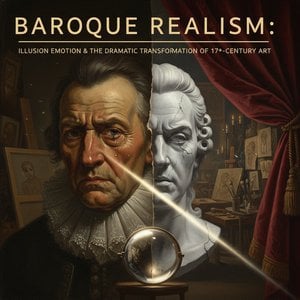
Baroque Realism: Illusion, Emotion & the Dramatic Transformation of 17th-Century Art
Explore the dramatic world of Baroque Realism! Discover iconic artists like Caravaggio & Rubens, their techniques, and the movement's lasting impact on art history. Expert insights for collectors & enthusiasts.

The Bountiful Still Life: Symbolism & Artistic Representation of Fruit Across Art History
Explore the rich history of still life painting & the symbolism of fruit across art movements. Discover masterpieces from Caravaggio to Cézanne with ArtsDot – expert guidance & museum-quality reproductions.

Severin Roesen: Evoking National Identity Through American Still Life Painting
Explore the captivating world of Severin Roesen, a major American still life painter influenced by Dutch masters. Discover his lush compositions and the symbolism within his art – a window into 19th-century America.

Da Natureza Morta Clássica à Abstração Contemporânea: Elevando Ambientes de Entretenimento com Arte Reproduzida
Descubra a evolução da natureza morta na arte e como reproduções personalizadas elevam o design de interiores de luxo. Guia completo para transformar seus espaços com elegância e sofisticação.

